Brian Smith was fired as Ohio University's head football coach for engaging in an extramarital affair with a student and alcohol-related misconduct, with the university citing serious professional misconduct and conduct that brought disrepute to the school.
A study found that a 30-day recall period provides comparable data to a 60-day period for assessing young adults' alcohol use, suggesting it as a sufficient and less burdensome timeframe for research on youth drinking behaviors.
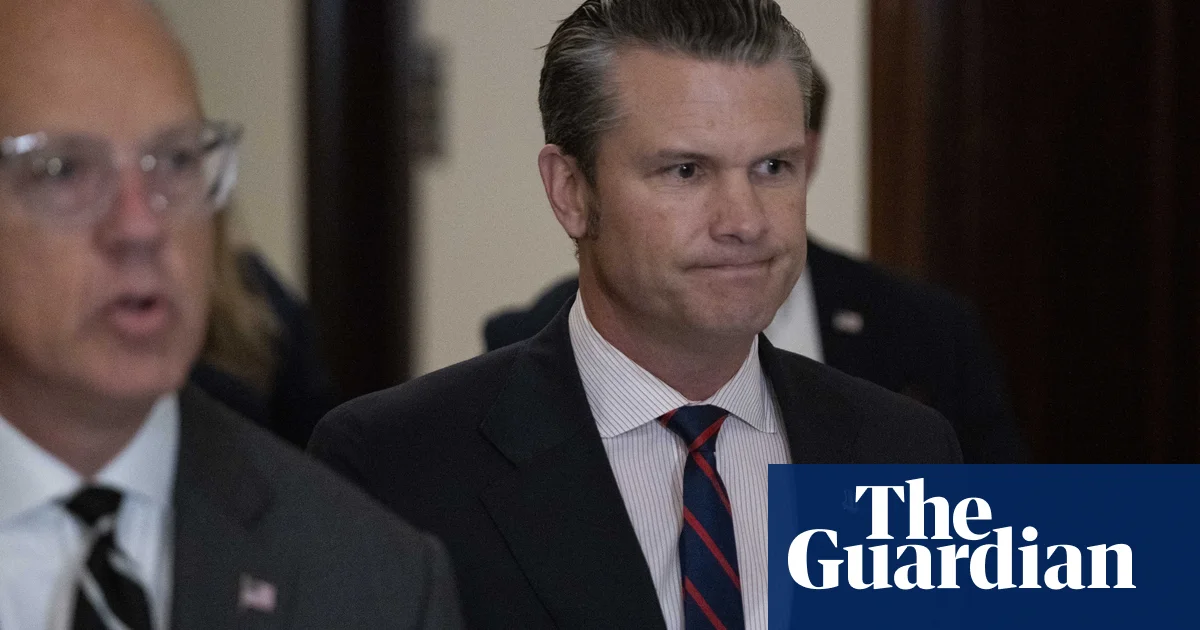
Pete Hegseth, Donald Trump's nominee for Secretary of Defense, faces scrutiny over past allegations of financial mismanagement and improper behavior, including excessive alcohol use. Reports suggest he was ousted from leadership roles in veterans organizations due to these issues. Despite some Republican support, his confirmation is complicated by these allegations and calls for FBI background checks. Hegseth has denied the claims, with sources close to him acknowledging past drinking issues but asserting he has since matured.
Denzel Washington, in a candid interview with Esquire, discussed his past struggles with alcohol, particularly wine, admitting to having done significant damage to his body. The 69-year-old actor, who has been sober for nearly a decade, reflected on his drinking habits, which included spending thousands on expensive wine, but noted he never drank while working. Washington, who plans to retire after his upcoming films, including "Gladiator II," acknowledged this phase of his life as the "last chapter."
Denzel Washington, approaching his 70th birthday, reflects on the impact of past drug and alcohol use on his health, admitting to significant damage. Celebrating nearly a decade of sobriety, Washington reveals wine was his main vice, indulging in expensive bottles but maintaining discipline by not drinking while working. He acknowledges this period as the "last chapter" of his life, aiming to make the most of it.
A study in Alcohol, Clinical and Experimental Research found that even mild insomnia symptoms can predict increased future alcohol use in adults. Using objective measures like wrist actigraphy and the dim light melatonin onset test, researchers discovered that higher baseline insomnia severity and longer total sleep time were linked to greater alcohol consumption and binge drinking. The study highlights the importance of addressing sleep disturbances to potentially reduce alcohol misuse.
A study using genetic data from over 3 million individuals, including those of European, Latin American, and African American ancestry, has revealed correlations between genetic variants related to alcohol consumption and a wide range of health outcomes. The research identified genetic variants that influence alcohol behaviors and found connections to both positive and negative health outcomes, including chronic conditions and certain cancers. The study emphasizes the importance of diverse genetic research to fully understand the multifaceted impacts of these genetic variants on human health and highlights the need for inclusive genetic studies to avoid exacerbating health disparities.
A new analysis suggests that artificial intelligence could help identify patients at risk of dangerous alcohol use before surgery by analyzing contextual clues in their medical records, such as notes, test results, or billing data. The study used a natural language processing model to assess the records of over 53,000 surgical patients and found that the AI model classified three times as many patients at risk compared to diagnosis codes alone. The findings highlight AI as a potential tool for clinicians to identify patients in need of intervention or postoperative support, potentially improving surgical outcomes.
A new analysis suggests that artificial intelligence could help identify patients at risk of dangerous alcohol use before surgery by analyzing contextual clues in their medical records. Using a natural language processing model, researchers found that the AI could identify three times as many at-risk patients compared to diagnostic codes alone. This could potentially assist clinicians in providing intervention or postoperative support for patients with risky alcohol use, ultimately improving surgical outcomes.
A study involving over 2,000 children aged nine to ten suggests a potential link between daily consumption of caffeinated soda and an increased likelihood of alcohol use. The study found that children who reported drinking soda daily were twice as likely to have sipped alcohol a year later. These daily soda drinkers also exhibited higher impulsivity and poorer working memory, which are recognized risk factors for substance use disorders. Brain imaging showed reduced activity in regions associated with impulse control and working memory in regular soda drinkers. The findings highlight the association between soda consumption, neurobehavioral factors, and the risk of substance use in children.
A recent study by the University of Wisconsin Population Health Institute reveals that Wisconsin has the highest rate of excessive drinkers in the United States, with 26% of adults self-reporting excessive drinking. The states with the most excessive drinkers are primarily located in the north-central region, including Iowa, Montana, Nebraska, and North Dakota. County-level data shows that nine out of the ten counties with the highest rates of excessive drinking are in Wisconsin. The study also highlights the correlation between excessive drinking and alcohol-impaired driving deaths, with Montana having the highest rate of driving deaths involving alcohol.
A recent report by the University of Wisconsin Population Health Institute reveals the states and counties in the U.S. with the highest rates of excessive drinking. Wisconsin tops the list with 26% of adults self-reporting excessive drinking, followed by Iowa, Montana, Nebraska, and North Dakota. Utah has the lowest rate at 12%. County-level data shows that nine out of the ten counties with the highest rates of excessive drinking are in Wisconsin. The report also highlights the number of alcohol-impaired driving deaths, with California having the highest number of fatalities and Montana having the highest rate of driving deaths involving alcohol. Researchers emphasize the harmful effects of excessive alcohol consumption on individuals and communities.
A study by the University of Wisconsin Population Health Institute found that Wisconsin has the highest rate of excessive drinkers in the United States, with 26% of adults self-reporting excessive drinking. The study also revealed that California has a lower rate of excessive drinking at 18%. County-level data showed that nine out of the ten counties with the highest rates of excessive drinking were in Wisconsin. In California, the northeastern part of the state, including Sierra and Amador counties, had the highest concentration of excessive drinkers. Additionally, California had the highest number of alcohol-impaired driving deaths, despite its lower rate of excessive drinking.