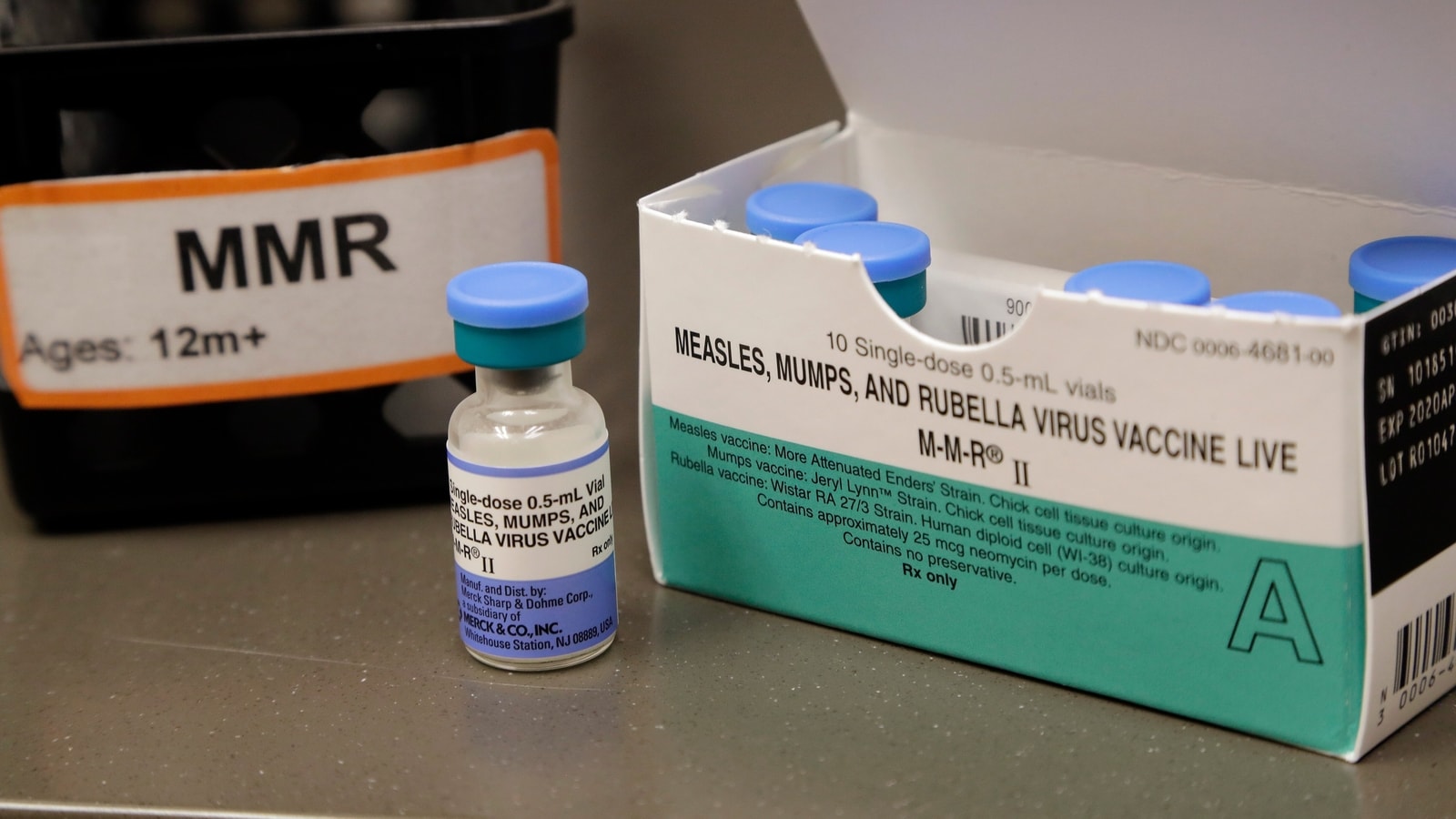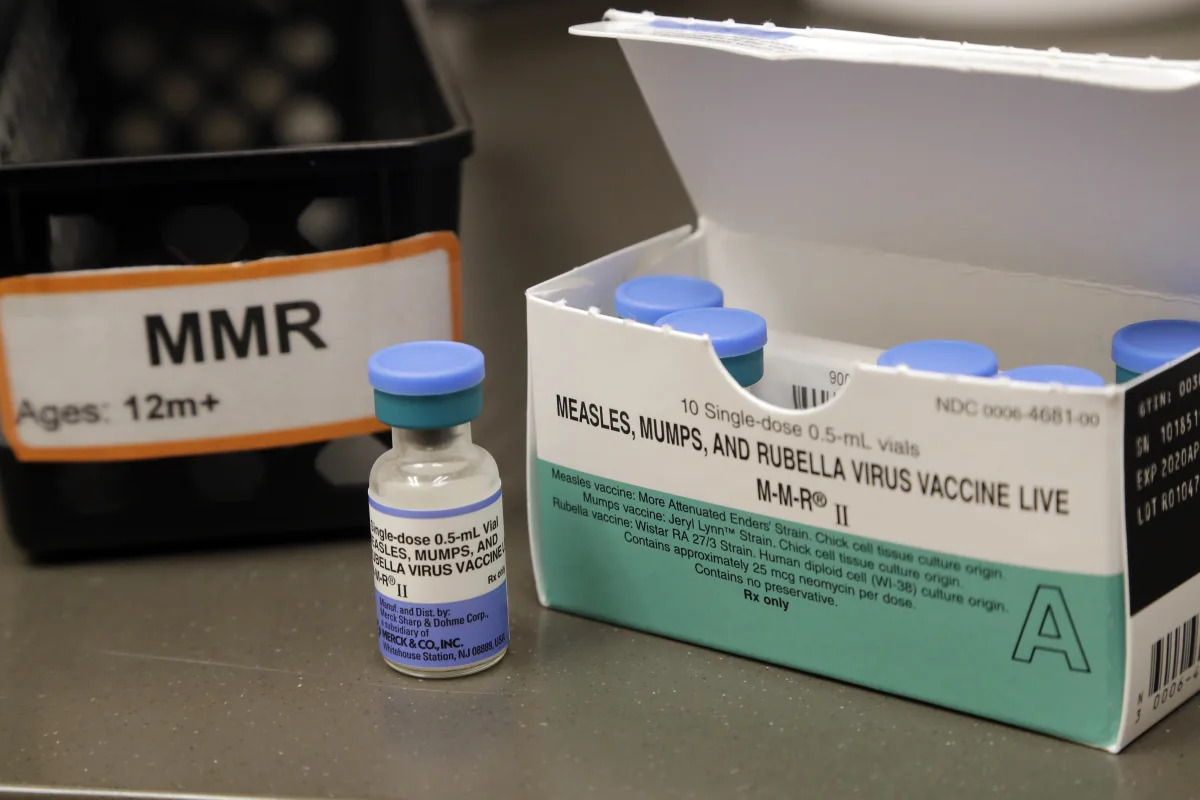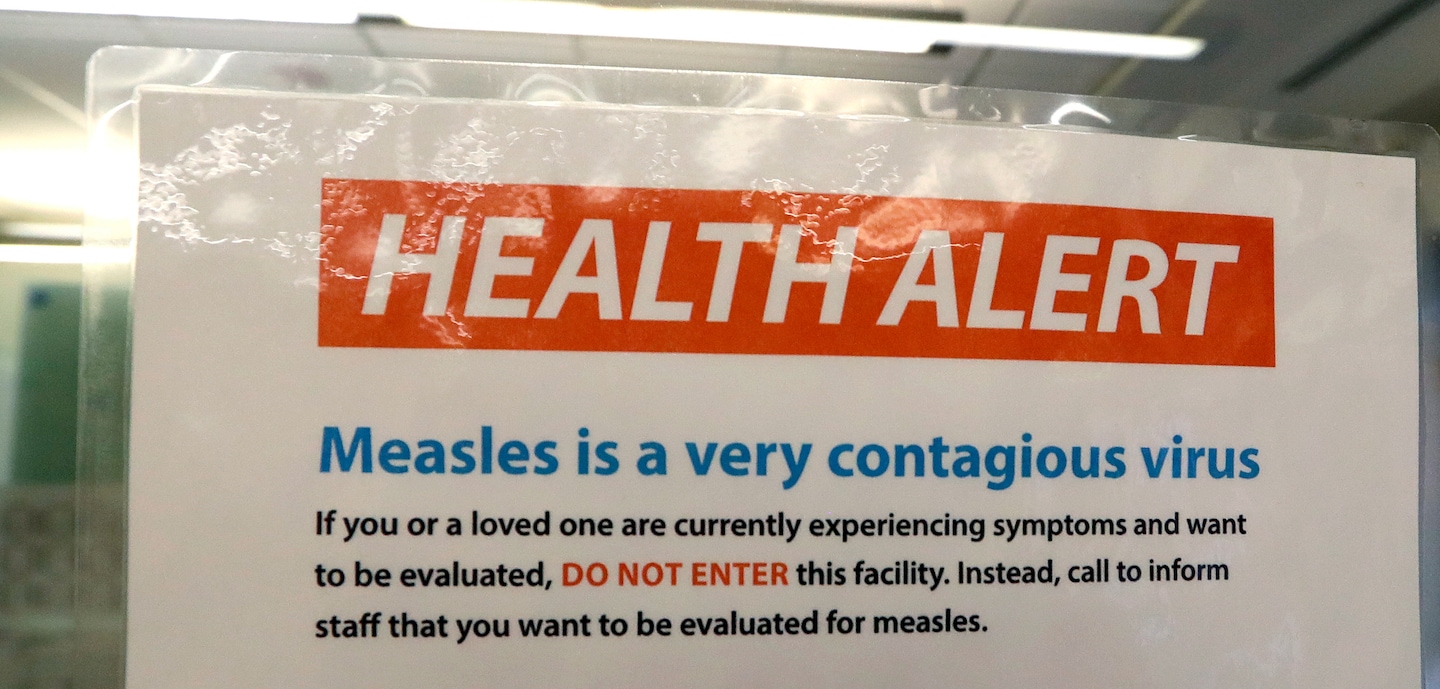
Measles cases in the United States are on track to be the worst since 2019, with anti-vaccine activists contributing to vaccine hesitancy. Measles is highly contagious and can cause serious complications, but can be prevented with the measles, mumps, and rubella vaccine. Vaccination rates are falling globally, leading to outbreaks in multiple countries, including the United States. Vaccine hesitancy is being fueled by activists and social media, despite the proven effectiveness of vaccines in preventing measles. The battle against measles requires a concerted effort to boost vaccination rates and combat misinformation.
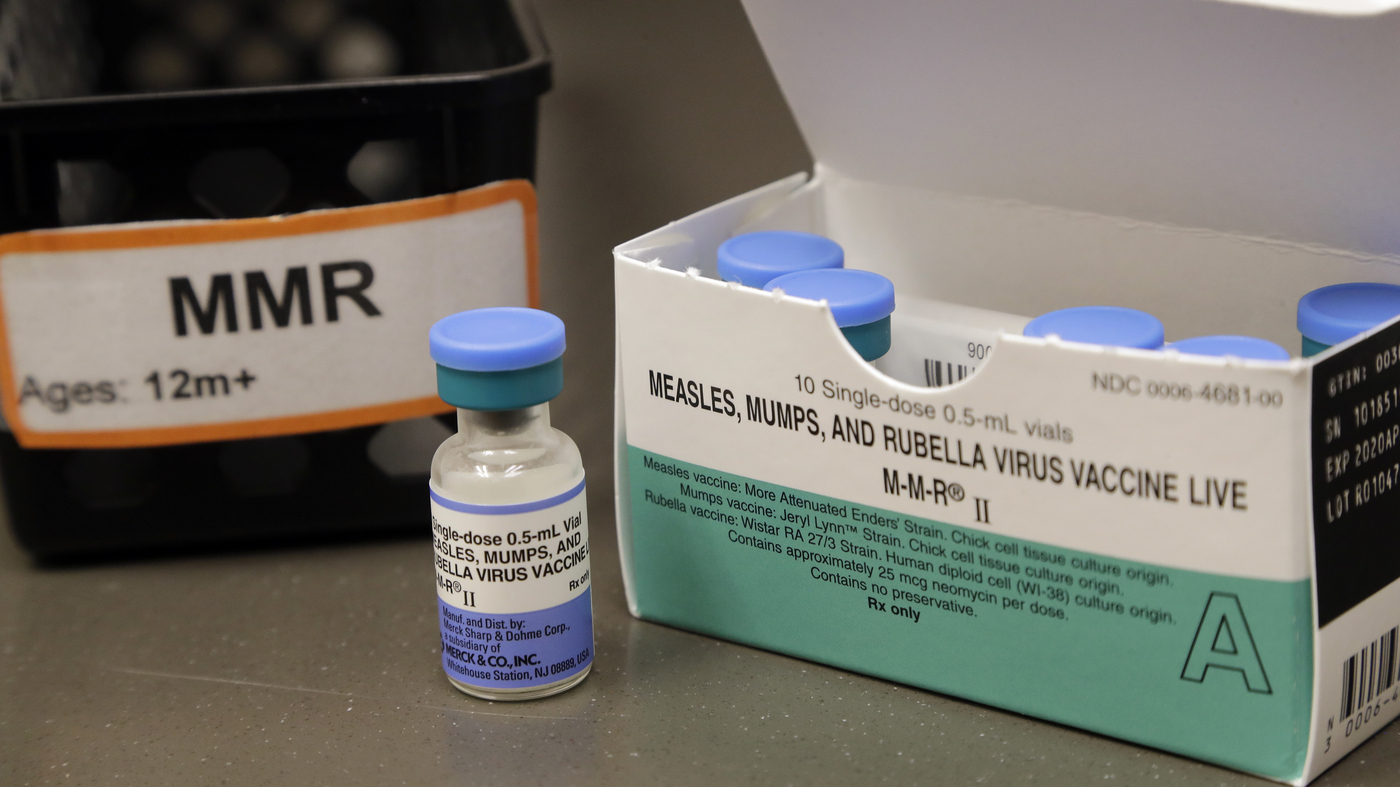
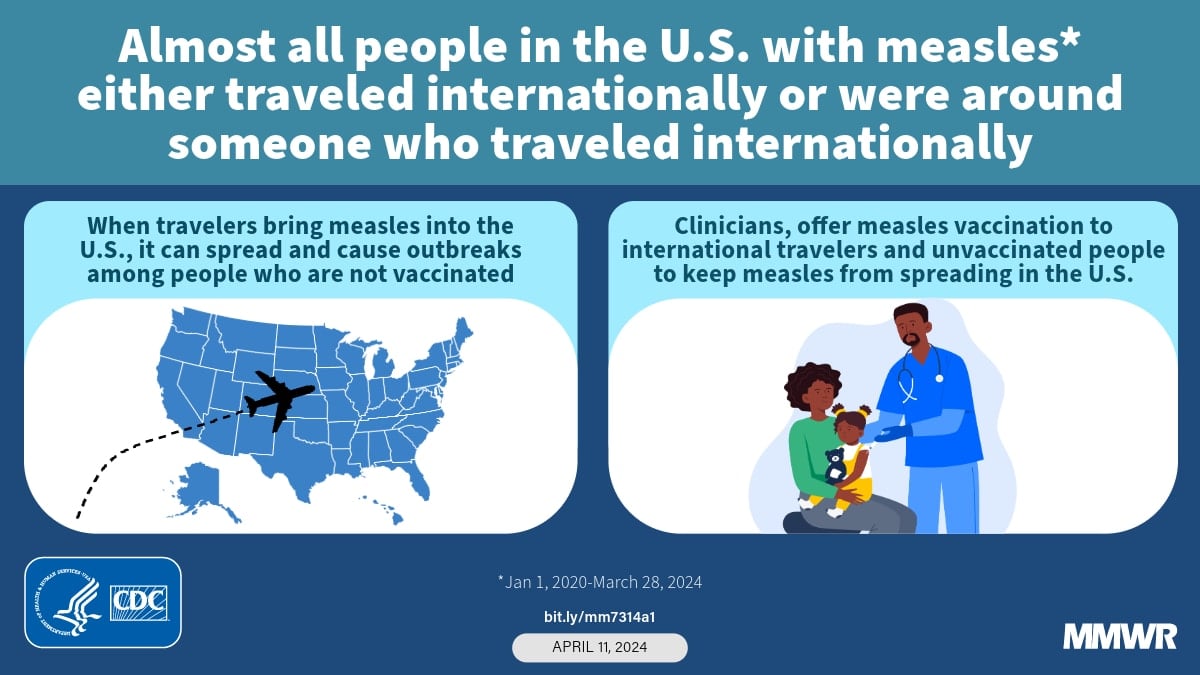
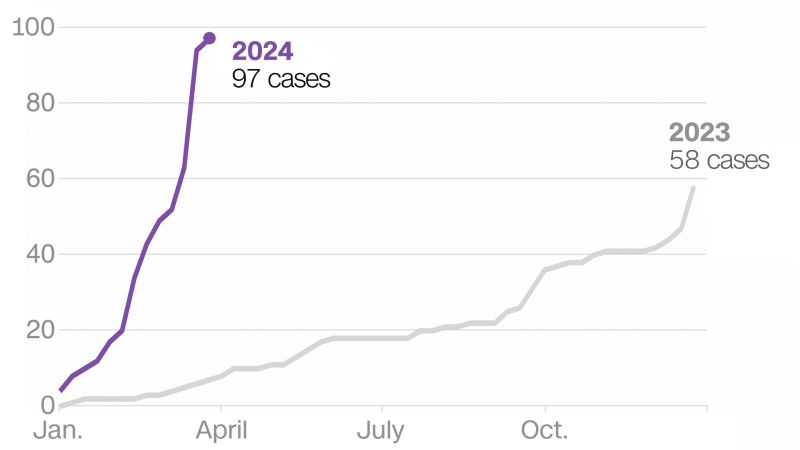
The CDC warns that the spike in measles cases, largely due to unvaccinated individuals, poses a renewed threat to the disease's elimination in the U.S. More than 80% of cases this year involved unvaccinated or unknown vaccination status individuals, with nearly half of the cases occurring in children under 5. The U.S. has seen over 120 cases so far in 2024, more than double the number reported for all of last year. The CDC emphasizes the importance of vaccination to prevent the spread of measles and the potential loss of the disease's elimination status in the country.
The United States maintained its measles elimination status as of the end of 2023, despite a total of 338 reported measles cases from January 1, 2020, to March 28, 2024, with 29% occurring in the first quarter of 2024, mostly in unvaccinated individuals. The risk for widespread measles transmission remains low due to high population immunity, but efforts are needed to increase routine vaccination coverage, especially in undervaccinated communities, and to rapidly investigate suspected measles cases to prevent further cases and complications.
Measles cases in the United States have surged in 2024, surpassing the total count for 2023, due to falling vaccination rates and increased travel. The disease, which was eliminated in the US in 2000, poses serious health risks, especially for unvaccinated children. The CDC warns that the country could lose its measles elimination status if outbreaks persist. Maintaining high vaccination coverage, particularly among kindergarteners, is crucial to preventing the spread of measles.
Mpox cases in the United States have doubled compared to last year, with 511 cases reported through March 16. Experts emphasize the need to improve vaccination coverage as transmission risks rise, especially with the emergence of a more transmissible and severe subtype. Men who have sex with men and those with HIV are particularly at risk, and efforts to reach these populations are crucial. Vaccination is seen as a more sustainable measure for prevention, and the availability of the vaccine is expected to expand, but challenges remain in ensuring access and treatment amidst tight budget pressures in the sexual health field.
Mpox cases in the US have doubled compared to last year, with 511 cases reported by March 16. Experts emphasize the need to improve vaccination coverage as transmission risks rise. The public health emergency expired over a year ago, reducing federal resources, and low vaccination rates leave many at risk. A more transmissible subtype of the virus has been identified, and efforts to reach at-risk populations are crucial. Vaccination is seen as a more sustainable measure for prevention, and the vaccine is expected to be more widely available in pharmacies and health-care offices next month.
Mpox cases in the US have doubled compared to last year, with 511 cases reported through March 16, highlighting the need to improve vaccination coverage as transmission risks rise. Low vaccination rates and the expiration of the public health emergency have left the US vulnerable to outbreaks. Experts warn of a more transmissible subtype of the virus and emphasize the importance of reaching at-risk populations, particularly men who have sex with men and those with HIV. Efforts to curb the spread include targeted outreach and vaccination, as well as addressing challenges in access to treatment and preventive measures.
The CDC revealed that drug overdose deaths in the US reached a record high of 107,941 in 2022, marking a 1% increase from the previous year. While overdose deaths declined for women, they continued to rise for men, who account for about 70% of such deaths. American Indian and Alaskan Native populations saw a 15% increase in overdose death rates, while deaths from synthetic opioids like fentanyl doubled in the last five years. The nation's response to the epidemic includes initiatives like anti-OD devices in New York City apartments and "safe" drug injection sites.
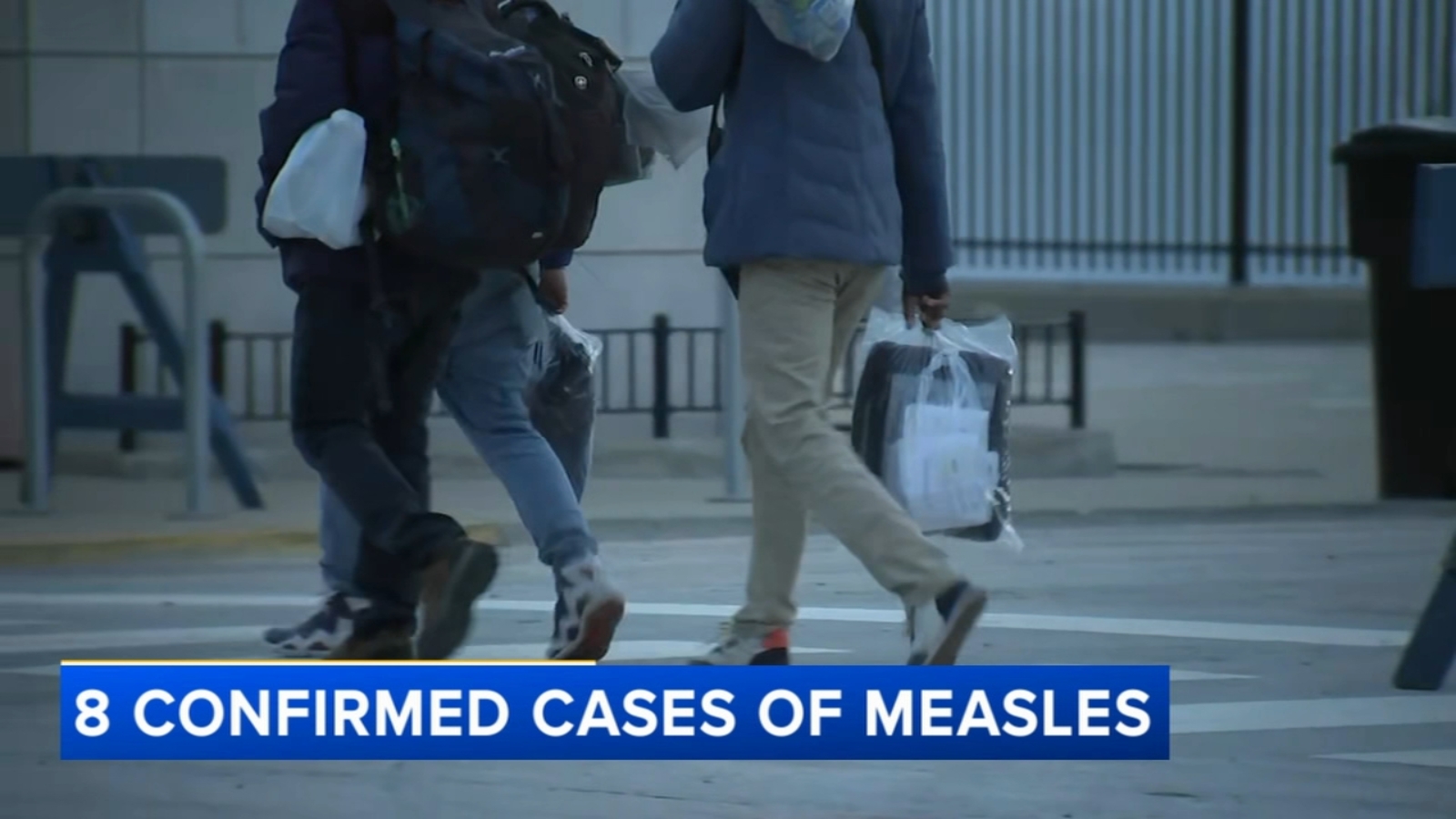
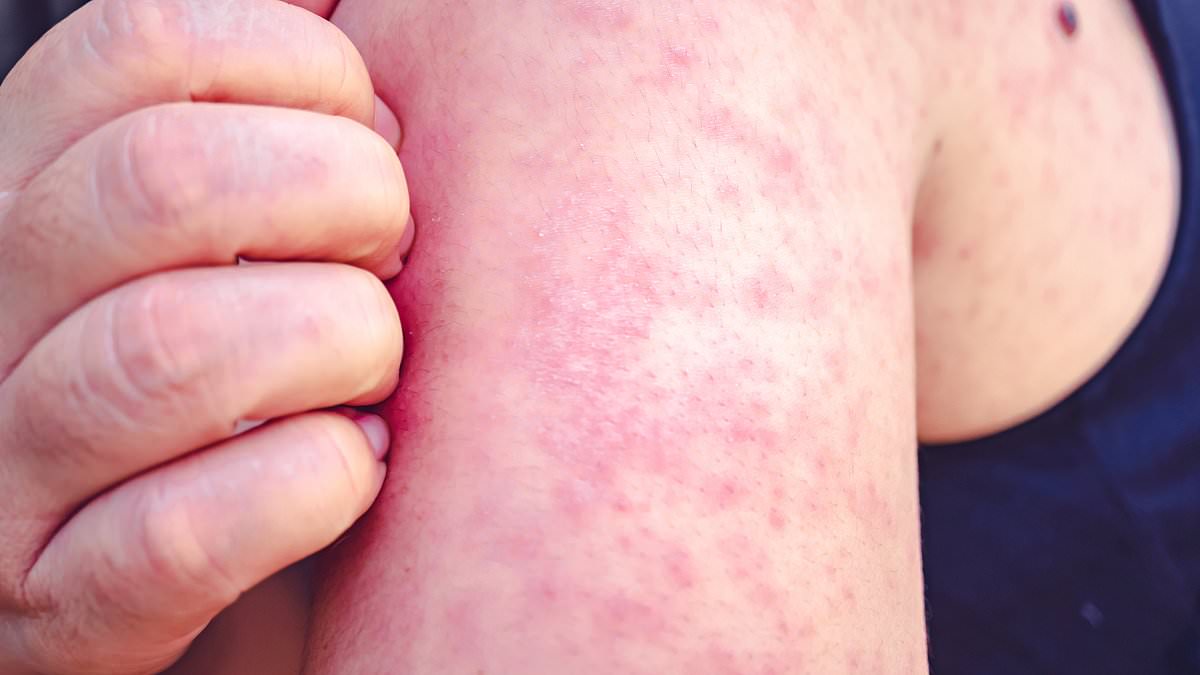
Chicago is facing a measles outbreak with 12 confirmed cases, 10 of which are linked to the city’s largest migrant centre, raising concerns about healthcare for migrants and stigmatization. The National Health Service is launching a campaign in response to 216 confirmed measles cases in parts of England. Measles is highly contagious, spreading through airborne particles and contaminated surfaces, with symptoms including cough, fever, and rash. Vaccination with two doses is crucial, and parents are advised to consult healthcare providers to check vaccination records.
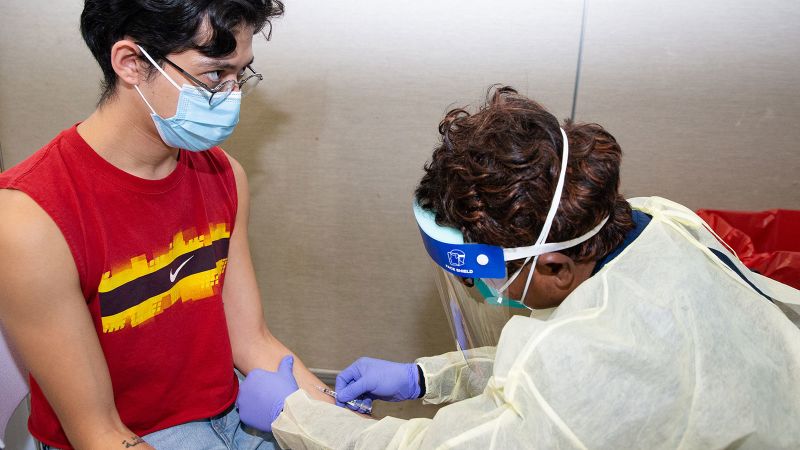
Seven cases of measles have been reported at a Chicago migrant shelter, prompting the administration of about 900 MMR vaccinations. State officials are relocating exposed families, particularly pregnant women and unvaccinated babies, to hotels. The CDC is assisting local health officials in managing the outbreak and providing vaccines, while also identifying and testing at-risk individuals. Cook County Health is notifying patients and staff about possible measles exposure, and symptoms typically appear 7 to 14 days after contact with the virus.
America is facing a potential measles outbreak, with cases in the first two months of 2024 nearly surpassing the total for 2023. Hundreds are feared infected in California and Arizona, with concerns over an outbreak at a migrant shelter in Chicago. Vaccination rates have dropped, leaving the US vulnerable, especially with the influx of migrants. Measles, a highly contagious virus, can lead to severe complications and even death. Health officials are urging vaccination and taking precautions to prevent a public health crisis.
A study found that a significant number of US 12th-graders, particularly in states without legal weed options, reported using delta-8 THC, a cannabis compound marketed as a legal alternative to weed. The study raises concerns about the accessibility and potential public health impact of delta-8, especially among teens, as it is easily available in various forms and lacks age restrictions in most states. Researchers also noted that delta-8 use was higher in the South and Midwest, with white teens being the most likely users. Public health officials and scientists have expressed worries about the unregulated proliferation of delta-8 and its potential negative effects on adolescent brain development, calling for more education and regulation.
Florida's response to a measles outbreak in Broward County has been criticized as outrageous and dangerous, with the state's surgeon general advising parents to defy health guidance and continue sending unvaccinated kids exposed to measles to school. Measles is a highly contagious and potentially devastating disease, and public health officials have historically taken necessary actions to curb outbreaks, such as urging vaccination and implementing isolation measures. However, Florida's approach has been to defer to parents' decisions, potentially leading to a worsening of the outbreak.
Measles cases have surged in Britain due to declining vaccination rates, exacerbated by the COVID-19 pandemic. The World Health Organization reported a 40-fold increase in measles cases across Europe, with 650 cases confirmed in Britain between October and February. Vaccine coverage has dropped, particularly in deprived communities, leading to outbreaks. Experts attribute the decline to a lack of resources, awareness, and cultural hesitancy. Efforts to improve vaccination rates include pop-up clinics and outreach programs, but there is still a need for a cohesive and coordinated plan to address the issue.
In response to a dengue fever outbreak in Rio de Janeiro, the city of Niteroi has seen success in combating the disease through a pilot program that involves breeding mosquitoes with Wolbachia bacteria, which interrupts the transmission of the dengue virus. This initiative, pioneered by the World Mosquito Program, has significantly reduced the number of dengue cases in Niteroi. Despite challenges such as navigating informal settlements and security concerns, the program has garnered interest from other municipalities in Brazil, prompting plans to build a large factory to breed Wolbachia-carrying mosquitoes.