Reddit's AI chatbot, Reddit Answers, suggested users try heroin and kratom for pain management, highlighting concerns over dangerous and inappropriate advice generated by AI trained on user data, with warnings about the risks associated with kratom and the potential harm of such suggestions.
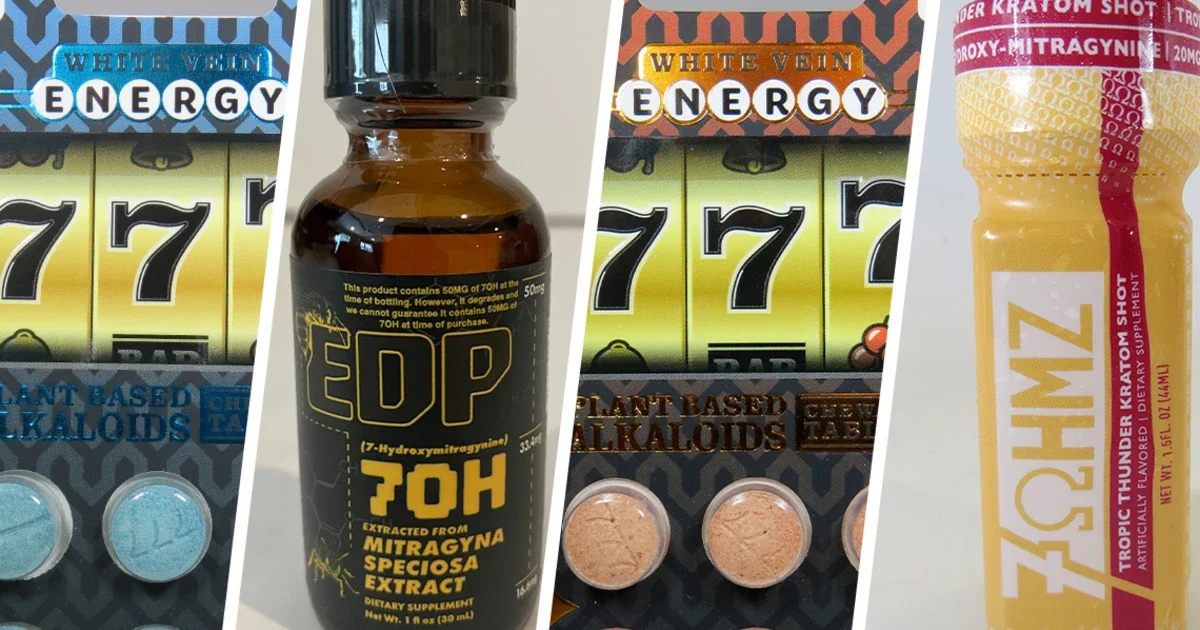
LA County health officials issued a warning after three fatal overdoses linked to a synthetic kratom compound called 7-Hydroxymitragynine, which is unregulated and marketed as a remedy for pain and anxiety. The deaths involved otherwise healthy individuals and were associated with the presence of alcohol. Authorities warn about the dangers of high doses and unregulated products containing 7-OH, which can have stimulant or opioid-like effects and pose a significant overdose risk.
A 31-year-old man in the Czech Republic experienced a psychotic episode after using cannabis and kratom, leading to extreme self-mutilation including amputation of his ears and penis. The case highlights potential risks of psychoactive substances, especially when combined, and underscores the importance of psychiatric treatment and abstinence for recovery.
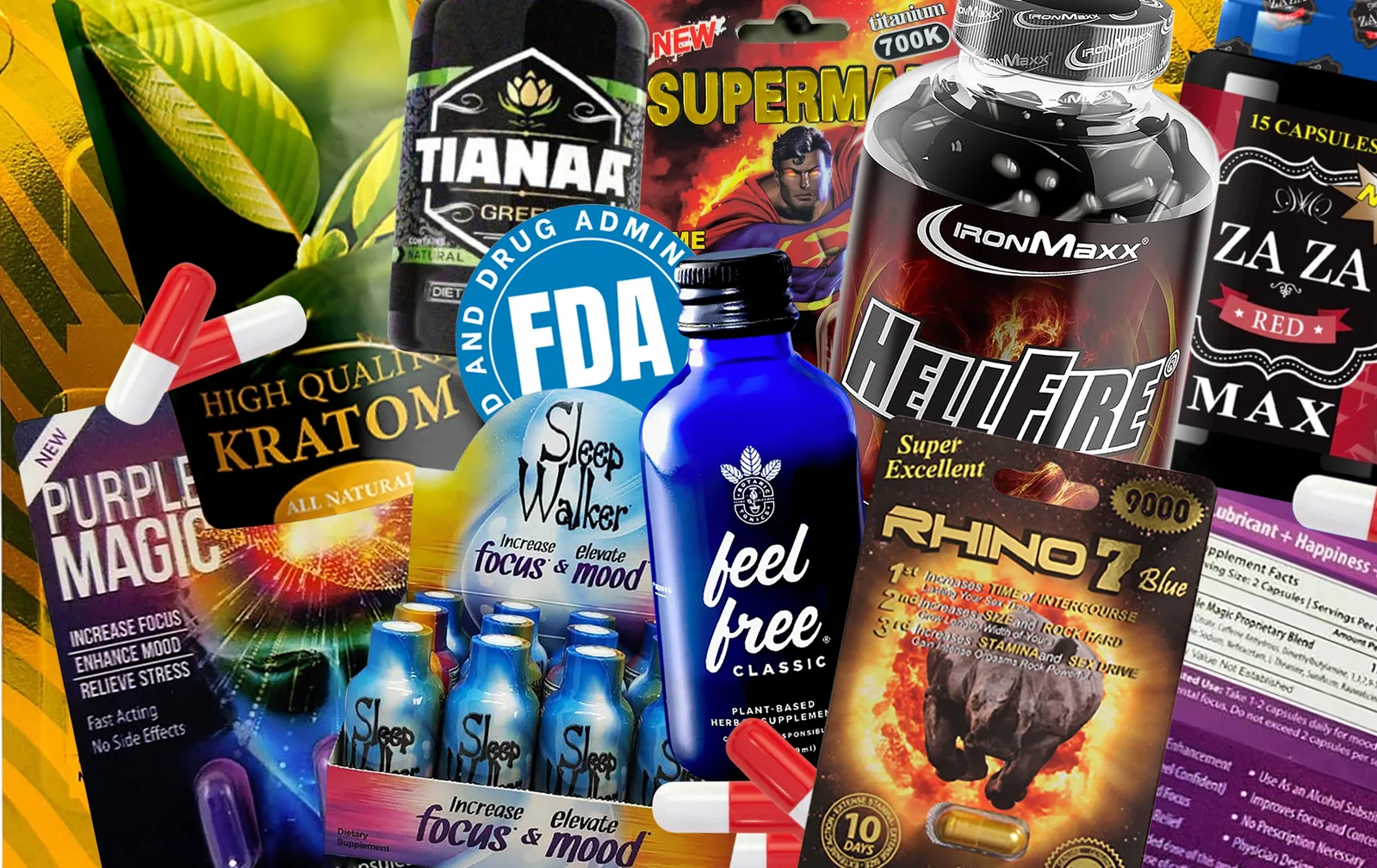
The article explores how decades of deregulation, influenced by political lobbying and industry interests, have allowed unregulated or barely regulated herbal supplements like kratom and kava to flood the market, leading to addiction and health crises. It highlights the loopholes in U.S. supplement laws, the influence of politicians like Orrin Hatch, and the ongoing challenges in regulating these substances, which have contributed to America's drug and addiction problems.
Florida has become the first state to ban the sale of 7-hydroxymitragynine (7-OH), a potent kratom byproduct that acts like an opioid, classifying it as a Schedule I controlled substance following FDA recommendations, aiming to curb its use and potential health risks.
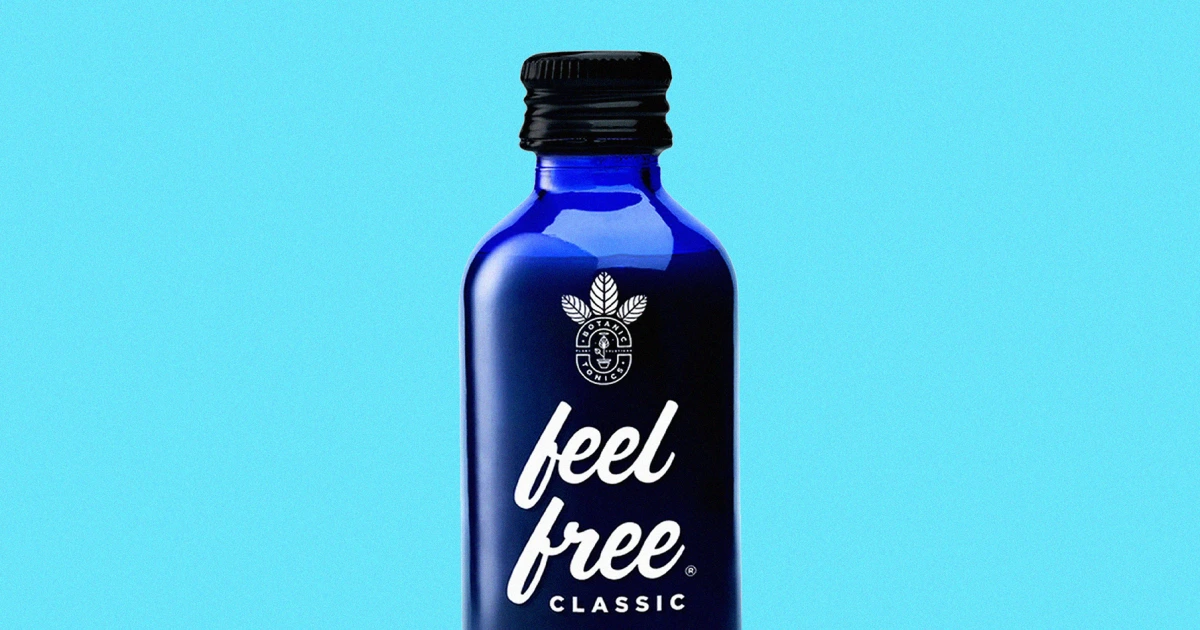
Warnings about the herbal tonic 'Feel Free,' containing kratom and marketed as a relaxation aid, have spread on TikTok due to reports of addiction and adverse effects, with some users sharing their struggles and health officials raising concerns about its safety and regulation.
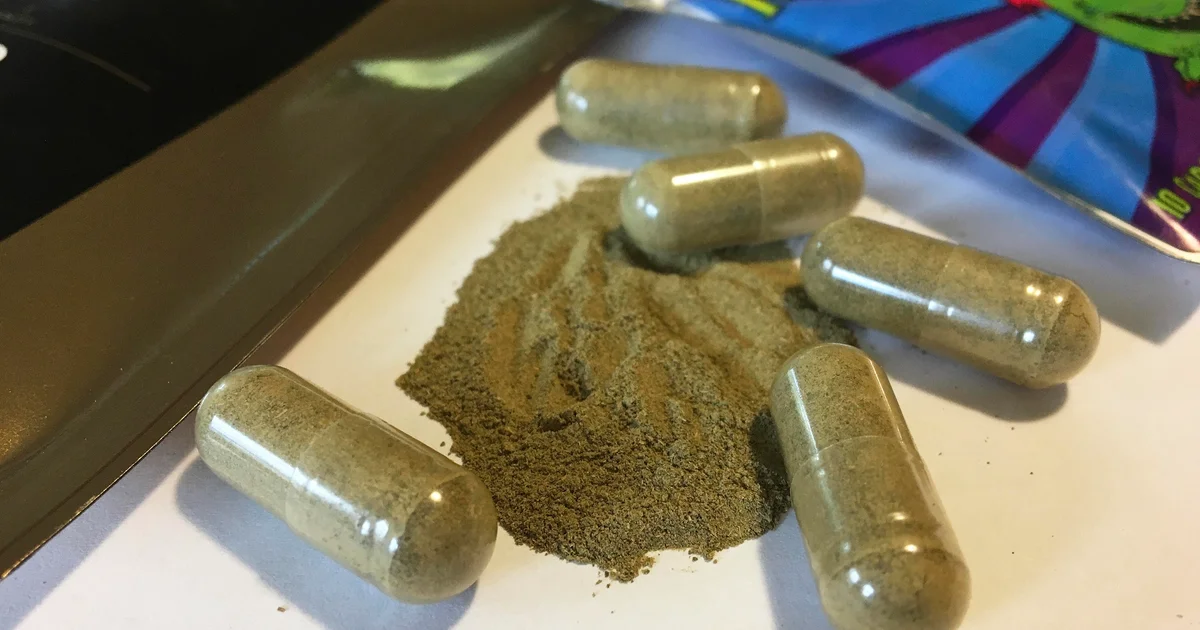
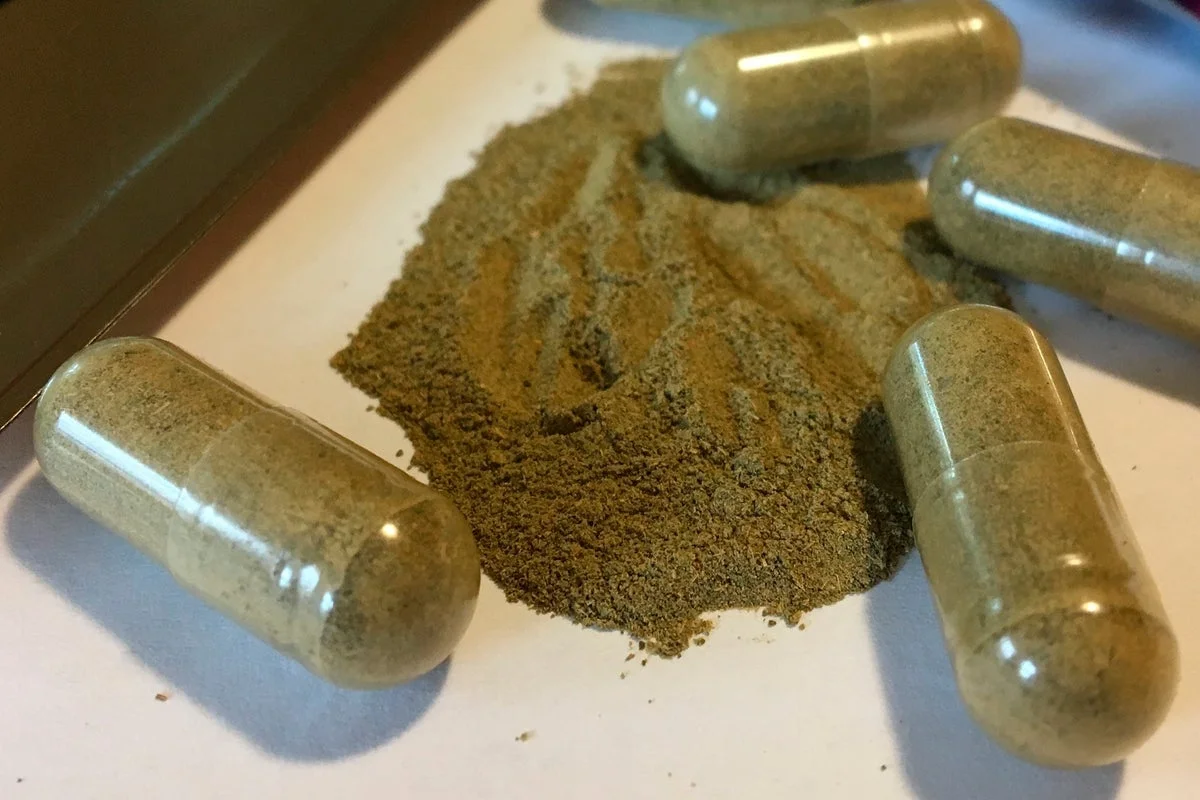
Kratom, a plant-based supplement popular for energy and pain relief, faces increasing scrutiny due to its potential for addiction, seizures, and death, with calls for stricter regulation amid reports of misuse and lawsuits.
A family in Washington warns about the dangers of kratom, an over-the-counter supplement, after their son died from its use. Kratom, marketed as natural and used for pain and anxiety, can be addictive and has been linked to fatalities, though deaths are rare. The FDA considers it a drug of concern, and authorities are pushing for stricter regulation due to its potential for addiction and the presence of more potent, dangerous derivatives like 7-hydroxymitragynine. Experts advise caution and public education on the risks of kratom.
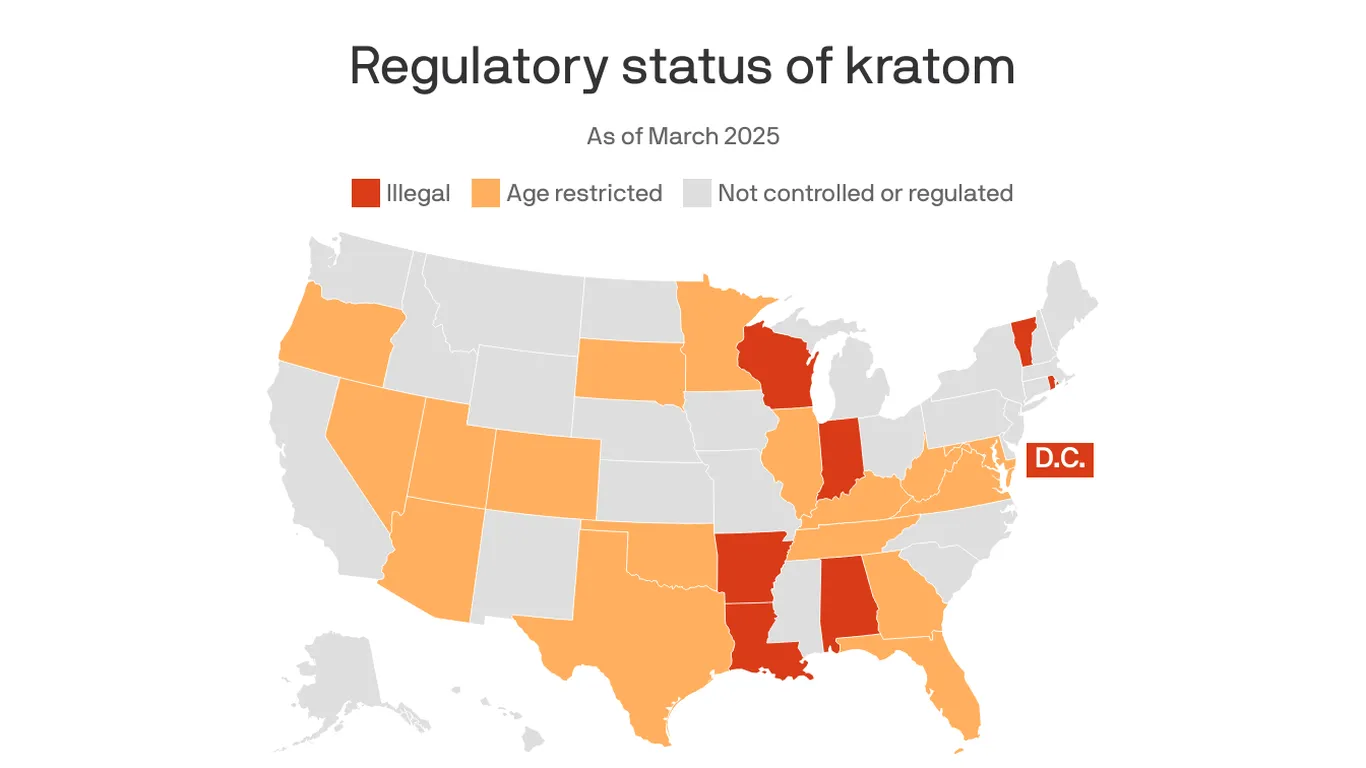
The FDA is targeting 7-hydroxymitragynine (7-OH), a potent, morphine-like compound found in kratom, which has gained popularity for its pain-relieving and mood-enhancing effects. While some advocate for its benefits, concerns about its high potency, potential for addiction, and unregulated production have led to calls for stricter regulation to ensure safety. Kratom's legal status varies across states, and the compound's effects are not fully understood, raising public health concerns.
The FDA has recommended classifying the synthetic compound 7-hydroxymitragynine (7-OH), found in unregulated products sold at gas stations and online, as a Schedule I illicit substance due to its potent opioid-like effects and associated health risks, prompting a review by the DEA.
The FDA is recommending scheduling 7-hydroxymitragynine (7-OH), a potent opioid byproduct of kratom, under the Controlled Substances Act to prevent abuse and protect public health, especially among youth, amid concerns over its increasing availability and potential for addiction.
The FDA is recommending regulatory action to control 7-hydroxymitragynine (7-OH), a potent opioid byproduct of the kratom plant, due to its abuse potential and presence in unregulated products, especially those appealing to youth. The agency emphasizes the risks and is working to prevent a new wave of opioid addiction by alerting healthcare professionals and consumers, and collaborating with the DEA for scheduling.
The FDA and health officials are planning to announce measures to crack down on synthetic products containing 7-OH, a potent opioid-like substance derived from kratom, which is increasingly found in various consumer products and raises safety concerns.
Kratom, an herbal product used to manage pain and anxiety, has been linked to at least 4,100 deaths in the US between 2020 and 2022. While the majority of cases involved other drugs, concerns persist over the potency and labeling of kratom products. Advocates argue for clearer regulation and labeling, while health officials express alarm over the potential health hazards. The FDA continues to warn against kratom use, and ongoing litigation and civil cases highlight the contentious debate surrounding the safety and regulation of kratom.
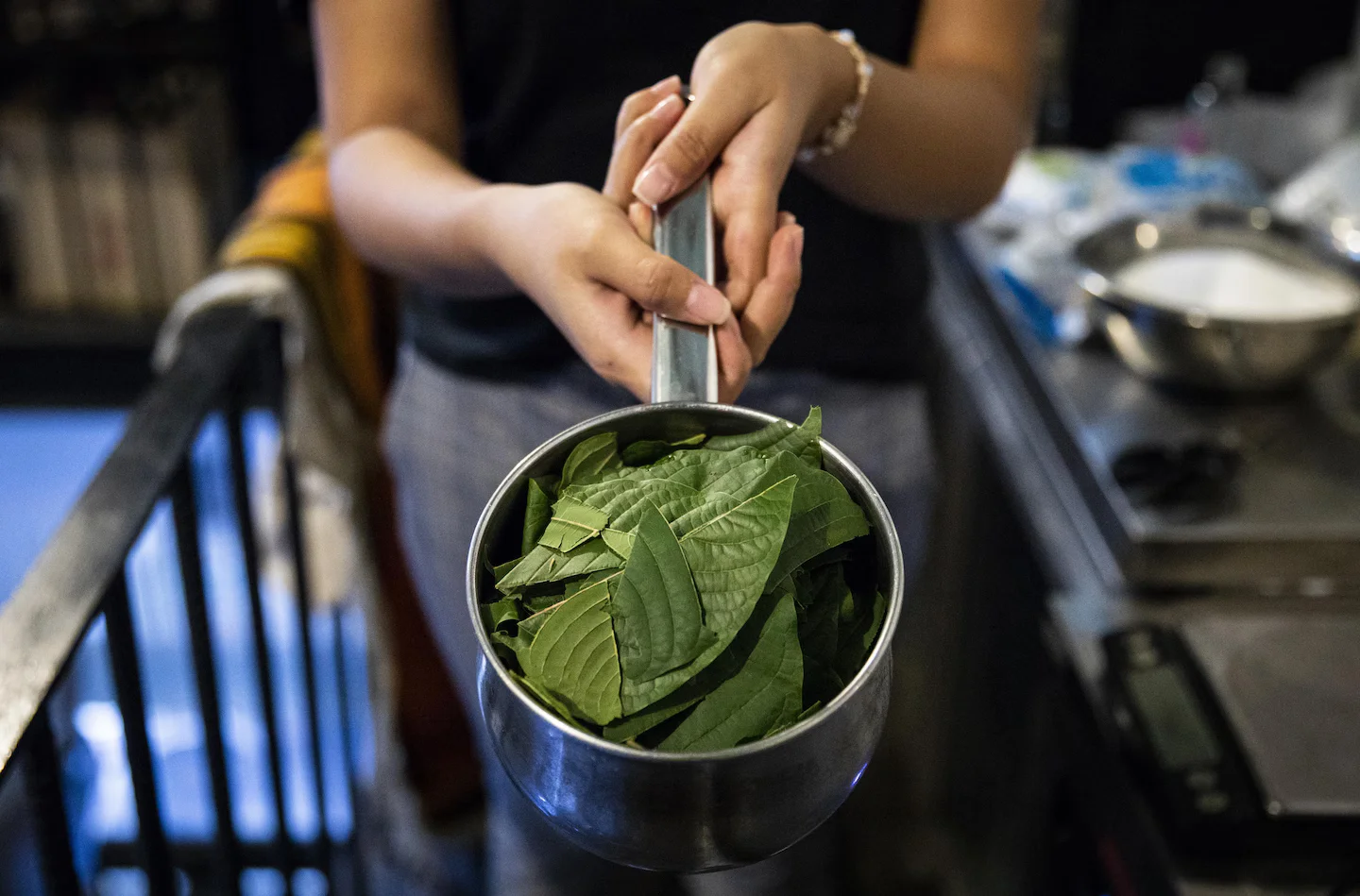
Kratom, an herbal supplement derived from the dried leaves of a tree in the coffee family, is facing lawsuits and increased scrutiny over its safety and regulation. Kratom is widely used in the U.S. and is known for its stimulant and pain-relieving effects, but it has also been linked to addiction, seizures, and even death. Last week, a jury awarded a $2.5 million verdict in the first kratom wrongful death trial in the U.S. Advocates are calling for increased government regulation to ensure proper labeling and guidance on safe usage.