Tag

Behavioral Health

All articles tagged with #behavioral health

San Diego County Announces New Leadership to Drive Transformation

Originally Published 13 days ago — by San Diego County News Center

Featured image for San Diego County Announces New Leadership to Drive Transformation
Source: San Diego County News Center

San Diego County is undergoing leadership changes across several departments, including appointments of Nadia Privara Brahms as Behavioral Health Services Director, Eric Shiotsugu as Chief Information Officer, and Shawn Brom as Registrar of Voters, with ongoing recruitment for other key roles to support the county's ongoing transformation and service improvements.


Inside the New Keystone Retreat Behavioral Health Center in Ephrata

Originally Published 22 days ago — by LancasterOnline

Featured image for Inside the New Keystone Retreat Behavioral Health Center in Ephrata
Source: LancasterOnline

Keystone Retreat Behavioral Health Center has reopened in Ephrata, transforming the former Retreat facility into a treatment center for substance abuse and co-occurring disorders, offering phased renovations, a 39-bed initial capacity, and plans to expand to 120 beds, with a focus on compassionate, individualized care.

SAMHSA Outlines Key Strategic Priorities

Originally Published 4 months ago — by SAMHSA (.gov)

Featured image for SAMHSA Outlines Key Strategic Priorities
Source: SAMHSA (.gov)

SAMHSA's strategic priorities focus on preventing substance misuse, expanding crisis intervention, improving access to evidence-based treatments, addressing emerging behavioral health threats, and promoting data-driven, innovative solutions to improve mental health and substance use outcomes across the U.S., with an emphasis on protecting children, enforcing laws, and reducing disparities.

SAMHSA Publishes Yearly Drug Use and Health Report

Originally Published 5 months ago — by SAMHSA (.gov)

Featured image for SAMHSA Publishes Yearly Drug Use and Health Report
Source: SAMHSA (.gov)

The 2024 National Survey on Drug Use and Health (NSDUH) reports stable mental health conditions among adults, declining suicide rates among adolescents, increased marijuana and hallucinogen use, and a rise in drug use disorder, highlighting ongoing challenges and progress in U.S. behavioral health. The survey also emphasizes treatment gaps and recovery perceptions.

Antipsychotics Linked to Behavioral Decline in Dementia Patients

Originally Published 1 year ago — by Neuroscience News

Featured image for Antipsychotics Linked to Behavioral Decline in Dementia Patients
Source: Neuroscience News

A study of 500,000 Canadian nursing home residents found that antipsychotic medications, often prescribed off-label for dementia-related symptoms, significantly worsened behaviors in nearly 68% of patients. Researchers advocate for non-drug therapies like music and exercise, and emphasize person-centered care to improve outcomes and reduce reliance on antipsychotics, which can have serious side effects. The findings suggest a need to reevaluate the use of these medications in non-psychotic conditions.

"Revolutionizing Healthcare: The Impact of Apple Vision Pro on App Development"

Originally Published 1 year ago — by Apple

Apple Vision Pro is unlocking new opportunities for health app developers, allowing for the creation of breakthrough health and wellness apps that take advantage of spatial experiences in clinical settings and at home. The technology is being used in areas such as surgical planning, medical imaging, behavioral health, and more, with apps like myMako, CyranoHealth, and Cinematic Reality offering immersive and transformative experiences for healthcare professionals and patients. The unique capabilities of visionOS are enabling developers to create apps that were not previously possible, revolutionizing the healthcare industry and improving patient outcomes.

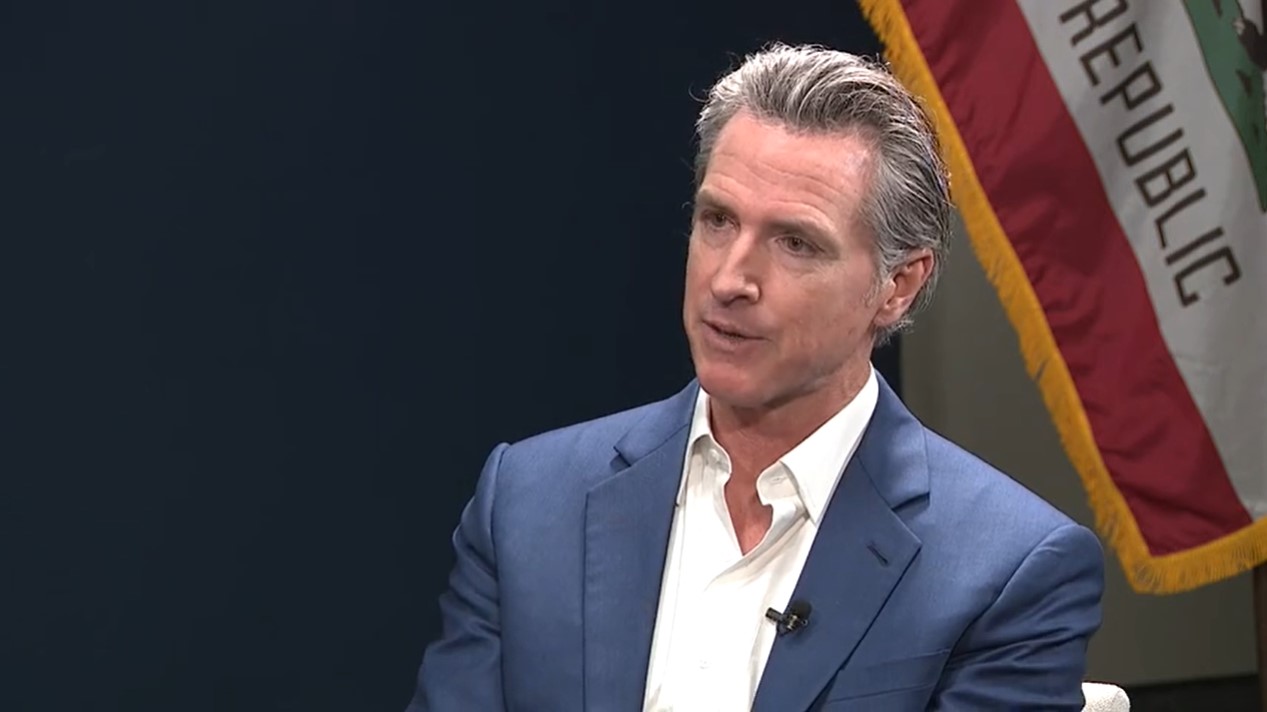
Newsom Expresses Frustration with Local Governments' Inaction on Homelessness and Behavioral Health Crises

Originally Published 2 years ago — by KTXL FOX 40 Sacramento

Featured image for Newsom Expresses Frustration with Local Governments' Inaction on Homelessness and Behavioral Health Crises
Source: KTXL FOX 40 Sacramento

California Governor Gavin Newsom expressed frustration with local governments for not taking sufficient action to address the crises of homelessness and behavioral health in the state. Newsom signed off on reforms that would allow counties to designate caretakers for individuals with serious mental illness or substance abuse disorders, but some counties claim they lack the resources to implement the law. Newsom emphasized the need for accountability and urgency, stating that people are dying on the streets and sidewalks. He called on local governments to deliver on their responsibilities and warned of consequences, including redirecting resources to counties and cities that are producing results. The California State Association of Counties responded by highlighting the efforts made by counties and the ongoing need for funding and infrastructure support.

Expanded Access to Mental Health Practitioners through Medicare Rule Changes

Originally Published 2 years ago — by The Washington Post

Featured image for Expanded Access to Mental Health Practitioners through Medicare Rule Changes
Source: The Washington Post

Medicare is expanding its coverage for mental health care by allowing marriage and family therapists and mental health counselors to provide services starting in January. This change aims to address the shortage of behavioral health providers who accept Medicare, as many practitioners have opted out due to low payments and bureaucratic challenges. The expansion also includes adding intensive outpatient care, improving navigation and peer-support services, and expanding mobile crisis services. Advocates hope these changes will improve access to mental health and substance use disorder care for older adults, who often face barriers to receiving treatment. However, challenges remain, such as ensuring adequate reimbursement rates for providers and guaranteeing access to mental health services through Medicare Advantage plans. Additionally, legislation proposing mental health parity for Medicare and addressing biases surrounding the mental health of older adults is being considered in Congress.

Kaiser's $200M Settlement Revolutionizes California's Behavioral Health Care

Originally Published 2 years ago — by KCRA Sacramento

Featured image for Kaiser's $200M Settlement Revolutionizes California's Behavioral Health Care
Source: KCRA Sacramento

Kaiser Permanente has reached a $200 million settlement with the California Department of Managed Health Care, including a $50 million fine, to address shortcomings in its behavioral health services. The settlement requires Kaiser to make significant improvements in oversight, access, network and referrals, and handling of grievances. The company will also spend $150 million over five years to enhance behavioral health programs beyond its legal obligations. The settlement comes after an investigation found that Kaiser canceled appointments and failed to meet timely access and clinical standards. California Governor Gavin Newsom called it a "tectonic shift" in accountability for delivering behavioral health services.

California's Landmark Mental Health Law Amended, Overhaul Plan Heading to Voters

Originally Published 2 years ago — by Los Angeles Times

Featured image for California's Landmark Mental Health Law Amended, Overhaul Plan Heading to Voters
Source: Los Angeles Times

California lawmakers have passed Senate Bill 43, a significant overhaul of the state's 1967 behavioral health law, aimed at addressing the mental illness crisis exacerbated by homelessness and drug abuse. The bill expands the criteria for the detention, treatment, and conservatorship of individuals with severe mental illness. It is one of three bills passed by the Legislature to transform the behavioral health landscape in California, with bipartisan support. Critics argue that the bill could undermine civil liberties, while supporters believe it provides counties with a necessary tool to combat the epidemic of mental illness. The bill now awaits Governor Gavin Newsom's signature.

"Virginia Lawmakers Seal Budget Deal for 2023"

Originally Published 2 years ago — by WRIC ABC 8News

Featured image for "Virginia Lawmakers Seal Budget Deal for 2023"
Source: WRIC ABC 8News

Virginia lawmakers have passed a budget bill that includes pay raises for teachers and state employees, funding for public schools and mental health programs, and one-time rebate checks for taxpayers. The bill now awaits approval from Republican Governor Glenn Youngkin, who praised the compromise. The budget deal also includes tax cuts, increased oversight of state prisons, and the revival of Virginia's "sales tax holiday."

U.S. Doctors Warn of Mental Health Crisis in Children Flooding ERs

Originally Published 2 years ago — by My Buckhannon

Featured image for U.S. Doctors Warn of Mental Health Crisis in Children Flooding ERs
Source: My Buckhannon

The West Virginia Department of Health and Human Resources (DHHR) is reminding residents of the mental and behavioral health support available for West Virginia children. The Children's Crisis and Referral Line connects families to services such as mobile crisis response teams and the Children with Serious Emotional Disorder Waiver. The DHHR has seen an increase in the number of mental health screenings and referrals, leading to a decrease in the number of children in residential treatment placements. These services are available to all West Virginia children, including those in foster care.

Maine woman with autism shares mental health hospitalization experience.

Originally Published 2 years ago — by WMTW Portland

Featured image for Maine woman with autism shares mental health hospitalization experience.
Source: WMTW Portland

Mercedes Gunn, a woman with autism, recounts her difficult experience in the emergency department of Maine Medical Center. Gunn claims that sensory sensitivity combined with safety rules inside the emergency department made her stay especially difficult. Christopher Racine, Maine Medical Center’s director of emergency psychiatry, says issues related to length of stay for behavioral health patients is, in part, linked to a lack of funding for outpatient services. Maine Medical Center opened a new space called the emergency room annex, which is a separate, less chaotic area for patients with specialized behavioral health needs. Gunn is pleased changes are being made and eager to advocate for more informed care for neurodiverse people.

Apple's AI-powered health apps raise concerns over mental health data privacy.

Originally Published 2 years ago — by The Verge

Featured image for Apple's AI-powered health apps raise concerns over mental health data privacy.
Source: The Verge

Apple's new coaching service, Quartz, is designed to keep users motivated to exercise, improve eating habits, and help them sleep better using AI and data from an Apple Watch to make suggestions and create coaching programs tailored to specific users. However, the default settings of the Apple Watch are highly judgmental and can create destructive patterns. The focus on streaks can create compulsive behavior, and the subscription services are unlikely to be any better. Apple's ham-handed approach to physical health has been bad enough, and the idea it is now going to approach mental health does not fill the author with confidence.

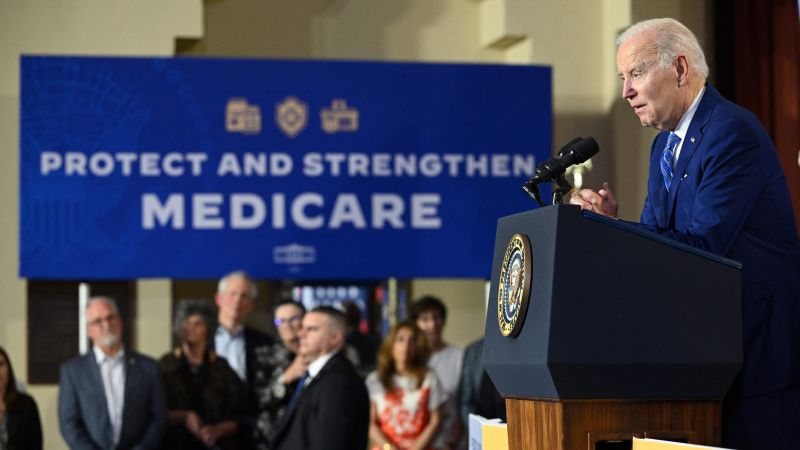
Regulators tighten rules for Medicare Advantage plans.

Originally Published 2 years ago — by CNN

Featured image for Regulators tighten rules for Medicare Advantage plans.
Source: CNN

The US Department of Health and Human Services has issued a final rule that expands access to behavioral health care and cracks down on "misleading" advertisements by Medicare Advantage plans. The rule prohibits advertisements that do not mention a specific plan name and use Medicare logos or language in a way that could mislead and confuse enrollees into believing that the ads come from the government. The rule also clarifies criteria guidelines to help ensure that people with Medicare Advantage receive access to the same "medically necessary" care they would receive with traditional Medicare and expands the list of populations to which Medicare Advantage organizations must provide "culturally competent" services.