Tag

Male Infertility

All articles tagged with #male infertility

health1 month ago

Experts Warn Missed Diagnosis of Male Infertility Causes Unnecessary IVF

Experts highlight that male infertility is under-researched and often left untreated in the UK, leading to unnecessary IVF procedures. Many causes, such as varicocele, are treatable, but lack of awareness, limited testing, and insufficient specialist availability hinder diagnosis and treatment. The recent men's health strategy omits specific focus on infertility, despite calls for more research, education, and comprehensive testing to improve outcomes and reduce mental health impacts.

health6 months ago

Key Lifestyle Changes to Improve Male Fertility and Reduce Stigma

New research highlights that lifestyle factors such as marijuana use, alcohol, smoking, being overweight, and high stress levels can negatively impact male fertility, which accounts for about one-third of infertility cases. Experts recommend healthy eating, exercise, stress management, and reducing substance use to improve reproductive health, and advise consulting a doctor for personalized guidance.

healthscience1 year ago

"Lab-Grown Testicles: A Breakthrough for Male Infertility Treatment"

Scientists in Israel have successfully created lab-grown testicles, or testicular organoids, which mimic the natural characteristics of human testes. This breakthrough could lead to advancements in male infertility research and potential therapeutic applications for disorders of sexual development. The organoids, created from mouse testicular tissue, provide a deeper understanding of testis function and could pave the way for the production of sperm in the laboratory, offering hope for children affected by cancer treatments that lead to infertility. This achievement follows the development of other organoids in recent years, marking a significant shift from traditional 2D cell cultures in medical research.

health1 year ago

"Lab-Grown Testicles Offer Hope for Male Infertility"

Researchers at Bar-Ilan University have developed artificial testicles from real mice testis in a step toward treating male infertility, with hopes of eventually helping men struggling to have children. The tiny laboratory "organoids" are seen as a promising model for basic research on testicle development and function, potentially leading to therapeutic applications for disorders of sexual development and infertility. This research could aid in understanding the mechanisms involved in sex determination and treating male infertility, which affects one in 12 men worldwide.

science1 year ago

"Lab-Grown Testicles Offer Hope for Male Infertility"

Scientists at Bar-Ilan University have successfully grown artificial testes from mice cells in a lab, offering potential for treating male infertility in the future. This breakthrough, while not the first of its kind, could provide significant advancements in addressing male fertility issues, which affect a substantial percentage of men globally. Although the lab-grown testicles have not yet produced sperm, this achievement represents a significant step forward in the field of stem cell research and could lead to further developments in in vitro reproduction.

science-and-technology1 year ago

"Lab-Grown Testicles Offer Hope for Male Infertility"

Researchers at Bar-Ilan University have successfully created the world's first test-tube testes from newborn mouse testicle cells, resembling real testicles and showing early signs of sperm production. This breakthrough could advance research in fetal sex determination, male infertility solutions, and disorders of sex development. The artificial testes offer a promising model for studying testicle development and function, potentially leading to therapeutic applications for infertility and disorders of sex development. Additionally, they could provide hope for children undergoing cancer treatment by preserving fertility through in vitro cultivated sperm-producing testes.

science-and-health1 year ago

"Lab-Grown Testicles Provide Breakthrough for Male Infertility"

Researchers at Israel’s Bar-Ilan University have successfully grown laboratory testicles from mouse cells, offering hope for treating male infertility. The artificial organs resemble the structure and function of natural testicles and could be used to study the causes of male infertility. The team aims to develop human-like testicles from stem cells to aid in treating developmental sex disorders and infertility. The technology could also potentially help boys with cancer produce functional sperm and improve the livestock industry by controlling the sex of farm animals.

science-and-technology1 year ago

"Lab-Grown Testicles Offer Hope for Infertile Couples"

Scientists have successfully created tiny artificial testicles in a lab using immature testicular cells from newborn mice, offering potential solutions for male infertility and a deeper understanding of testicular development and function. These organoids, resembling natural testicular structures, show signs of early sperm cell production and could potentially be used to address male infertility caused by cancer treatments. The study, published in the International Journal of Biological Sciences, opens the door to therapeutic applications for disorders of sexual development and infertility, with hopes of future development of similar organoids from human samples.

health2 years ago

"The Impact of Semen Microbiome on Male Fertility"

New research has discovered that semen has its own microbiome, which may impact fertility. The bacterial makeup of the semen microbiome has been linked to the health and mobility of sperm, with an imbalance potentially affecting fertility. Specifically, the presence of Lactobacillus iners was found to be higher in men with abnormal sperm motility, potentially impacting male fertility. Further research is needed to fully understand the impact of the semen microbiome on fertility and to explore its potential for fertility treatments and other health issues.

health2 years ago

The Impact of Semen Microbiome on Male Fertility

A study by UCLA's Department of Urology reveals the potential impact of the semen microbiome on male fertility, with findings suggesting that the microbe Lactobacillus iners may hinder sperm motility. This pioneering research sheds light on the previously overlooked role of the semen microbiome in male infertility, offering valuable insights for future investigations and potential targeted treatments. Male infertility, affecting around 15% of couples globally, can stem from various factors including low sperm count, lifestyle choices, and the health of the semen microbiome, highlighting the importance of understanding and addressing this complex issue.

health2 years ago

Cellphone Use and Male Infertility: Startling Study Findings

A new study published in the journal Fertility and Sterility has found that men who regularly use their cell phones have over a 20% lower concentration of sperm compared to those who do not. The study, which collected data and semen samples from 2,886 men, suggests a potential link between cell phone use and decreased semen quality. However, the study also notes that the relationship between cell phone use and sperm characteristics has decreased over time with the transition to newer, more efficient generations of mobile networks. Further research is needed to better understand the connection between cell phone use and male fertility.

health2 years ago

Unveiling the Mystery: The Root Cause of Male Infertility Revealed

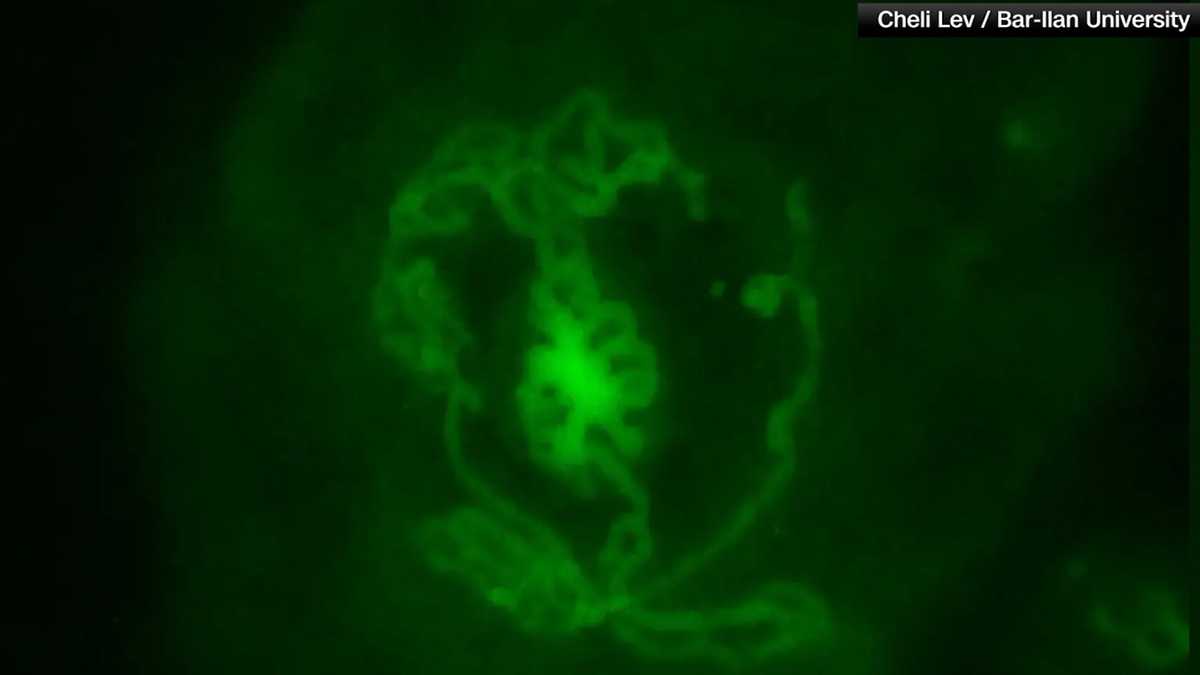
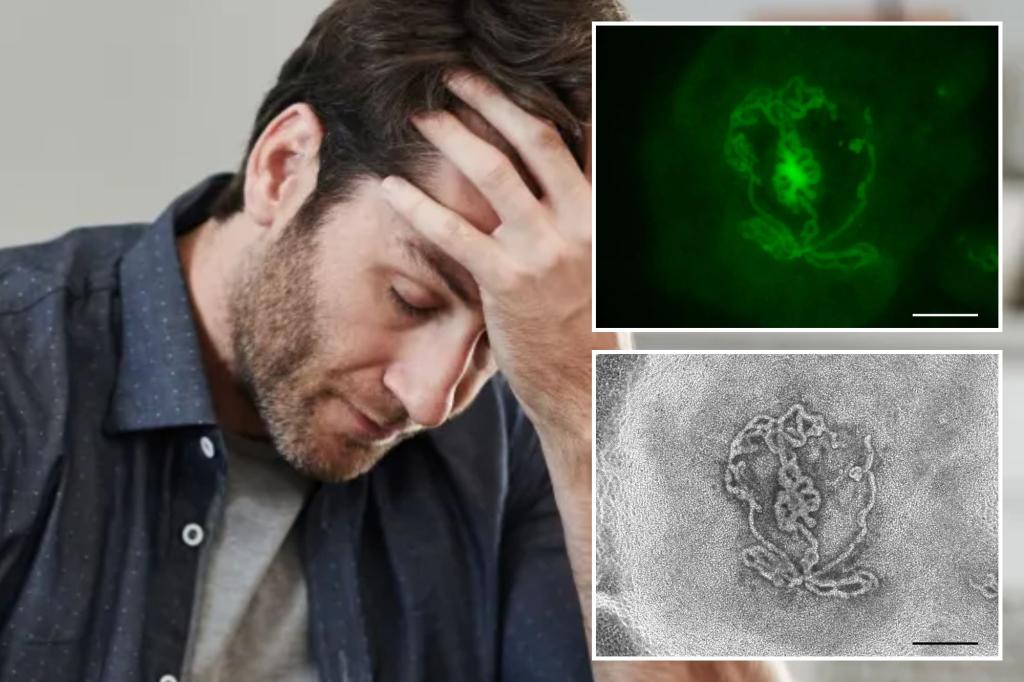
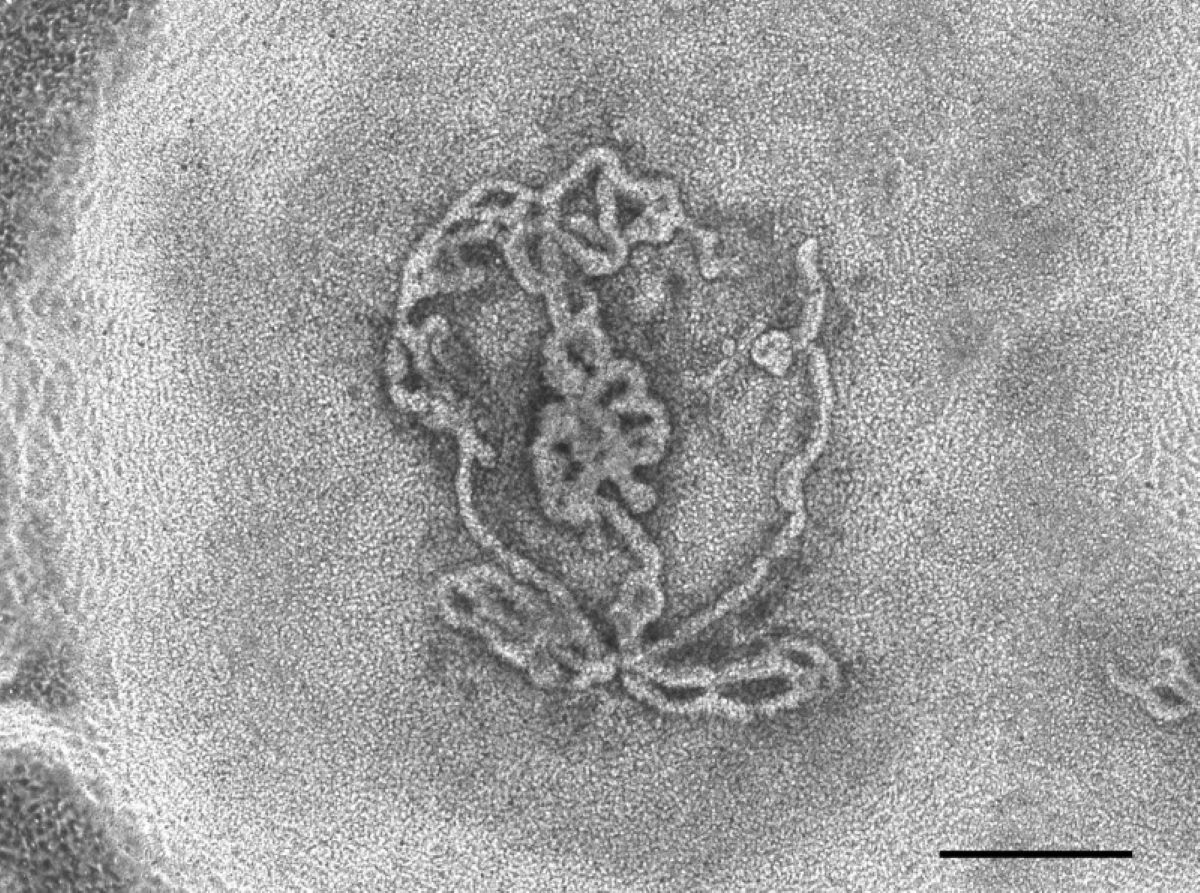
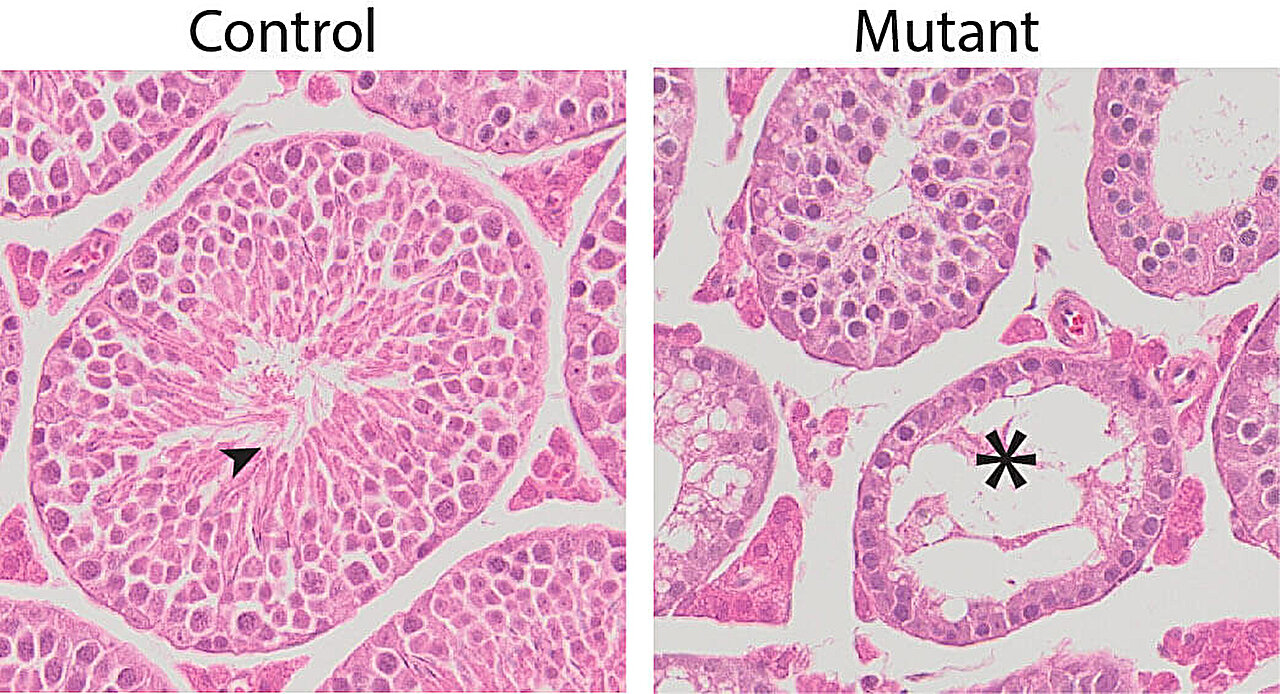
Scientists from the Stowers Institute for Medical Research and the Wellcome Center for Cell Biology have identified a potential underlying cause of male infertility. The researchers discovered that a specific mutation in a protein involved in the formation of the synaptonemal complex, a critical structure in the process of sperm and egg cell production, led to infertility in mice. This finding may shed light on similar problems with meiosis in humans and could pave the way for potential treatments.

health2 years ago

Revolutionary Diagnostic Tool Identifies Viable Sperm, Transforming Infertility Treatment

Researchers have developed a diagnostic test to identify functional sperm in infertile men, particularly those with nonobstructive azoospermia (NOA), potentially revolutionizing treatments in male infertility and assisted reproductive technology. The study identifies two proteins, AKAP4 and ASPX, in intact sperm, and suggests the work could even lead to non-hormonal male contraceptives in the future.