A 62-year-old woman from Maine, Christine Babb, joins the trend of microdosing GLP-1 drugs for longevity and health optimization, despite initial adverse effects from the medication.
Microdosing Accutane, a treatment for severe acne, is being explored as a way to reduce its often severe side effects, but its effectiveness remains uncertain.
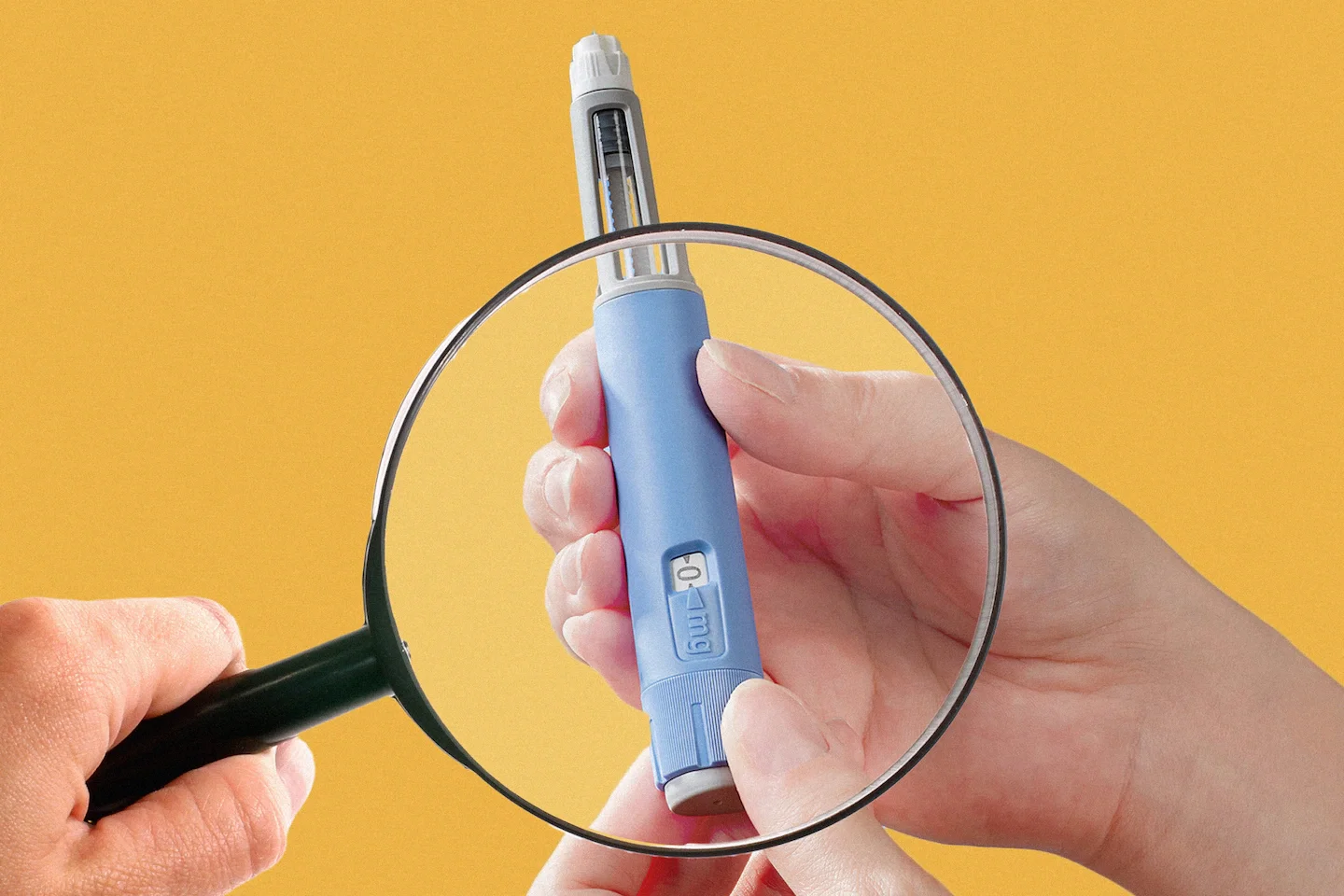
As the popularity of weight-loss drugs like Ozempic and Wegovy rises, more patients are microdosing these medications, taking lower doses to minimize side effects and reduce costs. This trend, driven by influencers and anecdotal success stories, lacks formal medical guidance and research. While some users report effective weight management with fewer side effects, the long-term implications of microdosing remain uncertain, prompting both intrigue and concern among healthcare professionals.
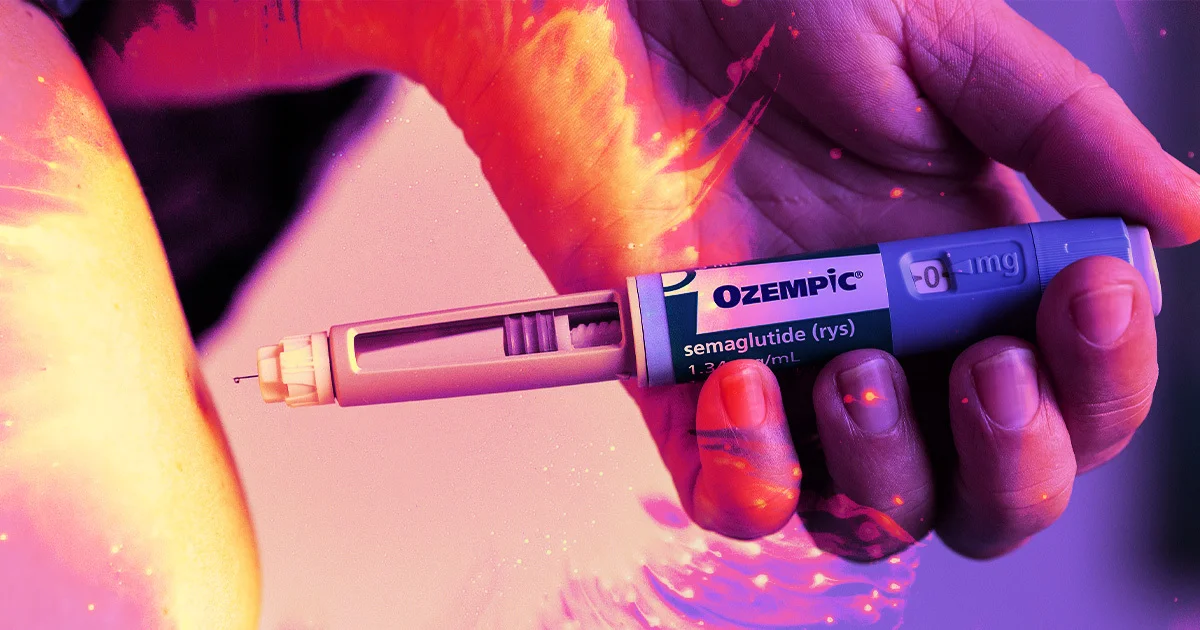
The practice of 'microdosing' Ozempic, a diabetes medication, is gaining popularity as a weight loss strategy. Originally intended for managing blood sugar levels in type 2 diabetes patients, Ozempic's active ingredient, semaglutide, has been found to aid in weight reduction. This off-label use raises concerns about potential side effects and the ethical implications of using a medication for non-prescribed purposes.
The resurgence of psychedelics has led to a growing interest in microdosing, with individuals seeking cognitive and psychological benefits. While scientific evidence on microdosing is still emerging, anecdotal reports suggest positive effects. However, the practice raises concerns about potential health risks and legal implications. A sensible microdosing program involves a thorough physical and mental health assessment, careful substance selection, determining appropriate dosage, and legal procurement. Despite the growing popularity of microdosing, its effects and risks remain a subject of ongoing research and debate.
Professionals, including executives and working women, are increasingly using substances like LSD, psilocybin, and ketamine as mechanisms to improve their work performance. The psychedelics market is expected to reach $11 billion by 2027. While microdosing is popular among some, the scientific evidence on its effectiveness is still inconclusive. Some corporate elites are attending luxury psychedelic retreats to improve their leadership skills, but the use of psychedelics in the workplace raises concerns about safety, legal risks, and social pressures. Despite the potential risks and benefits, the trend of using drugs as a work-enhancement tool seems to be gaining traction in the corporate world.
A study found that even small doses of LSD, specifically 26 micrograms, increased brain complexity by about 12 percent without altering consciousness, suggesting potential therapeutic benefits for mental health and task performance. The research indicates that microdoses of LSD affect the brain similarly to higher doses, potentially explaining reports of increased creativity and social connection. However, clinical trials have not yet proven overall benefits of microdosing LSD, and further research is needed to assess whether the observed increase in brain complexity results in cognitive, behavioral, or therapeutic outcomes.
Fitness microdosing, or incorporating brief, targeted movement breaks throughout the day, is gaining popularity as a way for busy individuals to stay active. Research suggests that accumulating exercise in small bursts can elicit important health benefits, such as improved cardiorespiratory fitness and lower blood pressure. This approach may also combat sedentary behaviors and contribute to better exercise adherence. To start fitness microdosing, individuals are encouraged to identify parts of their schedule for intentional movement and engage in activities like brisk walks, stretch breaks, or short cardio bursts. Keeping track of these activities can help with continued progress and motivation.
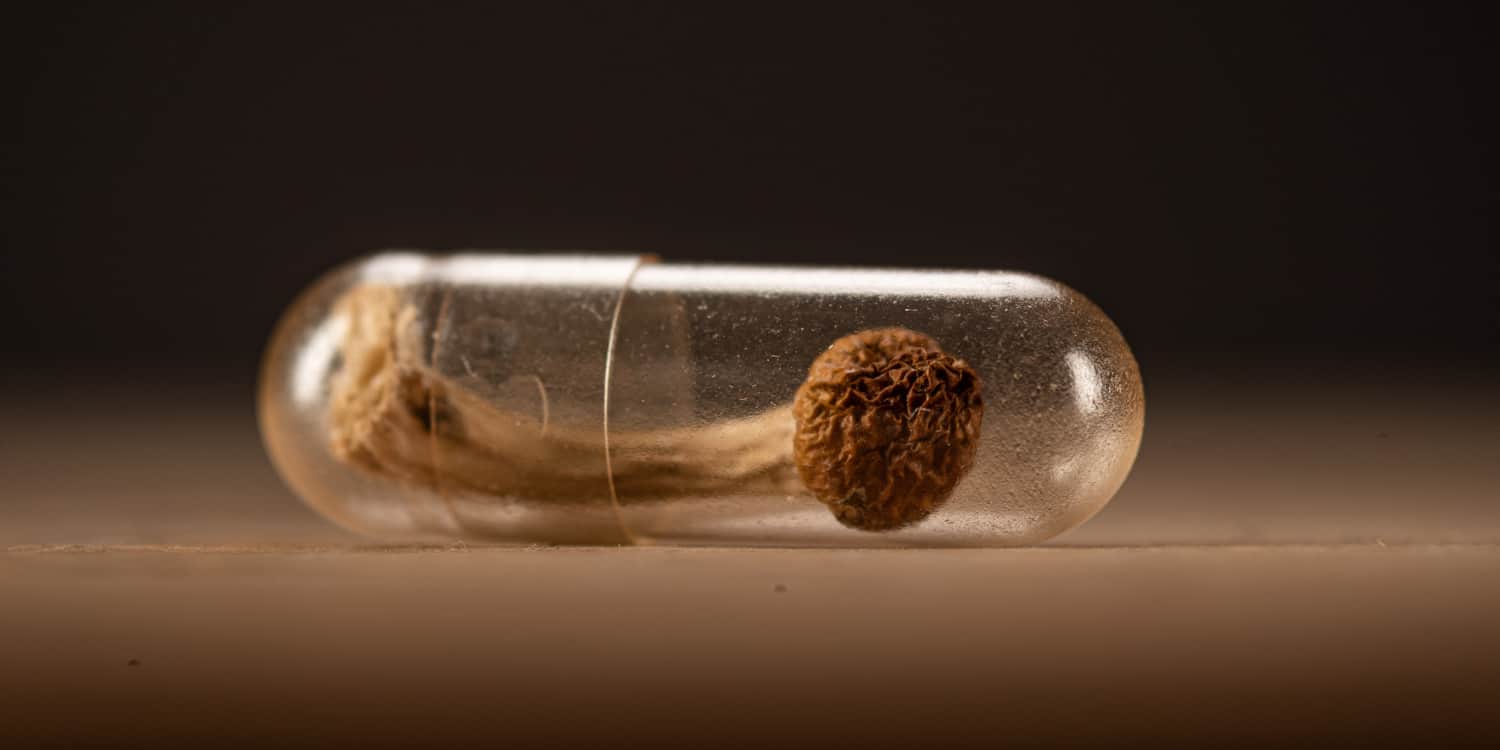
A study from the University of Southern Denmark suggests that microdosing psilocybin, the active component in psychedelic mushrooms, may reduce stress-induced anhedonia and compulsive behaviors in rats without inducing significant anxiety or schizophrenic-like symptoms. The study found that rats receiving microdoses maintained a steady preference for sucrose, indicating that they did not lose the ability to feel pleasure, a common symptom in certain mental health disorders like depression. However, the study was conducted on rats, and further research is needed to understand the potential therapeutic benefits and long-term effects of psilocybin microdosing in humans.
A study from the University of Chicago suggests that low doses of LSD may have potential antidepressant effects in individuals with mild to moderate depressive symptoms. The study involved 39 healthy volunteers and found that participants with higher depression scores experienced significant increases in positive mood measures following LSD consumption, and reported a notable decrease in depression scores 48 hours after the LSD session. However, the study is limited by its small sample size and the need for further research to replicate and extend the findings to other samples.
Preliminary research published in Frontiers in Psychiatry suggests that adults with ADHD or severe ADHD symptoms who practiced microdosing with psychedelics reported increased levels of mindfulness after four weeks. The study found improvements in facets such as observation, description, acting with awareness, non-judging of inner experience, and non-reactivity to inner experiences. Neuroticism, a personality trait associated with emotional instability, also decreased after four weeks of microdosing. However, controlled studies are needed to validate these findings and determine the long-term effects of microdosing on mindfulness and personality traits in individuals with ADHD.
A study conducted by researchers at the University of Southern Denmark explores the therapeutic potential of psilocybin microdosing, specifically focusing on the effects of repeated low doses of psilocybin on stress resilience and compulsive behaviors in rats. The study found that rats tolerated the microdoses well and exhibited increased resilience to stress, as well as a reduction in compulsive behaviors. Additionally, there was an increase in connectivity to the thalamus, a brain region involved in decision-making and concern filtration. These findings support the growing anecdotal reports of the positive effects of microdosing and pave the way for further research into the potential therapeutic applications of psilocybin.
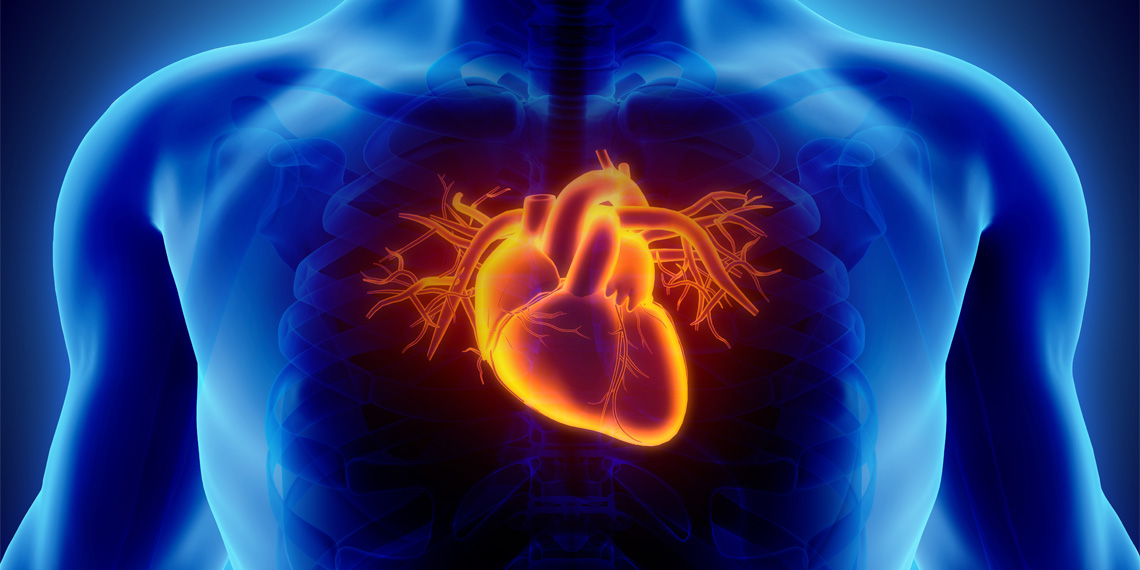
A scientific review published in the Journal of Psychopharmacology has raised concerns about the potential link between chronic microdosing of psychedelics and valvular heart disease (VHD). The review examined commonly used psychedelics, including LSD, psilocin, mescaline, DMT, and MDMA, and their interaction with the 5-HT2B receptor, which has been associated with the development of VHD. While there is a lack of concrete scientific evidence to confirm or refute the existence of a direct link, the researchers concluded that VHD is a potential risk with chronic psychedelic microdosing and further studies are necessary to better define this risk.