Tag

Emergency Department

All articles tagged with #emergency department

Psychedelics Linked to Increased Schizophrenia Risk

Originally Published 1 year ago — by Neuroscience News

Featured image for Psychedelics Linked to Increased Schizophrenia Risk
Source: Neuroscience News

A study from Ontario, Canada, reveals that individuals with hallucinogen-related emergency department visits have a 21-fold increased risk of developing schizophrenia compared to the general population, even after adjusting for other mental health disorders and substance use. The study, published in JAMA Psychiatry, highlights an 86% rise in such ED visits from 2013 to 2021, reflecting the growing popularity of psychedelics. While the findings do not establish causation, they emphasize the potential risks of hallucinogen use, particularly for those predisposed to psychosis, and call for cautious use outside controlled therapeutic settings.

"Link Between Heavy Cannabis Use and Increased Risk of Anxiety Disorders"

Originally Published 1 year ago — by Neuroscience News

Featured image for "Link Between Heavy Cannabis Use and Increased Risk of Anxiety Disorders"
Source: Neuroscience News

A study of over 12 million Ontarians found a significant link between emergency department visits for cannabis use and the development of new anxiety disorders, with individuals showing a nearly fourfold increase in risk compared to the general population. The research suggests that cannabis use may exacerbate existing anxiety symptoms and highlights the need for caution in its medicinal or recreational use, challenging the perception of cannabis as a benign substance. The study underscores the complexities of cannabis use and its impact on mental health, advocating against its use as a treatment for anxiety symptoms.

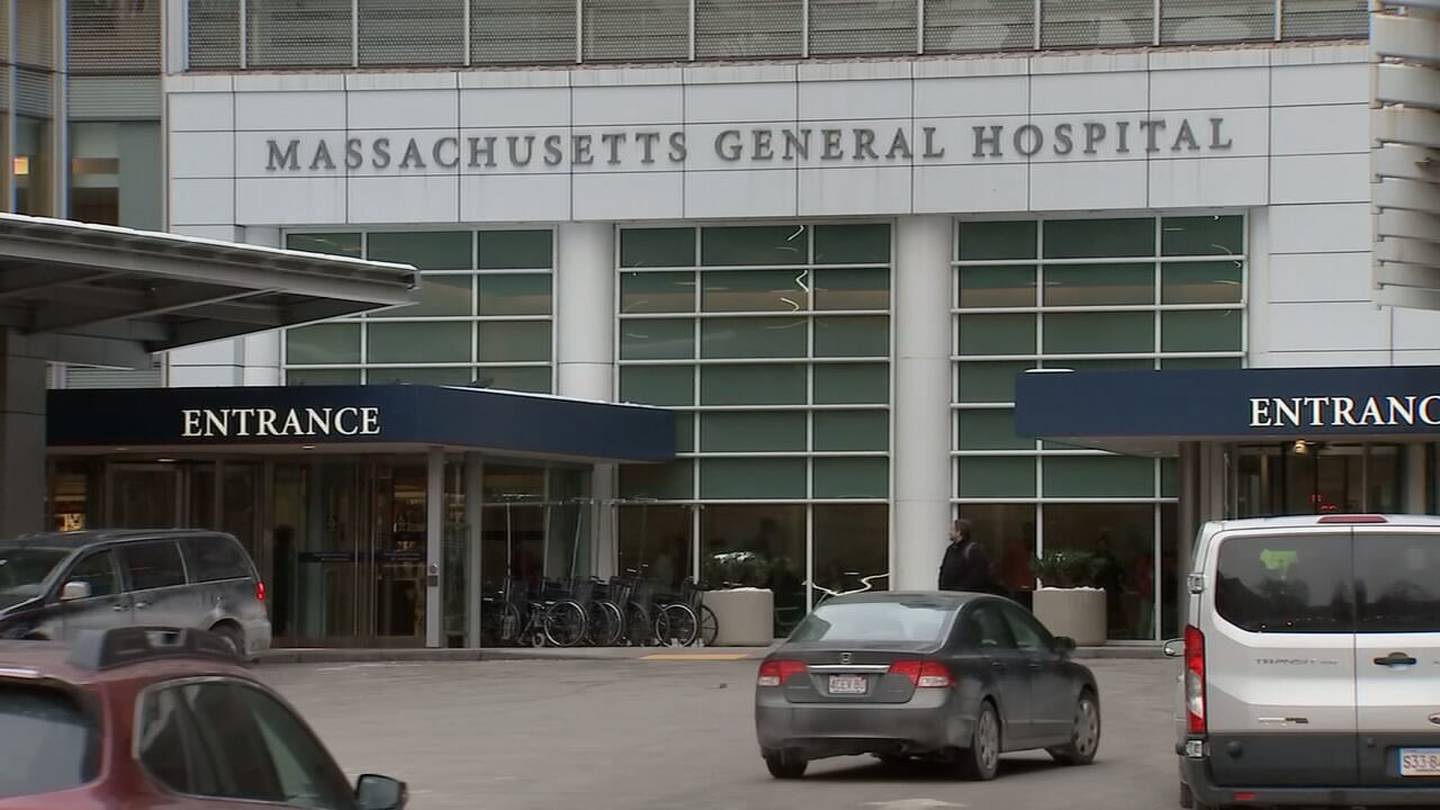
Mass General Hospital Seeks More Beds Amid Unprecedented Capacity Crisis

Originally Published 2 years ago — by Boston 25 News

Featured image for Mass General Hospital Seeks More Beds Amid Unprecedented Capacity Crisis
Source: Boston 25 News

Massachusetts General Hospital in Boston is facing a "capacity disaster" and urgently needs more beds to combat the ongoing crisis, with the emergency department operating in Code Help or Capacity Disaster status for the past 16 months. The hospital president described the situation as a "full-blown crisis" for patients and staff, with patients spending hours waiting for inpatient beds and contributing to clinician burnout. Efforts to address the crisis include increasing inpatient beds, facilitating earlier discharges, and providing home hospital services. The Massachusetts Department of Public Health issued a memo urging expedited discharge planning to mitigate pressure on the hospital's staff, and MGH has launched a new website to provide information about its response to the crisis.

"Over Capacity: Strong Memorial Hospital's Emergency Department Struggles"

Originally Published 2 years ago — by 13WHAM-TV

Featured image for "Over Capacity: Strong Memorial Hospital's Emergency Department Struggles"
Source: 13WHAM-TV

Strong Memorial Hospital in Rochester, N.Y. is currently over capacity with nearly 1,100 patients, 200 more than its licensed bed capacity, due to a shortage of nursing home beds. The hospital is working with government officials and nursing home partners to find solutions to the staffing crisis. Hospital leaders are urging the community to take proper precautions to prevent an increase in cases of flu, COVID, and RSV, and are encouraging non-critically ill individuals to use their Get Care Now website for on-demand video visits to alleviate the strain on the emergency department.

Improving Pediatric ER Safety: A Hospital's Success Story | Mint

Originally Published 2 years ago — by Mint

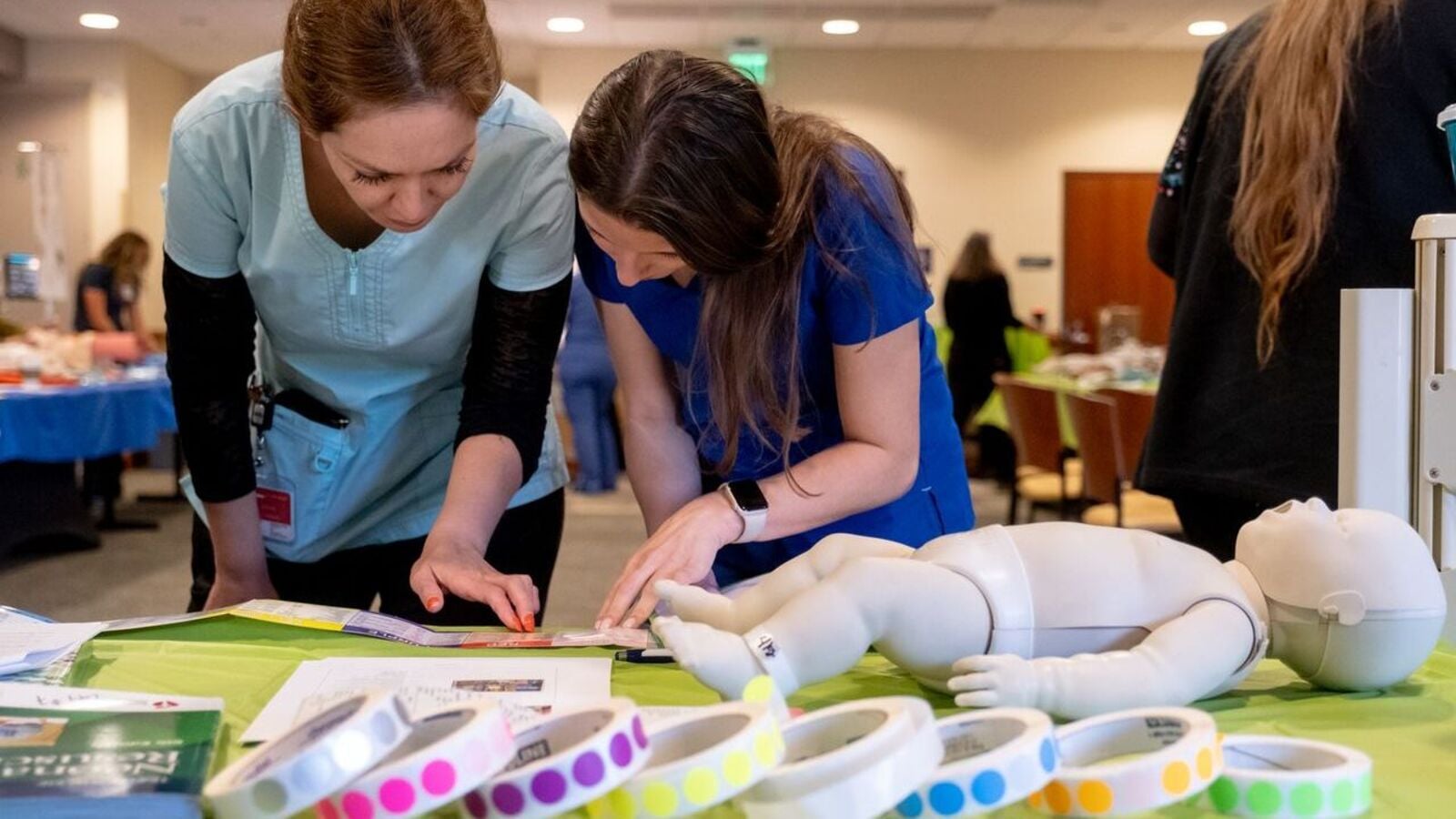
Featured image for Improving Pediatric ER Safety: A Hospital's Success Story | Mint
Source: Mint

Grand River Health, a small hospital in Colorado, has significantly improved its readiness to treat children in emergency situations. By appointing child-emergency coordinators, color-coding equipment for different-sized children, and providing training for staff, the hospital scored a 97.5 on a pediatric-readiness test. This demonstrates the importance of health authorities in pushing hospitals to improve their emergency care for children. Research shows that prepared emergency rooms increase the chances of survival for critically ill children, but many departments are ill-prepared. Grand River Health's success highlights the need for more pediatric-ready emergency departments nationwide.

"Revolutionizing Emergency Care: Aortic Occlusion Saves Lives"

Originally Published 2 years ago — by JAMA Network

Featured image for "Revolutionizing Emergency Care: Aortic Occlusion Saves Lives"
Source: JAMA Network

A bayesian randomized clinical trial conducted at 16 major trauma centers in the UK found that the addition of resuscitative endovascular balloon occlusion of the aorta (REBOA) to standard care did not reduce, and may have increased, mortality in trauma patients with exsanguinating hemorrhage. The trial included 89 patients followed up for 90 days, and the all-cause mortality was 54% in the REBOA and standard care group compared to 42% in the standard care alone group. The findings suggest that the strategy of REBOA and standard care in the emergency department does not improve outcomes for these patients.

The Dangerous Trend of Using Sulfonylureas as Recreational Drugs

Originally Published 2 years ago — by Medscape

Featured image for The Dangerous Trend of Using Sulfonylureas as Recreational Drugs
Source: Medscape

Taking sulfonylureas sold as "street Valium" can lead to severe hypoglycemia that may result in emergency department (ED) visits. Sulfonylureas have no potential for abuse, but they physically resemble Valiums and are easier for illicit drug dealers to obtain because they're not a controlled substance, and they can be sold for considerably more money. A typical urine toxicology screen for drugs wouldn't detect a sulfonylurea. Ocreotide, a long-acting somatostatin agonist, is a unique antidote for sulfonylurea-induced hypoglycemia.

Telehealth and Buprenorphine: Effective Tools in Reducing Opioid Overdose Deaths

Originally Published 2 years ago — by National Institutes of Health (.gov)

Featured image for Telehealth and Buprenorphine: Effective Tools in Reducing Opioid Overdose Deaths
Source: National Institutes of Health (.gov)

A multi-site clinical trial supported by the National Institutes of Health showed that less than 1% of people with opioid use disorder whose drug use includes fentanyl experienced withdrawal when starting buprenorphine in the emergency department. The findings are strong evidence that buprenorphine can be safely started in the emergency department without triggering withdrawal, even for people who use stronger opioids. The study addressed the question of how the prevalence of fentanyl in the drug supply affects the process of addiction treatment for people with opioid use disorder.