Tag

Sub Saharan Africa

All articles tagged with #sub saharan africa

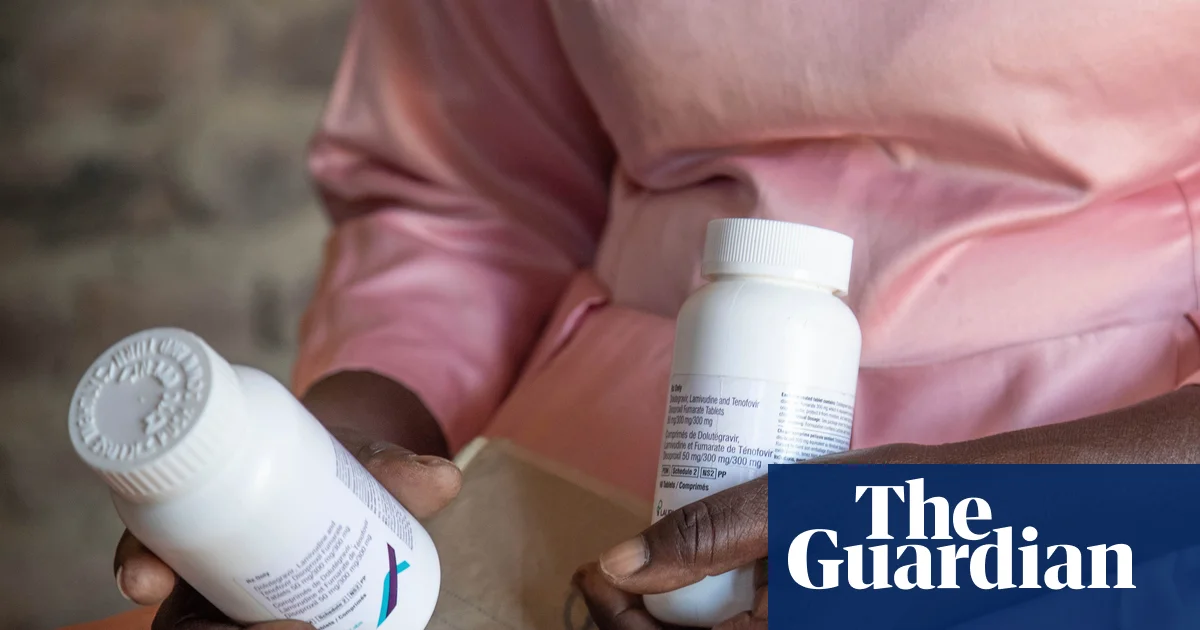
Global HIV/AIDS Efforts Threatened by Funding Cuts and Disruptions

Originally Published 1 month ago — by The Guardian

Featured image for Global HIV/AIDS Efforts Threatened by Funding Cuts and Disruptions
Source: The Guardian

The article discusses how recent cuts in international aid from the US, UK, and Europe have severely impacted HIV/AIDS care in sub-Saharan Africa, leading to increased infections and deaths, especially among key populations like LGBTQ+ individuals and young women. Despite some signs of recovery and increased domestic funding, the overall situation remains dire, emphasizing the need for political courage and sustainable local responses to combat the epidemic effectively.

Lung Cancer: The Hidden Epidemic in Our Region

Originally Published 5 months ago — by NPR

Featured image for Lung Cancer: The Hidden Epidemic in Our Region
Source: NPR

Lung cancer is a hidden epidemic in sub-Saharan Africa, largely underdiagnosed due to systemic issues, misdiagnosis, and lack of data, despite being the deadliest cancer globally. The region faces rising smoking rates, limited screening, and poor healthcare infrastructure, which contribute to late-stage diagnoses and high mortality. Improving data collection, awareness, and prevention strategies are crucial to addressing this neglected health crisis.

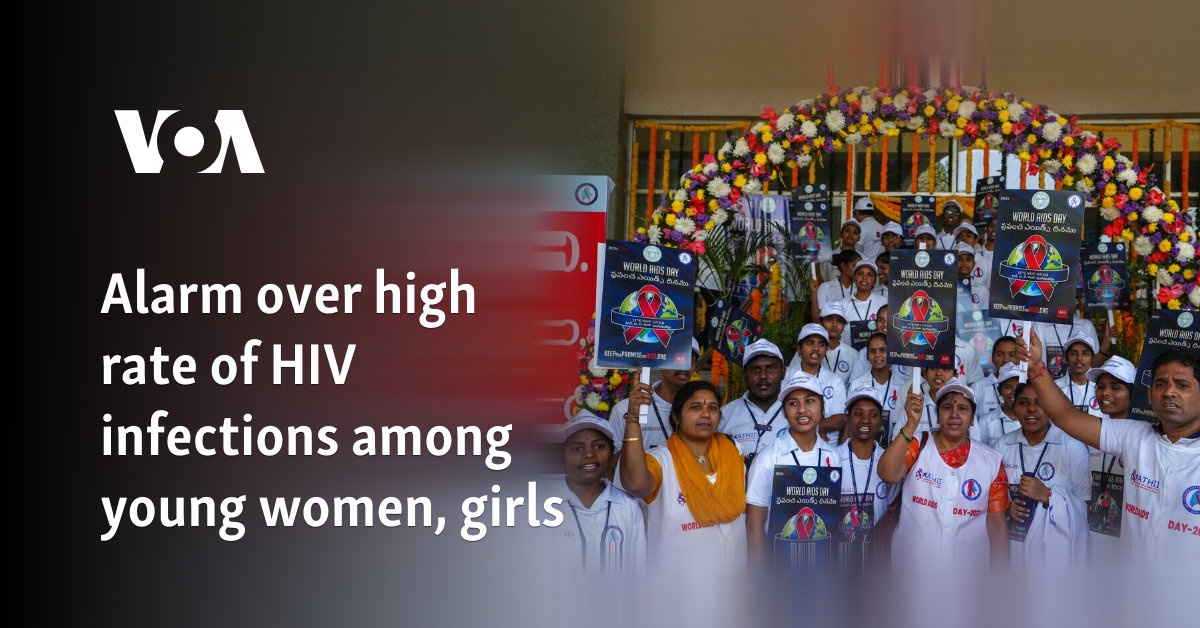
Rising HIV Rates Among Young Women and Girls Raise Concerns

Originally Published 1 year ago — by VOA Asia

Featured image for Rising HIV Rates Among Young Women and Girls Raise Concerns
Source: VOA Asia

UNICEF has raised concerns over the high rate of new HIV infections among young women and girls, particularly in sub-Saharan Africa, where nine out of ten new infections among adolescents are girls. Despite advancements in treatment, access remains limited for children and teenagers, with only 65% of those aged 15-19 receiving antiretroviral therapy. The report highlights the need for increased investment in prevention and treatment to meet the U.N.'s goal of ending AIDS as a public health threat by 2030.

Caste's Impact on Childhood Stunting in India

Originally Published 1 year ago — by BBC.com

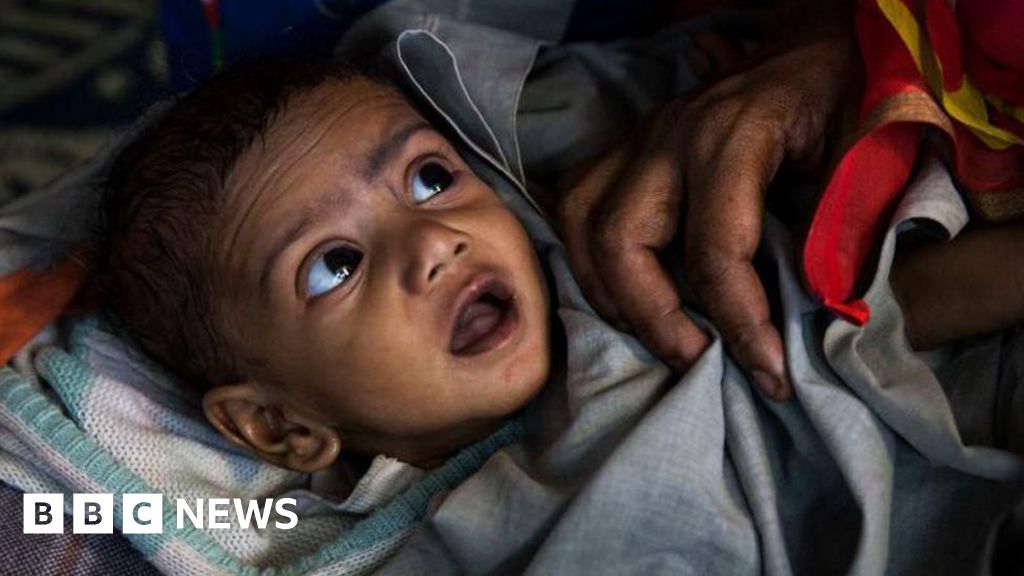
Featured image for Caste's Impact on Childhood Stunting in India
Source: BBC.com

A study highlights the significant role of caste in India's high childhood stunting rates, which are higher than those in Sub-Saharan Africa. Despite economic growth and affirmative action, marginalized groups like adivasis and Dalits face greater malnutrition due to entrenched caste discrimination. The research underscores the importance of addressing social identity factors in tackling child malnutrition in India, where 35% of children under five are stunted.

"Global Fertility Decline: Impending Population Shrinkage by 2100"

Originally Published 1 year ago — by Al Jazeera English

Featured image for "Global Fertility Decline: Impending Population Shrinkage by 2100"
Source: Al Jazeera English

A study published in the Lancet warns that by 2100, populations in 198 of 204 countries will be shrinking due to dramatic declines in fertility rates, with most births expected to occur in poor countries, particularly in sub-Saharan Africa. This demographic shift will lead to a divide between "baby boom" in poorer countries and "baby bust" in wealthier countries, posing significant challenges for global economies and necessitating reorganization of societies. The study emphasizes the need to prioritize sub-Saharan Africa in efforts to address population growth, climate change, healthcare infrastructure, child mortality rates, and extreme poverty.

"Africa's Debt Spiral: Struggling with Prolonged Restructuring Efforts"

Originally Published 2 years ago — by The East African

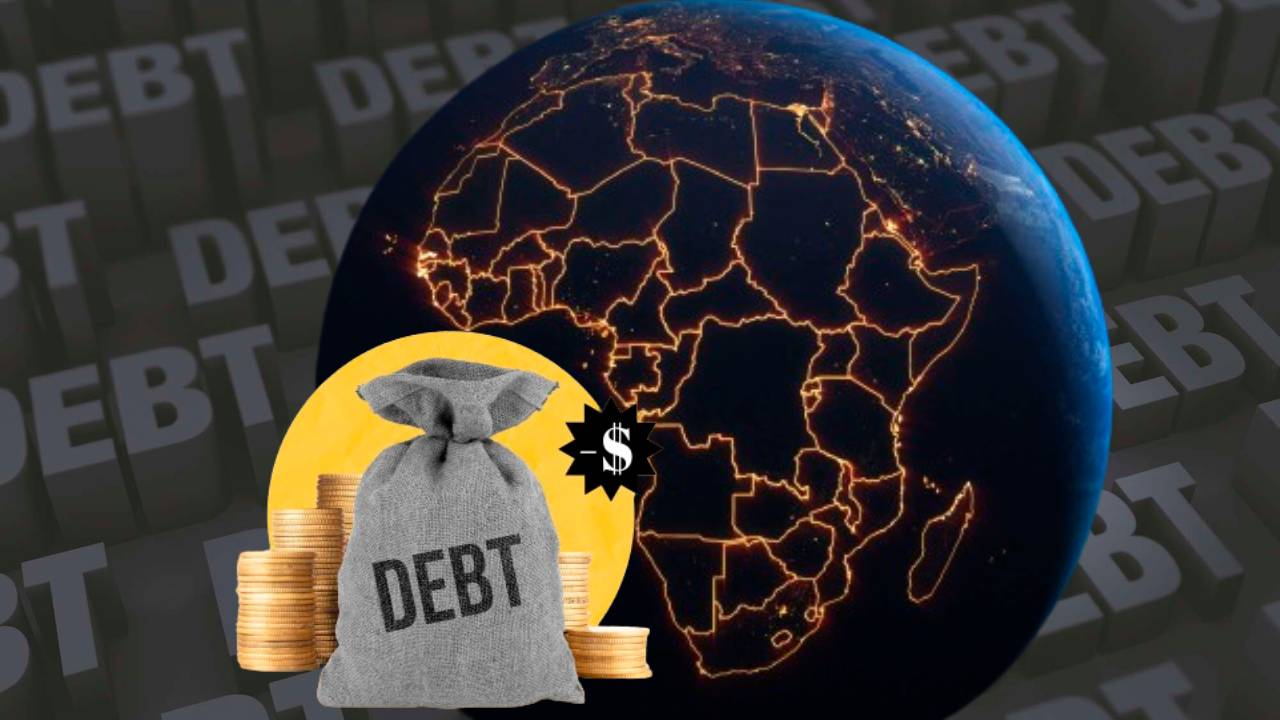
Featured image for "Africa's Debt Spiral: Struggling with Prolonged Restructuring Efforts"
Source: The East African

Sub-Saharan Africa is facing its worst-ever debt crisis, with several countries already in default and 22 countries at heightened risk of over-indebtedness. The rise in interest rates and over-indebtedness is hindering countries' ability to finance their development, exacerbated by the fall in commodity prices and the Covid pandemic. Efforts to restructure debt for 40 African countries have been challenging, with private lenders often balking at the terms. The debt spiral is preventing investment in vital infrastructure, health systems, and education, leading to dangerous currency fluctuations and increasing inflation, impacting the daily lives of poor people. While debt restructuring is important, it should not come at the expense of investments in infrastructure, health, and energy to support economic and societal development.

President Biden's Commitment to AGOA Renewal and US-Africa Trade Summit

Originally Published 2 years ago — by The White House

Featured image for President Biden's Commitment to AGOA Renewal and US-Africa Trade Summit
Source: The White House

President Joe Biden expresses strong support for the reauthorization of the African Growth and Opportunity Act (AGOA), a bipartisan law that has been crucial for U.S. trade with sub-Saharan Africa for over two decades. He urges Congress to reauthorize AGOA promptly and update it to align with the economic opportunities of the future. AGOA has been instrumental in promoting private-sector-led economic growth, diversifying African exports, and creating thousands of quality jobs in Africa. President Biden is committed to working with Congress and African partners to extend AGOA beyond 2025, fostering deeper trade relations, regional integration, and unlocking Africa's immense economic potential for mutual benefit.

Germany's Shift in Perspective: Recognizing Africa's Importance and Exploring New Opportunities

Originally Published 2 years ago — by Business Insider Africa

Featured image for Germany's Shift in Perspective: Recognizing Africa's Importance and Exploring New Opportunities
Source: Business Insider Africa

German Chancellor Olaf Scholz's visit to sub-Saharan Africa highlights the region's growing importance as an energy-rich area and the need for Germany and Europe to strengthen ties with African nations. The trip, prompted by crises in other parts of the world, serves as a wake-up call for Germany's passive role in Africa. The conflict in Ukraine and the chaos in the Middle East have emphasized the importance of diversifying energy sources, making Africa a key player in the global energy market.

Neanderthals Inherited 6% of Genome from Extinct Humans, Study Finds

Originally Published 2 years ago — by Phys.org

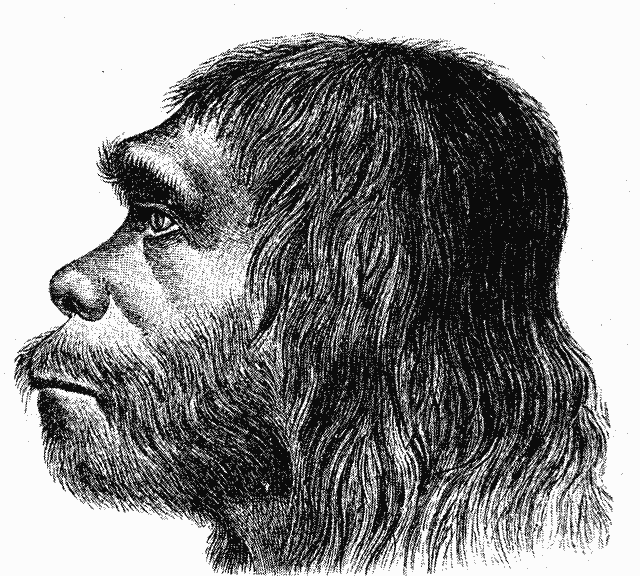
Featured image for Neanderthals Inherited 6% of Genome from Extinct Humans, Study Finds
Source: Phys.org

A study published in Current Biology reveals that Neanderthals inherited at least 6% of their genome from an ancient lineage of early modern humans. The research team compared Neanderthal genomes with a diverse set of genomes from modern indigenous populations in sub-Saharan Africa and found that all sub-Saharan populations contained Neanderthal-like DNA. This suggests that an ancient lineage of modern humans migrated to Eurasia over 250,000 years ago, interbred with Neanderthals, and then died out, leaving a population with predominantly Neanderthal ancestry. The study also found that carrying modern human DNA in the Neanderthal genome is detrimental to fitness, as modern human gene variants were preferentially lost from coding sections of the genome. This research provides new insights into human evolution and sheds light on early modern human evolution in Africa.

Global Teacher Shortage: Urgent Need for 44 Million Educators

Originally Published 2 years ago — by The Guardian

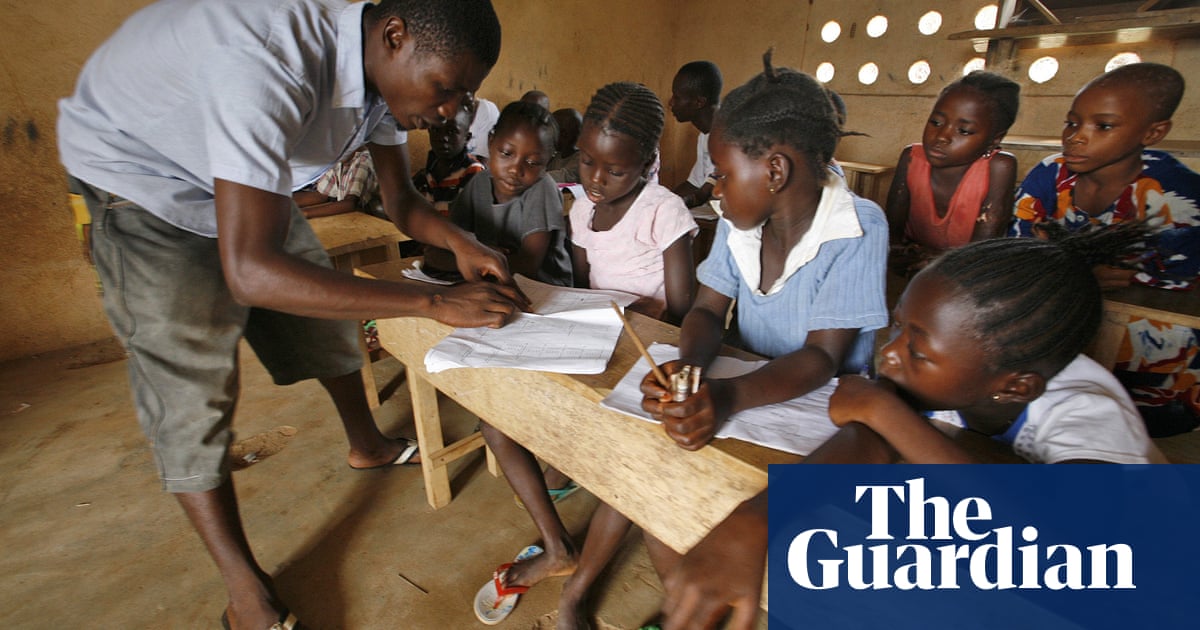
Featured image for Global Teacher Shortage: Urgent Need for 44 Million Educators
Source: The Guardian

According to a report by Unesco, the world needs an additional 44 million teachers to provide education for every child. The report highlights a global shortage of teachers, with 9% of primary school teachers leaving the profession in 2022, double the rate in 2015. While the shortage has been reduced from 69 million in 2016, sub-Saharan Africa still accounts for a third of the global teacher shortage, needing 15 million teachers to meet the goal of universal primary and secondary education by 2030. The report also identifies challenges faced by teachers globally, including high stress levels, lack of supplies, poor leadership, and low salaries. In regions affected by insecurity, such as parts of Africa, school closures further exacerbate the education crisis.

Tragic Discovery: Dozens of Migrants Found Dead near Tunisian Border

Originally Published 2 years ago — by The Associated Press

Featured image for Tragic Discovery: Dozens of Migrants Found Dead near Tunisian Border
Source: The Associated Press

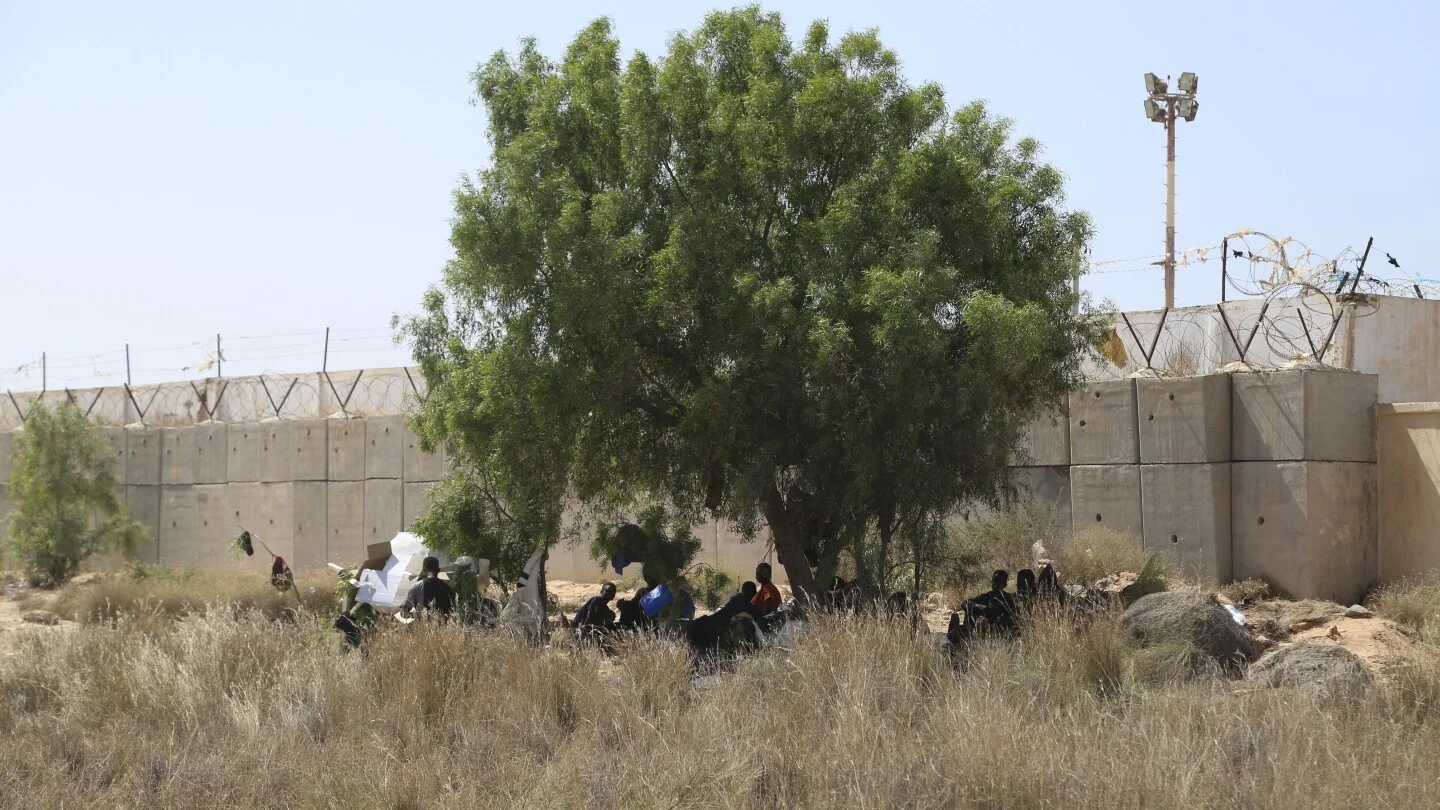
At least 27 migrants from sub-Saharan Africa have been found dead in Libya's western desert near the border with Tunisia, according to Libyan authorities. Tunisian security forces have been accused of forcefully expelling migrants, leaving them stranded in the desert without food or water. Tensions have risen between migrants and the local population in Tunisia's coastal areas, which have become the main launching point for migrants trying to reach Europe. In a separate incident, 41 migrants are believed to have drowned off the Tunisian coast. Libya has been a major transit point for migrants fleeing conflict and poverty, with human traffickers taking advantage of the country's instability.

Tragedy Strikes as Migrant Ship Sinks, Leaving Four Dead and 51 Missing

Originally Published 2 years ago — by AOL

Featured image for Tragedy Strikes as Migrant Ship Sinks, Leaving Four Dead and 51 Missing
Source: AOL

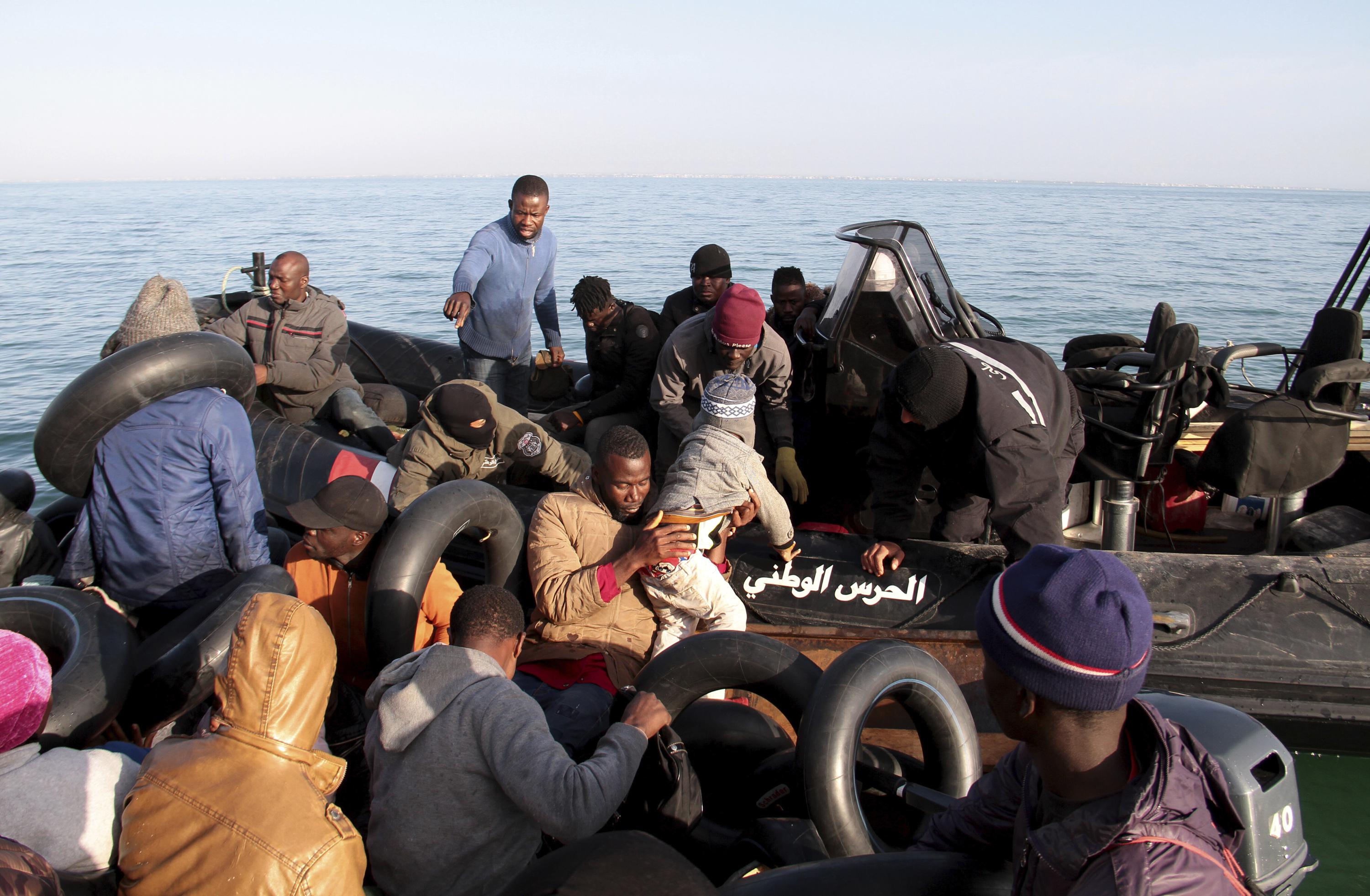
Four migrants have died and 51 are missing after a migrant ship sank off the coast of Tunisia's Kerkennah island. The country has seen a record wave of migration this year, with many boats carrying migrants from sub-Saharan Africa sinking in the Mediterranean Sea. Tunisia has replaced Libya as the main departure point for people fleeing poverty and conflict in hopes of reaching Europe.

Tunisia's unprecedented crackdown on sea migrants.

Originally Published 2 years ago — by The Associated Press

Featured image for Tunisia's unprecedented crackdown on sea migrants.
Source: The Associated Press

Tunisian authorities have intercepted migrants attempting to cross the Mediterranean Sea to Italy and have stopped 372 people in just 14 hours using speedboats. Migrants, mainly from sub-Saharan Africa, are undertaking the perilous journey in unprecedented numbers. In the first three months of this year, 13,000 migrants were forced from their boats off the eastern Tunisian port city of Sfax, the main launching point. Between 2021 and 2022, the number of migrants heading to Europe, mostly to Italy but also to Malta, nearly doubled.

Malaria vaccine breakthroughs offer hope for sub-Saharan Africa.

Originally Published 2 years ago — by CNBC

Featured image for Malaria vaccine breakthroughs offer hope for sub-Saharan Africa.
Source: CNBC

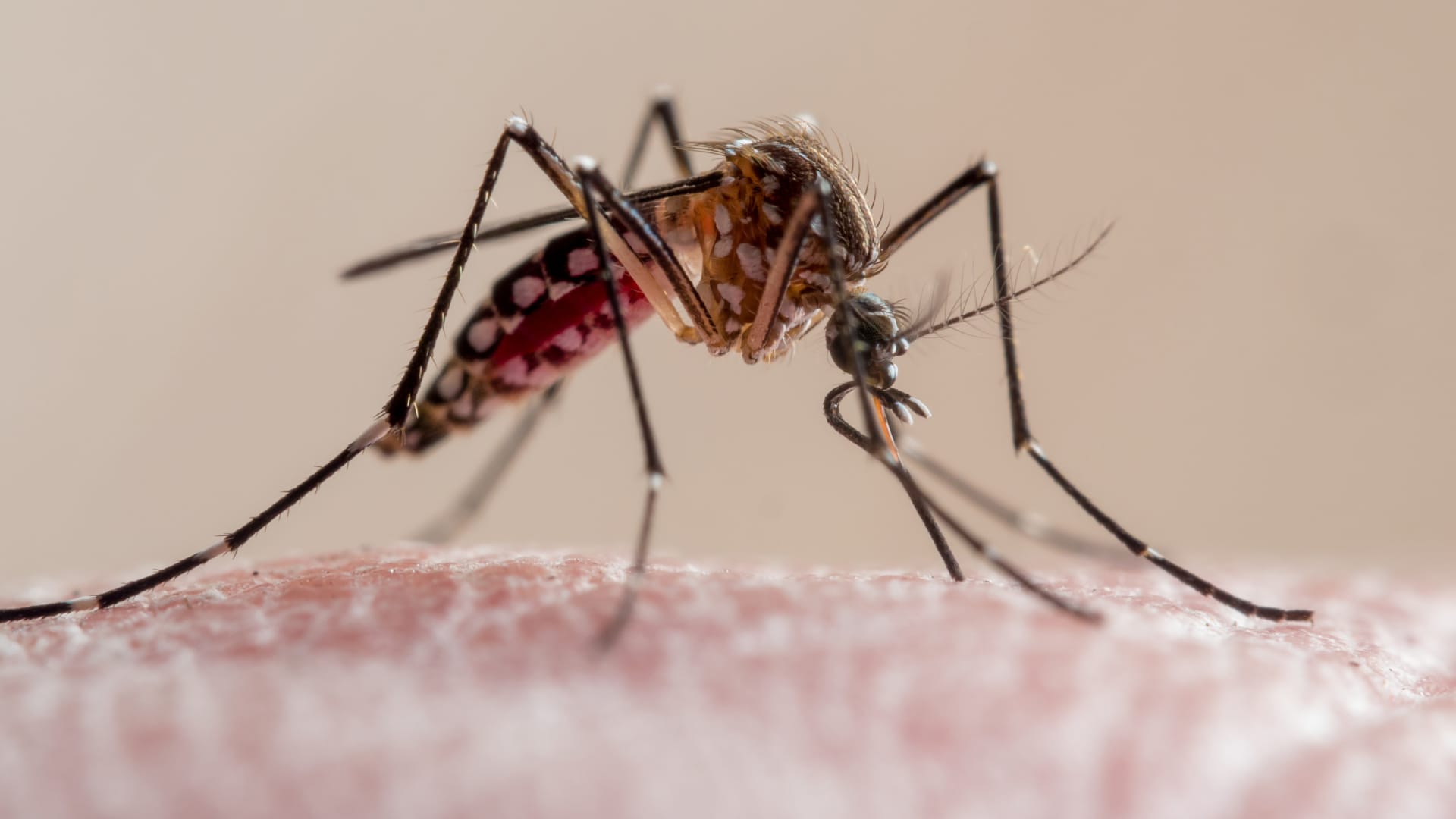
Nigeria has provisionally approved a new malaria vaccine developed by scientists at the University of Oxford, following Ghana's approval last week. The R21/Matrix-M malaria vaccine is approved for use on children aged between five and 36 months, the age group at highest risk of death from the mosquito-carried disease. The vaccine is being manufactured by India's Serum Institute, which has suggested it has the capacity to supply around 200 million doses per year. A successful rollout could have major positive economic implications for sub-Saharan Africa, including reducing healthcare spending, increasing labor supply, and boosting GDP growth.

The Shifting Global Population and Power Dynamics: India Set to Surpass China.

Originally Published 2 years ago — by Axios

Featured image for The Shifting Global Population and Power Dynamics: India Set to Surpass China.
Source: Axios

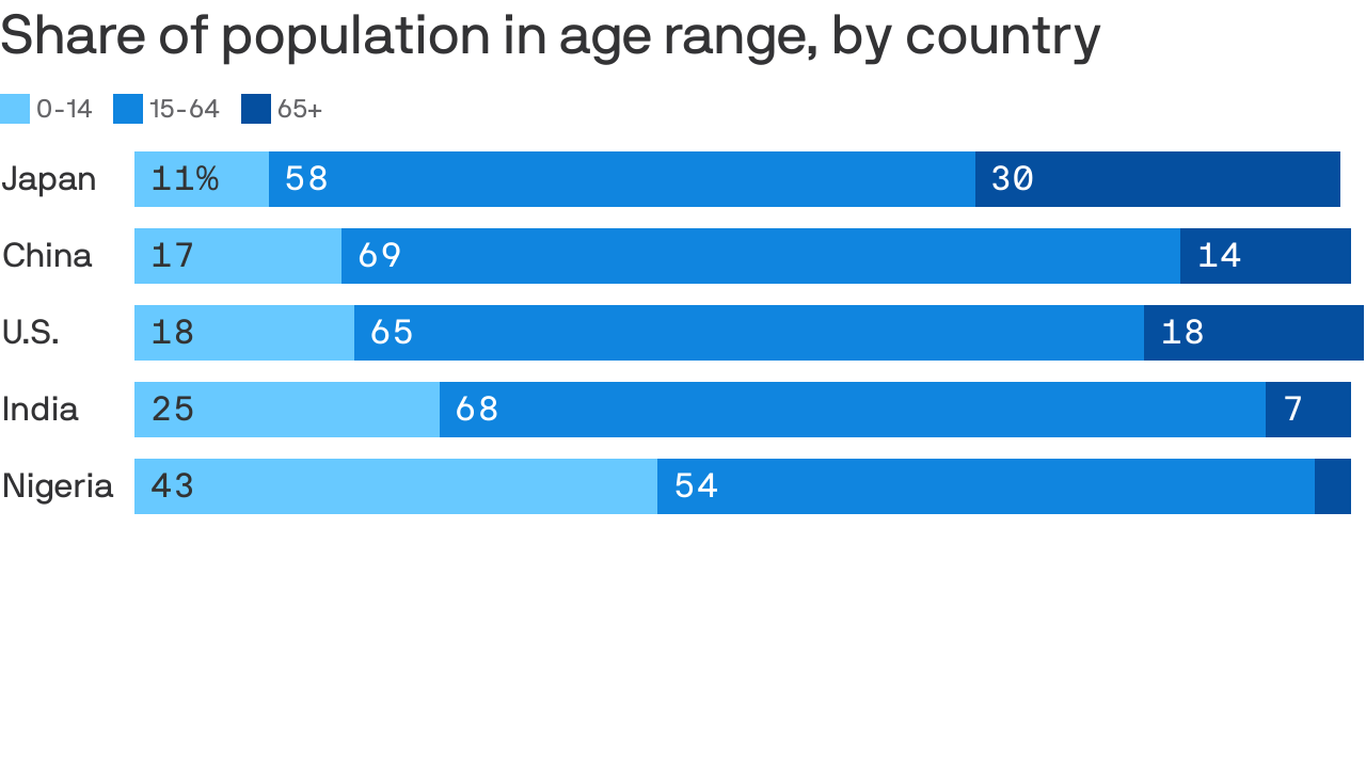
India is set to overtake China as the world's most populous nation by the middle of this year, according to a new UN report. China's population declined last year for the first time in six decades, with decades of strict population control measures pushing its fertility rate to the lowest in the world. Meanwhile, the population of sub-Saharan Africa is growing far faster than any other region, and is expected to nearly double to 2.1 billion by 2050.