Outraged NYC parents are criticizing city officials for displacing high school students to accommodate migrants, forcing the students to switch to remote learning. The decision has sparked anger and frustration among parents and students, who feel that the city is prioritizing asylum seekers over its own citizens. Mayor Eric Adams cited safety concerns due to incoming storms as the reason for the move, but parents and students are demanding answers and expressing concerns about the impact on their education and safety.
More than 38% of Oregon students were chronically absent, missing at least three weeks of school in the 2022-2023 academic year, a higher rate than the previous year. Approximately 200,000 students were affected, putting them at risk of falling behind academically and not graduating. The problem was widespread across different types of schools, from wealthy suburban high schools to rural elementary schools. Oregon's chronic absenteeism rate worsened by 2 percentage points, while other states showed improvements. The pandemic's lingering effects, coupled with the absence of social support programs, were cited as contributing factors. Efforts to combat absenteeism include improving communication with parents and addressing the root causes of the issue.
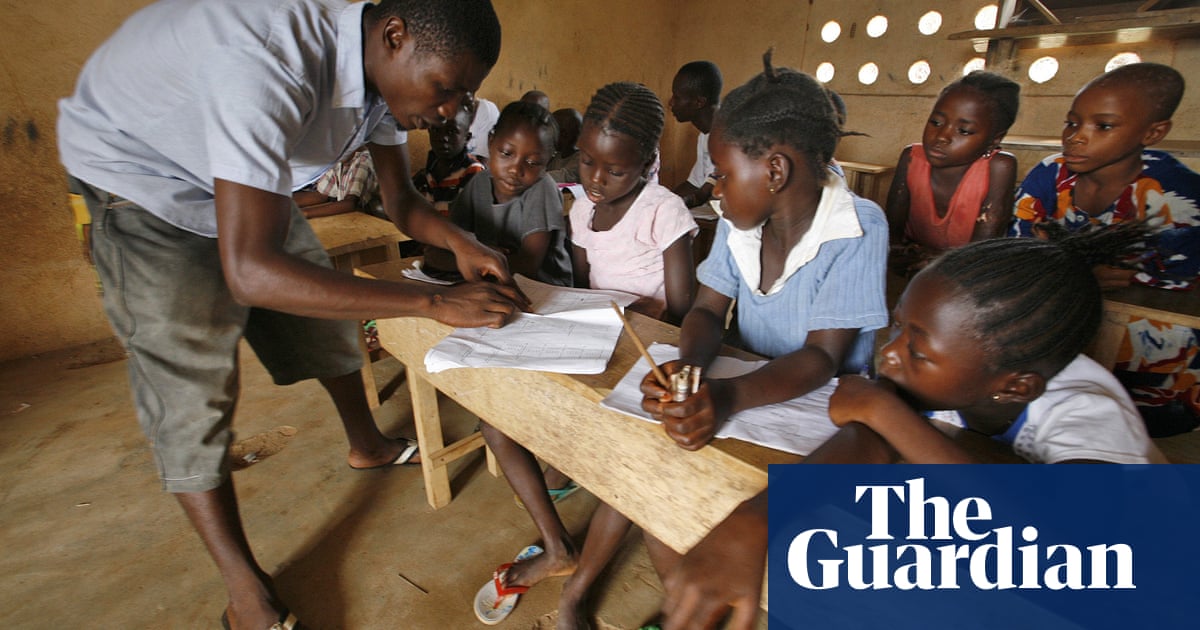
According to a report by Unesco, the world needs an additional 44 million teachers to provide education for every child. The report highlights a global shortage of teachers, with 9% of primary school teachers leaving the profession in 2022, double the rate in 2015. While the shortage has been reduced from 69 million in 2016, sub-Saharan Africa still accounts for a third of the global teacher shortage, needing 15 million teachers to meet the goal of universal primary and secondary education by 2030. The report also identifies challenges faced by teachers globally, including high stress levels, lack of supplies, poor leadership, and low salaries. In regions affected by insecurity, such as parts of Africa, school closures further exacerbate the education crisis.
Indiana's statewide reading test scores reveal that nearly one in five third graders struggle to read, highlighting a "crisis" in education, according to the state's secretary of education. While there was a slight improvement in proficiency, with 81.9% of students demonstrating reading proficiency, scores remain 9.5 percentage points below the state's highest-ever rate. The Department of Education noted that reading proficiency improved for some student groups but declined for Hispanic students. The department aims to have 95% of students pass the reading assessment by 2027, with 242 elementary schools achieving that goal so far.
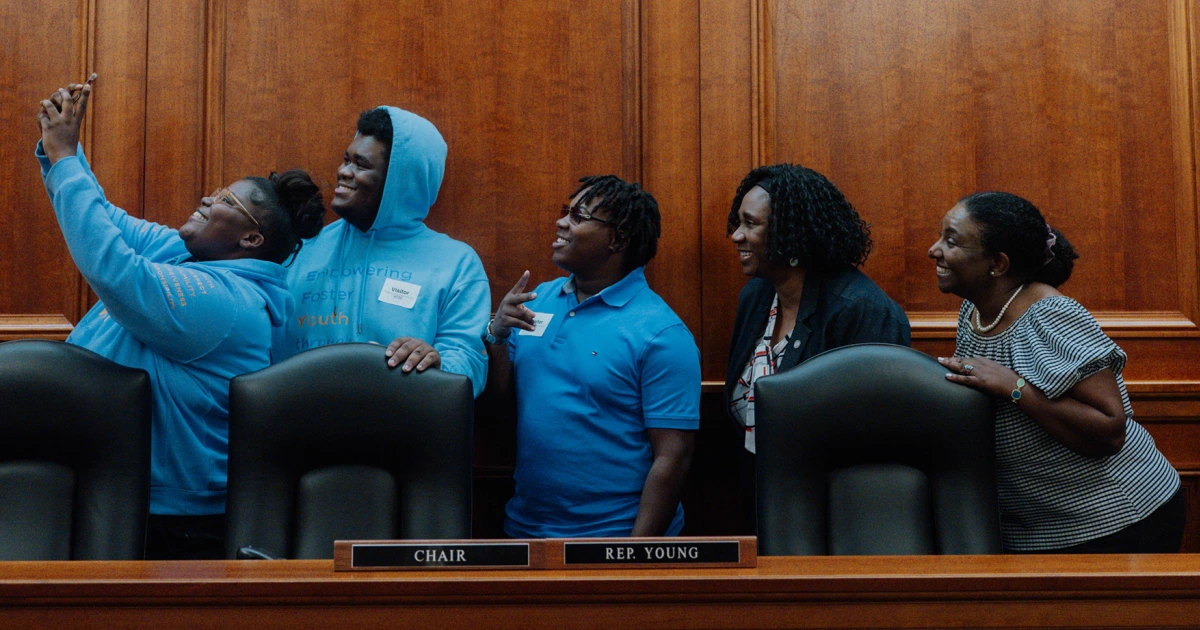
Michigan legislators are considering a package of bills to address the educational crisis facing vulnerable foster youths who spent months or years living in residential facilities, taking classes and completing assignments, only to learn later that the work didn’t count toward graduation. The bills would require the state to ensure that foster youths get “an education that prioritizes meeting the graduation requirements” to earn a diploma in Michigan, track and report data on the foster youths’ educational attainment, and keep tabs on the educational offerings in residential facilities. Just 41% of Michigan foster youths graduate from high school, compared to 81% of students overall.