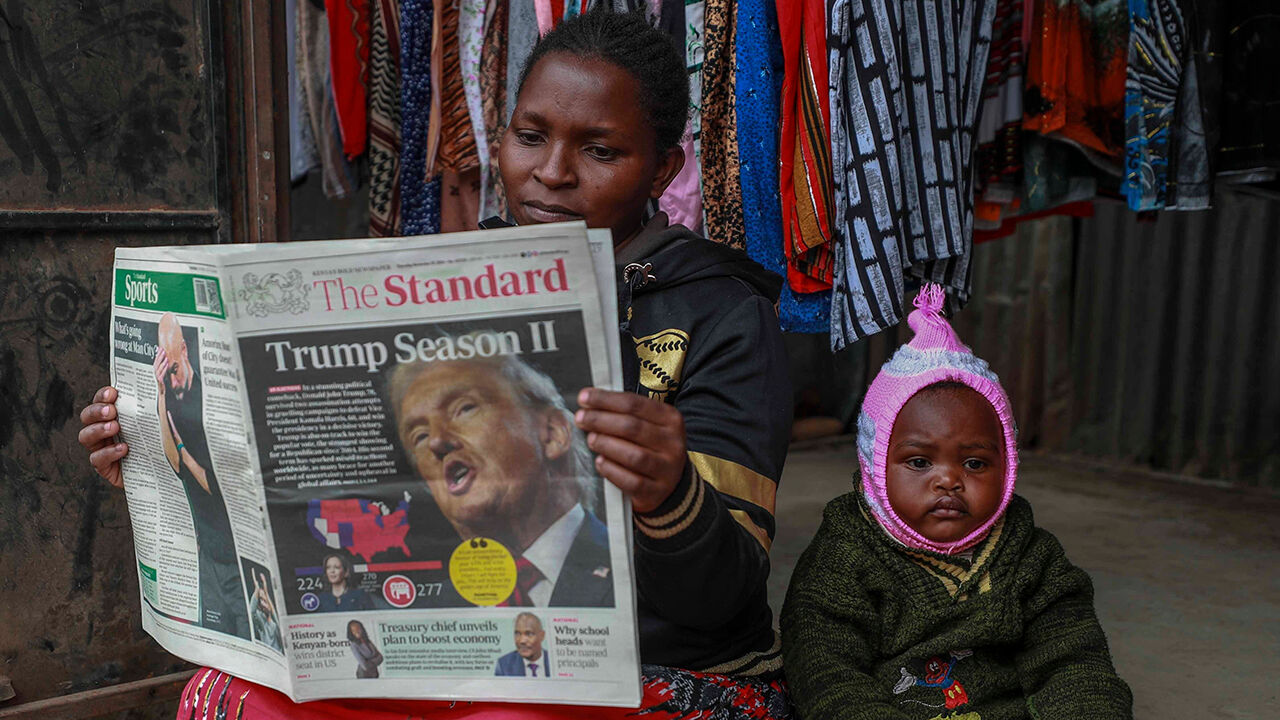
The article criticizes Donald Trump's approach to Africa, highlighting the closure of USAID, the lack of senior Africa-related posts in the US government, a shift in military strategy with AFRICOM, the expiration of the African Growth and Opportunity Act, and the inclusion of ten African countries in his travel ban, suggesting a neglectful or dismissive attitude towards the continent.

The US-Africa Growth and Opportunity Act (AGOA) trade forum has begun in Johannesburg, South Africa, with African ministers and US officials in attendance. AGOA, a legislation signed into law in 2000, grants duty-free access to nearly 40 sub-Saharan African countries to US markets. The summit aims to discuss extending AGOA beyond its current expiration in 2025, promoting inclusive economic growth, and enhancing supply chain resilience. The US has announced its intention to remove Uganda, Niger, Gabon, and the Central African Republic from AGOA for failing to meet eligibility criteria.
President Joe Biden expresses strong support for the reauthorization of the African Growth and Opportunity Act (AGOA), a bipartisan law that has been crucial for U.S. trade with sub-Saharan Africa for over two decades. He urges Congress to reauthorize AGOA promptly and update it to align with the economic opportunities of the future. AGOA has been instrumental in promoting private-sector-led economic growth, diversifying African exports, and creating thousands of quality jobs in Africa. President Biden is committed to working with Congress and African partners to extend AGOA beyond 2025, fostering deeper trade relations, regional integration, and unlocking Africa's immense economic potential for mutual benefit.
The U.S. Africa Growth and Opportunity Act (AGOA) trade forum in South Africa will discuss the possible extension of the program, which grants sub-Saharan African countries duty-free access to U.S. markets. The forum comes after U.S. President Joe Biden announced the removal of Niger, Uganda, Central African Republic, and Gabon from the list of beneficiaries due to noncompliance with eligibility criteria. South Africa, one of the biggest beneficiaries, plans to lobby for the extension of AGOA. The decision on extension relies on the U.S. Congress.
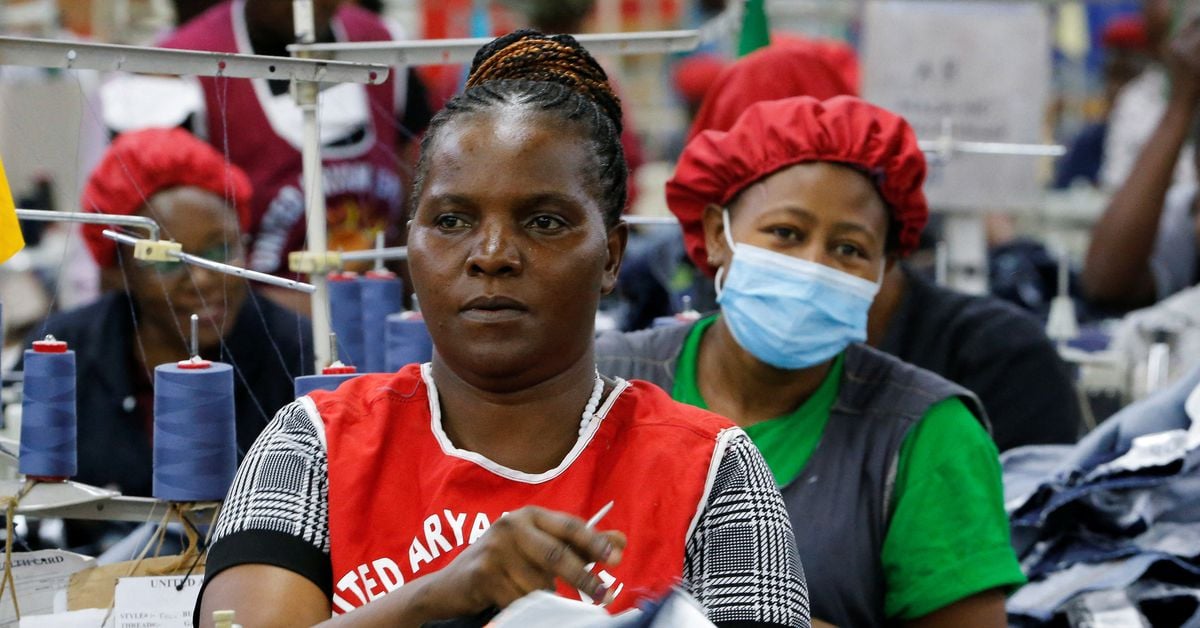
The future of Africa's garment trade, which has seen significant growth under the African Growth and Opportunity Act (AGOA), depends on the reauthorization of the trade program by the U.S. Congress. With AGOA set to expire in 2025, African governments and industry insiders are calling for an early renewal to capitalize on the opportunity presented by companies looking to reduce their dependence on Chinese manufacturing. However, divisions and dysfunction in the U.S. Congress, as well as the desire to improve AGOA, have raised doubts about its future. Without AGOA, the African apparel industry risks losing out on a once-in-a-generation shift away from China, potentially leading to significant job losses and the collapse of the industry.
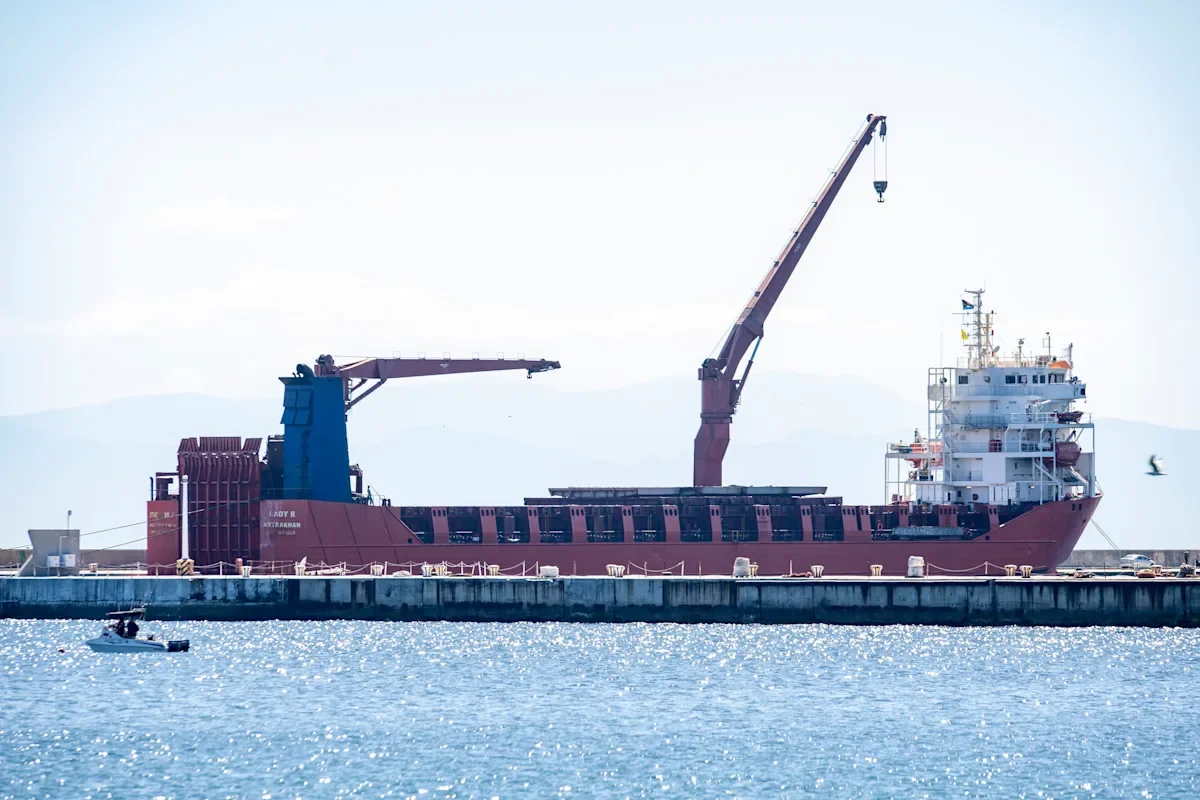
A bipartisan group of US lawmakers has called on the Biden Administration to punish South Africa for allegedly supporting Russia's illegal invasion of Ukraine by relocating an important trade meeting to another country. The lawmakers also questioned South Africa's eligibility to receive trade benefits from the US under the African Growth and Opportunity Act. South Africa's exports to the US through AGOA were estimated at $3 billion last year. South Africa's government says it has adopted a non-aligned stance on the war in Ukraine, but the US has viewed some of its recent actions as actively favoring Russia.
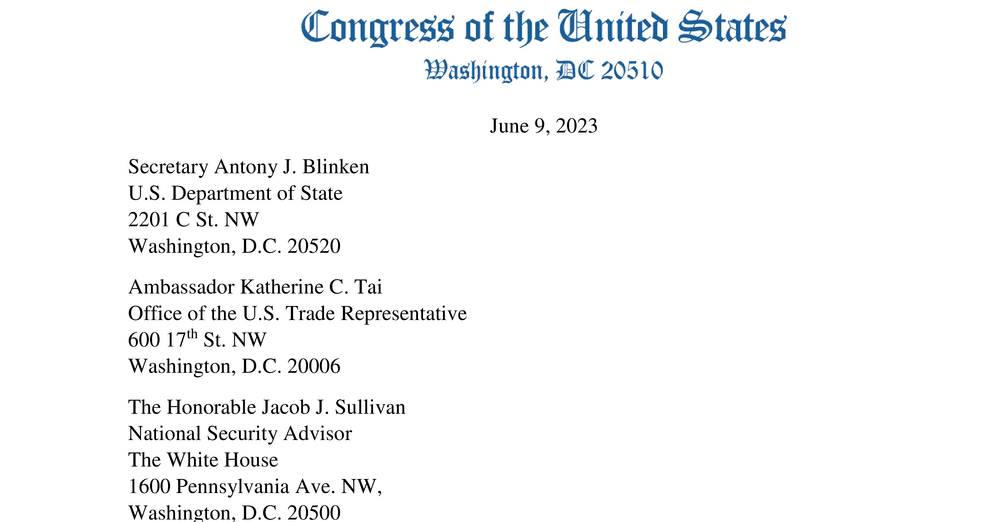
Lawmakers in the United States have expressed concerns over South Africa's support for Russia's invasion of Ukraine and possible violation of US sanctions law. They have written a letter to the US Secretary of State, the US Trade Representative, and the National Security Advisor, urging them to explore other possible locations to host this year's African Growth and Opportunity Act (AGOA) Forum, which is currently planned to be held in South Africa. The lawmakers believe that hosting the forum in South Africa would serve as an implicit endorsement of the country's damaging support for Russia's invasion of Ukraine and possible violation of US sanctions law.