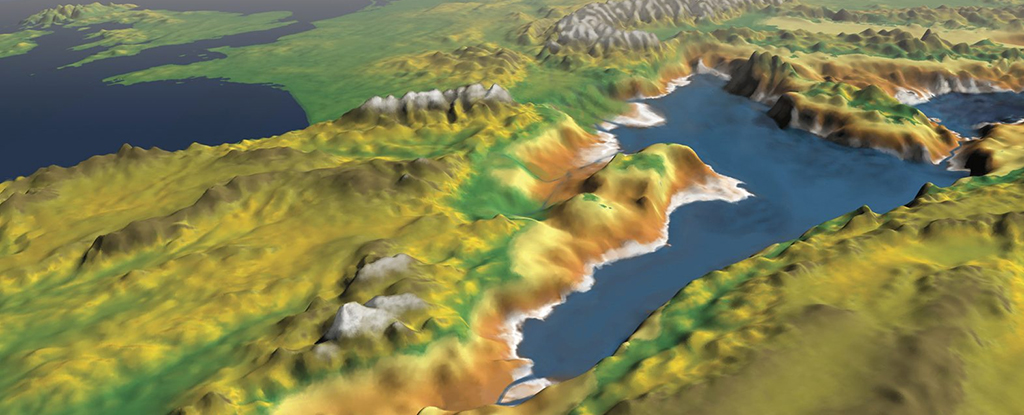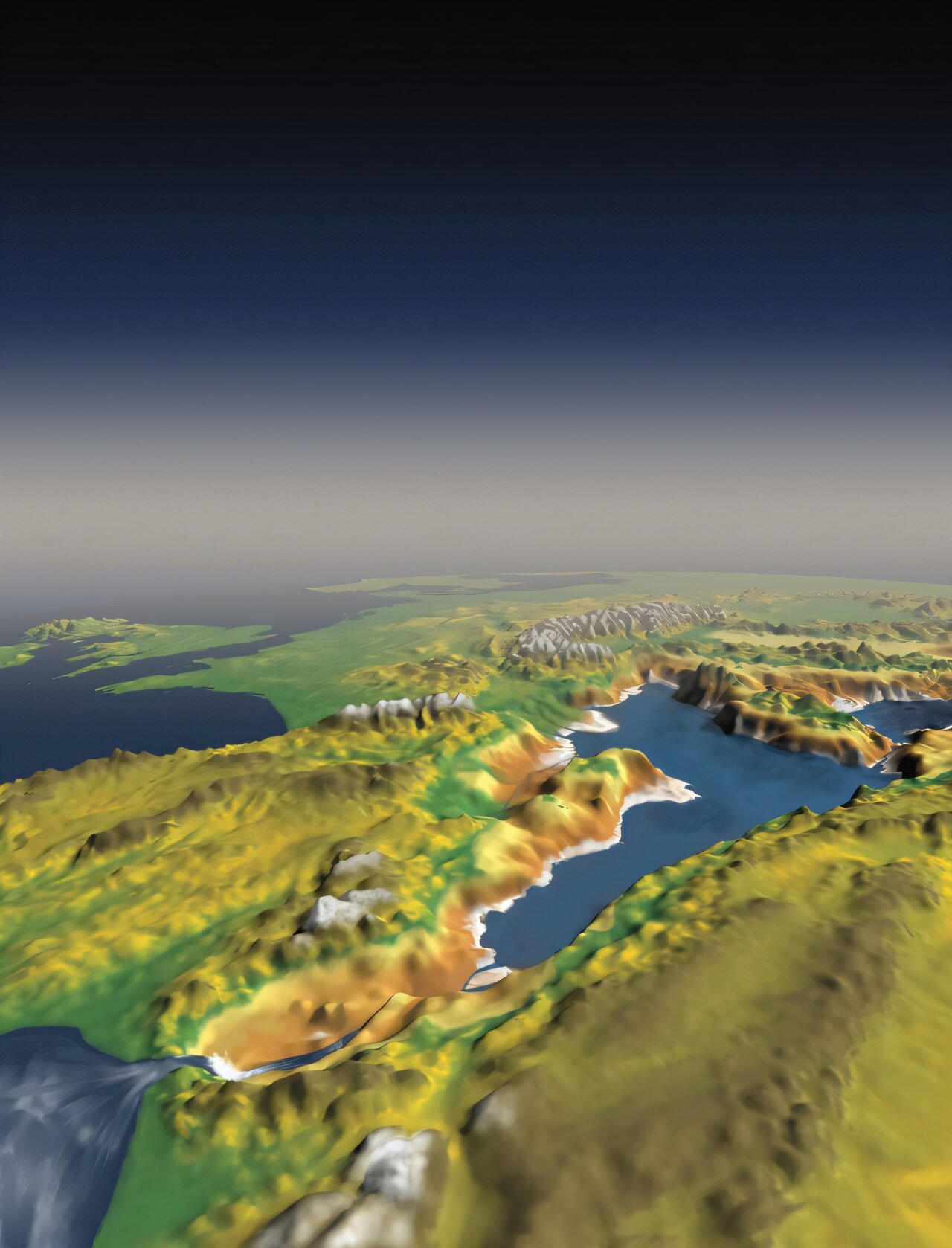
Scientists have uncovered that the Mediterranean Sea nearly vanished in a two-phase process of extreme evaporation over five million years ago, leading to a significant loss of marine biodiversity, with only 11% of species surviving the crisis and a recovery period of at least 1.7 million years.
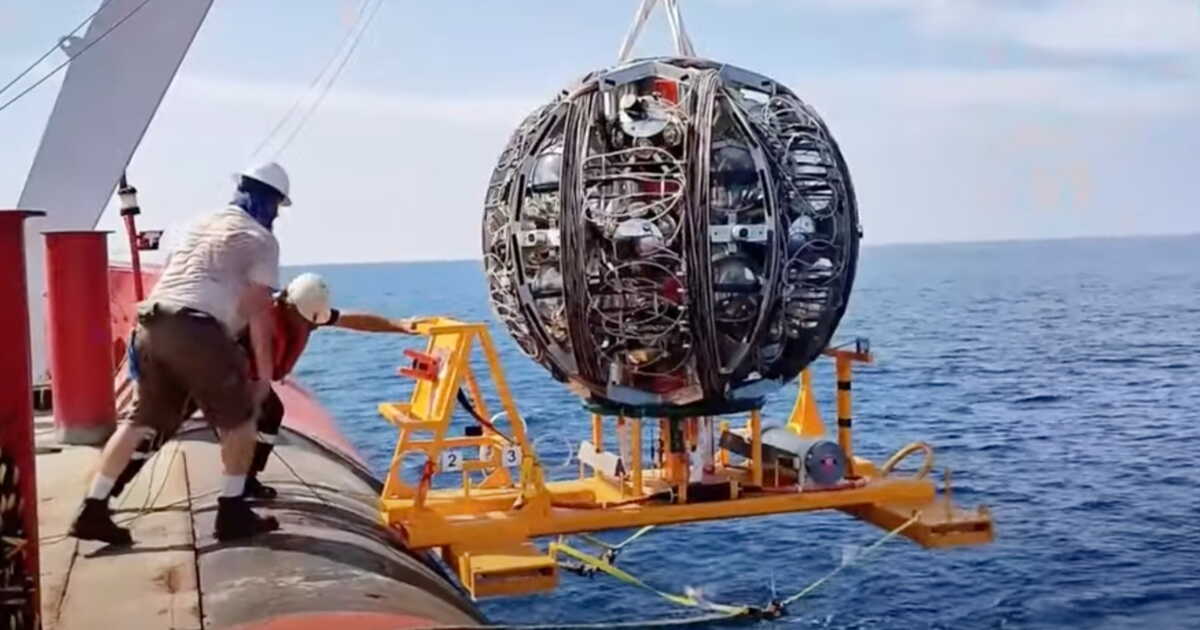
Scientists using the KM3NeT underwater telescope in the Mediterranean Sea detected the most energetic cosmic neutrino ever recorded at 120 PeV, challenging existing theories and opening new avenues for understanding extreme astrophysical phenomena and cosmic particle acceleration.
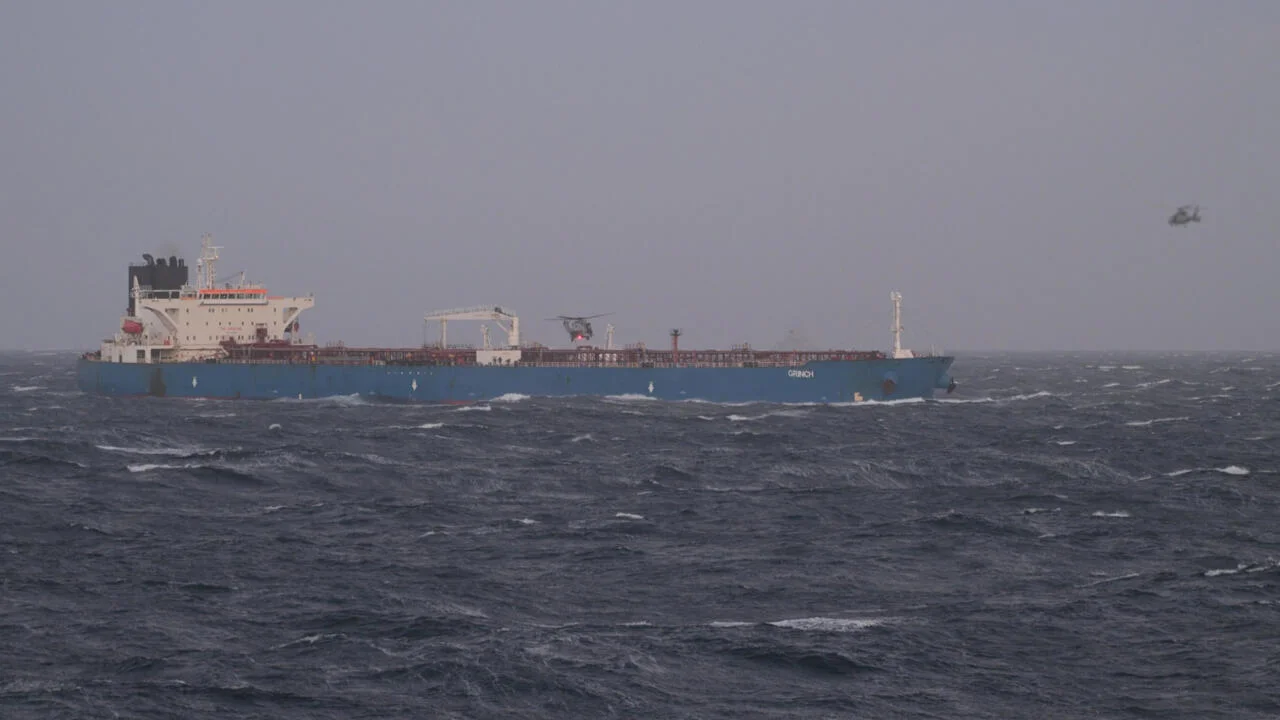
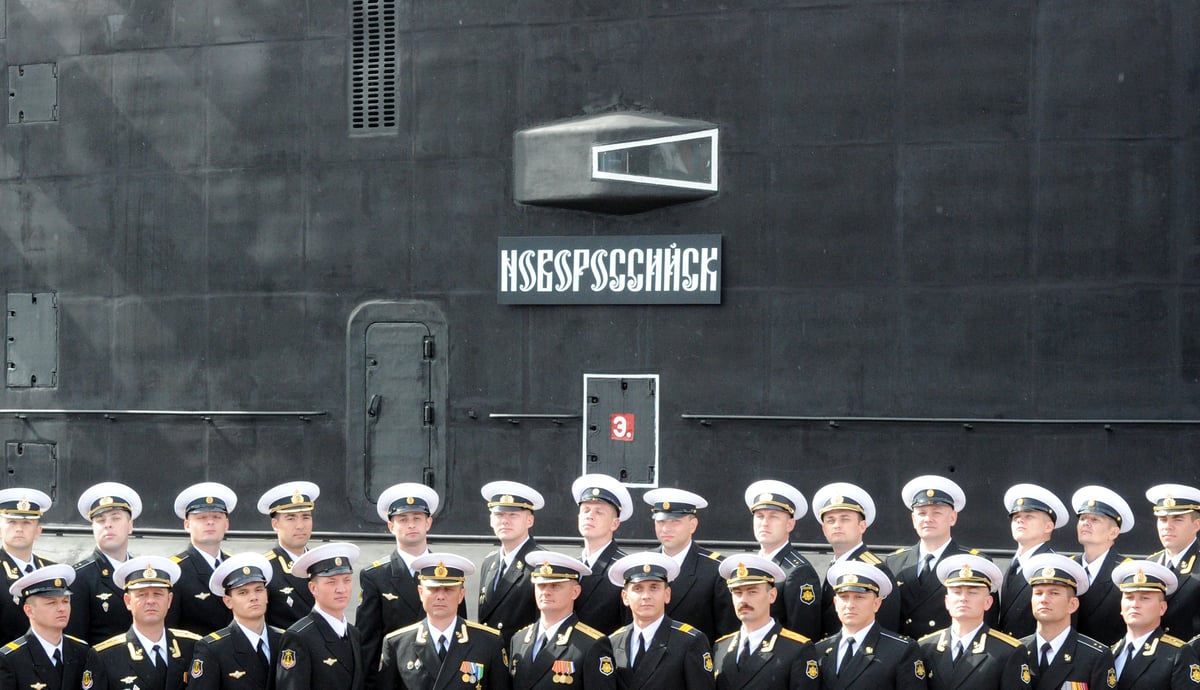
A Russian nuclear-capable submarine, Novorossiysk, experienced a serious malfunction in the Mediterranean, with fuel leaking into the hold and posing an explosion risk, raising fears of a disaster similar to the Kursk incident.
Shawn Levy shared an early look at his upcoming Star Wars film, 'Starfighter,' featuring Ryan Gosling and Flynn Gray on set in the Mediterranean Sea. The movie, set five years after Episode IX, is scheduled for release on May 28, 2027, and is not part of the Skywalker saga. It stars a notable cast including Matt Smith and Mia Goth, with Levy and Kathleen Kennedy producing.
Scientists using the KM3NeT telescope in the Mediterranean Sea detected an ultra-high-energy neutrino in February 2023, traveling billions of light-years from a distant galaxy, providing new insights into cosmic phenomena involving black holes and other energetic events.
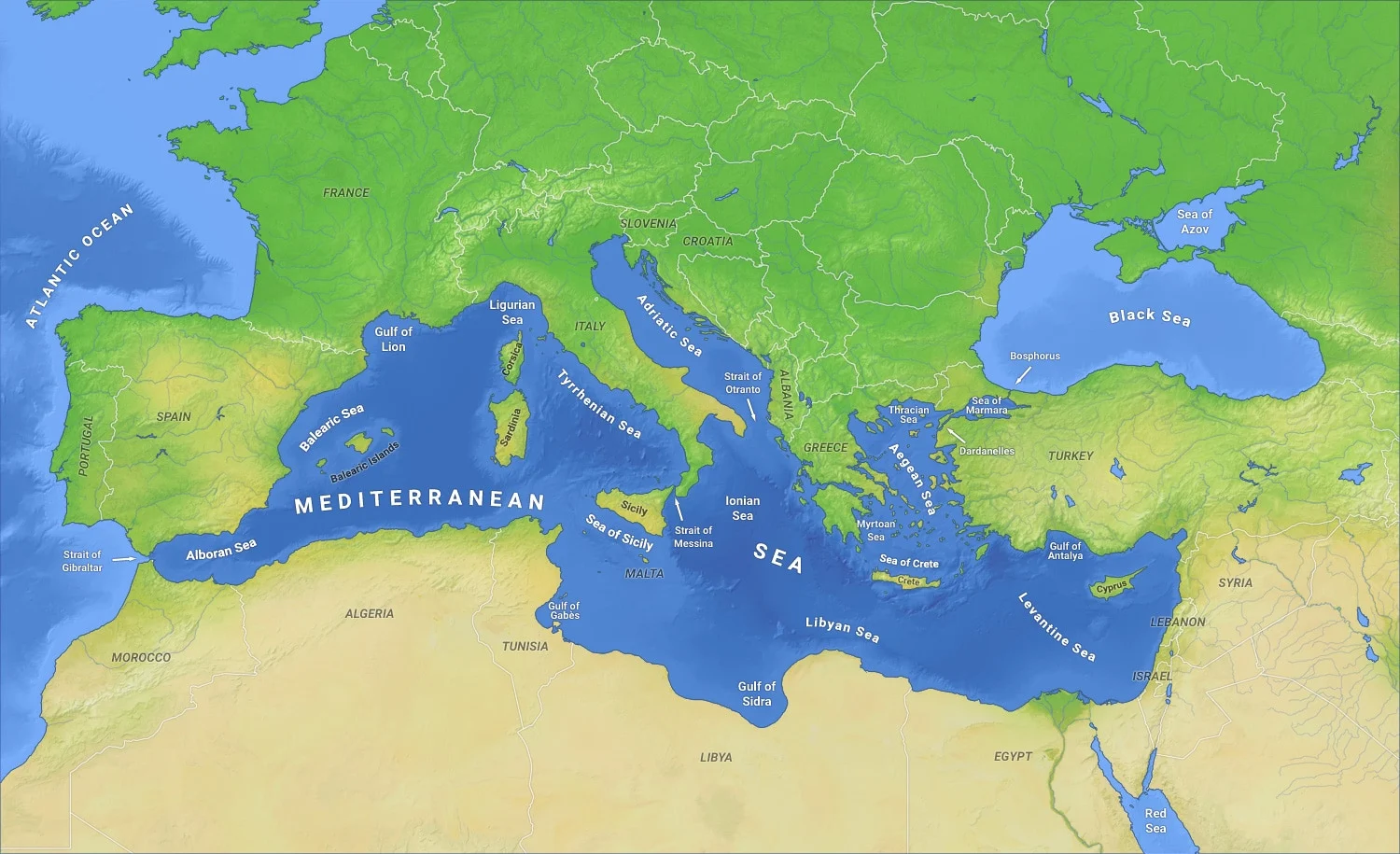
A new study reveals that the Messinian Salinity Crisis (MSC), which occurred 5.5 million years ago, led to the evaporation of nearly 70% of the Mediterranean Sea in two phases. Initially, restricted water flow from the Atlantic Ocean caused significant evaporation and salt deposits. In the second phase, complete isolation accelerated these processes, drastically lowering water levels and exposing land bridges. This event, driven by tectonic activity, had significant climatic and geological impacts, and the study provides insights into the Mediterranean's historical evolution.
Scientists have uncovered the process behind the Messinian Salinity Crisis, a geological event 5.5 million years ago that transformed the Mediterranean Sea into a massive salt basin, losing up to 70% of its water volume. This occurred in two phases: an initial salt deposition in the eastern Mediterranean and a rapid evaporative drawdown affecting the entire basin, causing significant sea-level drops. These findings, published in Nature Communications, enhance understanding of past geological phenomena and their global impacts.
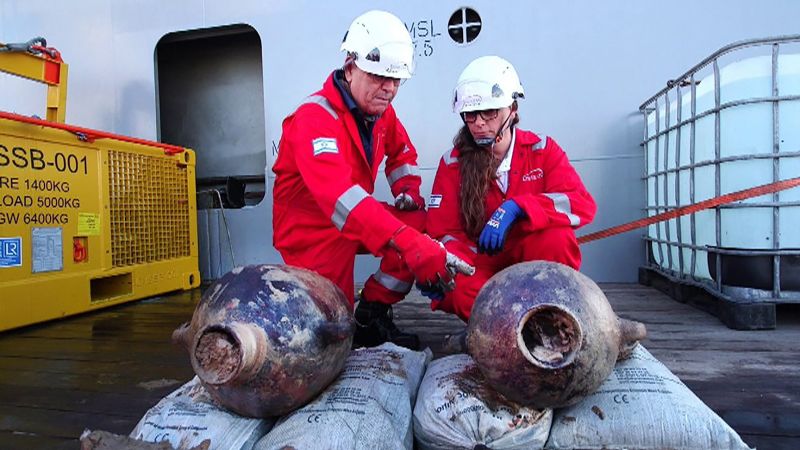
A 3,300-year-old shipwreck discovered in the Mediterranean Sea has rewritten our understanding of ancient sailing, revealing that ancient mariners could navigate open seas without sight of the shore. Found by Energean during an environmental survey, the ship contained hundreds of intact jars likely used for transporting oil, wine, or agricultural products, indicating extensive maritime trade. The discovery, described as a world-class sensation, will be displayed in Jerusalem this summer.
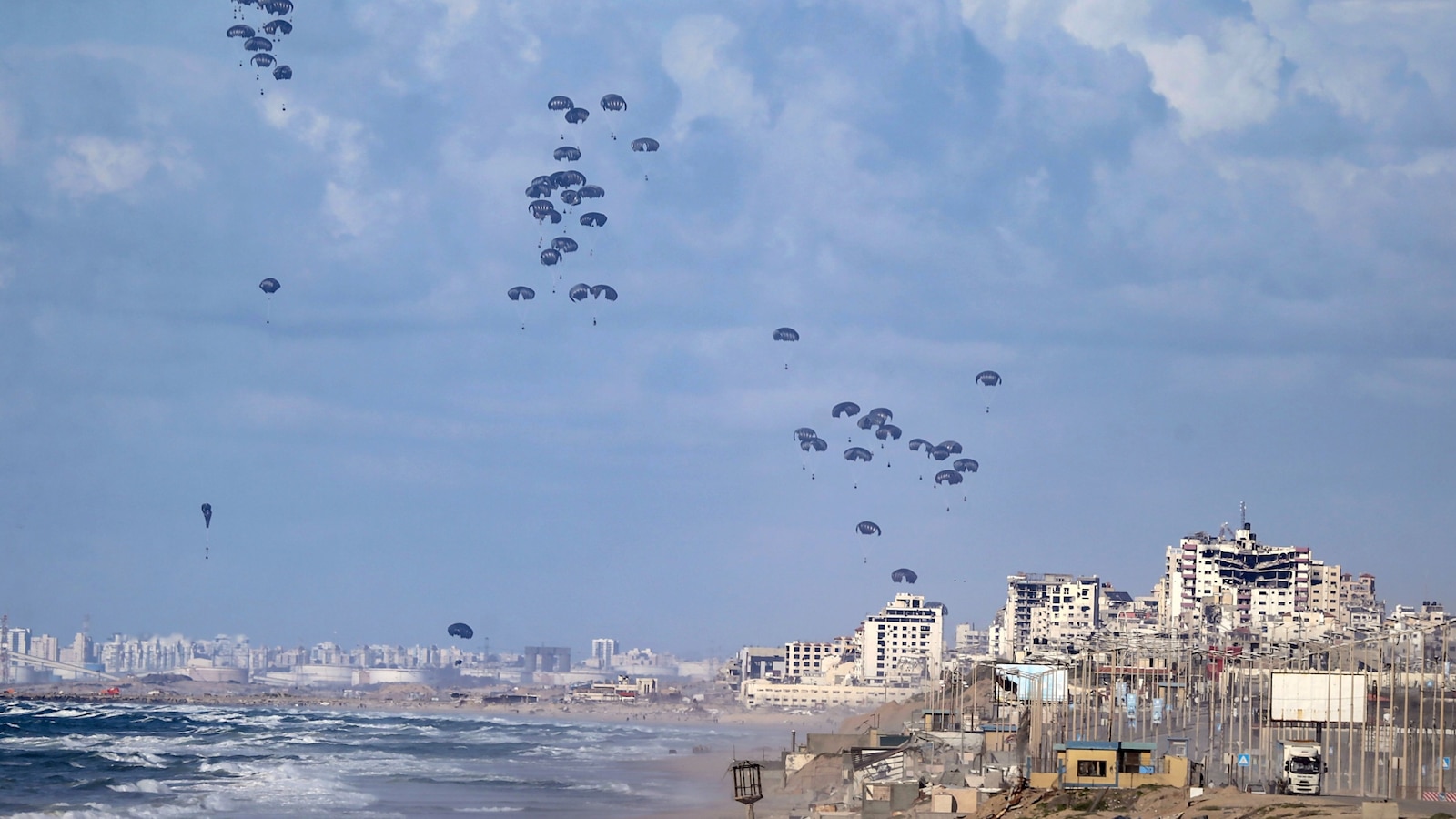
President Biden will announce an "emergency" military mission to construct a port off Gaza's coast in the Mediterranean Sea during his State of the Union address, aiming to facilitate the delivery of humanitarian aid. The port will be able to receive large ships carrying essential supplies, and the effort will be undertaken by the U.S. and partner countries. The operation will not require American troops to be on the ground, and initial shipments of aid will arrive via Cyprus. The U.S. continues to push Israel to allow more aid into Gaza by land, while also pursuing every channel possible to get assistance into the region.
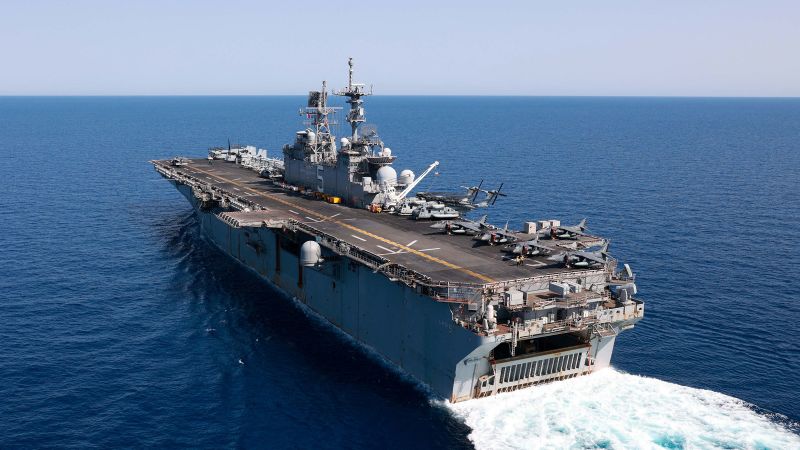
The US is expected to reduce its forces in the Middle East by removing the Marine rapid response force from the eastern Mediterranean Sea, marking a significant reduction in its presence in the region. The move comes as Iranian proxies in the region have halted their attacks on US forces in Iraq and Syria, and the need for an evacuation of American citizens has not materialized. The USS Bataan amphibious ready group and the 26th Marine Expeditionary Unit are anticipated to return to the US, leaving the region without a warship capable of operating fighter jets for the first time since October.
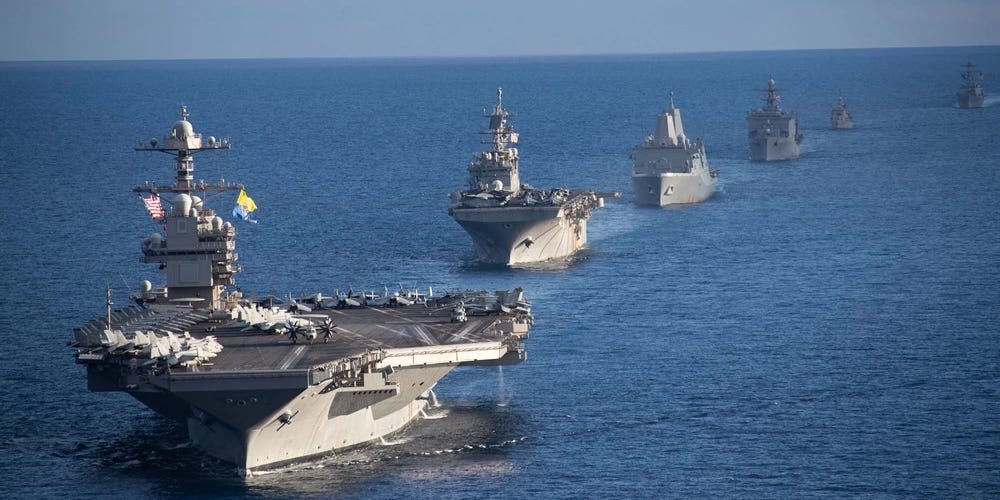
The USS Gerald R. Ford, the world's largest and most advanced aircraft carrier, completed its first full deployment, spending 8.5 months largely in the Mediterranean Sea and supporting Israel after the October Hamas attacks. The deployment was extended by 76 days as a response to the conflict, with the carrier and its strike group serving as a deterrence message. The ship conducted multinational drills, vigilance exercises, and flight operations, while also standing as a warning to certain malign actors in the region.
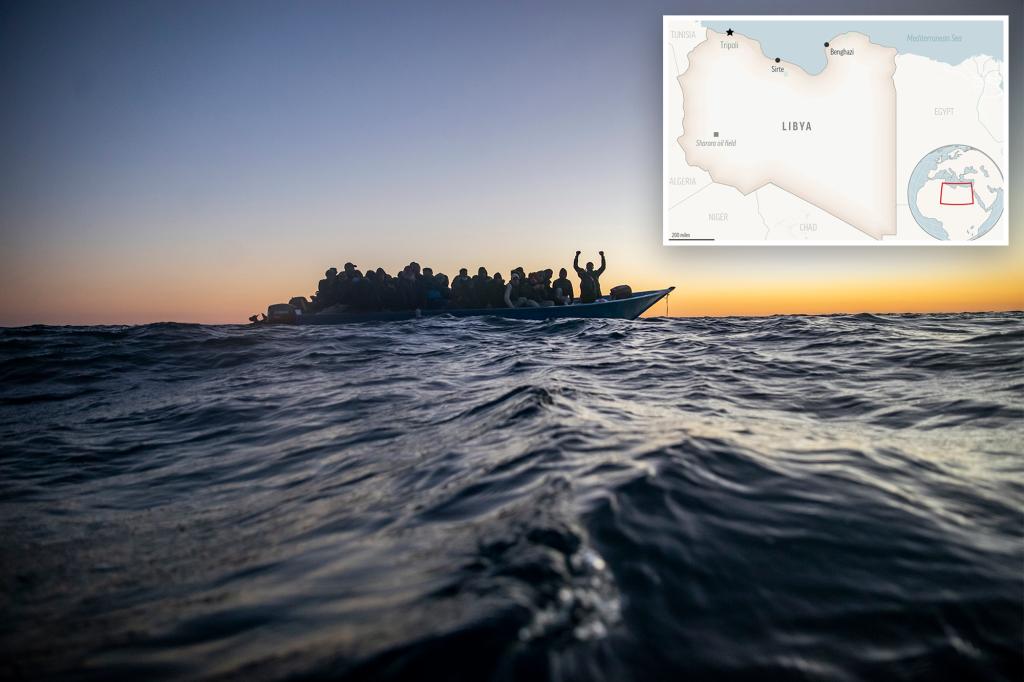
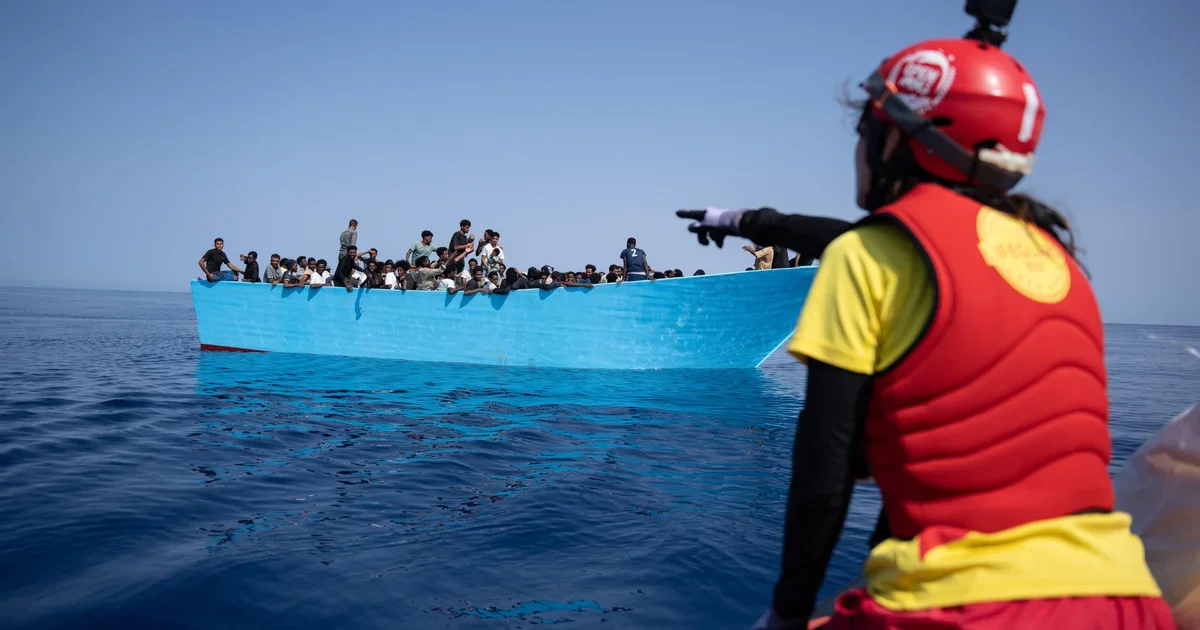
Over 60 people, including women and children, have died after a migrant boat capsized off the coast of Libya. The boat was carrying 86 migrants when it was swamped by strong waves. The central Mediterranean route remains one of the most dangerous for migrants seeking a better life in Europe. The European Union's border agency located the partially deflated rubber boat and alerted authorities, but the Libyan coastguard reportedly refused to search for the migrants. Libya has become a major transit point for migrants fleeing war and poverty, with human traffickers taking advantage of the chaos. Migrants intercepted and returned to Libya often face abuses in government-run detention centers.
Over 60 people, including women and children, have drowned after a migrant vessel capsized off the coast of Libya. The boat was carrying 86 migrants when it was swamped by strong waves. The incident highlights the dangers faced by migrants attempting to reach Europe through the central Mediterranean route. Libya has become a major transit point for migrants fleeing war and poverty in Africa and the Middle East, with thousands losing their lives on this perilous journey. Human traffickers take advantage of the chaos in Libya, smuggling migrants across the country's borders and subjecting them to abuse and exploitation.
More than 60 migrants, including women and children, drowned when their boat capsized off the coast of Libya, according to the UN migration agency. The incident highlights the dangers faced by migrants attempting to reach Europe through the central Mediterranean route, with over 2,250 deaths reported this year alone. Libya has become a major transit point for migrants fleeing conflict and poverty, but the country's instability has allowed human traffickers to exploit the situation. Migrants intercepted and returned to Libya often face abuse and inhumane conditions in government-run detention centers.
More than 60 people, including women and children, drowned when a migrant vessel capsized off the coast of Libya. The boat was carrying 86 migrants when it was swamped by strong waves near the town of Zuwara. The European Union's border agency located the partially deflated rubber boat and alerted authorities, but the Libyan coastguard reportedly refused to search for the migrants. Libya has become a major transit point for migrants fleeing war and poverty, with thousands dying on the dangerous journey to Europe. The situation highlights the urgent need for increased efforts to save lives at sea and address the abuses faced by migrants in Libya.