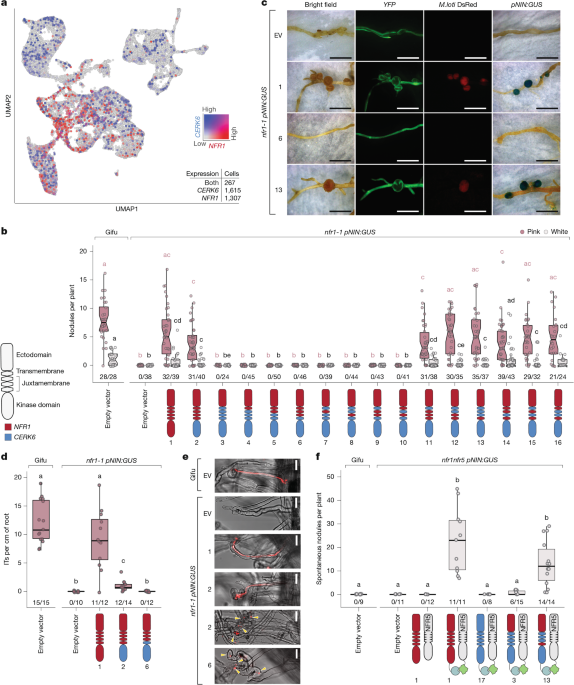
The study investigates how two specific residues in plant immunity receptors can be modified to reprogram their function, enabling them to facilitate nitrogen-fixing symbiosis, which could have significant implications for sustainable agriculture.
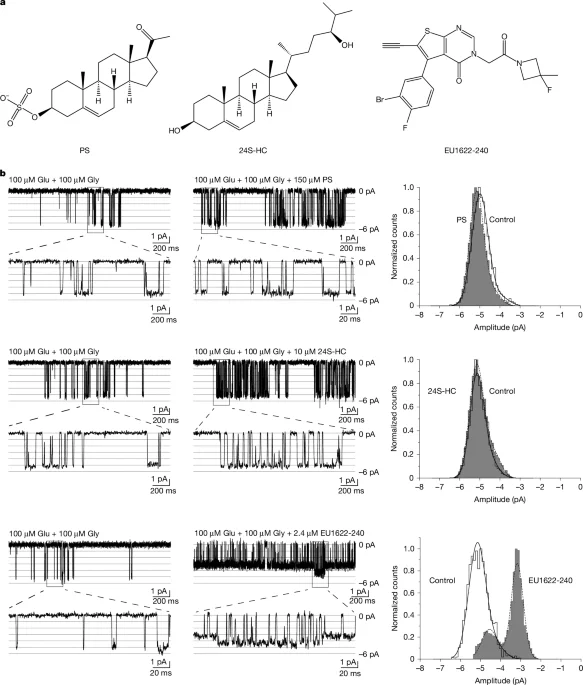
This article presents cryo-EM structures revealing the mechanisms of conductance regulation and neurosteroid binding in NMDA receptors, highlighting different conformational states and the effects of neurosteroids like 24S-HC and EU1622-240 on receptor function.
Researchers have uncovered the 3D structure of the enzyme FN3K, which breaks down glycation caused by excess sugar, revealing potential pathways for developing targeted cancer therapies by manipulating this enzyme's activity.
DeepMind has introduced AlphaFold3, an advanced AI-powered software that predicts the structure and function of every protein, significantly aiding scientific research in areas like drug discovery and bio-renewable materials. Unlike its predecessors, AlphaFold3 is not open source but is accessible for non-commercial research through the AlphaFold Server.
Researchers have used cryo-electron microscopy (cryo-EM) to investigate the structural basis of directional switching by the bacterial flagellum, a molecular motor that propels bacteria. The study provides atomic-level insights into the mechanisms underlying the ability of the flagellum to change direction, shedding light on the complex molecular machinery involved in this process. The data and code used for the analysis are publicly available, and the findings contribute to our understanding of bacterial motility and could have implications for the development of novel antimicrobial strategies.
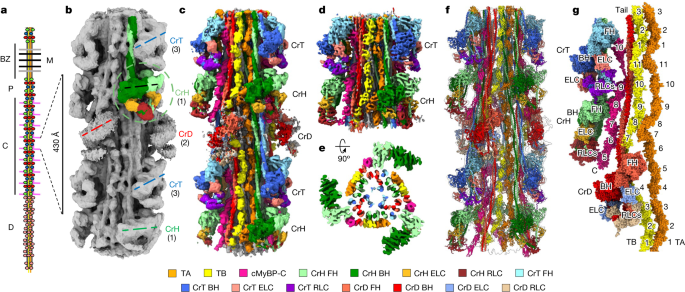
Researchers have used cryo-electron microscopy (cryo-EM) to determine the structure of the human cardiac myosin filament, a key component of muscle contraction in the heart. The study provides insights into the organization and arrangement of proteins within the filament, including myosin heads, tails, titins, and cMyBP-C. The structural data has been deposited in public databases, allowing other scientists to access and analyze the findings. This research contributes to our understanding of the molecular mechanisms underlying heart function and may have implications for the development of treatments for cardiac diseases.
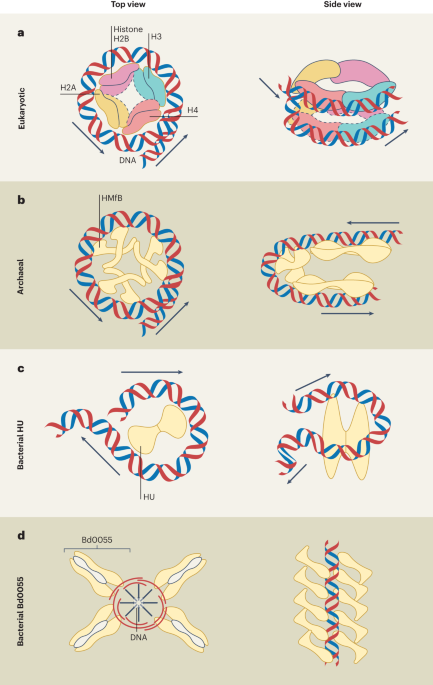
Computational and structural analyses have revealed the presence of bacterial histones that bind DNA and form dense, DNA-enveloping fibers in Bdellovibrio bacteriovorus. This discovery challenges the previous belief that bacteria lack histone-based structures and suggests that novel gene regulation and genome maintenance mechanisms may exist in prokaryotes.
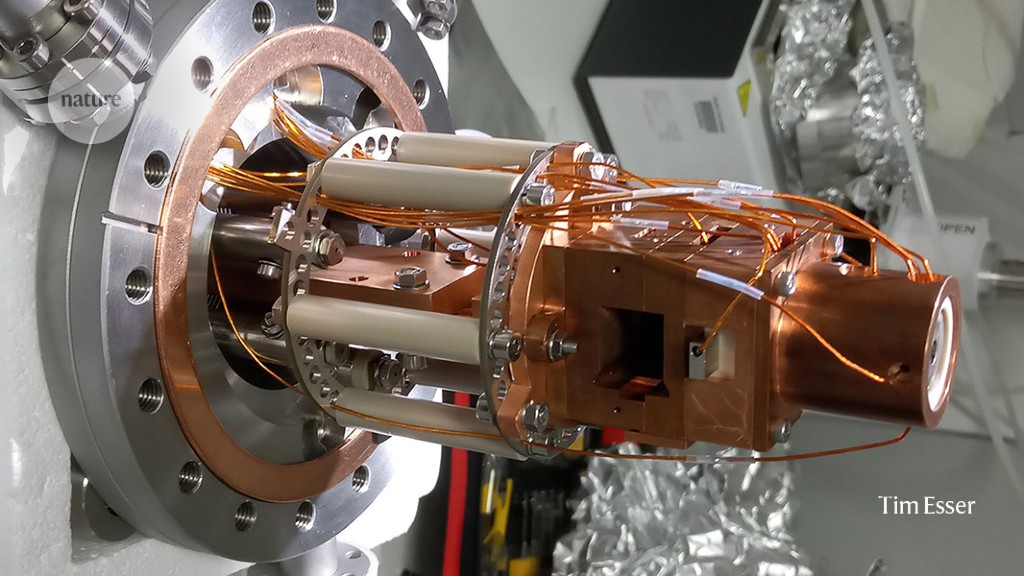
Soft-landing mass spectrometry, a technique that gently lands intact proteins for analysis, shows promise in simplifying protein structure determination for cryo-electron microscopy (cryo-EM). By minimizing damage to proteins during the landing process, researchers have achieved near-atomic-resolution cryo-EM structures for proteins. This method could revolutionize protein sample preparation, allowing for the generation of high-resolution protein structures with greater precision and efficiency. However, further research is needed to optimize the technique and ensure that proteins retain their natural structure throughout the process. Soft-landing mass spectrometry also holds potential for single-molecule protein analysis and other structural analysis methods.
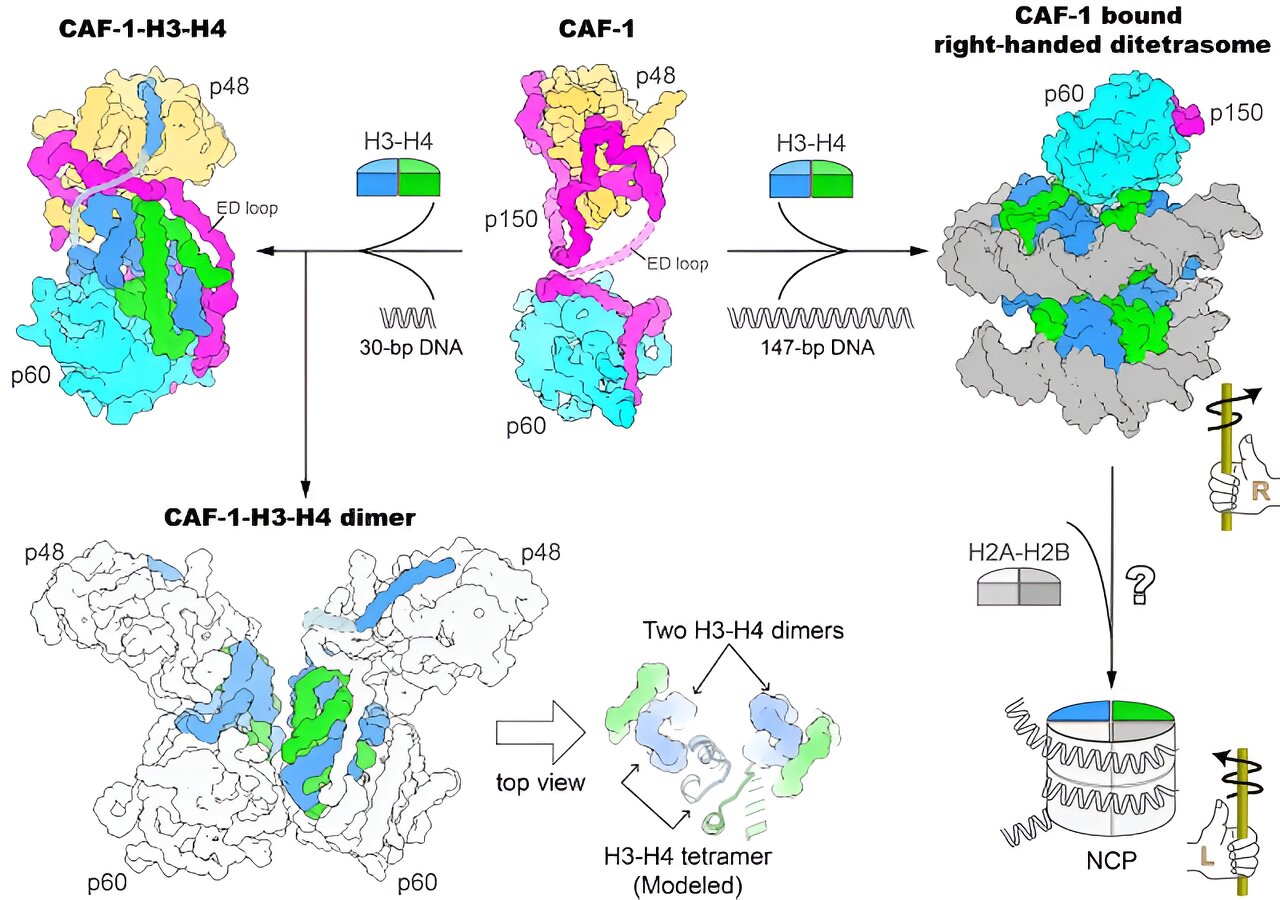
Researchers have revealed the mechanism of nucleosome assembly by chromatin assembly factor-1 (CAF-1), a protein complex responsible for depositing newly synthesized histones onto DNA. Through high-resolution structures and cryo-EM imaging, they discovered that CAF-1 binds to histones H3-H4 through specific subunits and loops. They also found that a DNA oligomer triggers the dimerization of the CAF-1-H3-H4 complex, leading to the formation of an H3-H4 tetramer. Additionally, they observed a CAF-1-bound right-handed di-tetrasome structure, suggesting the involvement of a right-handed nucleosome precursor in replication-coupled nucleosome assembly. These findings provide insights into the molecular mechanism of de novo nucleosome assembly.
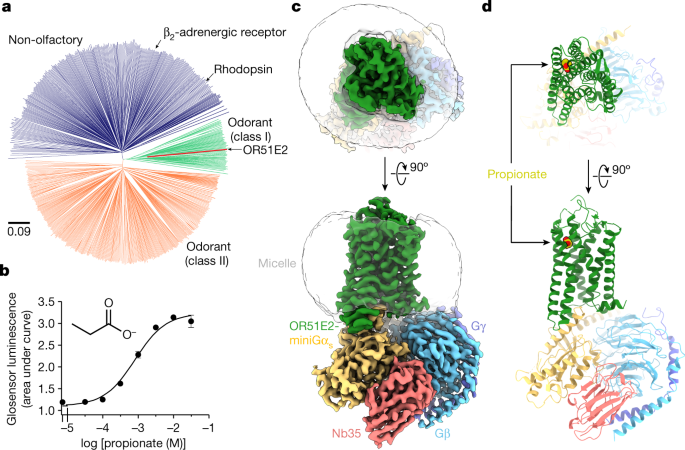
A recent study has revealed the structural basis of odorant recognition by a human odorant receptor, shedding light on the molecular mechanisms underlying the olfactory system. The study used cryo-electron microscopy to determine the structure of the receptor in complex with an odorant molecule, providing insights into how the receptor recognizes and binds to specific odorants. The findings may have implications for the development of new therapies targeting the olfactory system.