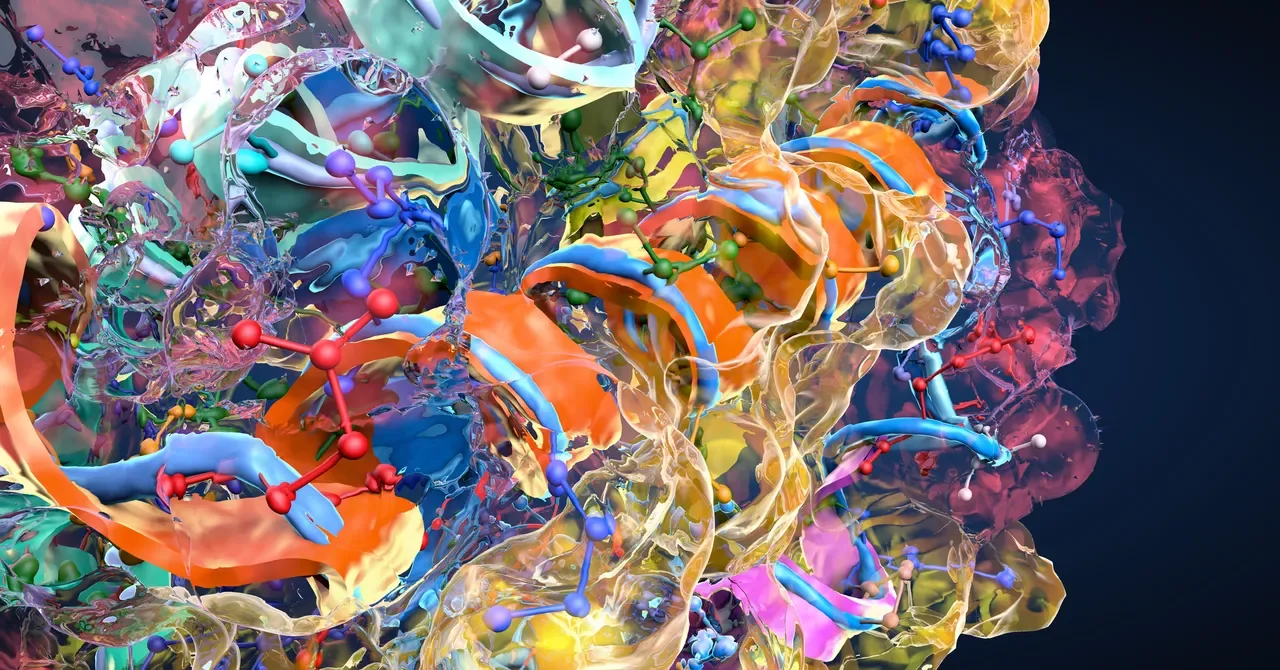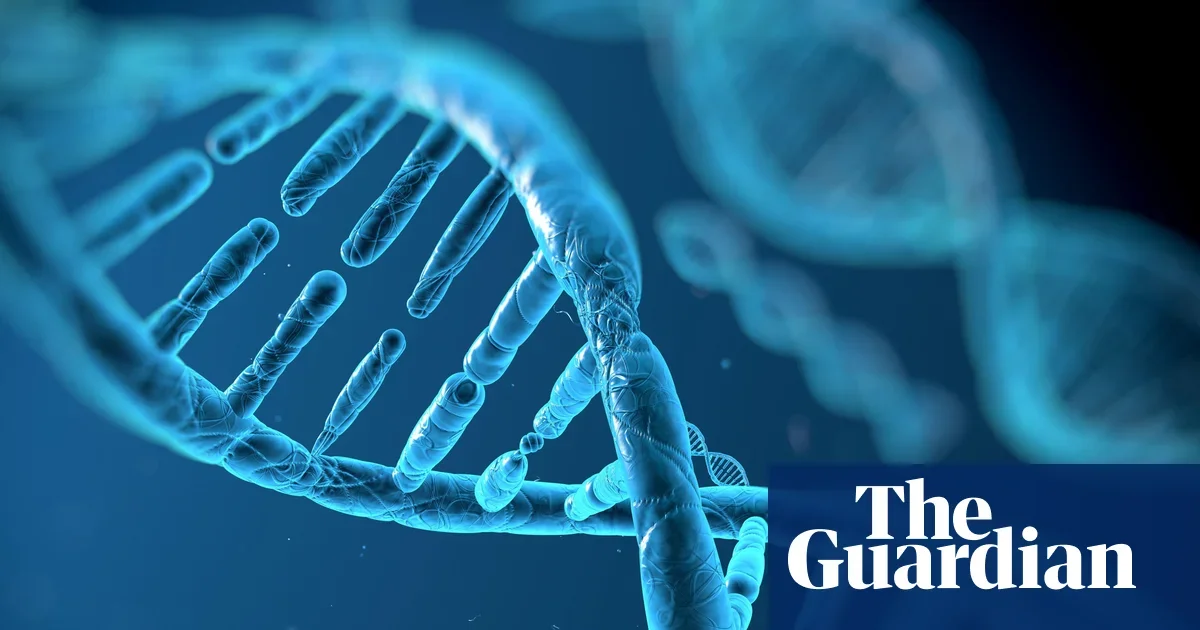
AlphaFold, developed by DeepMind, has revolutionized biology by accurately predicting protein structures, earning a Nobel Prize and expanding into DNA, RNA, and drug interactions, with ongoing advancements aimed at understanding cellular systems and improving medicine.
Google DeepMind is partnering with Commonwealth Fusion Systems to use AI for accelerating fusion energy development, including simulating plasma physics and optimizing fusion reactors, as part of broader efforts to bring fusion power closer to commercial reality in the next few years.
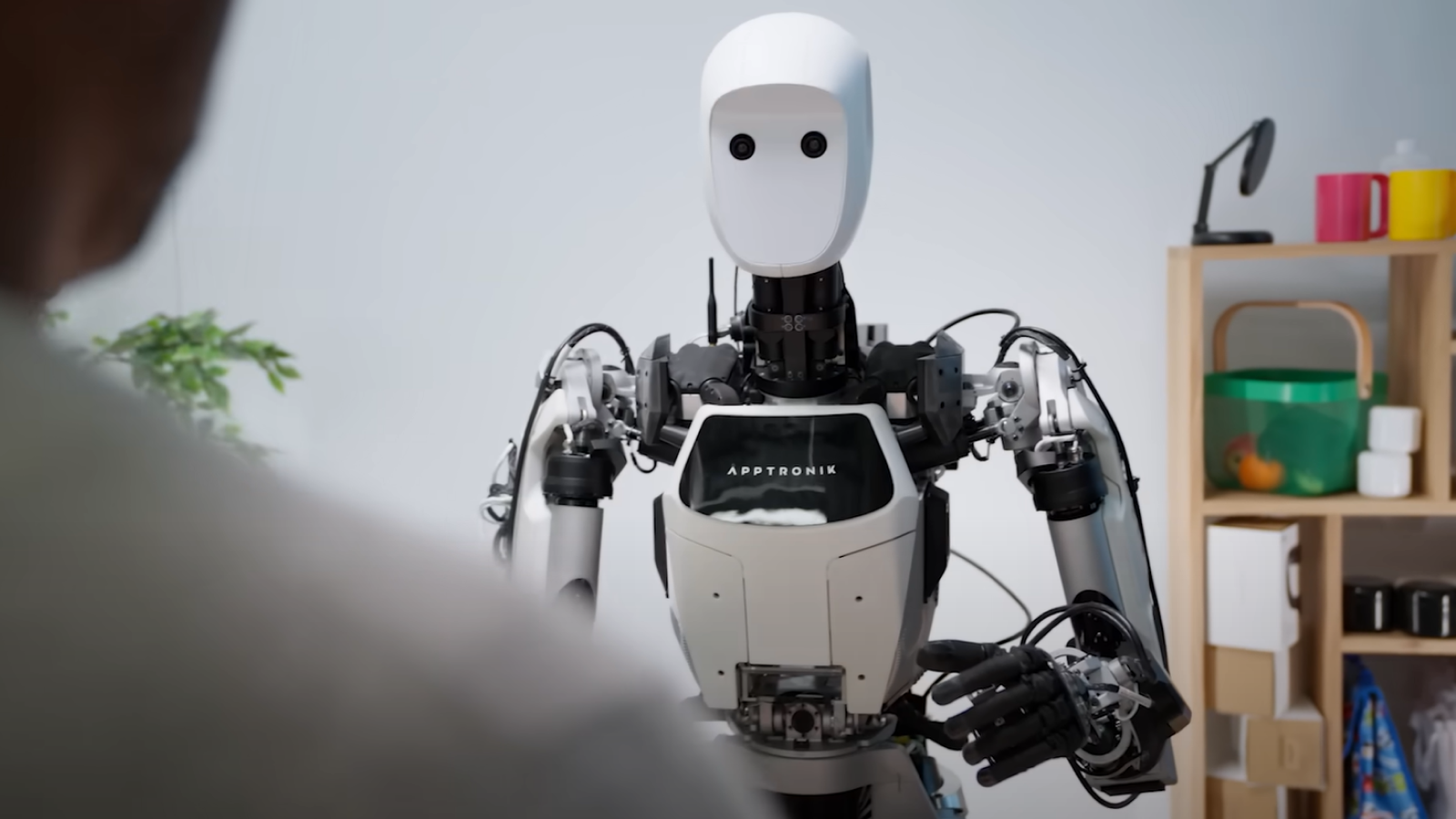
Google DeepMind has developed advanced AI models, Gemini Robotics 1.5, that enable robots to perform complex tasks, reason, and adapt in physical environments, significantly boosting robotic intelligence and versatility.
The article predicts that by 2035, Alphabet could become the Nvidia of quantum computing, leveraging its DeepMind research, custom hardware (TPUs), and quantum programming framework (Cirq) to build a dominant AI and quantum ecosystem, potentially transforming its market valuation and industry role.
Google DeepMind has developed CodeMender, an AI agent that autonomously detects, patches, and rewrites vulnerable code to enhance software security, currently in research phase with promising results in fixing open-source projects and preventing exploits.
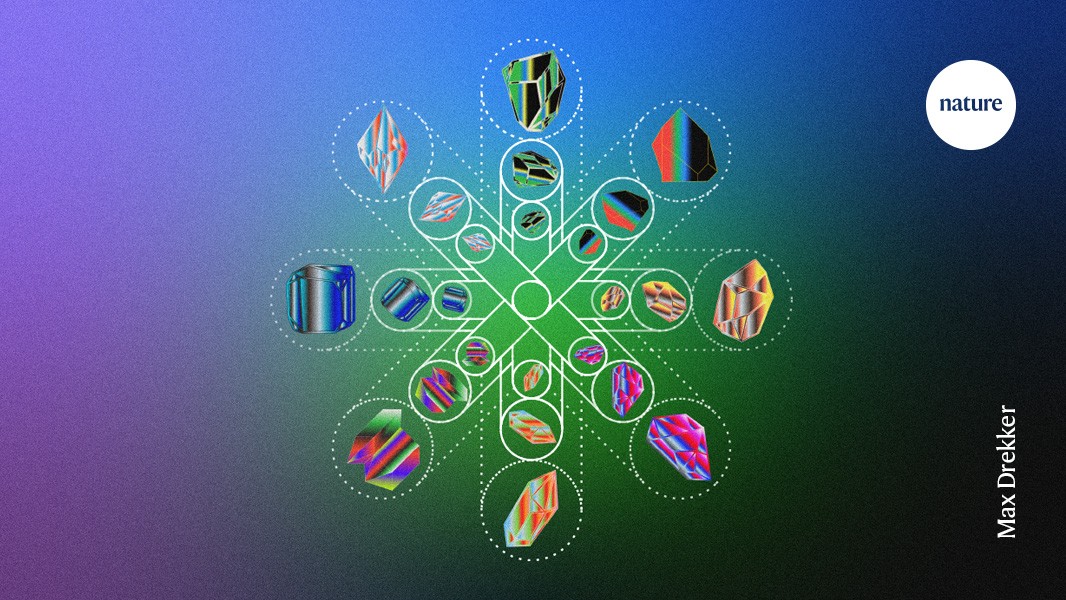
AI has generated millions of potential new materials, but many are unfeasible or unoriginal, leading to debates about its true potential in materials science. While AI accelerates discovery and offers promising tools like GNoME and A-Lab, limitations such as predicting disordered structures and overhyped claims highlight the need for collaboration with experimental chemists and cautious interpretation of results.
DeepMind and OpenAI have achieved a significant milestone in artificial intelligence by winning gold at the 'coding Olympics,' showcasing their advancements in AI capabilities.
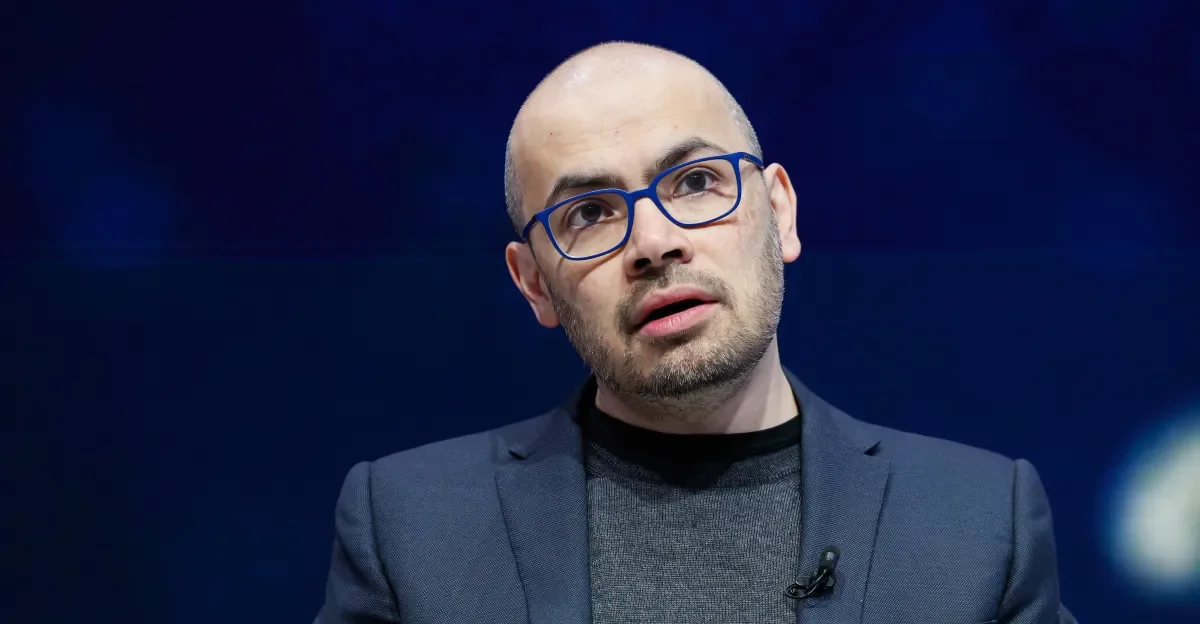
Demis Hassabis, CEO of Google's DeepMind, emphasizes that 'learning how to learn' will be the most crucial skill for the next generation due to rapid AI advancements, including the potential arrival of artificial general intelligence within a decade, which will necessitate continuous skill development and adaptation.
Google DeepMind CEO Demis Hassabis states that the main obstacle to achieving full artificial general intelligence (AGI) is AI's lack of consistency, as current models can excel in complex tasks like math competitions but still make simple errors, highlighting the need for improved reasoning, planning, and testing to overcome this uneven performance.
Google DeepMind CEO Demis Hassabis states that the main obstacle preventing AI from achieving artificial general intelligence (AGI) is its lack of consistency, particularly in reasoning and memory, despite advancements like Google's Gemini models that can excel in complex tasks but still make simple mistakes. Improving AI's reliability and developing better testing benchmarks are crucial steps forward.
Google's DeepMind has developed Genie 3, an AI system that can generate real-time, interactive virtual environments from text prompts, bringing us closer to immersive experiences like the Holodeck, with potential applications in gaming, robotics, and AI research, despite current limitations in multi-agent interactions and geographic accuracy.
DeepMind's Genie 3 is a groundbreaking real-time interactive world model that can generate realistic 3D environments from text prompts, maintain physical consistency, and learn from its own generated worlds, representing a significant step toward achieving artificial general intelligence (AGI).
DeepMind has unveiled Genie 3, a sophisticated 'world model' capable of creating real-time, interactive 3D environments that can be modified on the fly, serving as both a research tool and a potential game development aid, with higher visual fidelity and memory capabilities, aiming to advance AI training and development.
A DeepMind AI model named Aeneas has analyzed Latin inscriptions and provided a more precise date for the 'Res Gestae Divi Augusti,' suggesting it was created around A.D. 15, shortly after Augustus's death, demonstrating AI's potential to aid historical research by linking isolated data to broader social contexts.
Demis Hassabis, CEO of DeepMind and a key figure in Google's AI efforts, is increasingly central to Google's AI strategy, potentially positioning him as a future CEO. His leadership has evolved from maintaining independence for DeepMind to integrating it more deeply into Google's operations, amid intense competition in AI development, especially against rivals like OpenAI and China. Despite his scientific focus and achievements, including a Nobel Prize, Hassabis faces the challenge of balancing innovation with corporate and ethical considerations as he pushes toward artificial general intelligence.