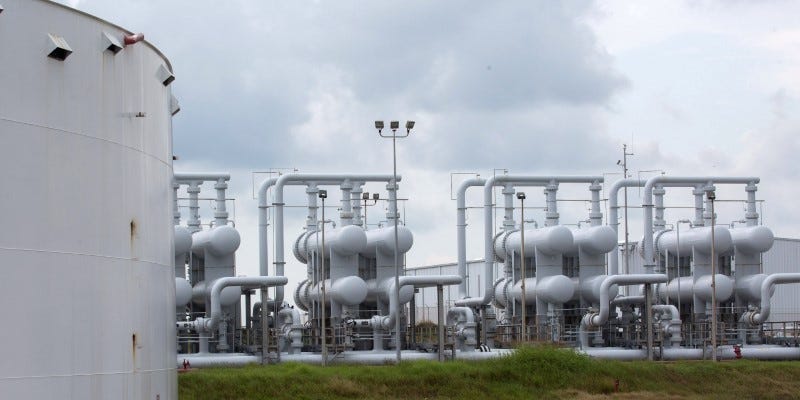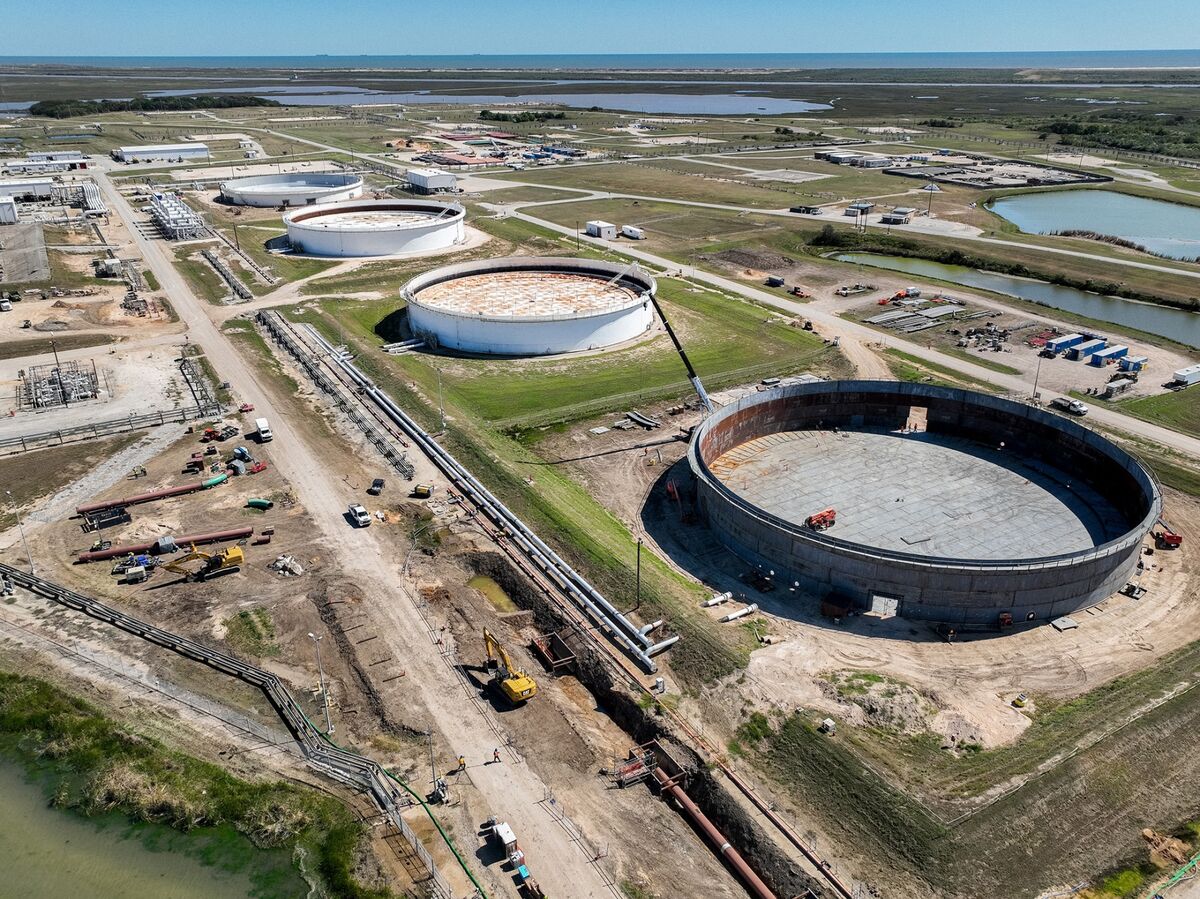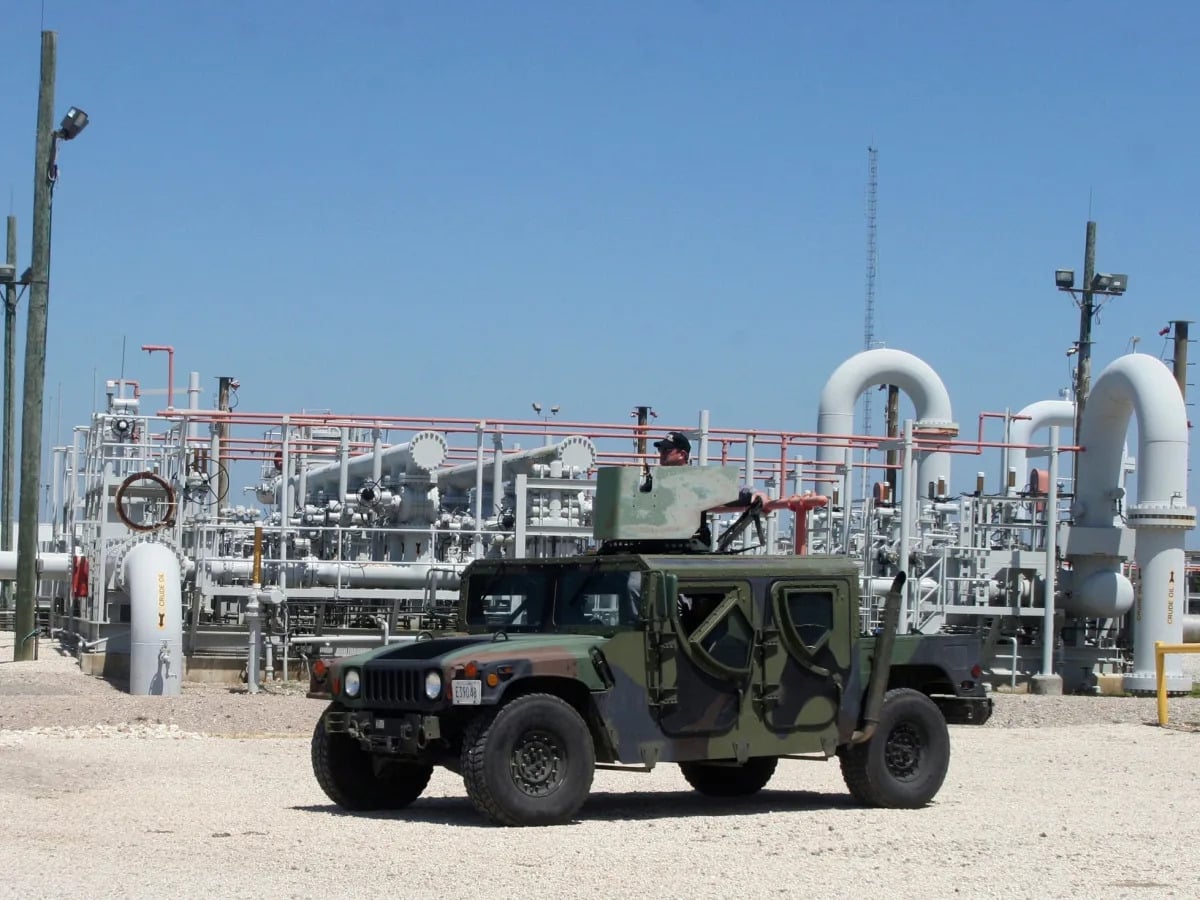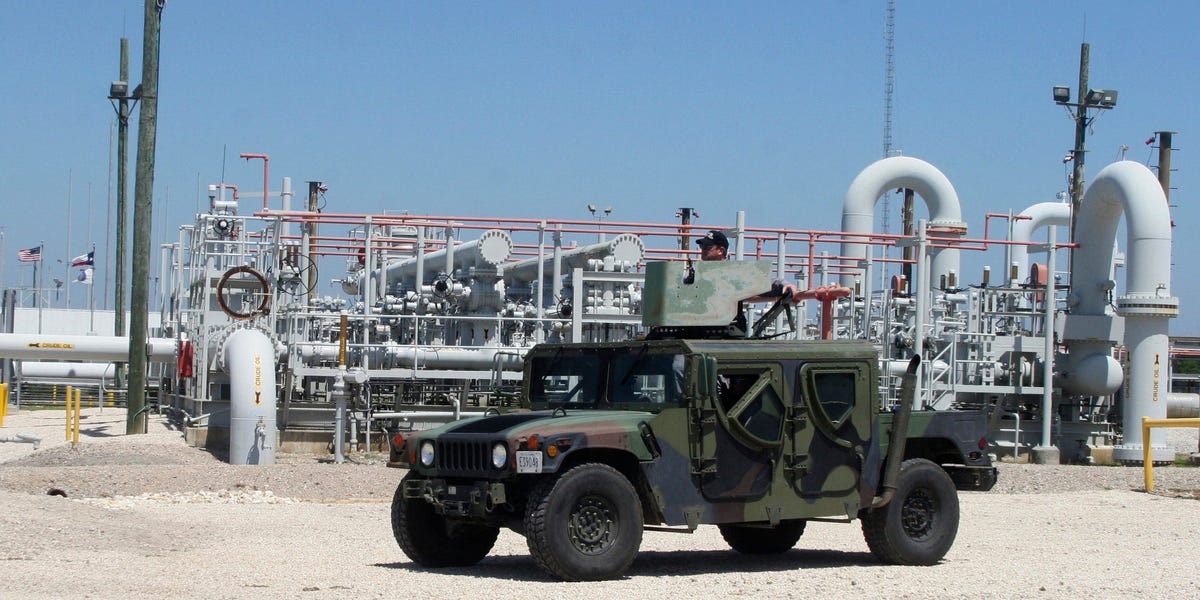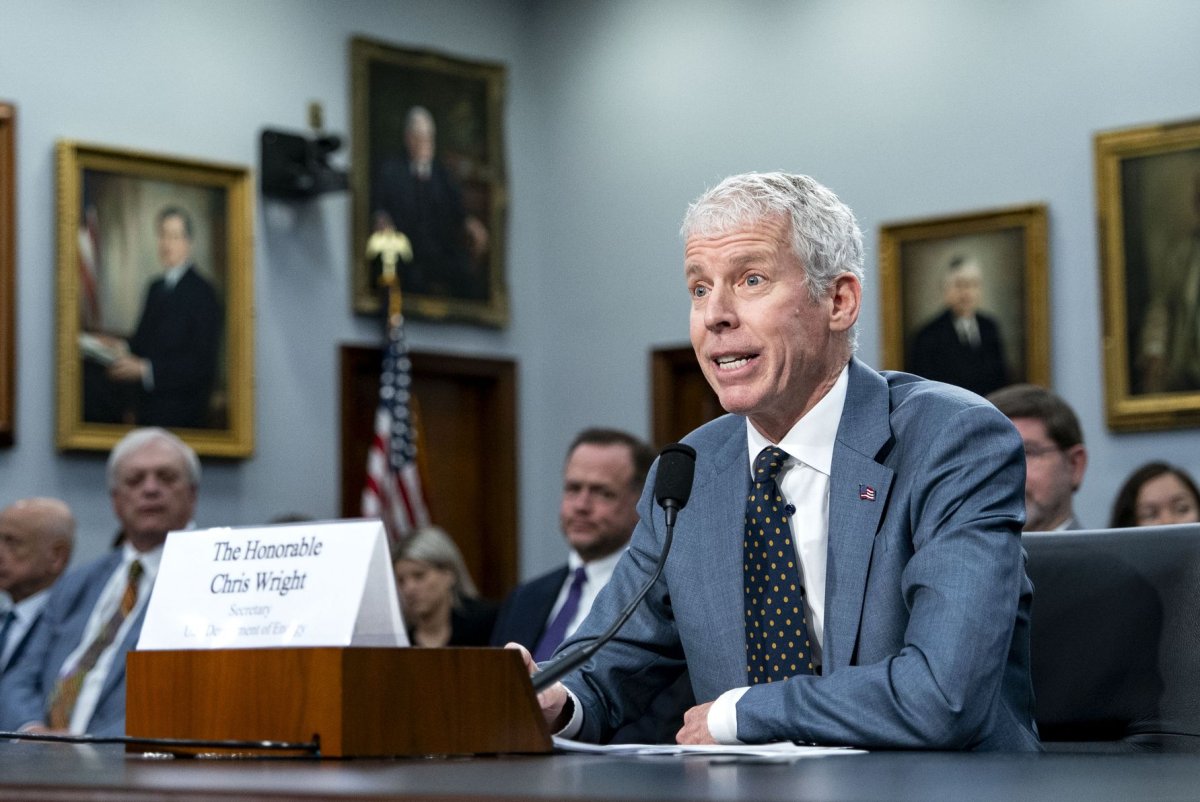
The U.S. Department of Energy approved an exchange of up to one million barrels of oil from the Strategic Petroleum Reserve with ExxonMobil to support refinery operations affected by offshore supply disruptions, with ExxonMobil returning the oil and additional barrels at no cost to taxpayers, aiming to stabilize regional fuel supplies and maintain energy independence.
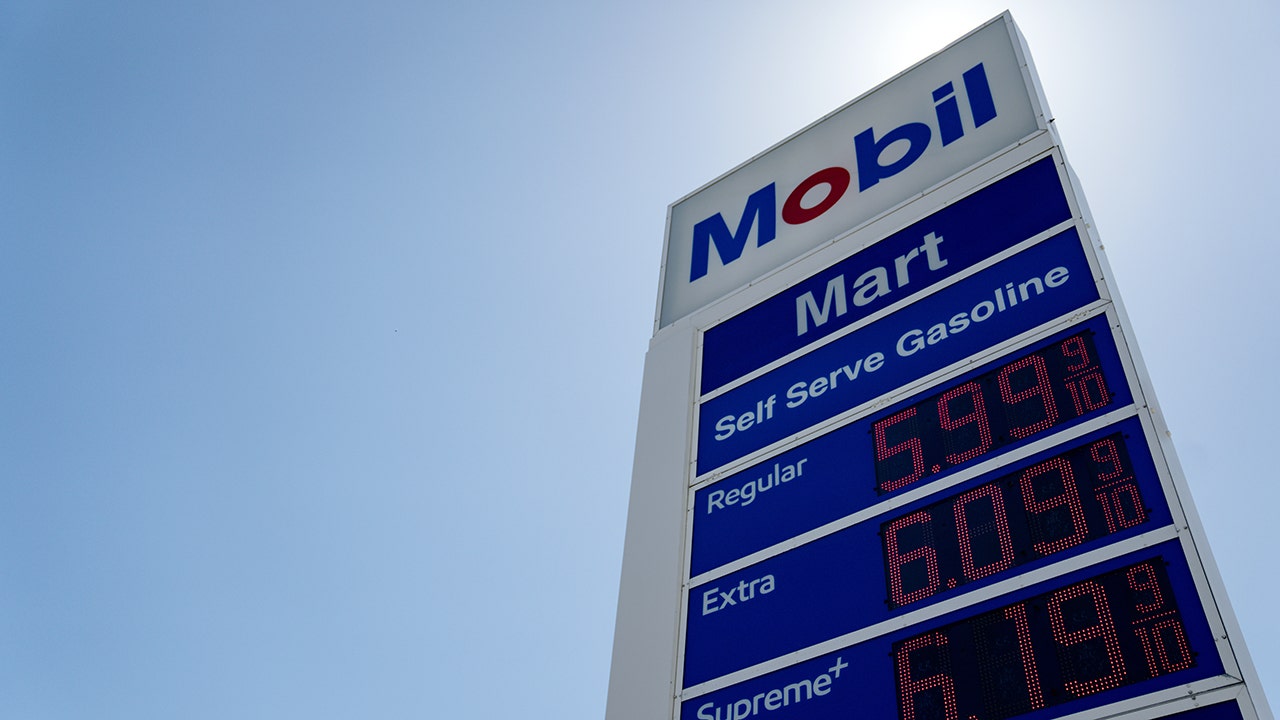
Energy prices have surged by over a third since President Biden took office, with gasoline and housing costs driving a 0.4% increase in March, higher than expected. The pursuit of clean energy through increased government spending has been criticized as out of touch, as critics point to the Inflation Reduction Act's failure to alleviate rising prices. Despite commitments to clean energy, Biden has been forced to drain the Strategic Petroleum Reserve and seek increased oil production from OPEC nations to combat high fuel prices, while canceling a plan to replenish the reserve amid rising oil prices.
The Department of Energy has canceled plans to refill America's emergency oil reserve due to surging oil prices, despite previous intentions to replenish it by the end of the year. The decision comes as the Strategic Petroleum Reserve currently holds about 363 million barrels, down from nearly 600 million at the beginning of 2022. Critics express concerns about the potential risks of depleted oil reserves and the impact on pump prices, while the Energy Department aims to monitor market dynamics and protect the taxpayer's interest.
The Biden administration has canceled a plan to purchase up to three million barrels of oil to refill the Strategic Petroleum Reserve (SPR) amid increasing oil prices, despite the reserve being at a historically low level. The Department of Energy remains committed to refilling the SPR but has pulled back its most recent solicitation for oil, citing market conditions. Critics argue that the administration's actions, including depleting the reserve in 2021 and cutting domestic oil production, have left the U.S. vulnerable to supply shocks and contributed to rising fuel prices for consumers.
The Biden administration has canceled plans to purchase oil to refill the U.S. Strategic Petroleum Reserve due to soaring oil prices, with the Energy Department citing the need to keep the taxpayer's interest in mind. The decision comes as global benchmark Brent crude prices approach $90 per barrel and concerns about supply from Russia and the Middle East persist. The administration's delay in refilling the reserve could jeopardize its goal of fully replenishing it by the end of the year, as it has struggled to do so within the specified price points. The current level of the reserve stands at around 363 million barrels, down from 600 million barrels at the start of 2022.
A funding bill up for discussion at U.S. Congress proposes selling off the 1-million-barrel Northeast Gasoline Supply Reserve in fiscal year 2024 and prohibits Chinese entities from buying crude oil from the U.S. Strategic Petroleum Reserve. The bill also aims to prevent the establishment of new regional petroleum product reserves without explicit funding approval. The proposed sale follows previous releases of crude from the SPR to stabilize oil prices, and its chances of passing appear favorable given bipartisan anti-Chinese sentiments.
The US plans to sell off its entire Northeast Gasoline Supply Reserve, located in New York Harbor, Boston, and South Portland, as part of a bill to raise funds for federal departments. The reserve, established after Superstorm Sandy, has never been used and costs $16 million annually to maintain. Critics argue that shutting it down could leave the region vulnerable to supply disruptions, while supporters claim it is too small to be effective. The bill also includes provisions to prevent the sale of reserve oil to entities linked to the Chinese Communist Party and would keep non-defense spending relatively flat compared to last year.
The U.S. funding legislation includes a measure that would prevent China from purchasing oil from the Strategic Petroleum Reserve, reflecting bipartisan concern over competition with China. This move comes after President Biden's announcement of a sale of 180 million barrels of SPR oil to address soaring gasoline prices following Russia's invasion of Ukraine. The bill, which lays out funding for government segments, is set for a House vote before the Senate considers it, with the issue of SPR oil sales to China remaining a contentious topic.
The Biden administration is seeking bids for another 3 million barrels of crude oil for the Strategic Petroleum Reserve at a price of $79 per barrel or less, as part of its effort to replenish the reserve after selling a record amount of oil in 2022. The reserve currently holds around 360 million barrels, with nearly 60% being sour crude. Analysts note that potential supply disruptions, such as the recent near-miss of a U.S.-flagged tanker by Houthi rebels in Yemen, are impacting oil markets, while Goldman Sachs predicts OPEC+ will extend production cuts to maintain a moderate deficit in the market.
Crude oil inventories in the US unexpectedly rose by 483,000 barrels, contrary to analyst predictions of a draw. Gasoline and distillate inventories also saw significant builds, while Cushing inventories fell. Despite the inventory increases, oil prices were mixed, with Brent crude trading down and WTI trading up compared to the previous week.
Crude oil prices rose as the US government announced plans to buy up to 3 million barrels for the strategic petroleum reserve, with a total of 9 million barrels already purchased. While the news provided support, concerns about China's oil demand and oversupply perceptions continue to cap gains. Despite OPEC+ production cuts, falling oil prices for seven consecutive weeks have been driven by expectations of slower demand growth and record-breaking US production. The true floor for oil prices remains uncertain.
The US government plans to purchase 3 million barrels of oil in March 2024 to replenish the Strategic Petroleum Reserve, which currently stands at 352 million barrels, near 40-year lows. The emergency stockpile was tapped heavily last year to stabilize oil prices after Russia's invasion of Ukraine. The Energy Department aims to buy oil at $79 a barrel or below, taking advantage of low prices. There is a physical limit to how much oil the SPR can take at a time, but the government intends to continue refilling the reserves on a monthly basis.
The US plans to purchase oil for its strategic petroleum reserve (SPR) on a monthly basis through at least May, as the Biden administration aims to replenish the reserve, which is currently at its lowest levels in 40 years. The Energy Department has issued a solicitation to buy up to 3 million barrels of sour oil for delivery in March, following a previous tender for the same amount in February.
The US is refilling its Strategic Petroleum Reserve (SPR) at a rate of 3 million barrels per month as oil prices decline, but there are physical limits to how much can be stored, according to a top energy official. The SPR currently holds 352 million barrels, less than half of its 2010 peak. While the Biden administration plans to continue refilling the reserve, the current rate of 3 million barrels per month represents the physical limit of capacity. The goal is to ensure a sufficient emergency stockpile for future needs.
The US is refilling its Strategic Petroleum Reserve (SPR) at a rate of 3 million barrels per month as oil prices decline, but there are physical limits to how much can be stored, according to a top energy official. The SPR currently holds 352 million barrels, less than half of its 2010 peak, and the Biden administration aims to continue refilling it as much as possible. However, the current rate of 3 million barrels per month represents the physical limit of the US's capacity to buy back oil.