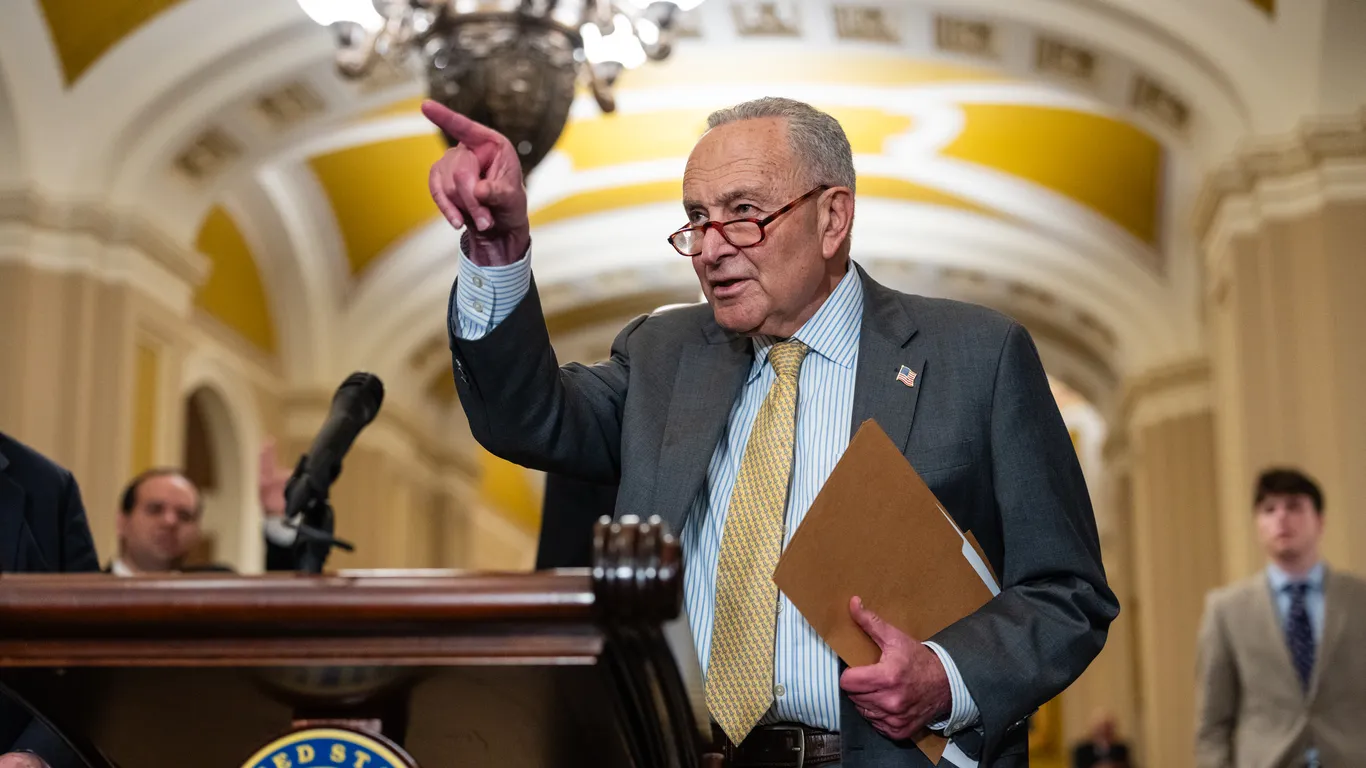
Senate leaders are debating how to proceed with government funding during a shutdown, with Democrats cautious about supporting individual bills without broader agreements, while Republicans seek to attach funding measures for defense, Labor, and Health and Human Services. The situation is complicated by negotiations over health care subsidies, federal worker rehiring, and judicial appointments, with no clear resolution in sight.
House GOP leaders are not exempting flood insurance from the government shutdown, as Democrats weigh whether supporting a full-year appropriations bill will weaken their negotiating position amid ongoing partisan standoff, with key votes and legislative moves planned in the Senate.
Senate Democrats support the first appropriations bill but remain cautious about supporting a continuing resolution, keeping the threat of a government shutdown in October on the table, while Democrats and Republicans debate the role of rescissions in the funding process and leverage over upcoming budget negotiations.
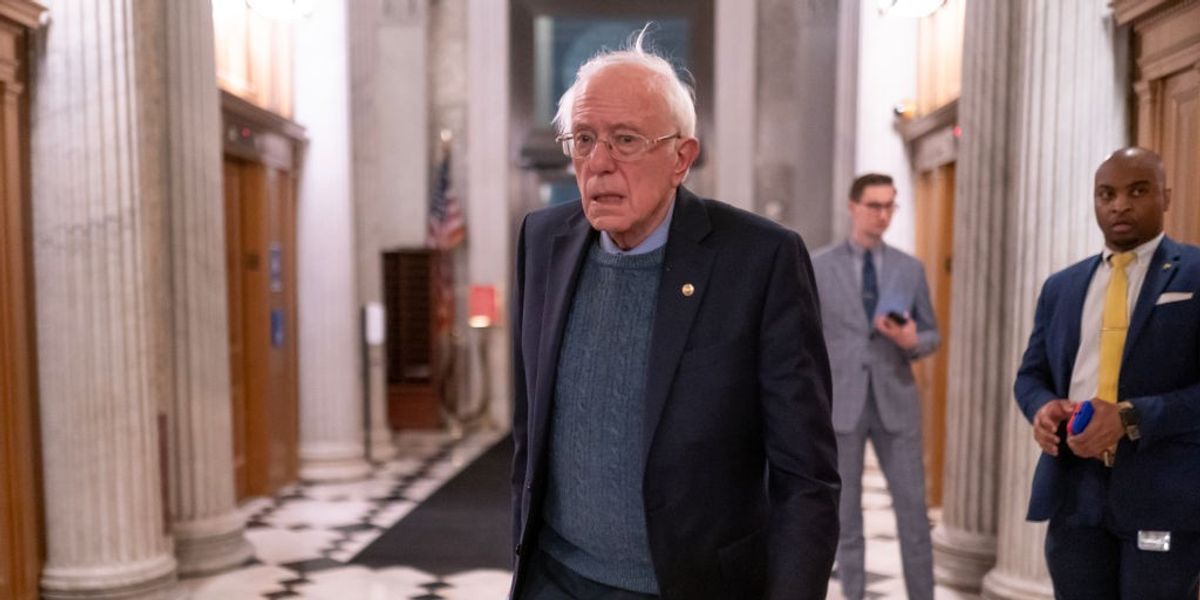
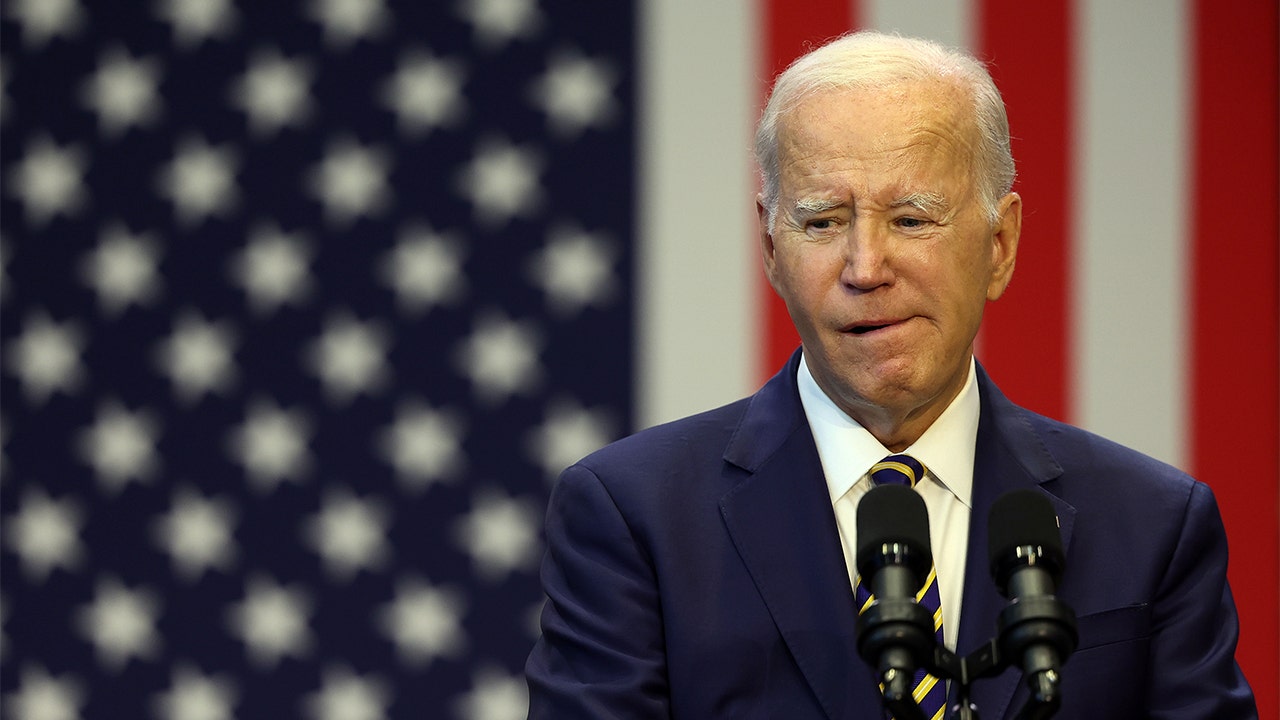
Senator Bernie Sanders voted against the US government appropriations bill, criticizing its prohibition of funding to the UN aid agency in Gaza and the provision of $3.3 billion in military aid to Netanyahu's government. Sanders argued that this aid would only intensify the situation in Gaza, where hundreds of thousands of Palestinian children face starvation. President Biden later signed the $1.2 trillion government funding bill into law to prevent a government shutdown.
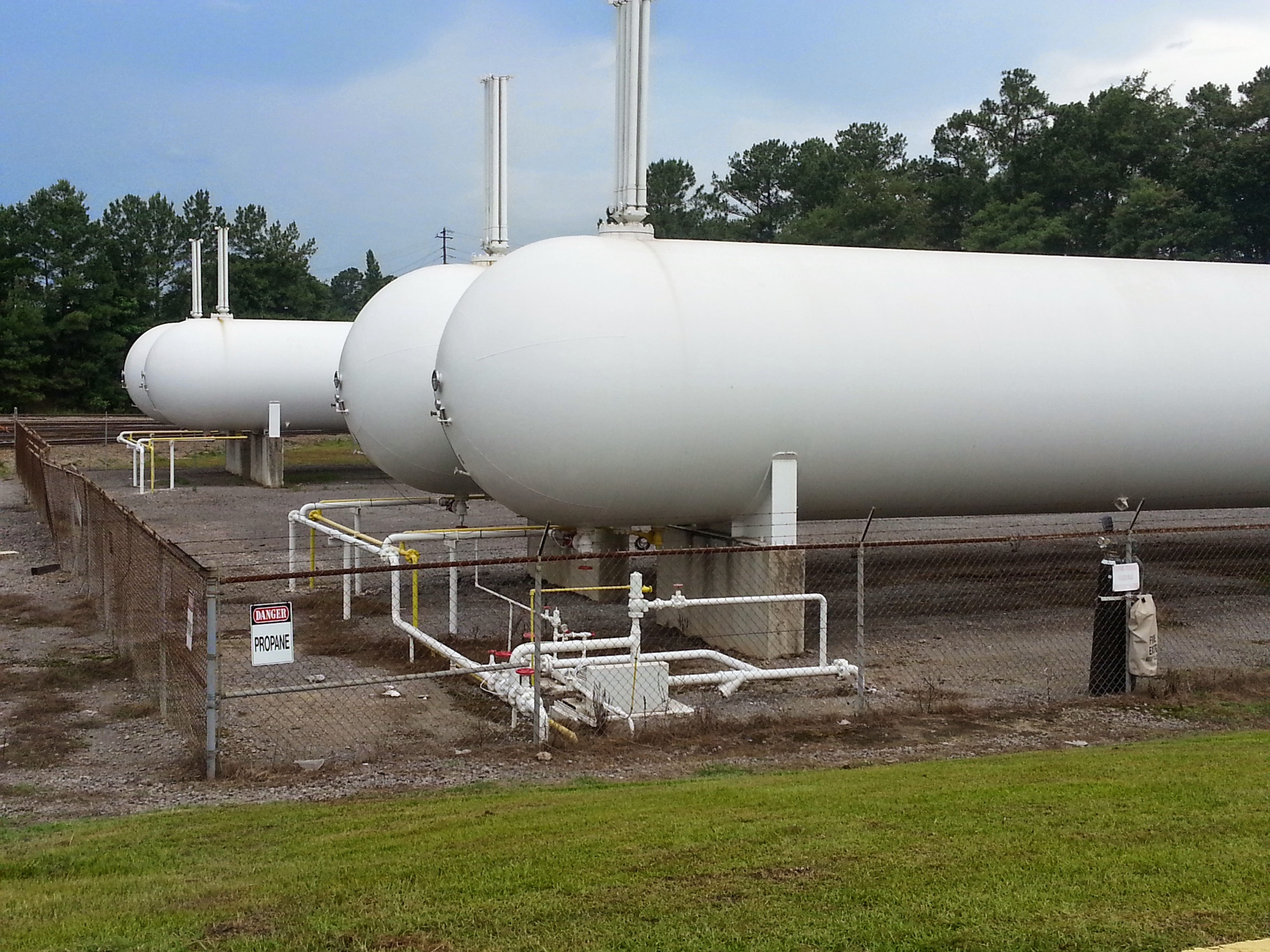
The US plans to sell off its entire Northeast Gasoline Supply Reserve, located in New York Harbor, Boston, and South Portland, as part of a bill to raise funds for federal departments. The reserve, established after Superstorm Sandy, has never been used and costs $16 million annually to maintain. Critics argue that shutting it down could leave the region vulnerable to supply disruptions, while supporters claim it is too small to be effective. The bill also includes provisions to prevent the sale of reserve oil to entities linked to the Chinese Communist Party and would keep non-defense spending relatively flat compared to last year.
The House has passed an appropriations bill that would significantly reduce the budget of the Environmental Protection Agency (EPA) and promote energy and mineral production on public lands. The bill, which faces a potential veto from the White House, would cut EPA funding by 39% compared to the previous year, returning it to 1990s levels. It also includes provisions to repeal certain EPA actions, such as the Waters of the United States rule, and restricts the agency from imposing greenhouse gas emissions reporting and permitting requirements for livestock emissions. The bill also provides a reduced budget for the Department of the Interior (DOI) and its subagencies, with funding cuts for the Bureau of Land Management, Fish and Wildlife Service, and National Park Service. It aims to increase oil and gas lease sales, critical mineral production, and limit the use of the Endangered Species Act to restrict resource extraction on public lands.
House Republicans have advanced an appropriations bill that would increase spending for the Department of Veterans Affairs (VA) by $18 billion from last fiscal year but significantly reduce a key fund providing care for veterans exposed to toxic chemicals. The bill would fully fund the VA budget request and provide about $152 billion in discretionary spending for the agency, up from the Biden administration’s request of $142.8 billion. However, Democrats have raised concerns over a $14.7 billion cut to the Toxic Exposures Fund from the Biden administration’s request of about $20 billion for the medical benefits allocation.