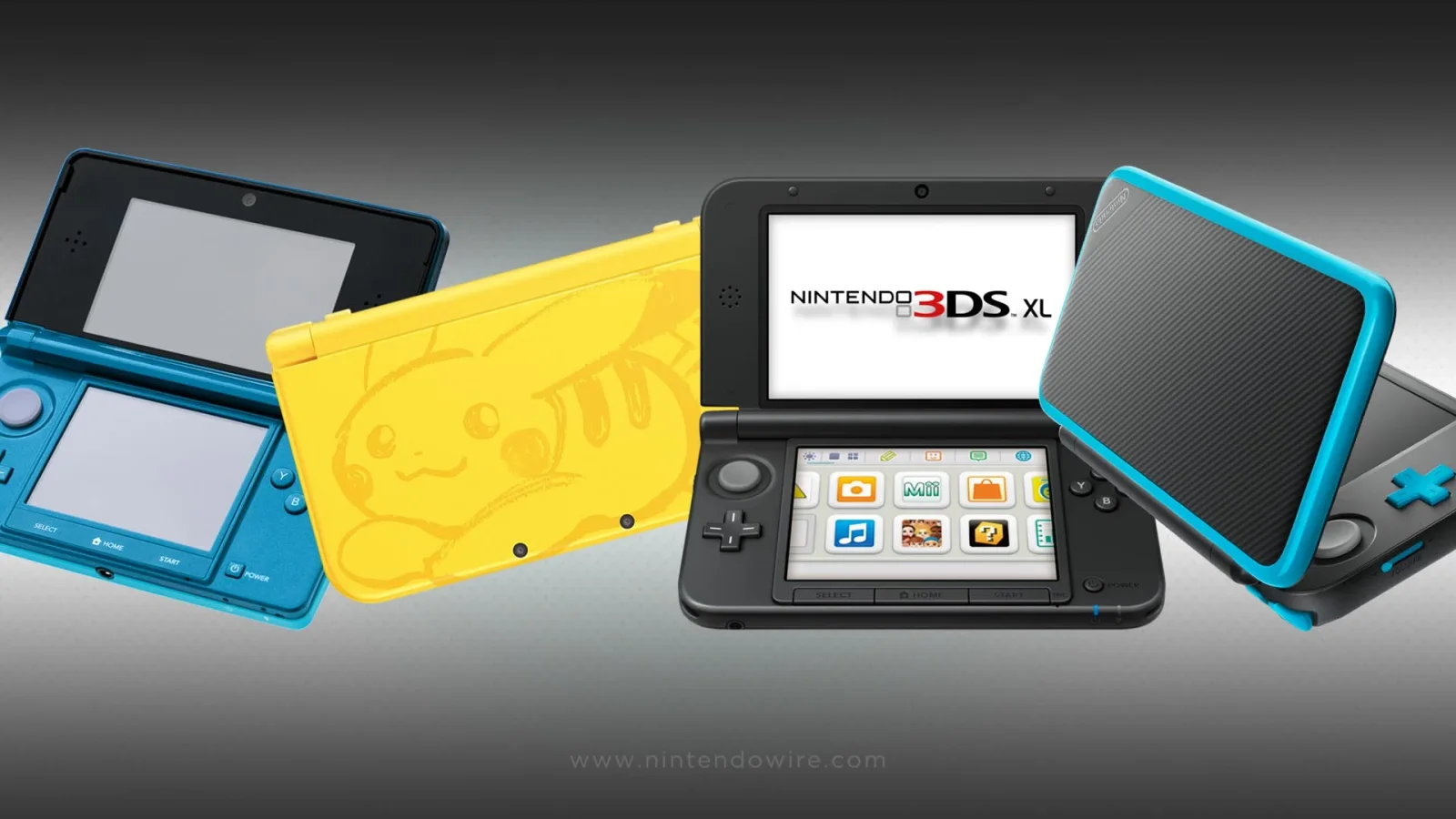
Used Nintendo 3DS prices have surged recently, with New 3DS XL consoles reaching $200-350 on eBay, likely due to broader tech hardware shortages driven by the AI boom and DRAM shortages, affecting prices across gaming and tech markets. This increase makes buying or modding a 3DS more expensive, suggesting potential price stabilization in the future.
Brazil's beef supply is tightening as ranchers begin retaining female cattle to rebuild herds, signaling a shift from surplus to scarcity that could raise global beef prices and impact affordability, especially in the US where prices are already high due to drought and high feed costs.
Gold and silver prices have reached record highs due to geopolitical and economic uncertainties, including a declining US dollar, inflation, and global unrest, prompting increased demand for these safe-haven assets amid volatile markets.
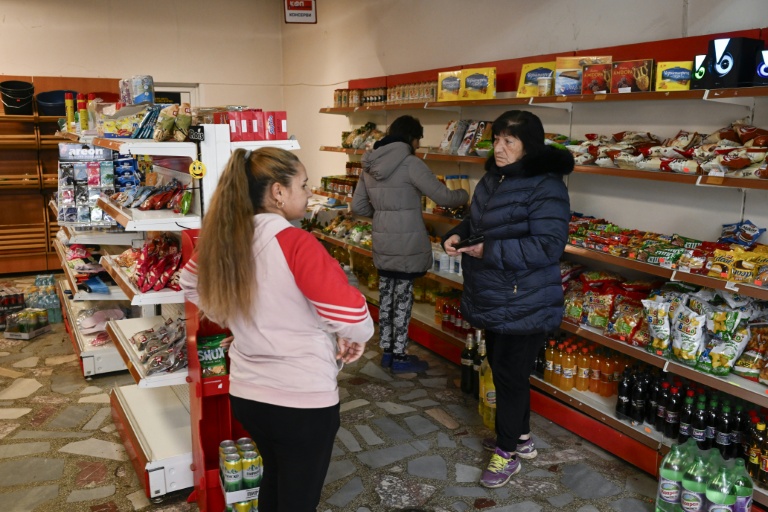
In Bulgaria, especially in small villages like Chuprene, there is widespread concern that adopting the euro will lead to higher prices and economic hardship, despite the country's progress in joining the eurozone and improving its economy. Many villagers fear becoming poorer due to inflation and low financial literacy, with small businesses worried about chaos and confusion during the transition.
A Counterpoint Research report predicts that in 2026, smartphone prices will rise by up to 6.9% due to surging memory costs, while shipments decline by 2.1%. This increase in costs is likely to lead manufacturers to cut features like RAM and reduce the availability of budget options, making new phones more expensive and less feature-rich, which may impact consumers' upgrade plans.
Economists warn that while Americans desire lower prices for essentials like groceries, housing, and energy, falling prices could have negative effects on the economy, suggesting that lower prices are not always beneficial.
President Trump made numerous false claims about inflation and prices, including asserting that prices have fallen under his administration, which is contradicted by official data showing inflation and rising costs in various sectors like groceries, drugs, and energy. His claims about gas prices, drug costs, and inflation rates are also misleading or incorrect, with some exaggerations and inaccuracies highlighted by fact-checkers.
President Trump claimed that tariffs he imposed are the main reason American cattle ranchers are doing well and urged them to lower their prices, emphasizing the impact of tariffs on the industry and the importance of consumer factors.
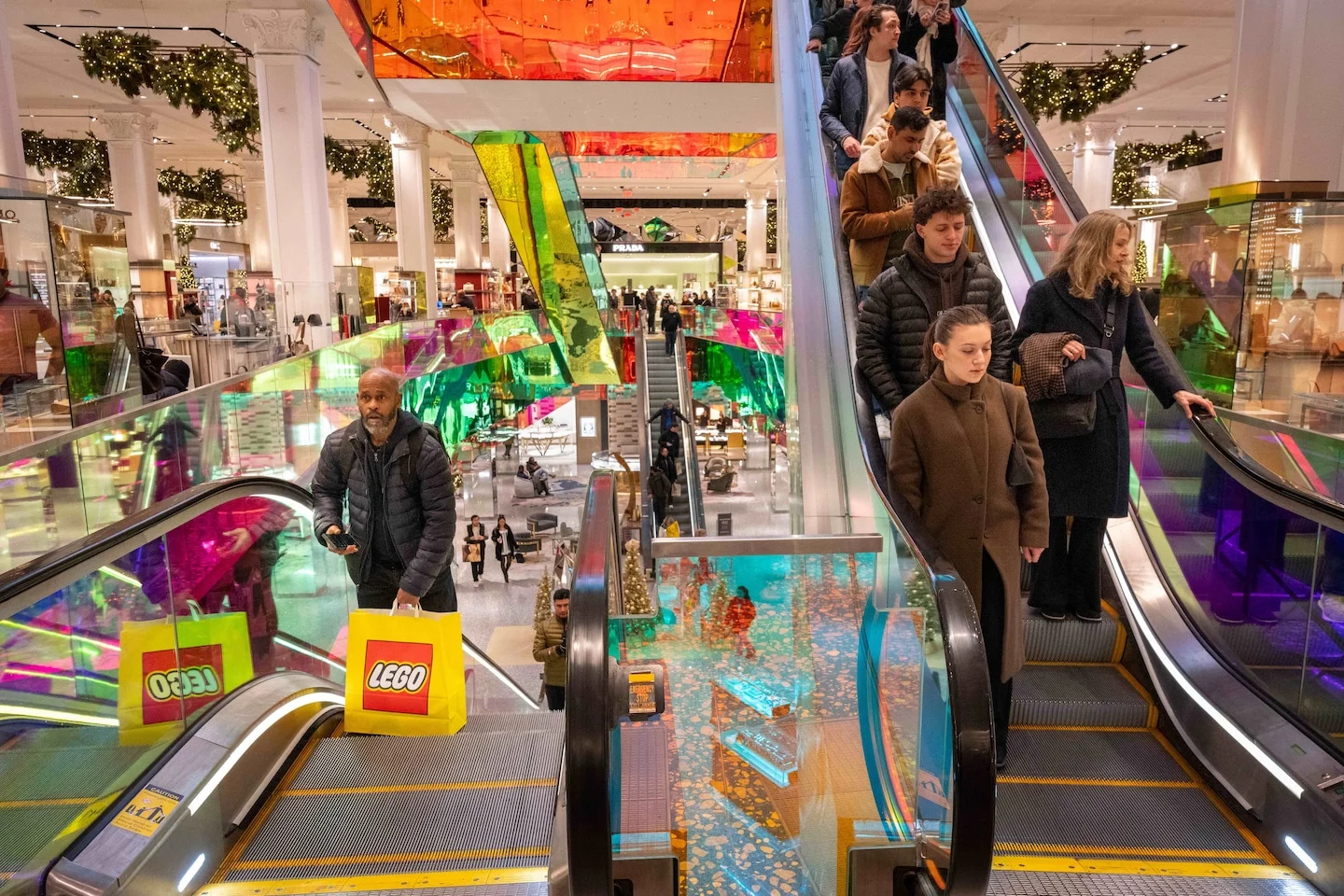
U.S. President Trump's threat of 100% tariffs on Chinese imports could lead to higher prices and supply chain disruptions for retailers during the crucial holiday shopping season, causing uncertainty and potential shifts in consumer demand and retail stock performance.
Used car prices in the US have surged due to supply chain disruptions, increased demand, higher new car prices, and tariffs, making it difficult for consumers to find affordable options and resetting expectations for car buying in the current market.
President Trump announced new tariffs on furniture, kitchen cabinets, and pharmaceuticals, ranging from 25% to 100%, which are expected to increase prices for consumers and impact various industries, though the effects may be tempered by market demand and existing trade agreements.
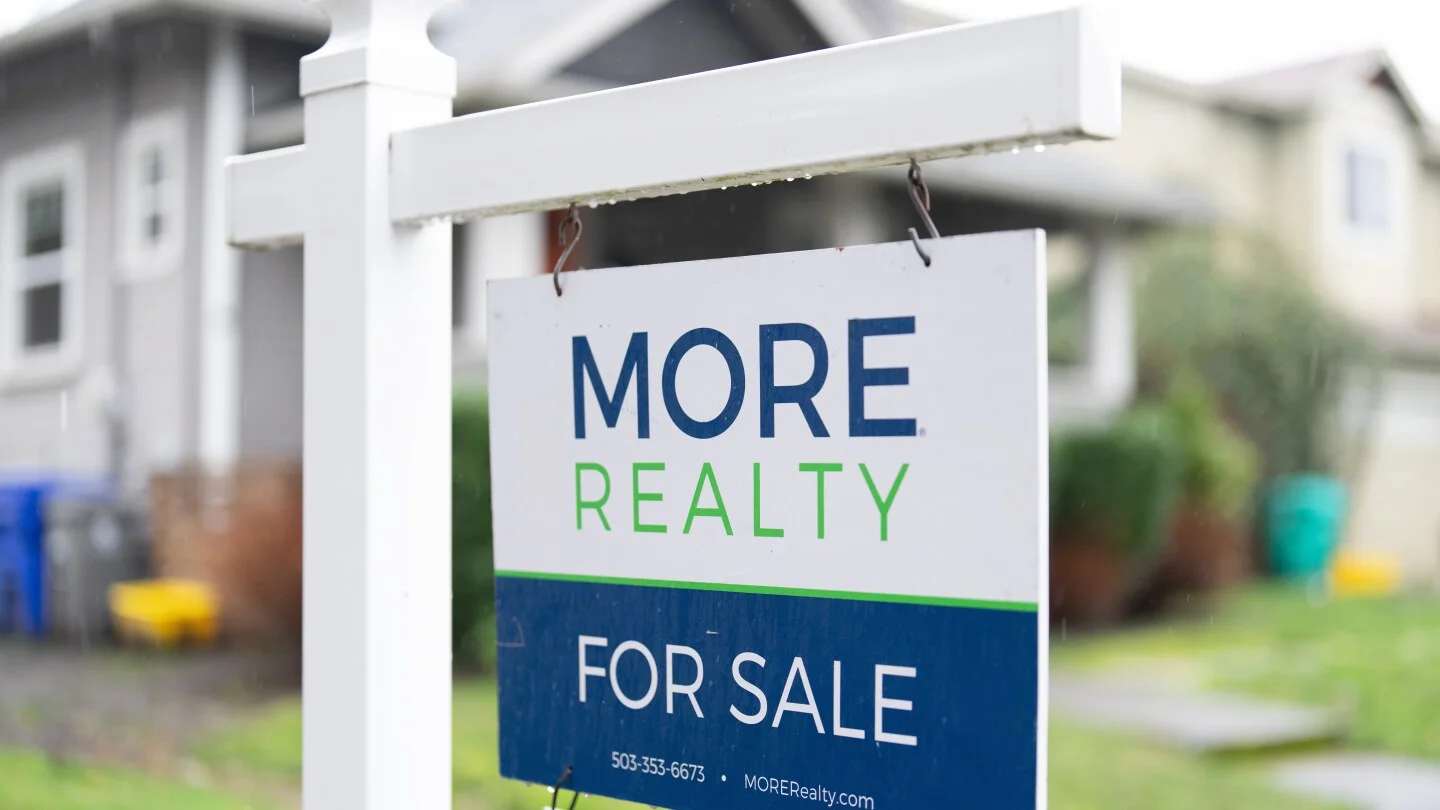
Existing home sales in August remained flat amid rising mortgage rates, with higher-end homes performing better than affordable ones. Supply decreased slightly, helping keep prices up, while homes stayed on the market longer. The Midwest showed stronger activity, and overall market conditions remain constrained by limited inventory and high mortgage costs.
President Trump faces an economic trilemma of trying to boost US manufacturing, reduce immigration, and keep prices low, but experts say he cannot achieve all three simultaneously due to inherent tradeoffs, including higher costs, reduced foreign investment, and labor shortages.
Walmart reports that tariff costs are increasing weekly and will continue to do so throughout the year, leading to some price hikes on goods, though overall sales remain strong and customer behavior has been relatively unaffected by the tariffs.
Parents are experiencing sticker shock this back-to-school season due to rising prices in apparel, shoes, and accessories, largely driven by tariffs resulting from the trade war, which have increased costs for imported goods and led to higher retail prices and fewer discounts.