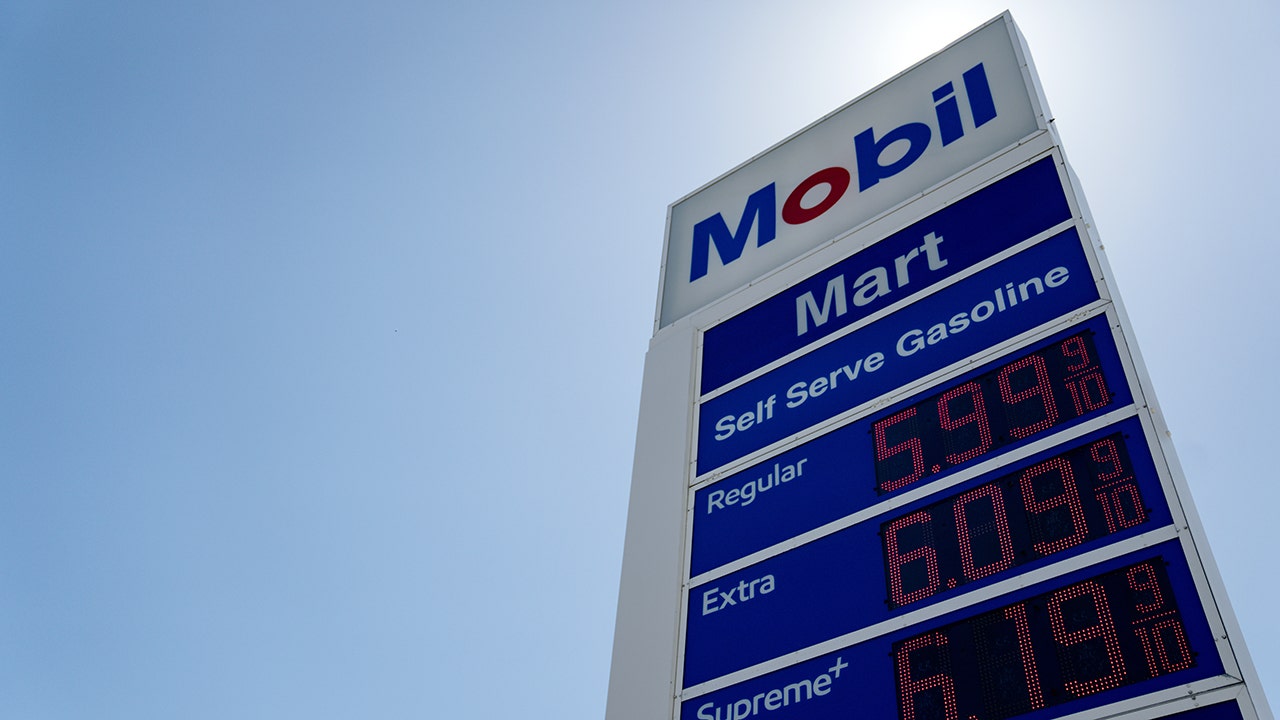
Energy prices have surged by over a third since President Biden took office, with gasoline and housing costs driving a 0.4% increase in March, higher than expected. The pursuit of clean energy through increased government spending has been criticized as out of touch, as critics point to the Inflation Reduction Act's failure to alleviate rising prices. Despite commitments to clean energy, Biden has been forced to drain the Strategic Petroleum Reserve and seek increased oil production from OPEC nations to combat high fuel prices, while canceling a plan to replenish the reserve amid rising oil prices.
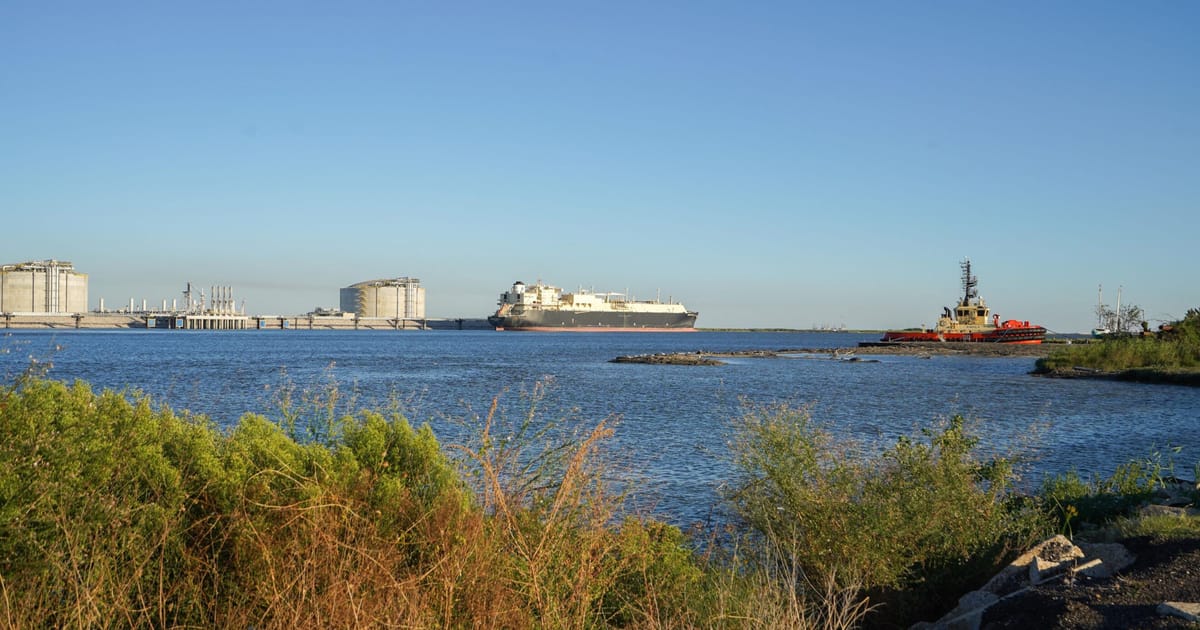
Europe faces a new energy risk as it considers trading its reliance on Russia for America, amid concerns over potential geopolitical and economic implications.
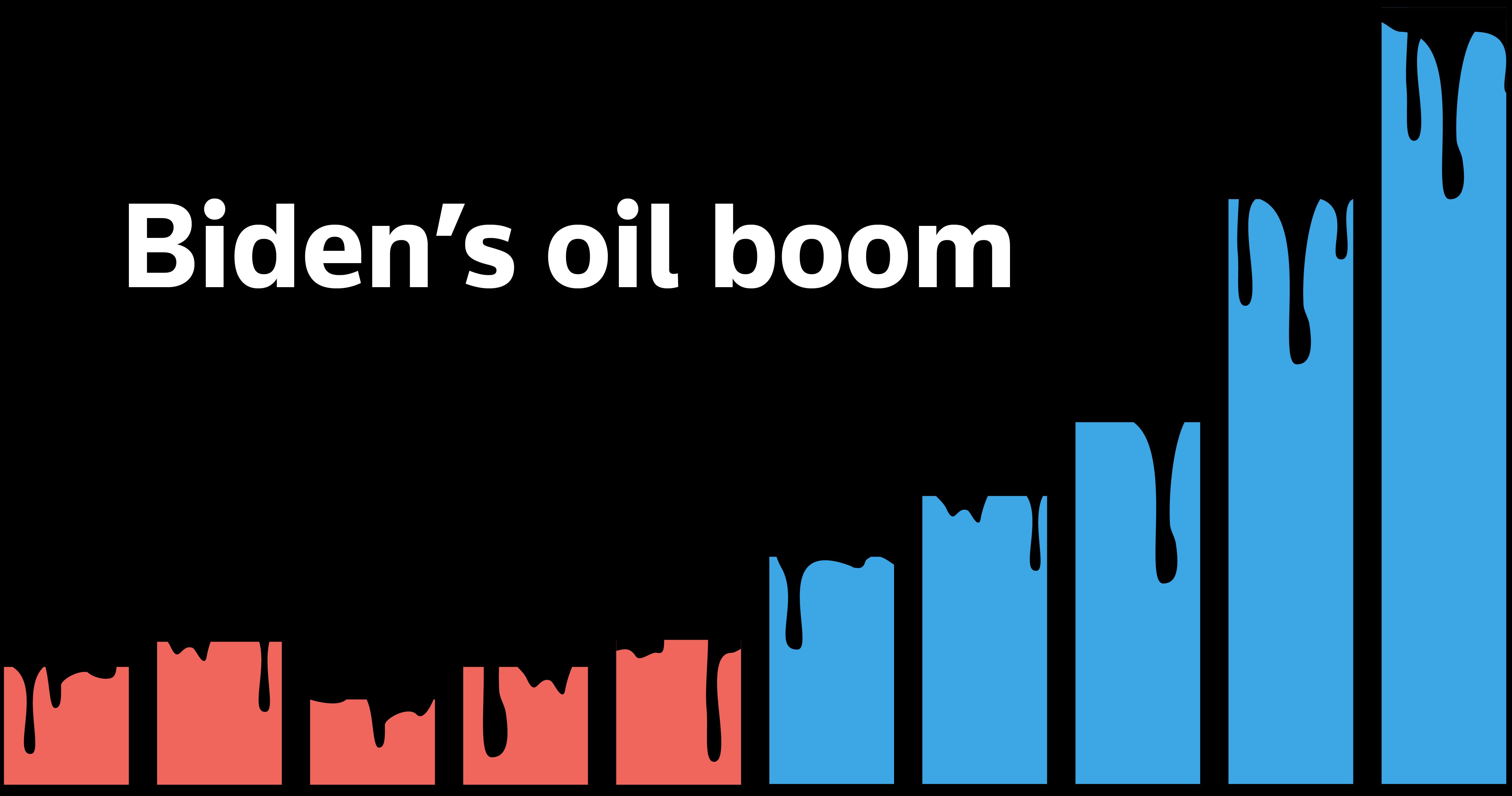
Despite President Biden's push for a carbon-free future, the US oil and gas industry has thrived under his administration, with record production, booming exports, rapid job growth, and soaring profits for major companies. This success has been driven by factors such as high global oil and gas prices due to Russia's invasion of Ukraine and the post-COVID economic recovery. While Biden's supporters focus on his green economy initiatives, critics tie rising gas prices to his policies. The long-term impact of Biden's actions, such as canceling the Keystone XL Pipeline and promoting electric vehicles, remains to be seen, but for now, the fossil fuel industry has outpaced renewable energy in job growth and profitability.
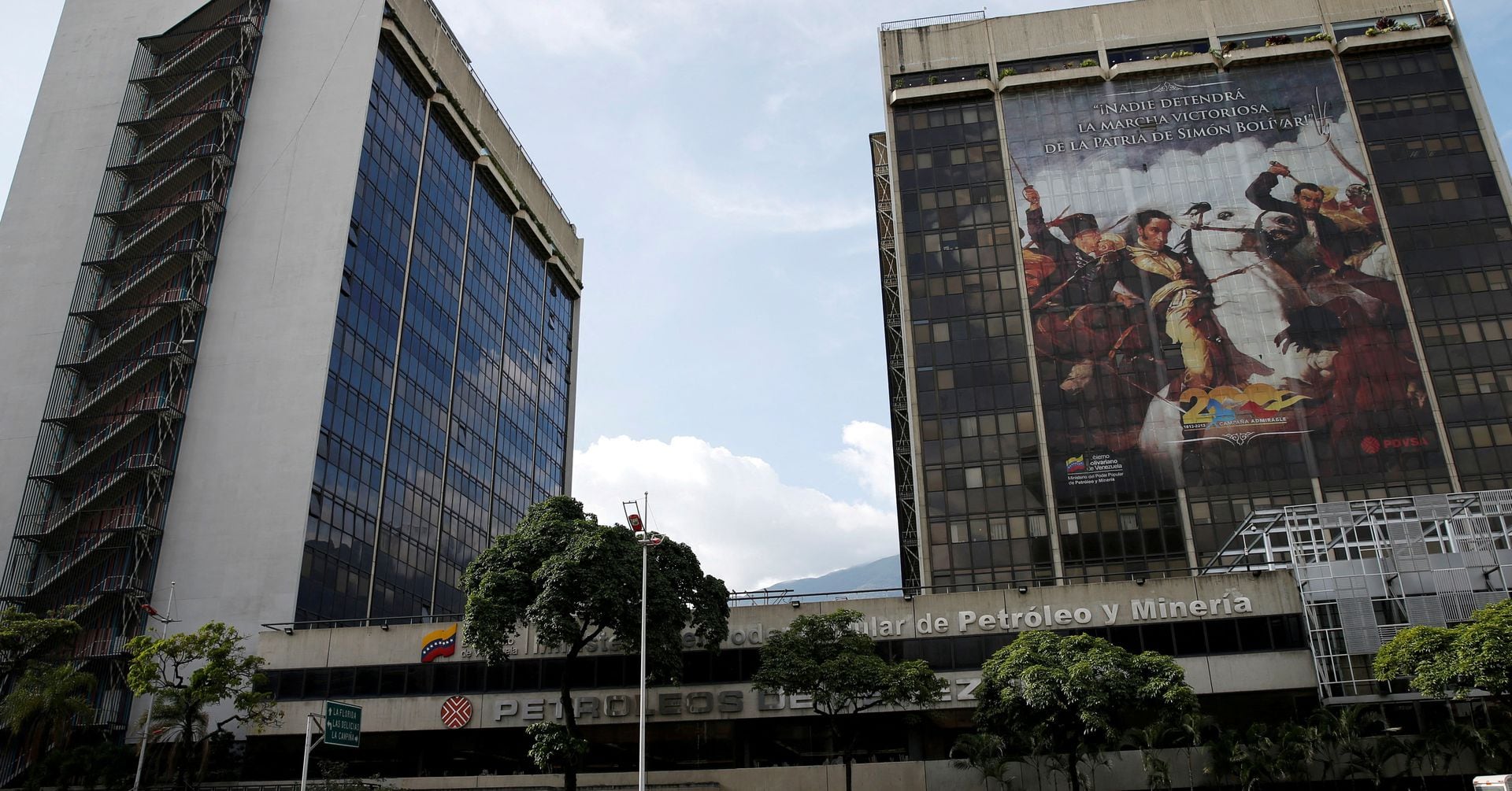
The reimposition of US sanctions on Venezuela's oil and gas sectors is expected to impact the country's ability to generate revenue from oil exports, hinder new energy investments, and raise the risk of domestic fuel scarcity. The US has ordered a wind down of business transactions with Venezuela's state miner and threatened to unwind easing of energy sanctions if President Maduro's administration does not adhere to an agreement for a fair presidential election. The potential return of sanctions could reduce Venezuela's oil revenue and impede economic growth, while also increasing the risk of fuel shortages.