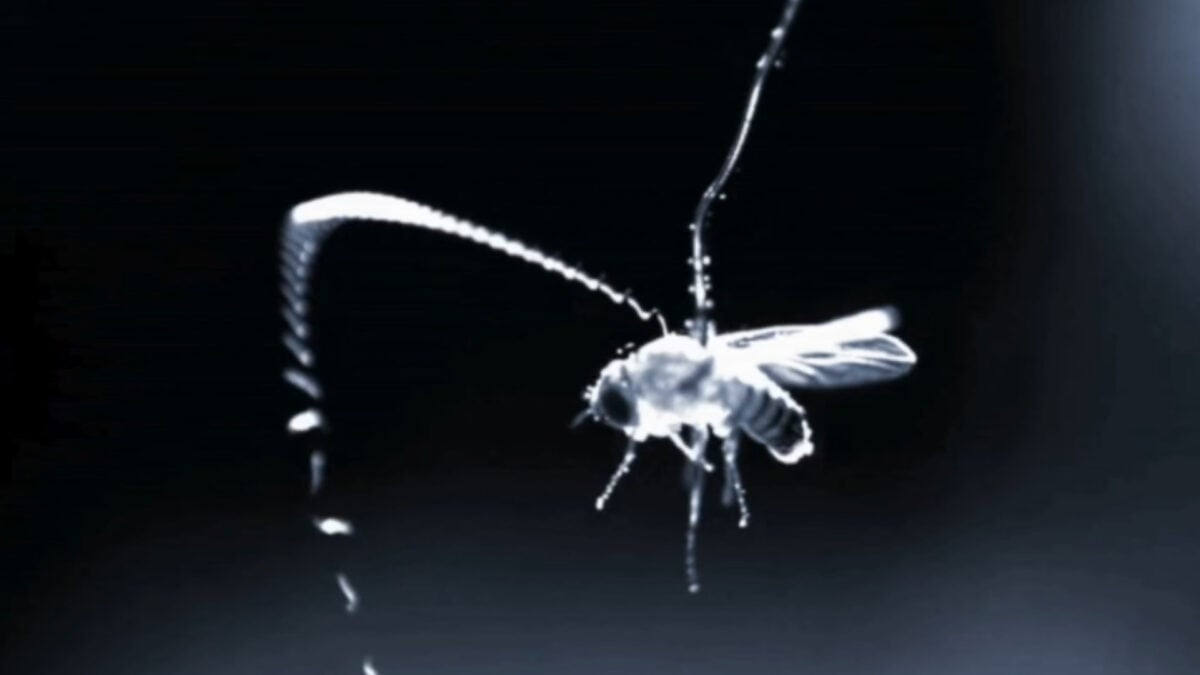
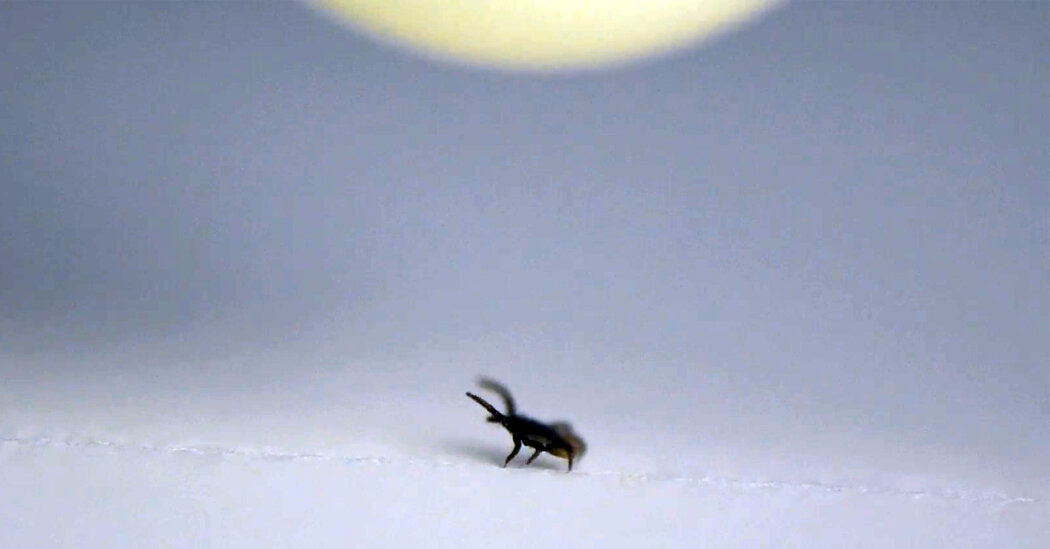
Researchers discovered that a tiny parasitic roundworm, S. carpocapsae, uses static electricity to ambush prey midair by jumping up to 25 times its body length, leveraging electrostatic forces to increase landing success, revealing fascinating insights into the physics and biology of microscopic predators.
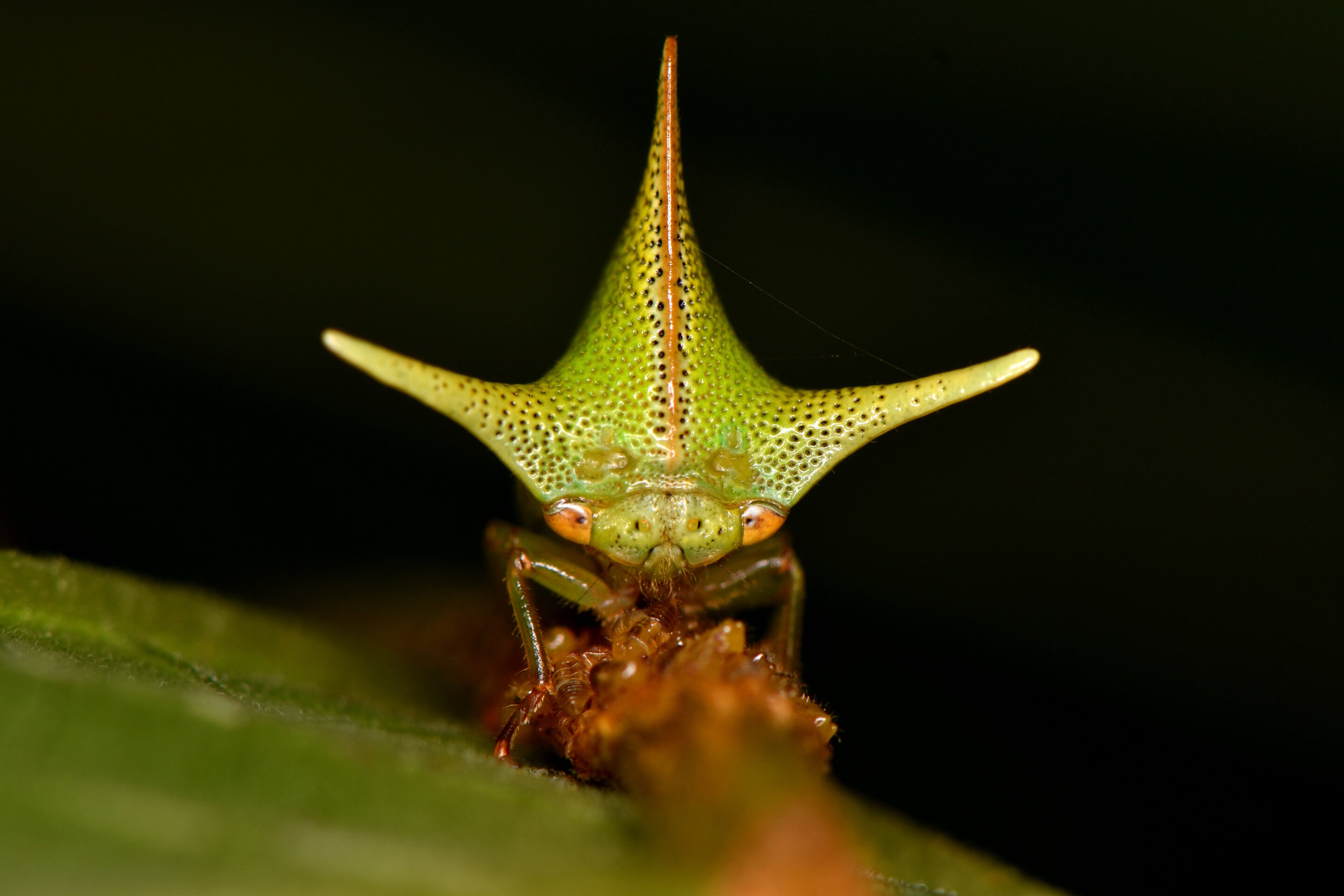
A new study suggests that static electricity detection may have influenced the evolution of the bizarre shapes of treehopper insects, with their extreme morphologies potentially enhancing their sensitivity to electric fields, aiding in predator detection and communication.
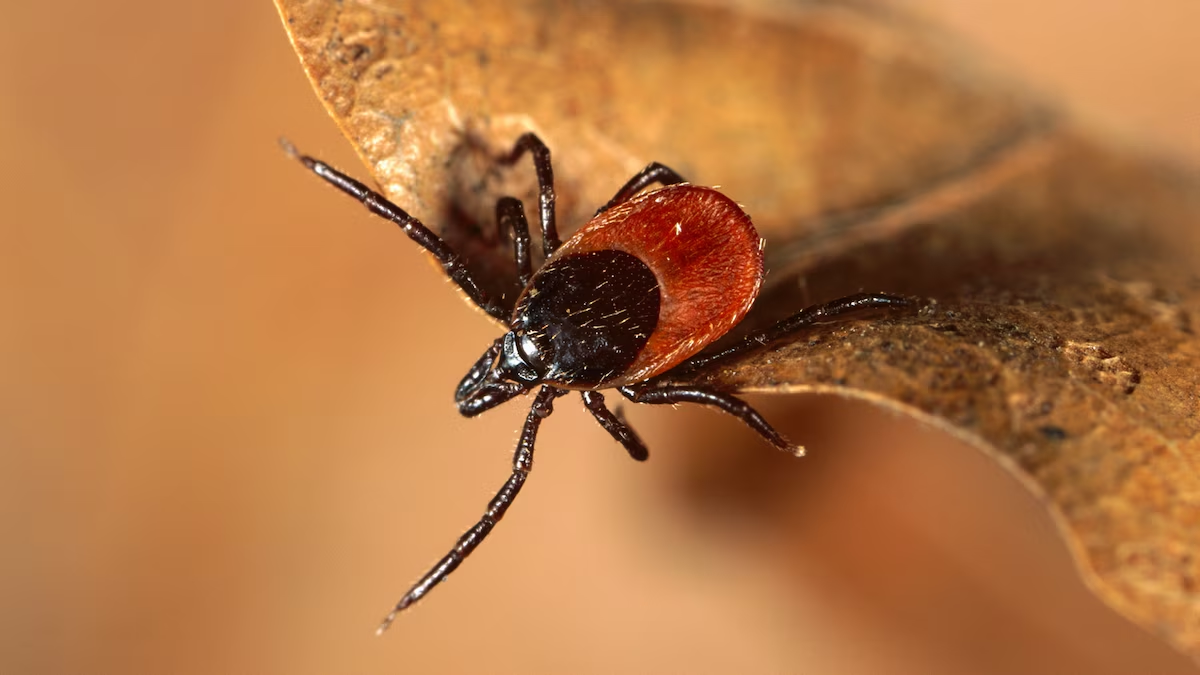
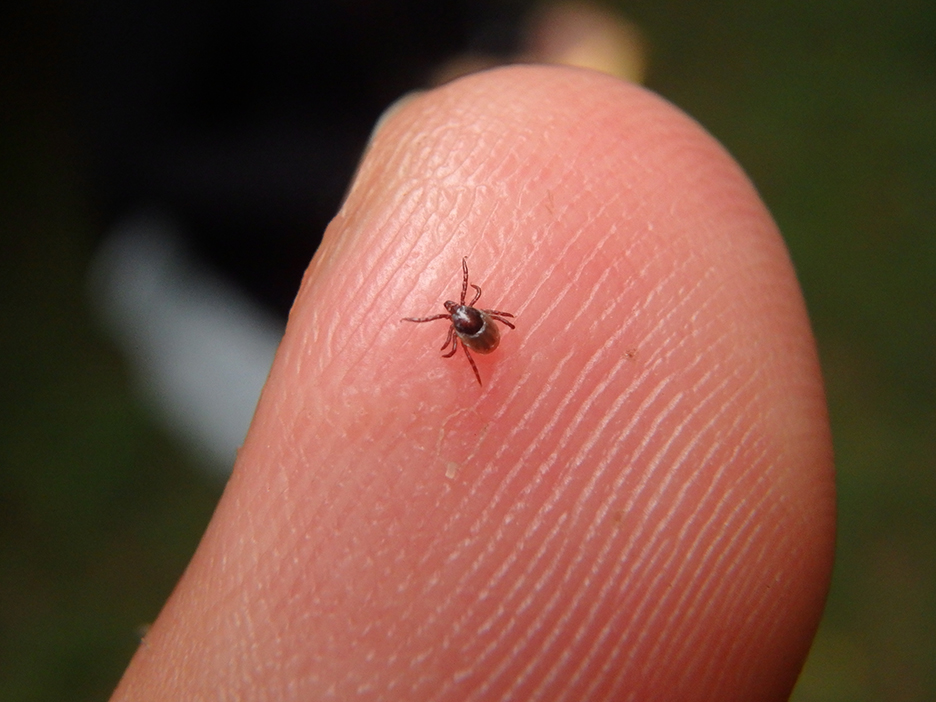
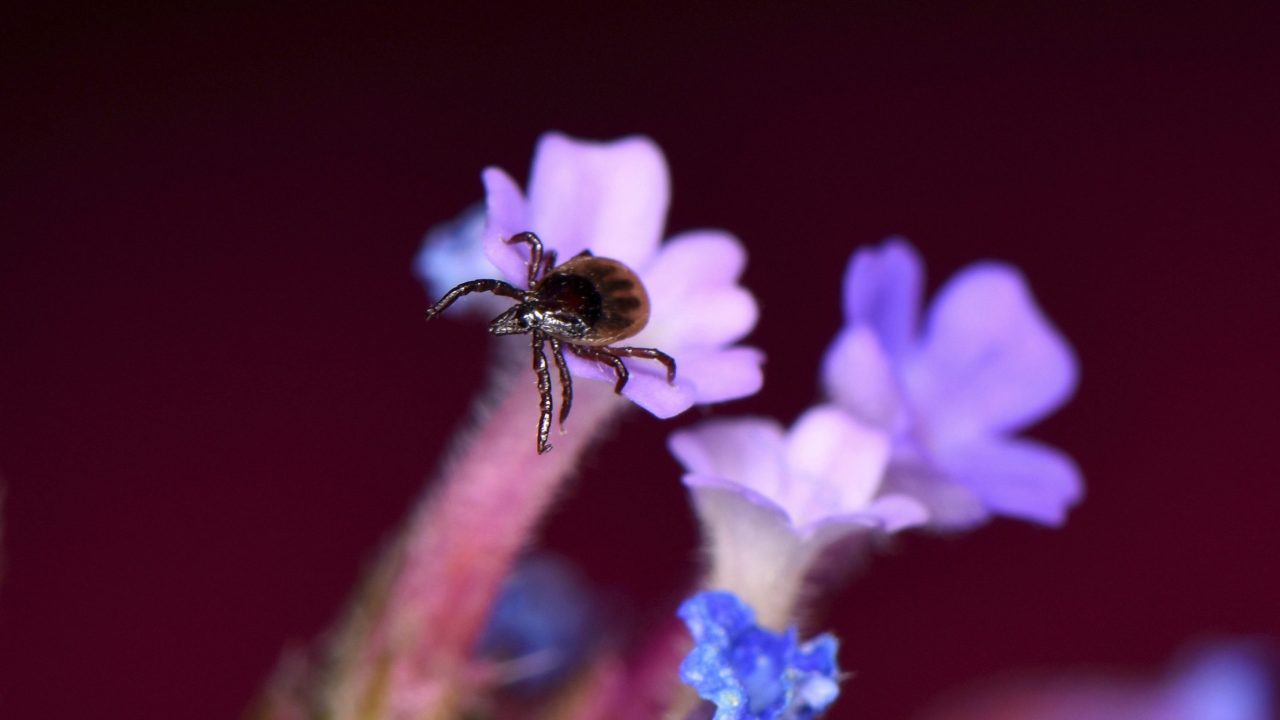
A new study has revealed that ticks can fly short distances through the air due to the forces of static electricity. These arachnids, which are parasites, rely on finding a host to survive. However, ticks cannot jump and are often tiny in size, making it challenging for them to locate a suitable host.
Ticks are attracted to their hosts through electrostatic charges, which can be equivalent to hundreds or thousands of volts. Researchers discovered that ticks can be pulled onto charged objects from several centimeters away, and they are attracted to both positive and negative charges. This unique quirk may also apply to other small parasitic creatures. The findings open up possibilities for developing anti-static technology to deter parasites, and further research is needed to determine if ticks can actively detect electrostatic charges or if it is a passive process.
New research reveals that ticks can use static electricity to propel themselves through the air and latch onto hosts, including humans and animals. Ticks, which are ambush predators, rely on this static charge to expand their reach and secure their next blood meal. The study focused on the castor bean tick, a common species in Europe known for spreading diseases like Lyme disease. While future methods to reduce static charge may be developed, experts recommend using traditional tick prevention measures, such as repellents, to stay safe.
A new study has found that ticks can use static electricity to propel themselves through the air and latch onto humans, pets, and other animals. The static charges that humans and animals naturally accumulate can give ticks the boost they need to reach their next blood meal. This discovery expands the range of ticks' "questing" behavior, where they wait on branches or grass for hosts to pass by. The research focused on the castor bean tick, a common species in Europe known for spreading diseases like Lyme disease. While there may be future ways to reduce static charges, current tick prevention measures such as repellents are still recommended.
Researchers at the University of Bristol have discovered that ticks are attracted to hosts through the static electricity that their hosts naturally accumulate. This mechanism allows ticks to find and attach to hosts that are beyond the reach of their tiny legs, increasing their efficiency at parasitizing. The study suggests that static electricity may be a universal mechanism for animals to make contact and attach onto each other. The findings have implications for understanding host-parasite interactions and could lead to the development of new technologies to minimize tick bites in humans and animals.
Researchers have discovered that static electric fields naturally produced by animals, including humans, can physically attract ticks onto their hosts. The study demonstrates that ticks are attracted to both positive and negative electric fields, suggesting that they are polarized in some way. This finding could potentially be used to improve antistatic tick defenses. While the role of static electricity in the tick life cycle still needs to be confirmed with live hosts outside of the lab, the researchers believe it is likely to occur in nature.