Tag

Ticks

All articles tagged with #ticks

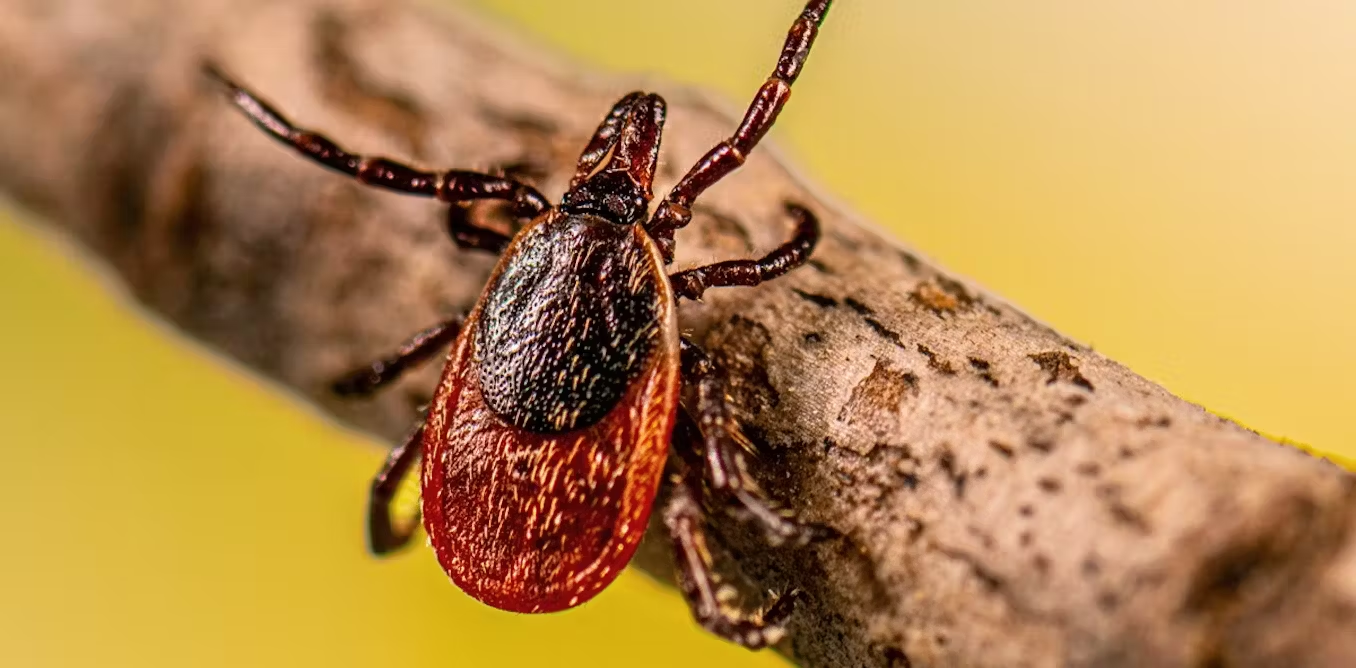
Rising Alpha-Gal Syndrome Sparks Vegan Shift on Martha’s Vineyard

Originally Published 4 months ago — by VegNews.com

Featured image for Rising Alpha-Gal Syndrome Sparks Vegan Shift on Martha’s Vineyard
Source: VegNews.com

A rise in alpha-gal syndrome, an allergy to red meat caused by tick bites, is leading more people in the US to avoid meat, with cases increasing due to climate change expanding tick habitats. This highlights the broader impact of climate change on food safety and the food system's vulnerability to pathogens and contamination.

Health officials warn of statewide disease outbreak and precautions

Originally Published 4 months ago — by yahoo.com

Featured image for Health officials warn of statewide disease outbreak and precautions
Source: yahoo.com

Health officials in New Jersey have confirmed that ticks carrying Lyme disease are now present in all 21 counties, spreading into suburban and urban areas due to warming temperatures, which increase tick populations and activity seasons. This expansion raises public health concerns, prompting recommendations for personal protection and environmental management, alongside broader efforts to combat climate change to reduce disease risk.

Rising Tick Migration and the Need for Better Surveillance

Originally Published 4 months ago — by NPR

Featured image for Rising Tick Migration and the Need for Better Surveillance
Source: NPR

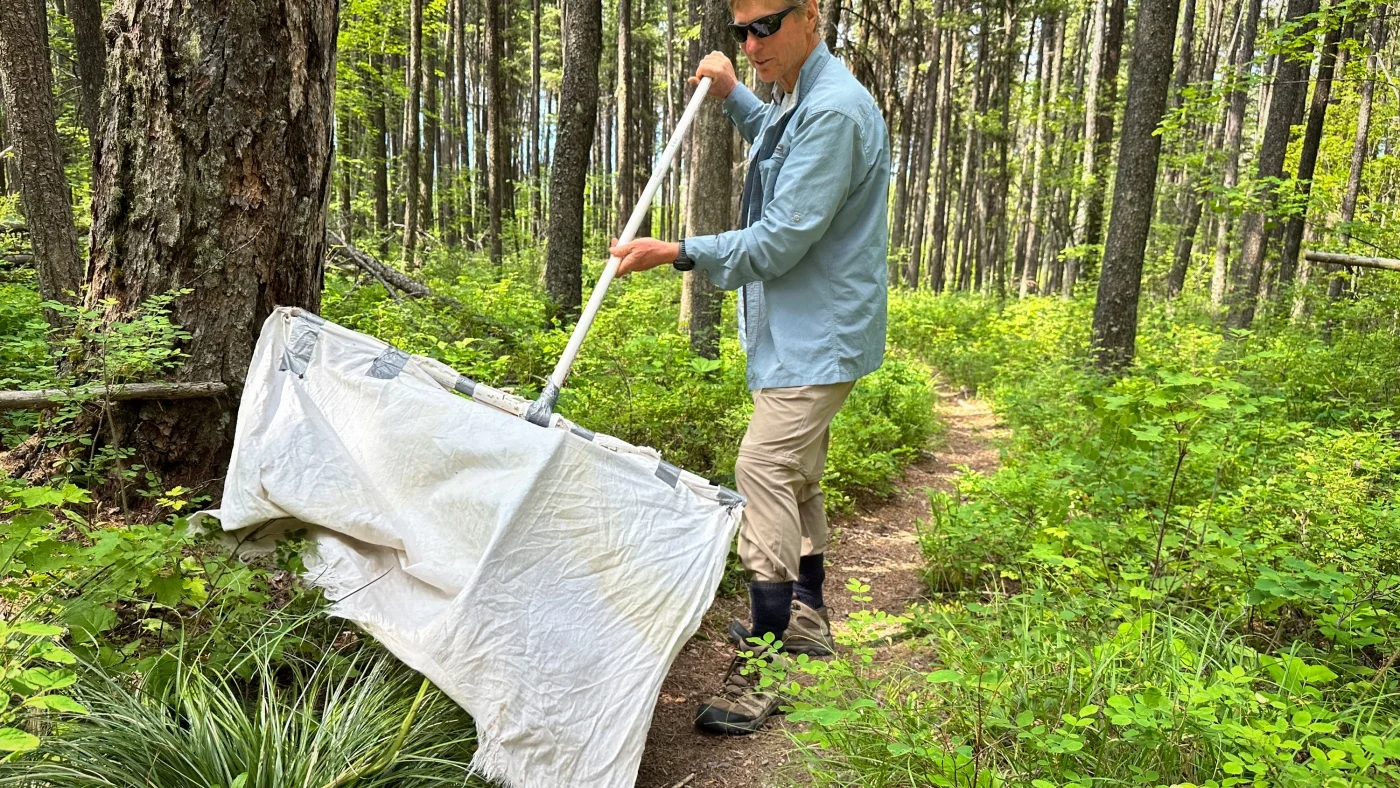
Biologist Grant Hokit conducts tick surveys in Montana to monitor the migration of tick species, including the first sightings of deer ticks that carry Lyme disease, amid limited surveillance funding. This data is crucial for healthcare providers to diagnose and treat tick-borne illnesses effectively, but resource constraints hinder comprehensive monitoring across the state.

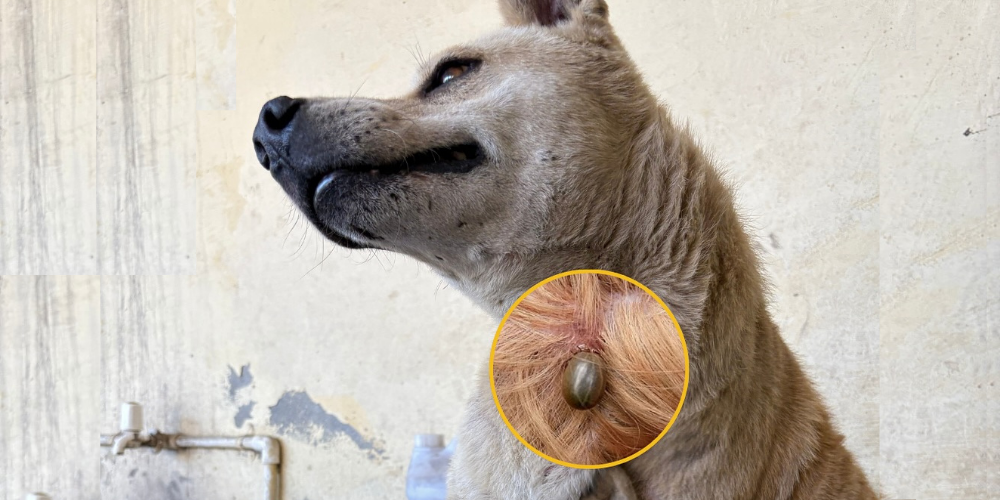
Rising Tick-Borne Bacteria Risks for California Dogs

Originally Published 4 months ago — by Los Angeles Times

Featured image for Rising Tick-Borne Bacteria Risks for California Dogs
Source: Los Angeles Times

The prevalence of anaplasmosis, a tick-borne disease affecting dogs and humans, has significantly increased in California over the past five years, driven by climate change and tick migration, with many cases going undiagnosed due to limited awareness and testing. Experts emphasize the importance of prevention and awareness to mitigate health risks for both pets and people.

Seven Ticks Take Long Rides to Connecticut

Originally Published 5 months ago — by The New York Times

Featured image for Seven Ticks Take Long Rides to Connecticut
Source: The New York Times

A study found seven nonnative ticks from various countries hitchhiking to Connecticut via travelers, raising concerns about increased risks of invasive tick species and tick-borne diseases in the U.S., especially as climate change makes the environment more hospitable for these pests.

Rising temperatures boost tick populations, increasing disease risks

Originally Published 5 months ago — by AOL.com

Featured image for Rising temperatures boost tick populations, increasing disease risks
Source: AOL.com

Rising temperatures and human land use changes are expanding the habitat of ticks that carry Lyme disease, leading to increased cases and emergency care for tick bites in North America. Experts emphasize the importance of quick tick removal and protective clothing to prevent disease transmission, as climate change and landscape management contribute to the spread of tick-borne illnesses.

Rising Tick Encounters and the Growing Need for Prevention

Originally Published 5 months ago — by The New York Times

Featured image for Rising Tick Encounters and the Growing Need for Prevention
Source: The New York Times

The article discusses the risks associated with ticks, especially Lyme disease, emphasizing that while tick populations are increasing and they can carry serious illnesses, the actual risk varies by location and proper precautions can significantly reduce the danger. It highlights the importance of identifying ticks, understanding their behavior, and taking preventive measures based on regional risk levels.

Texas Faces Rising Lyme Disease Concerns

Originally Published 5 months ago — by FMX 94.5

Featured image for Texas Faces Rising Lyme Disease Concerns
Source: FMX 94.5

Texas is experiencing a surge in tick activity due to favorable weather conditions, leading to increased Lyme disease cases. The disease, transmitted by deer ticks, can cause serious health issues if untreated, but is preventable through measures like wearing protective clothing and checking for ticks after outdoor activities. Awareness and prompt treatment are key to managing the risk.

Vermont Faces Rising Tick Populations, Health Officials Warn

Originally Published 6 months ago — by VTDigger

Featured image for Vermont Faces Rising Tick Populations, Health Officials Warn
Source: VTDigger

Rising tick populations in Vermont, driven by invasive plants, development, and climate change, have increased the risk of tick-borne diseases like Lyme disease, prompting health officials to recommend precautions such as protective clothing and prompt tick removal. The blacklegged tick is most common and carries Lyme disease in over half of analyzed ticks, with other illnesses also present. Vermont's surveillance programs are crucial for monitoring these risks, though funding issues have temporarily paused some efforts.

Top Natural Methods to Prevent Ticks in Your Garden

Originally Published 6 months ago — by marthastewart.com

Featured image for Top Natural Methods to Prevent Ticks in Your Garden
Source: marthastewart.com

To naturally keep ticks out of your yard, maintain short grass, create barriers like fences or gravel, plant tick-repelling plants such as lavender and garlic, trim tall shrubs regularly, and use organic treatments like eucalyptus oil or diatomaceous earth. These methods can reduce tick populations and help prevent tick-borne diseases.

Effective Strategies to Protect Against Rising Tick Threats

Originally Published 6 months ago — by The Conversation

Featured image for Effective Strategies to Protect Against Rising Tick Threats
Source: The Conversation

Ticks carry diseases like Lyme and Rocky Mountain fever, with their spread influenced by human activities such as land clearing, urbanization, and livestock movement, which create ideal environments for ticks and their hosts, making tick-borne illnesses a significant public health concern.

Rising Tick Threats: How to Protect Yourself This Season

Originally Published 7 months ago — by The New York Times

Featured image for Rising Tick Threats: How to Protect Yourself This Season
Source: The New York Times

As rising temperatures due to climate change enable ticks to expand their range and activity periods, the prevalence of tick-borne diseases like Lyme disease and others is increasing, posing greater health risks. Experts recommend preventive measures such as protective clothing and careful tick removal to reduce infection risk.

Top Tips to Protect Your Family from Tick-Borne Diseases

Originally Published 7 months ago — by AOL.com

Featured image for Top Tips to Protect Your Family from Tick-Borne Diseases
Source: AOL.com

As tick activity increases in Michigan during warmer months, it is important to take preventive measures such as using EPA-approved repellents, treating clothing with permethrin, checking for ticks after outdoor activities, and consulting vets for pet protection to reduce the risk of Lyme disease and other tick-borne illnesses.

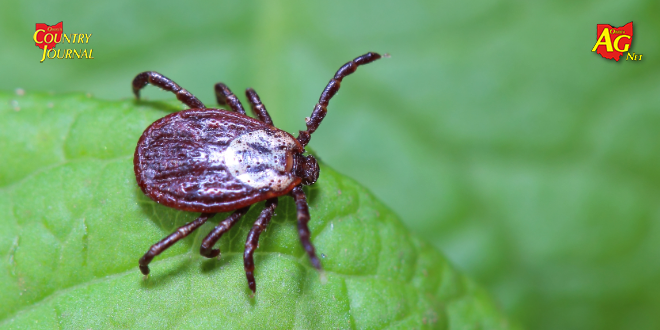
Rising Tick Bites Raise Concerns for Summer Safety

Originally Published 7 months ago — by Ohio's Country Journal

Featured image for Rising Tick Bites Raise Concerns for Summer Safety
Source: Ohio's Country Journal

Ticks in Ohio are increasing in number and diversity, posing serious health risks to people, pets, and livestock, including disease transmission and cattle mortality. The rise is linked to changing climate and land use, with new tick species like the invasive Asian longhorn tick establishing in the state. Ohio State University offers a tick testing program to help identify and monitor tick-borne threats, emphasizing prevention and proper tick removal to mitigate risks.