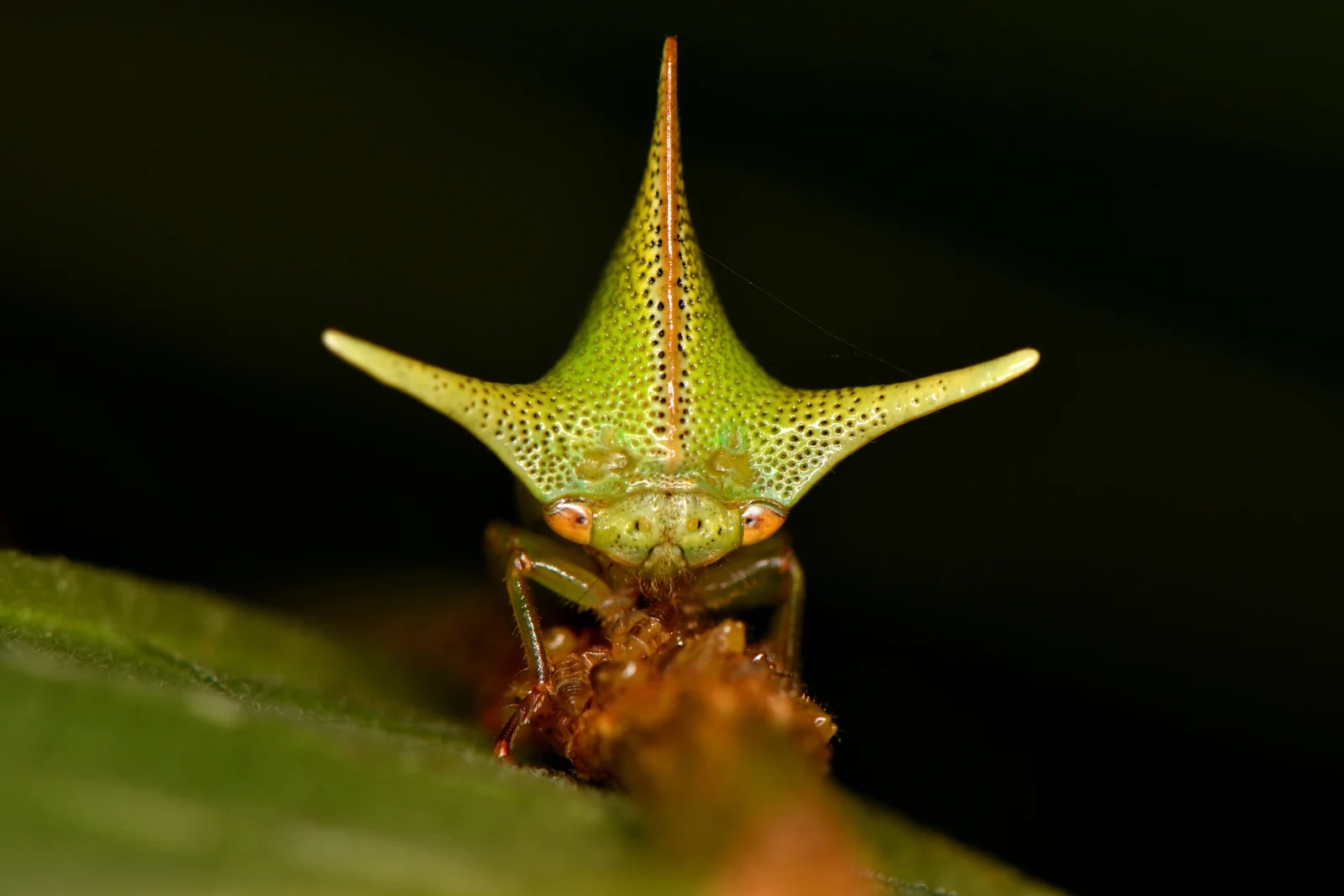
A new study suggests that static electricity detection may have influenced the evolution of the bizarre shapes of treehopper insects, with their extreme morphologies potentially enhancing their sensitivity to electric fields, aiding in predator detection and communication.
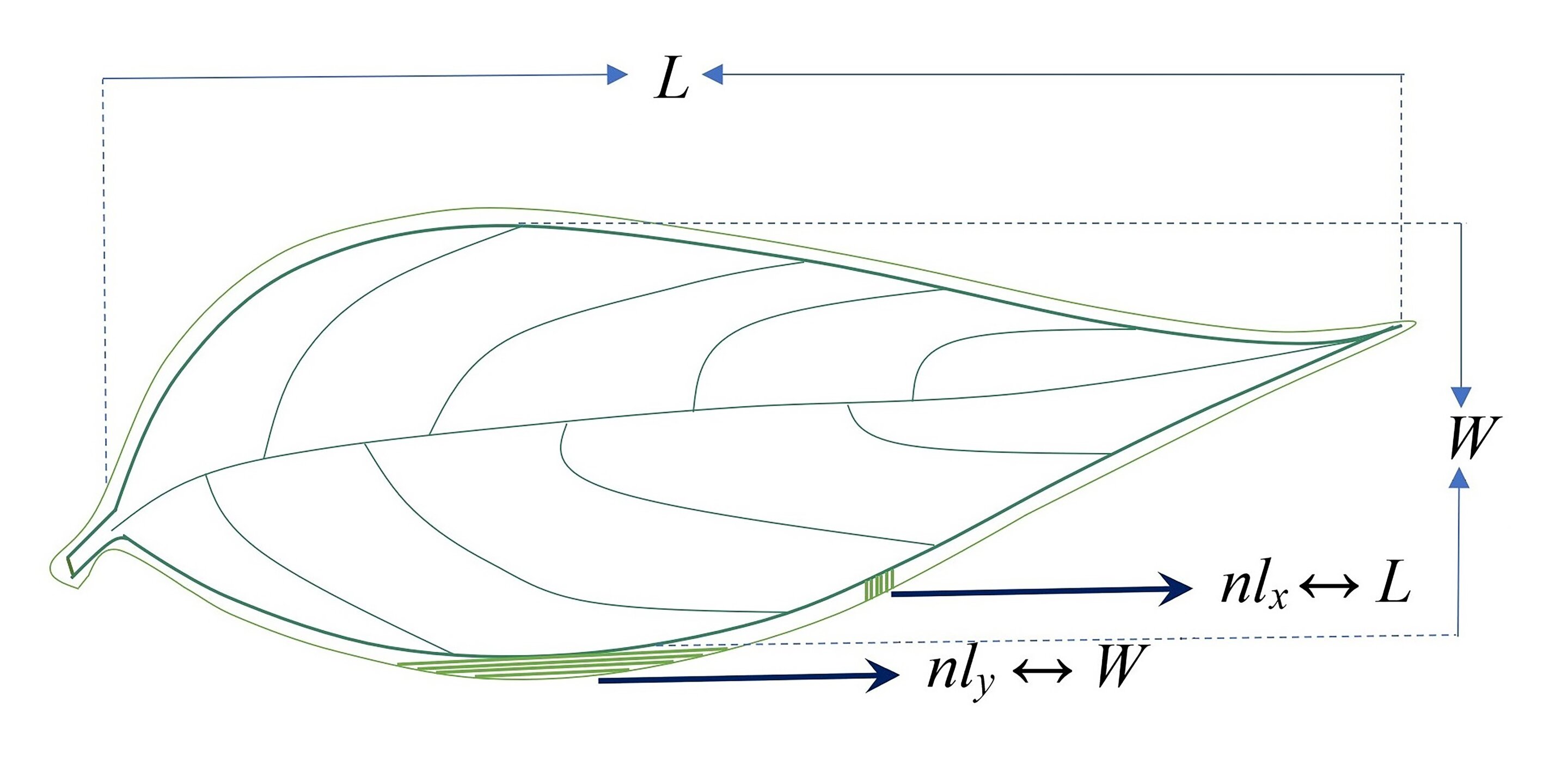
Researchers have explored the complexity of plant leaves and its link to energy optimization, drawing parallels to black hole entropy. They developed a method to quantify leaf complexity using geometric entropy, which outperforms other techniques and has potential applications in taxonomy and artificial leaf design. The study sheds light on the inheritable trait of leaf morphology and its influence on energy capture, providing insights for plant biologists and potential use in future genetic engineering studies.
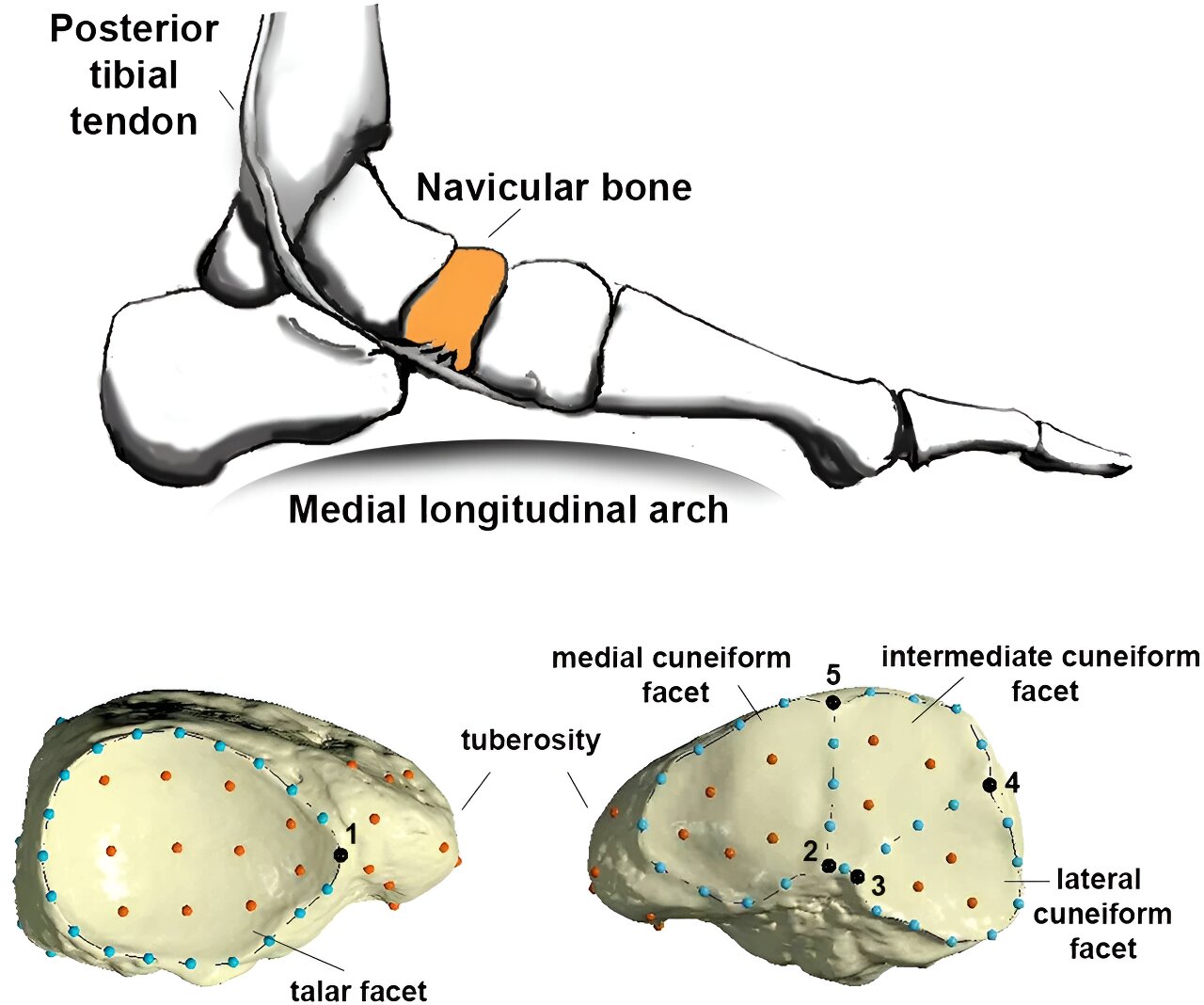
A study published in Communications Biology explores the complex evolution of human feet, focusing on the medial longitudinal arch and the issue of flat feet. Researchers examined the role of the navicular bone and found variations in its morphology among individuals with flat feet compared to those with regular arches or inborn flat feet. The study also suggests that factors such as footwear, lifestyle, and locomotion strategies may influence the development of the longitudinal arch. Comparisons with ancient human fossils reveal insights into the adaptability of the human foot to bipedal locomotion, highlighting the variability and importance of foot morphology throughout human evolution.
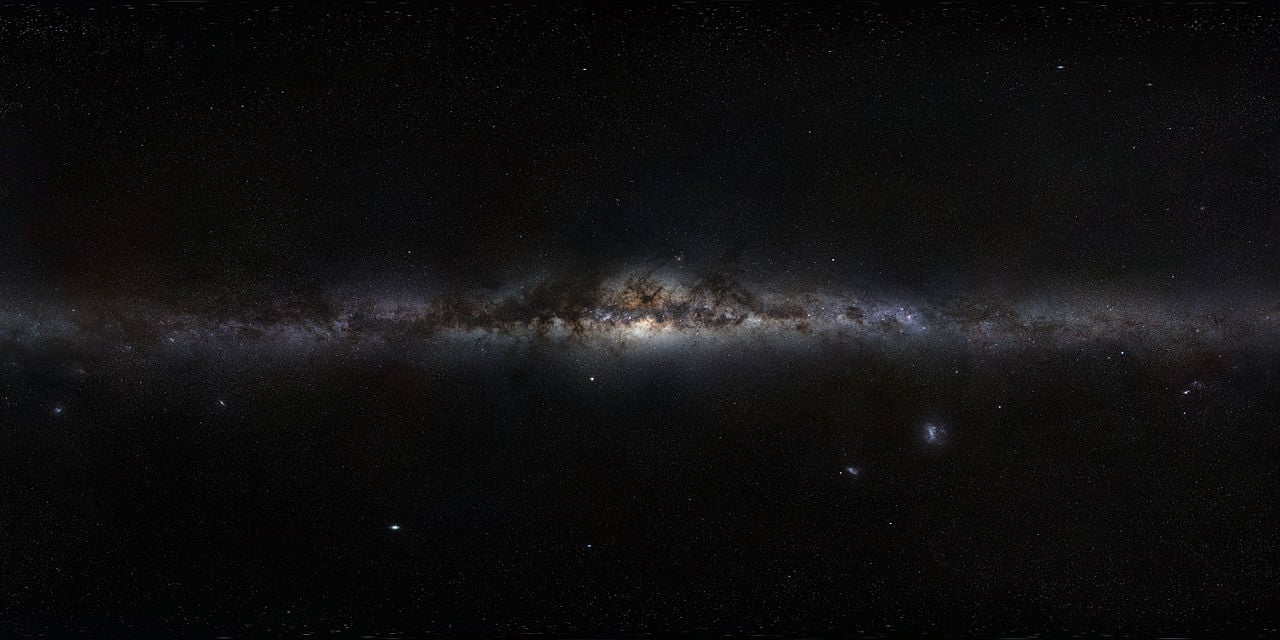
Astronomers have been trying to determine the true morphology of the Milky Way for centuries. A team of researchers from the Chinese Academy of Sciences used the precise locations of very young objects in our galaxy to measure the morphology of the Milky Way. This revealed a multiple-arm morphology consisting of two symmetrical arms in the inner region and many irregular ones in the outer region. These findings could have drastic implications for our understanding of the Milky Way, and show that our galaxy is not an outlier but an example of a statistically significant astronomical object.