Tag

Star

All articles tagged with #star

science7 months ago

Mysterious Deep-Space Signals from 15,000 Light-Years Away Spark Scientific Curiosity

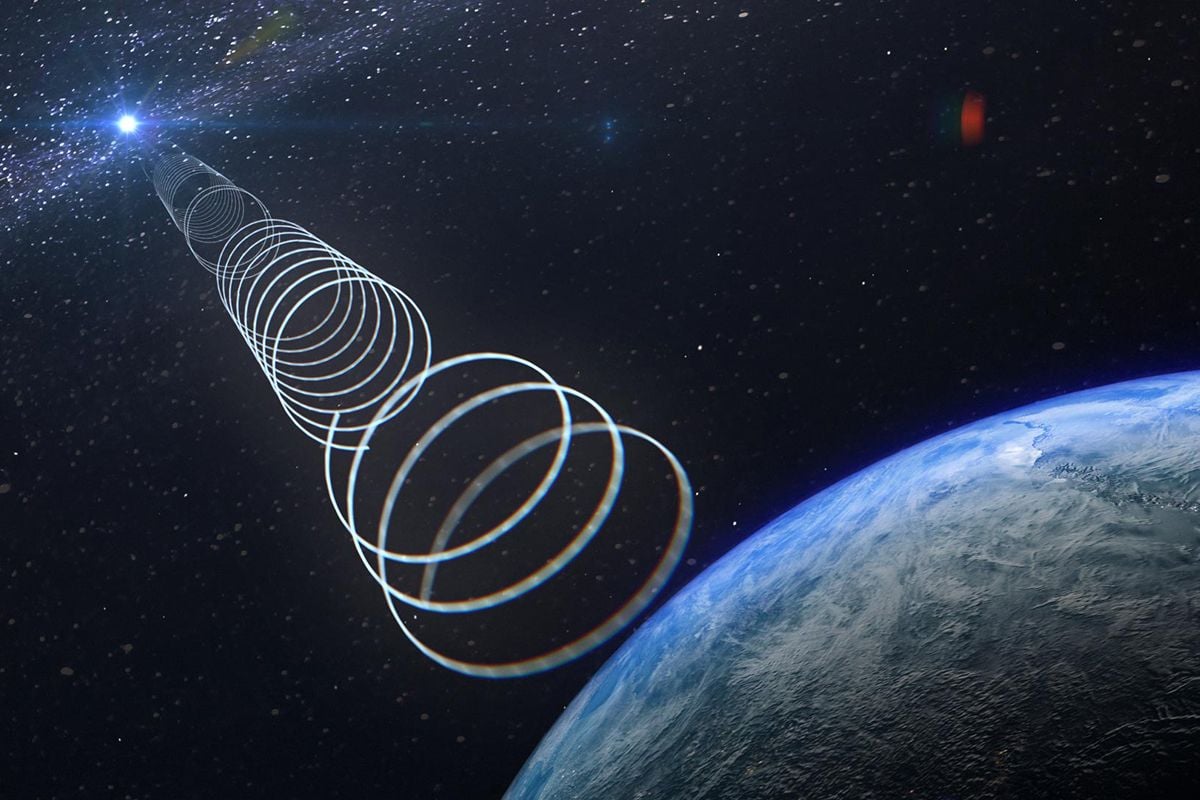
Astronomers have discovered a distant star, ASKAP J1832−0911, 15,000 light years away, emitting mysterious radio and X-ray signals with unusual behavior, including a 44-minute pulse and dramatic fading over six months, challenging existing classifications of stellar objects and potentially transforming our understanding of the universe.

astronomy1 year ago

"Unraveling the Mystery of Betelgeuse's Boiling and Baffling Surface"

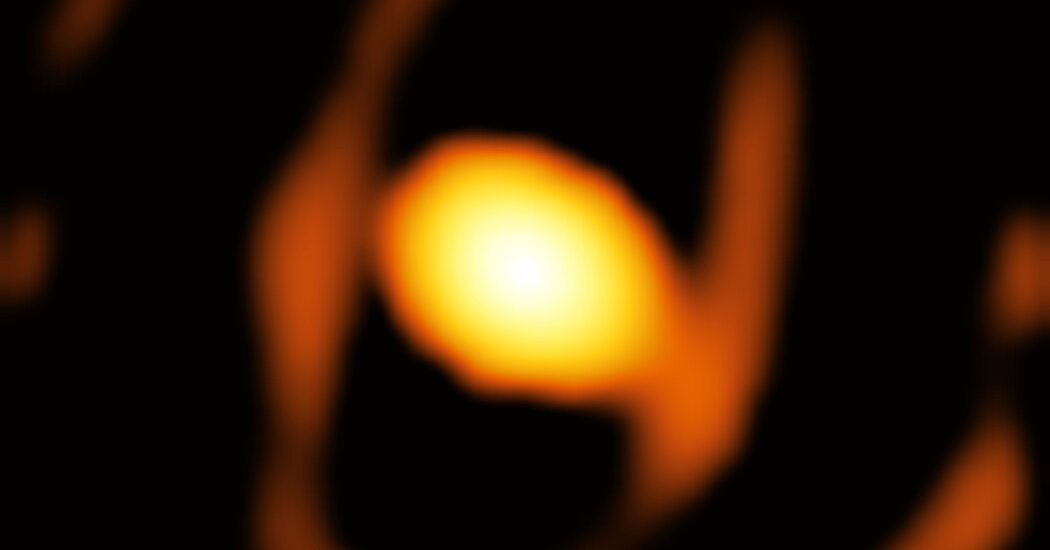
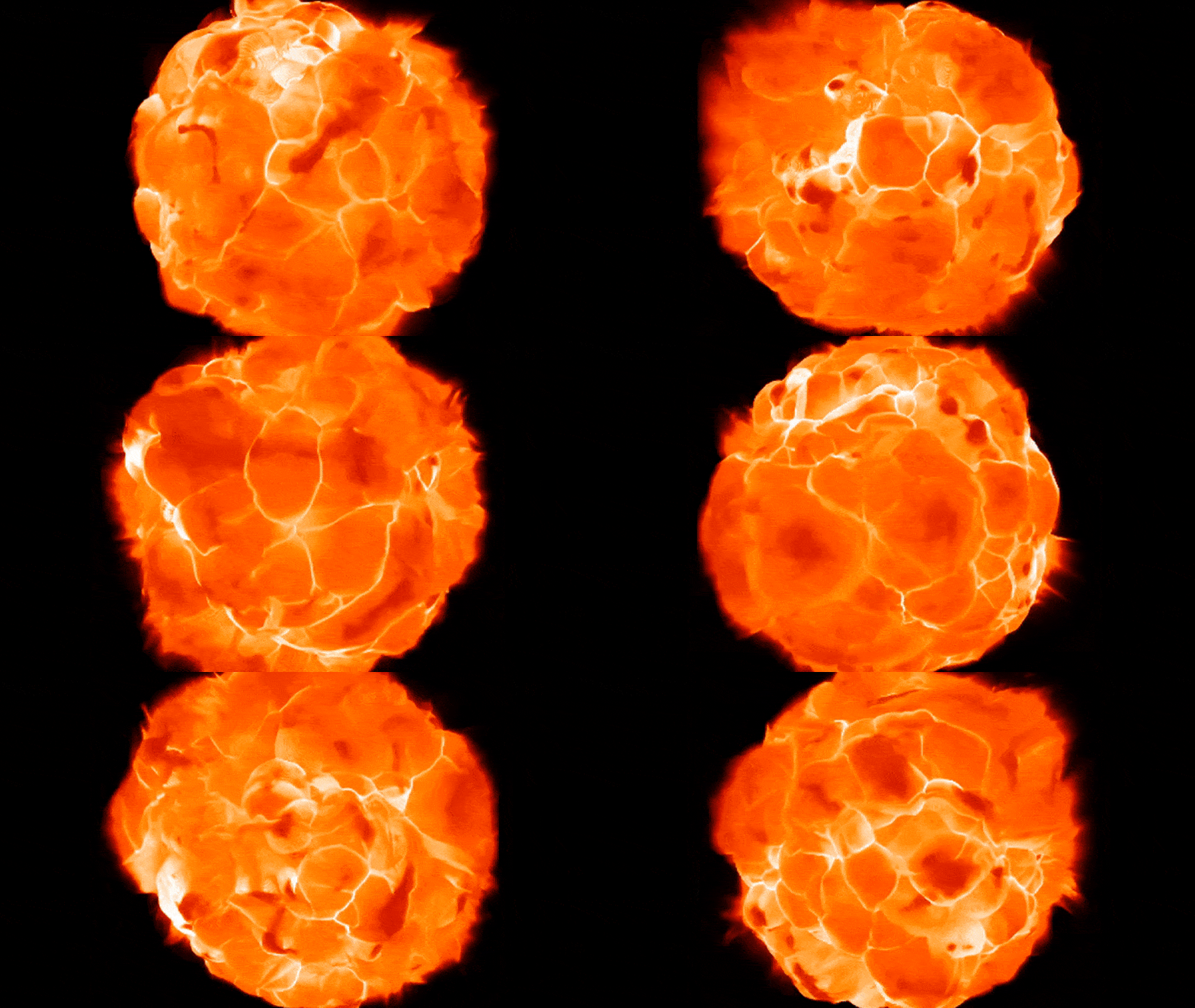
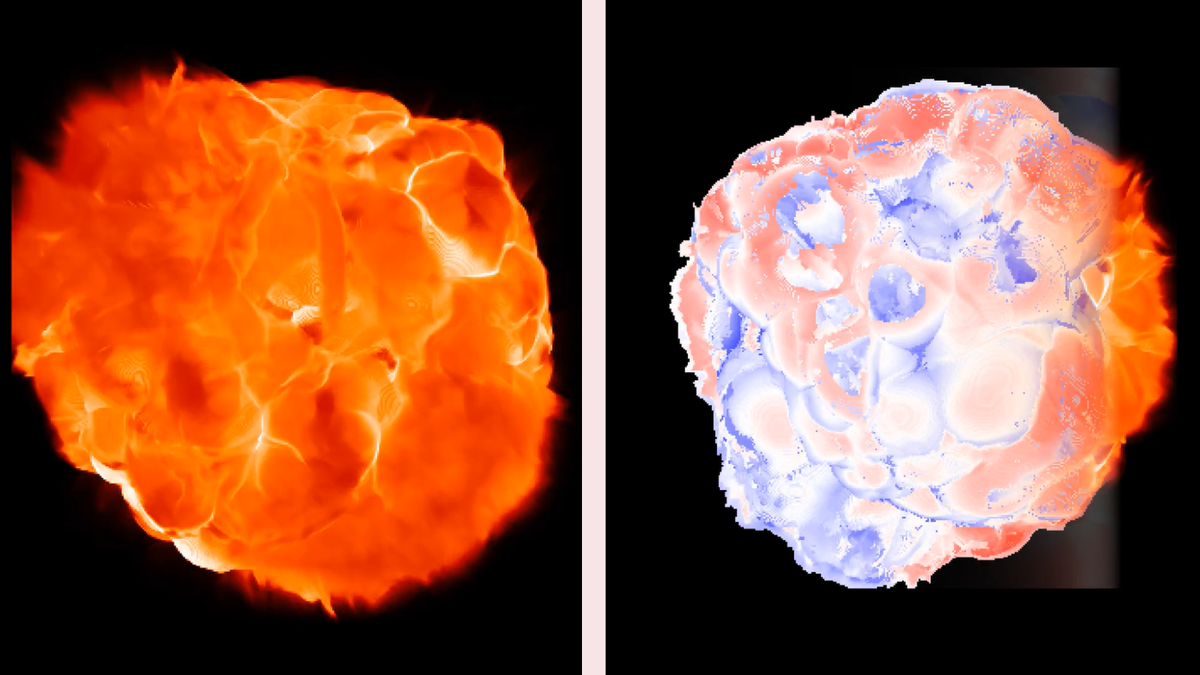
New simulations suggest that Betelgeuse's apparent rapid rotation may be an optical illusion caused by its "boiling" surface, rather than actual spinning. The red supergiant, which is nearing the end of its life, has been observed to spin at an unusually fast speed, but researchers now propose that this may be due to massive bubbles of gas rising and falling on its surface. Computer simulations show that these motions could be misinterpreted as spinning when observed through telescopes like ALMA. Further analysis of Betelgeuse's observations may confirm this theory and could also explain the rapid spins of other red supergiants.

astronomy1 year ago

"Unraveling the Mystery of Betelgeuse's Boiling Surface"

Recent observations of Betelgeuse, a red supergiant star, suggest it is spinning much faster than expected, but a new study proposes that the star's violently boiling surface may be creating an illusion of rapid rotation. The Max Planck Institute for Astrophysics team suggests that the bubbling surface could be mistaken for rotation, leading to the belief that Betelgeuse is rotating faster than possible for a star of its size. The team's research, published in the Astrophysical Journal Letters, aims to better understand how the star's boiling surface affects measurements and will use further observations to assess its rotational speed.

astronomy1 year ago

Rare Discovery: Black Hole Rips Apart Star

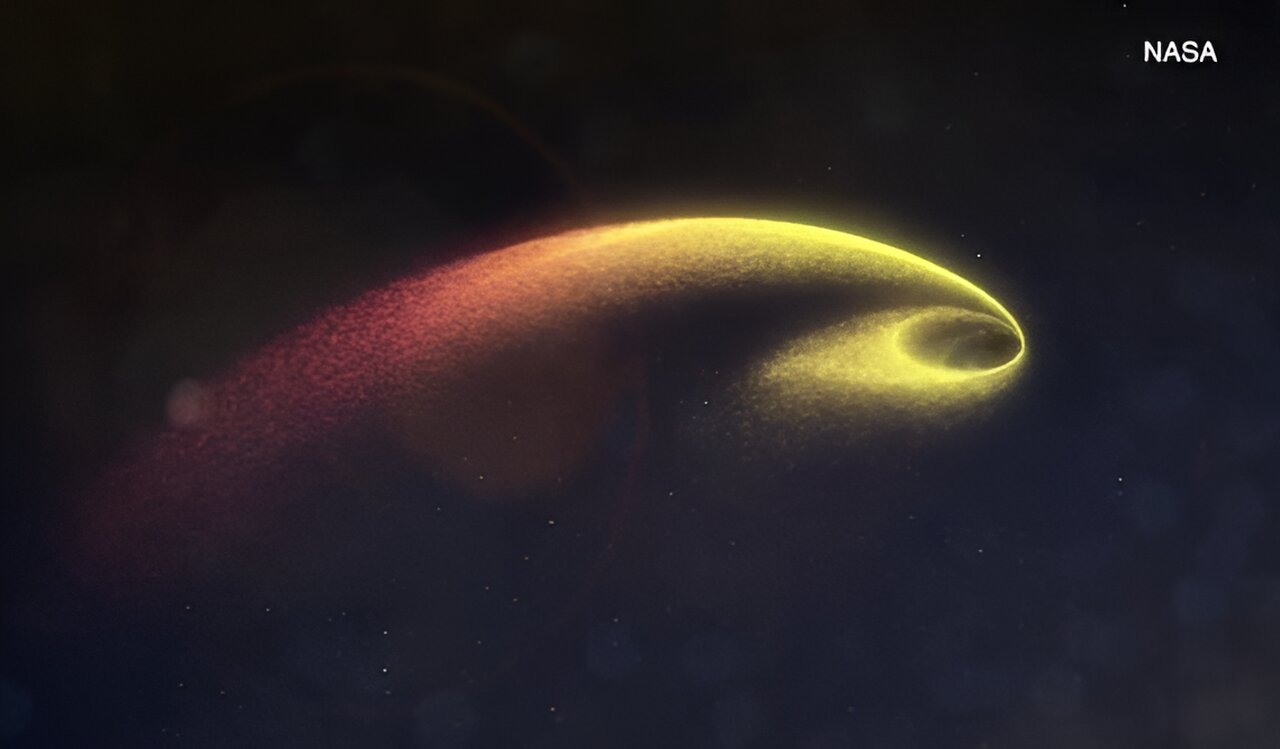
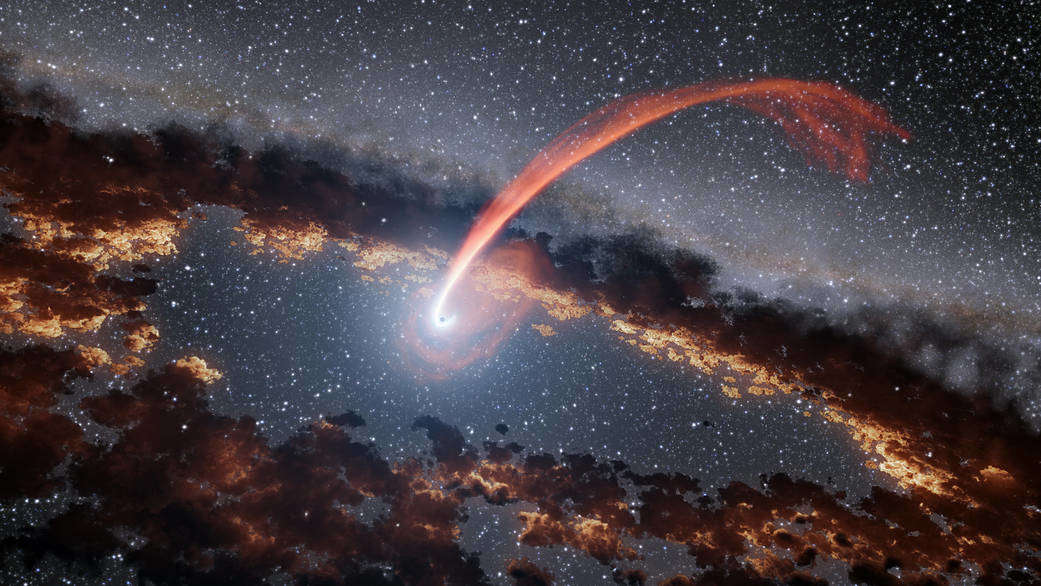
Astronomers from the University of Hawaiʻi Institute for Astronomy have discovered the closest recorded instance of a star being torn apart by a supermassive black hole, located about 160 million light-years from Earth. The event, known as ASASSN-23bd, was detected using visible light and is a rare find due to its proximity. This discovery could provide valuable insights into the growth and material collection process of supermassive black holes.

astronomy1 year ago

"Discovery of Smallest Star and Ghostly Companion by China-Led Research Team"

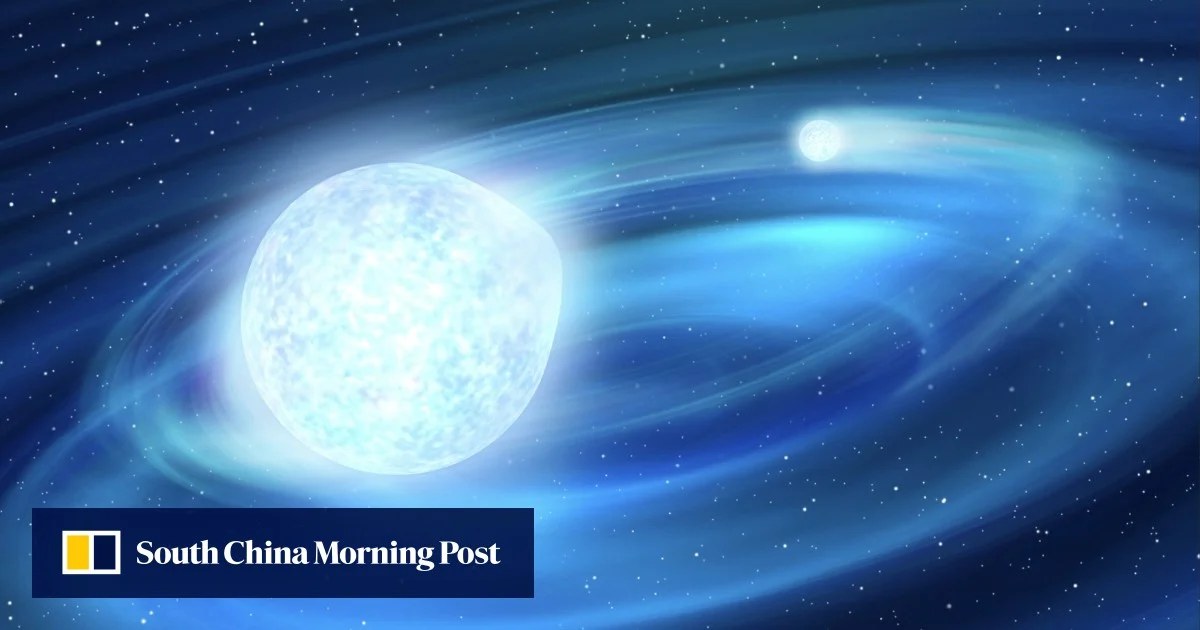
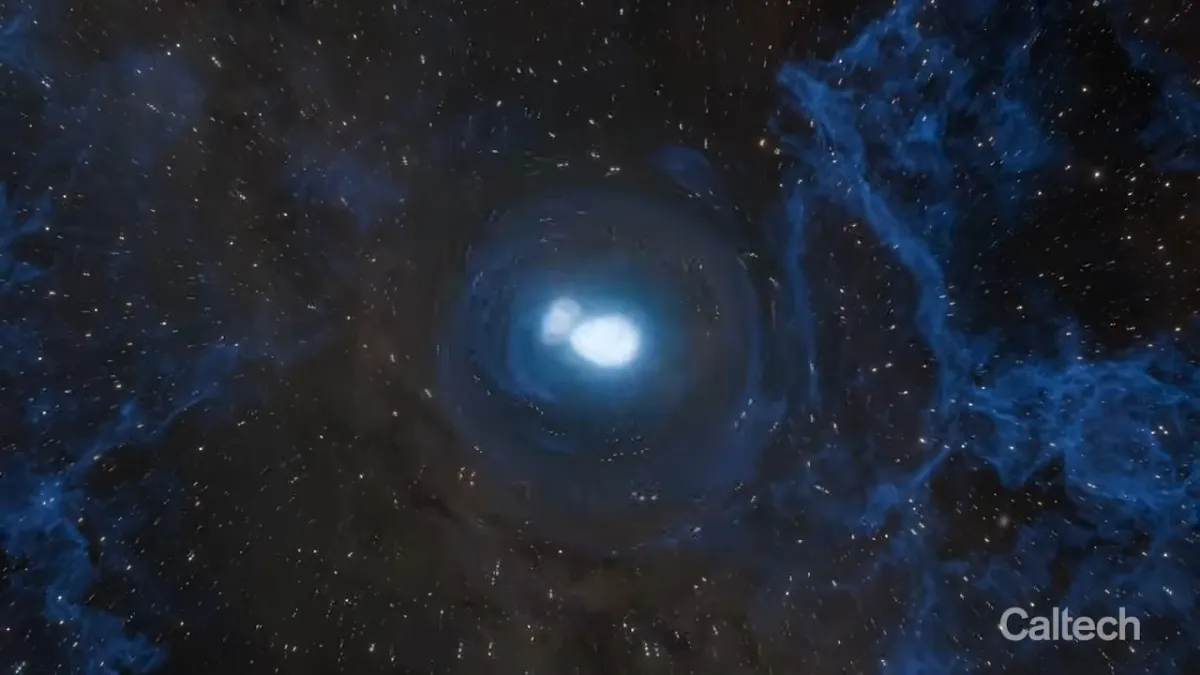
A China-led research team has discovered the smallest star ever detected, a hot subdwarf just seven times the size of Earth, along with its larger white dwarf companion, using the Tsinghua University-Ma Huateng Telescope for Survey. The star, TMTS J0526B, and its invisible companion, J0526A, orbit each other every 20 minutes, and their existence supports a theory proposed by Chinese astronomers two decades ago. The finding offers the first direct observational evidence of such a unique binary system, and the researchers expect that the next generation of space-based gravitational wave detectors could detect the system's gravitational waves.

science2 years ago

"Unveiling the Origins of Intense Light in Black Hole Tidal Disruption Events"

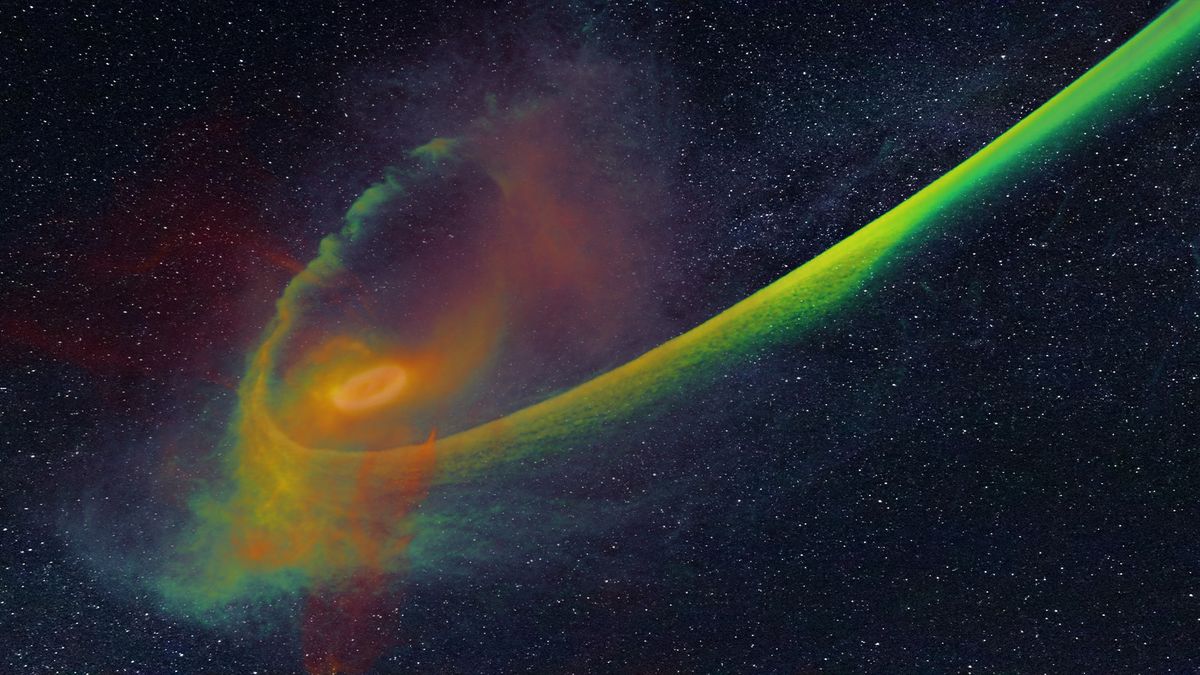
Scientists have used a sophisticated simulation to reconstruct the violent death of a star torn apart by a supermassive black hole in a tidal disruption event, revealing a previously unknown type of shock wave and the intense flare it powers. The findings could help astronomers understand supermassive black hole properties and test the limits of Einstein's theory of general relativity. The simulation, created by researchers from the Hebrew University of Jerusalem, provides a complete picture of these events and offers potential for further exploration through real-world observations.

astronomy2 years ago

"Spaghetti Devoured: Black Hole's Scary Barbie Act"

Astronomers have discovered a black hole, nicknamed "Scary Barbie," that is devouring a star in a process known as "spaghettification." The black hole's incredible brightness and energy make it the most luminous transient object ever observed. The discovery was made possible by a machine learning algorithm that analyzed archival data. Scary Barbie has been active for over two years, defying the typical fading pattern of transient objects. This finding highlights the growing role of machine learning in astronomy.