Tag

Edwin Hubble

All articles tagged with #edwin hubble

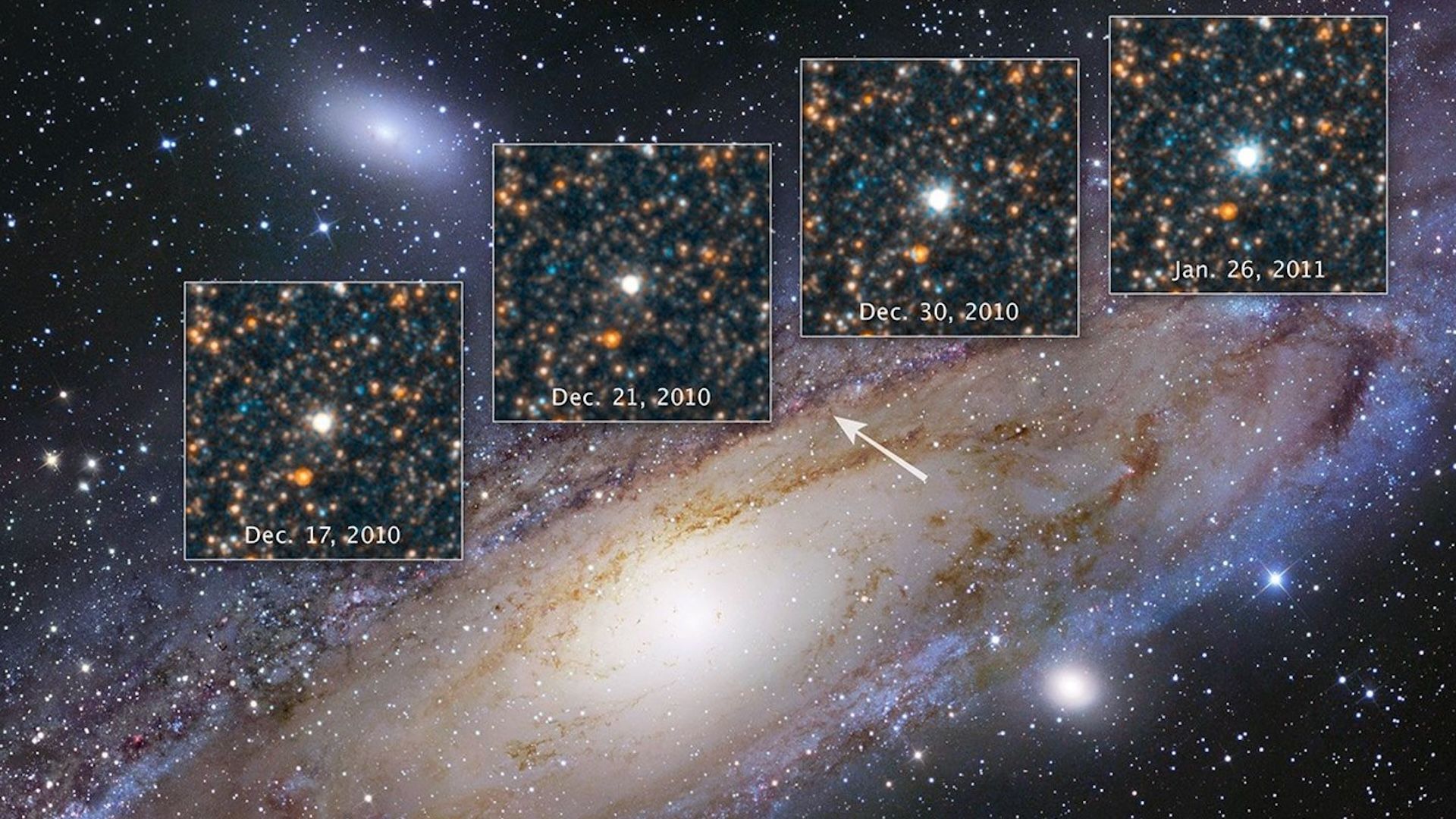
Edwin Hubble's 1923 Discovery of the Universe's Vastness with Standard Candle

Originally Published 3 months ago — by Live Science

Featured image for Edwin Hubble's 1923 Discovery of the Universe's Vastness with Standard Candle
Source: Live Science

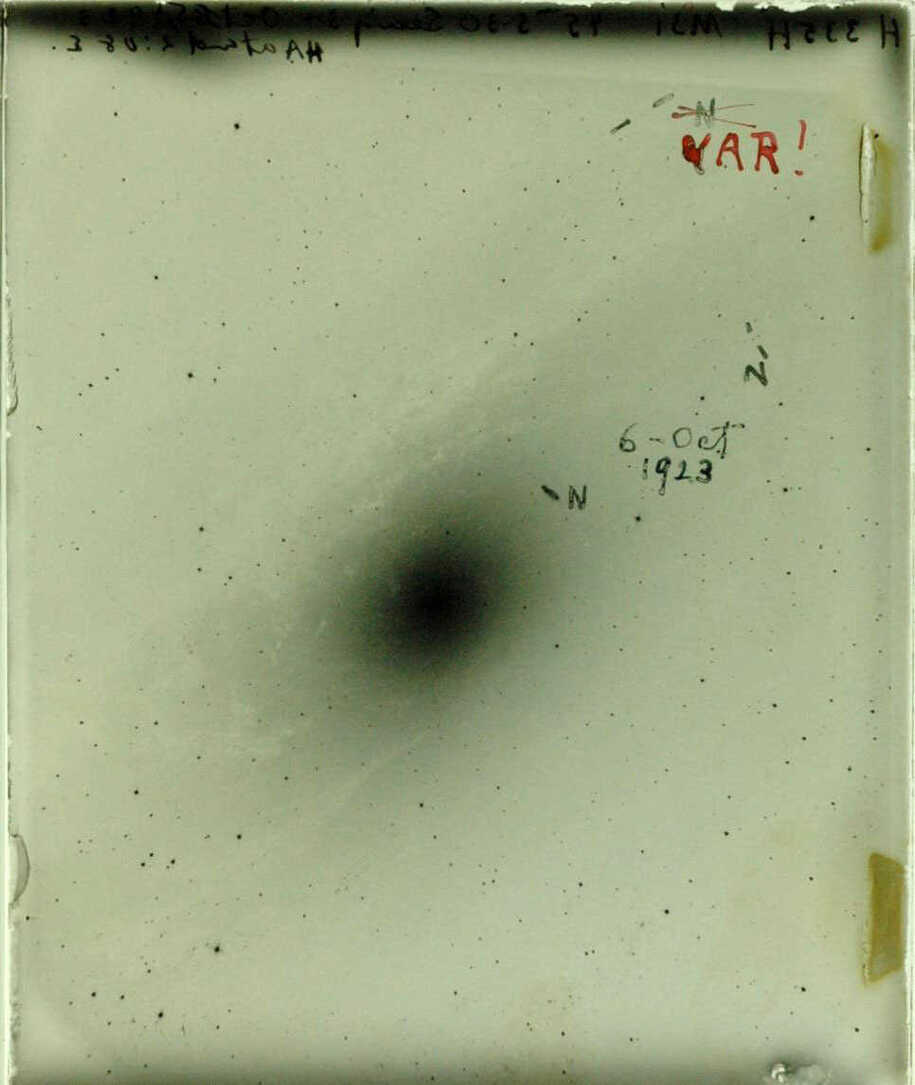
In 1923, Edwin Hubble discovered a variable star in the Andromeda galaxy, which helped prove that it was a separate galaxy from the Milky Way and enabled the calculation of the universe's vastness and expansion rate, leading to the foundational understanding of an expanding universe and the Hubble constant.
Celebrating 100 Years of Cosmic Discovery: From Andromeda to Hubble's Universe

Originally Published 1 year ago — by Forbes

Featured image for Celebrating 100 Years of Cosmic Discovery: From Andromeda to Hubble's Universe
Source: Forbes

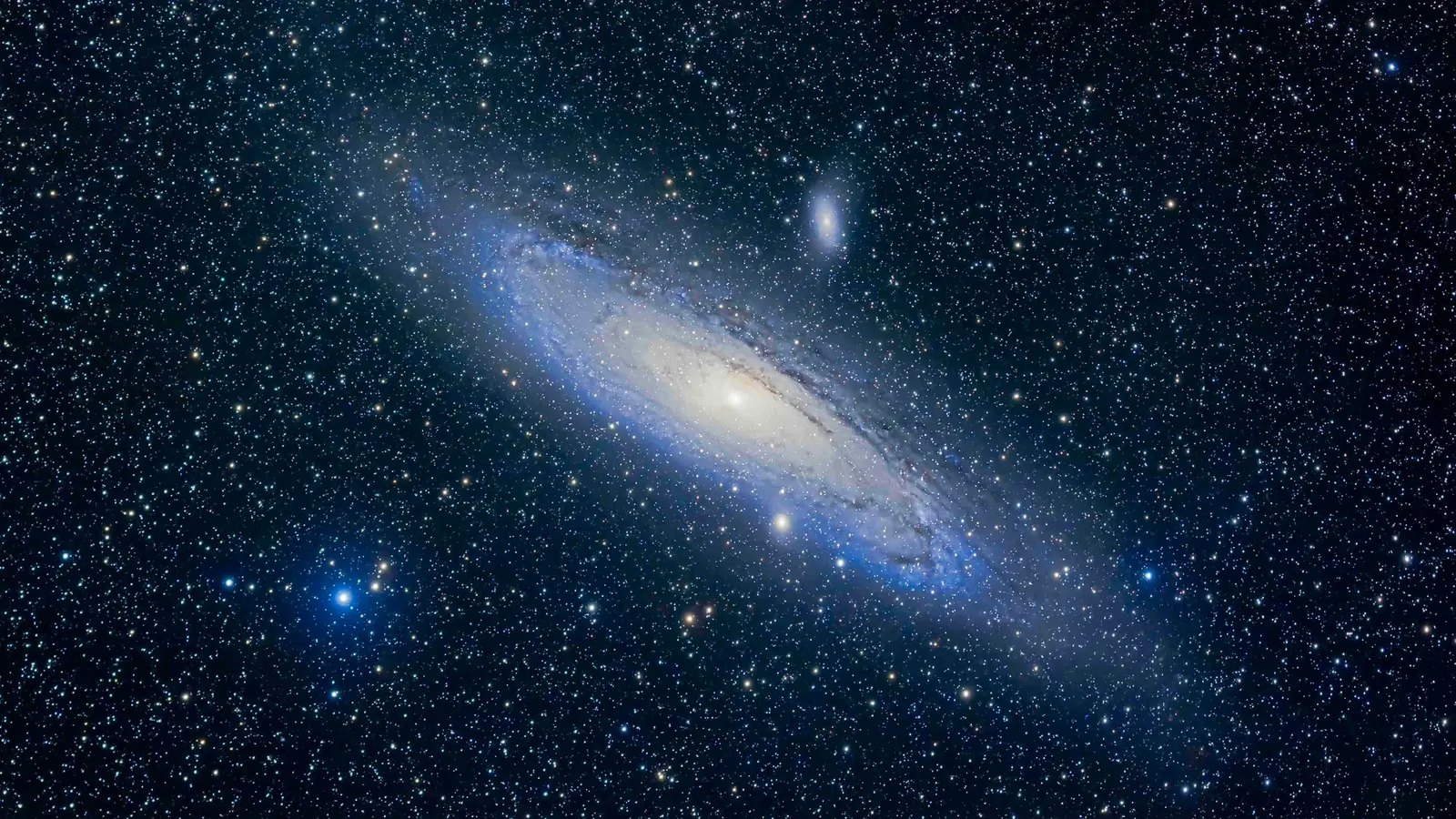
The Andromeda Galaxy, also known as M31, was identified as a separate galaxy from the Milky Way by Edwin Hubble 100 years ago, expanding our understanding of the universe. Located 2.5 million light-years away, Andromeda is on a collision course with the Milky Way, expected to merge in about four billion years. Recent studies suggest the galaxies may have already begun interacting. Andromeda is the easiest galaxy to spot in the night sky, visible with binoculars by locating the constellation Cassiopeia and the "Great Square" of Pegasus.

The Surprising Age of Galaxies: Only 100 Years Old

Originally Published 2 years ago — by EL PAÍS USA

Featured image for The Surprising Age of Galaxies: Only 100 Years Old
Source: EL PAÍS USA

One hundred years ago, Edwin Hubble's photograph of the Andromeda nebula marked the discovery of galaxies and challenged the prevailing belief that the Milky Way was the entire universe. Hubble's calculation of the distance to Andromeda, about 2 million light-years away, revealed the vastness of the cosmos and led to the realization that there were other galaxies beyond our own. This discovery revolutionized our understanding of the universe and set the stage for further advancements in astrophysics.

"The Big Bang: Unveiling the Universe's Enigmatic Origins"

Originally Published 2 years ago — by Livescience.com

Featured image for "The Big Bang: Unveiling the Universe's Enigmatic Origins"
Source: Livescience.com

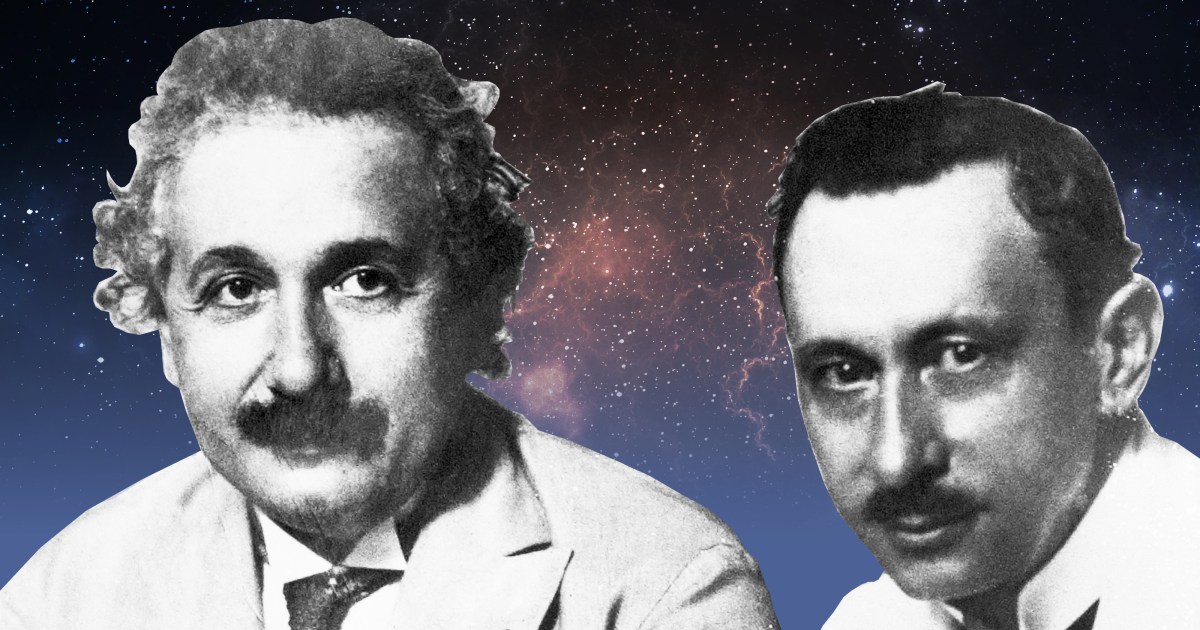
Here are five fascinating facts about the Big Bang theory: 1) It was first proposed by a Catholic priest named Georges Lemaître who took Einstein's and Hubble's results at face value. 2) The theory was accidentally verified by the discovery of the cosmic microwave background radiation. 3) The Big Bang is a theory of the history of the universe, not a theory of creation. 4) The cosmic microwave background serves as a window into our distant past. 5) The Big Bang happened everywhere in the universe simultaneously, not in a specific location in space.

The Lingering Tension in Cosmology and Physics' Critical Imbalance

Originally Published 2 years ago — by Big Think

Featured image for The Lingering Tension in Cosmology and Physics' Critical Imbalance
Source: Big Think

The Hubble tension, a discrepancy between two methods of measuring the expansion rate of the universe, is causing a problem for the standard model of cosmology. The two methods give completely different answers, and the difference cannot be chalked up to experimental errors. Physicists have suggested fixes, but they must solve the Hubble tension without messing up other domains of cosmology where the standard model gets the right answer. If a solution cannot be found, a revolutionary solution may be required.

The Birth of the Universe: A Quantum Egg

Originally Published 2 years ago — by Big Think

Featured image for The Birth of the Universe: A Quantum Egg
Source: Big Think

Belgian priest and cosmologist Georges Lemaître conjectured in 1931 that the beginning of the Universe could be modeled as the decay of a single quantum of matter, which gave birth to everything else. Lemaître suggests that the initial state of the Universe was without space or time, and the initial quantum was like a "unique atom" that spontaneously started to decay into smaller atoms or quantum fragments. The Big Bang model of cosmology emerged from the pioneering work of George Gamow, Ralph Alpher, and Robert Herman in the late 1940s and early 1950s, which suggests that the young Universe was denser and hotter, and matter was broken down to its smallest constituents early on.

The Impact of Imaginary Universes on Cosmology.

Originally Published 2 years ago — by Big Think

Featured image for The Impact of Imaginary Universes on Cosmology.
Source: Big Think

Theoretical physicists in the early 20th century used their equations to propose models of the universe, playing with the right-hand side of the equation that determines the curvature of spacetime based on the matter and energy that fill up space. Willem de Sitter proposed a solution with no matter and a cosmological constant, which had a curious property of cosmic repulsion that stretched the universe apart. Alexander Friedmann searched for other possible cosmologies and presented his results in a paper titled "On the Curvature of Space," showing that there are solutions to Einstein's equations that show a time-evolving universe. Friedmann distinguished two main types of cosmological solutions: expanding and oscillating.