Tag

Spider

All articles tagged with #spider

Early Spider Designs Featured Tailed, Eight-Legged Creatures

Originally Published 9 days ago — by IFLScience

Featured image for Early Spider Designs Featured Tailed, Eight-Legged Creatures
Source: IFLScience

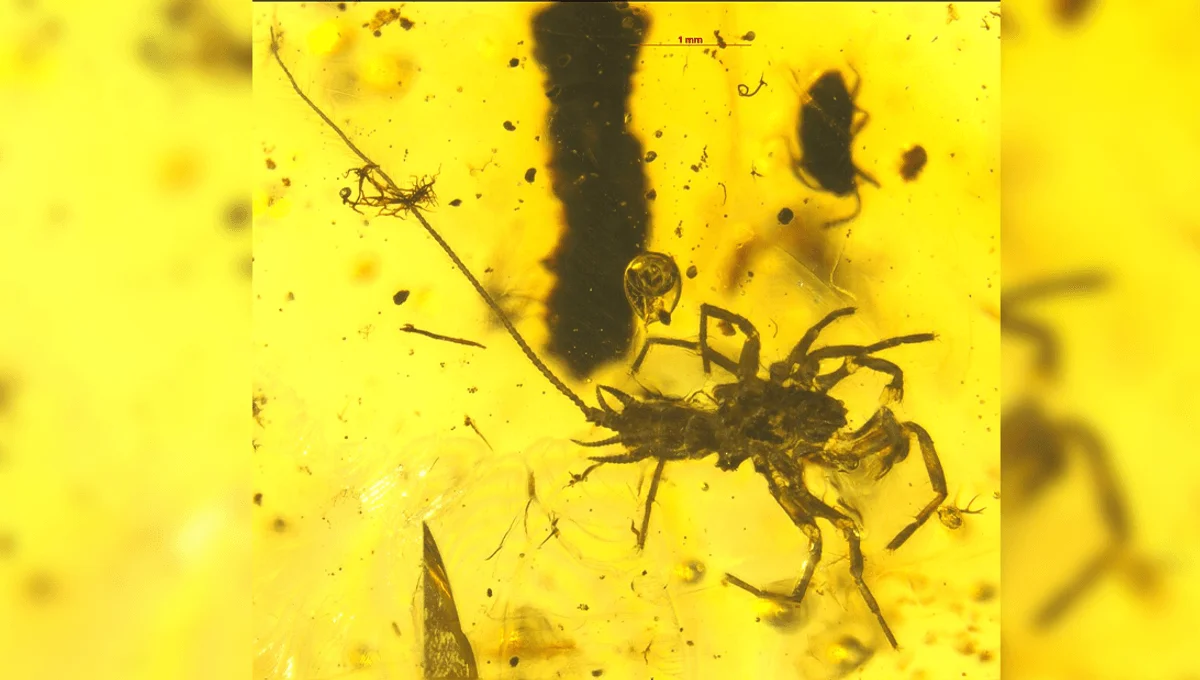
Scientists discovered a 100-million-year-old spider-like creature called Chimerarachne yingi with a tail, providing new insights into spider evolution. The fossil shows a mix of modern spider traits and unique features like a segmented abdomen and a whip-like tail, suggesting it was a close relative or early branch of true spiders, highlighting the mosaic nature of their evolutionary development.

Prehistoric Spider Larger Than Dinosaurs Discovered

Originally Published 5 months ago — by The Daily Galaxy

Featured image for Prehistoric Spider Larger Than Dinosaurs Discovered
Source: The Daily Galaxy

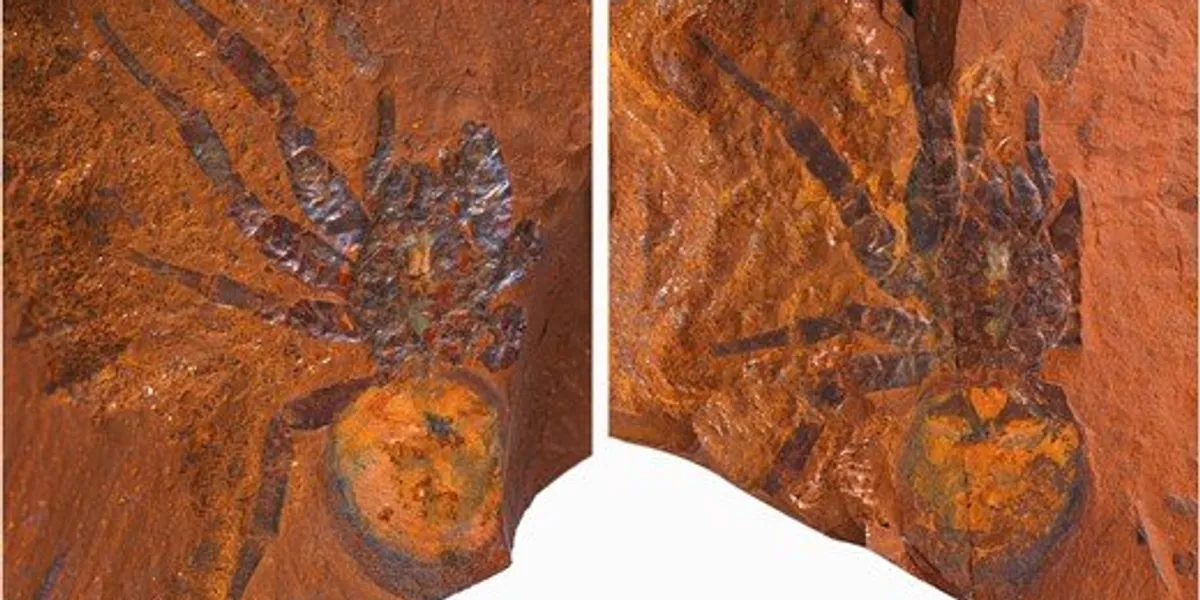
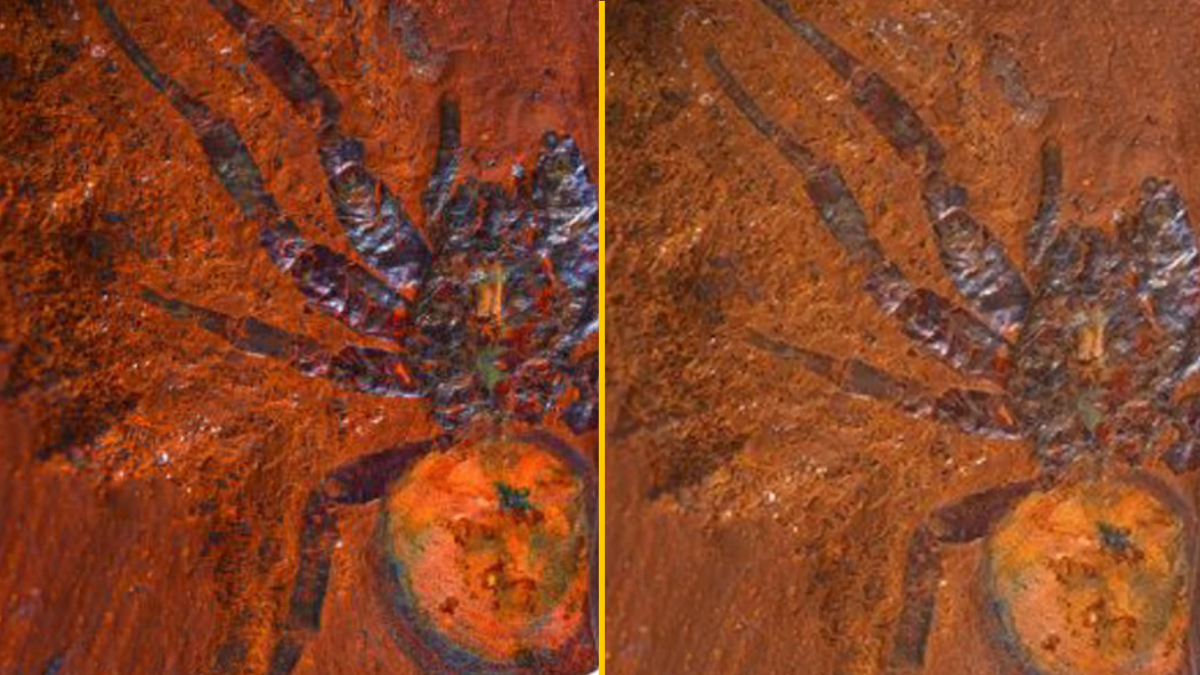
Scientists discovered a well-preserved fossil of a giant trapdoor spider, Megamonodontium mccluskyi, in Australia, dating back to the Miocene epoch. This extinct species, significantly larger than modern relatives, provides valuable insights into spider evolution and past rainforest ecosystems, highlighting how climate change has shaped biodiversity over millions of years.

Giant Dinosaur-Era Spider Fossil Discovered in Australia

Originally Published 1 year ago — by indy100

Featured image for Giant Dinosaur-Era Spider Fossil Discovered in Australia
Source: indy100

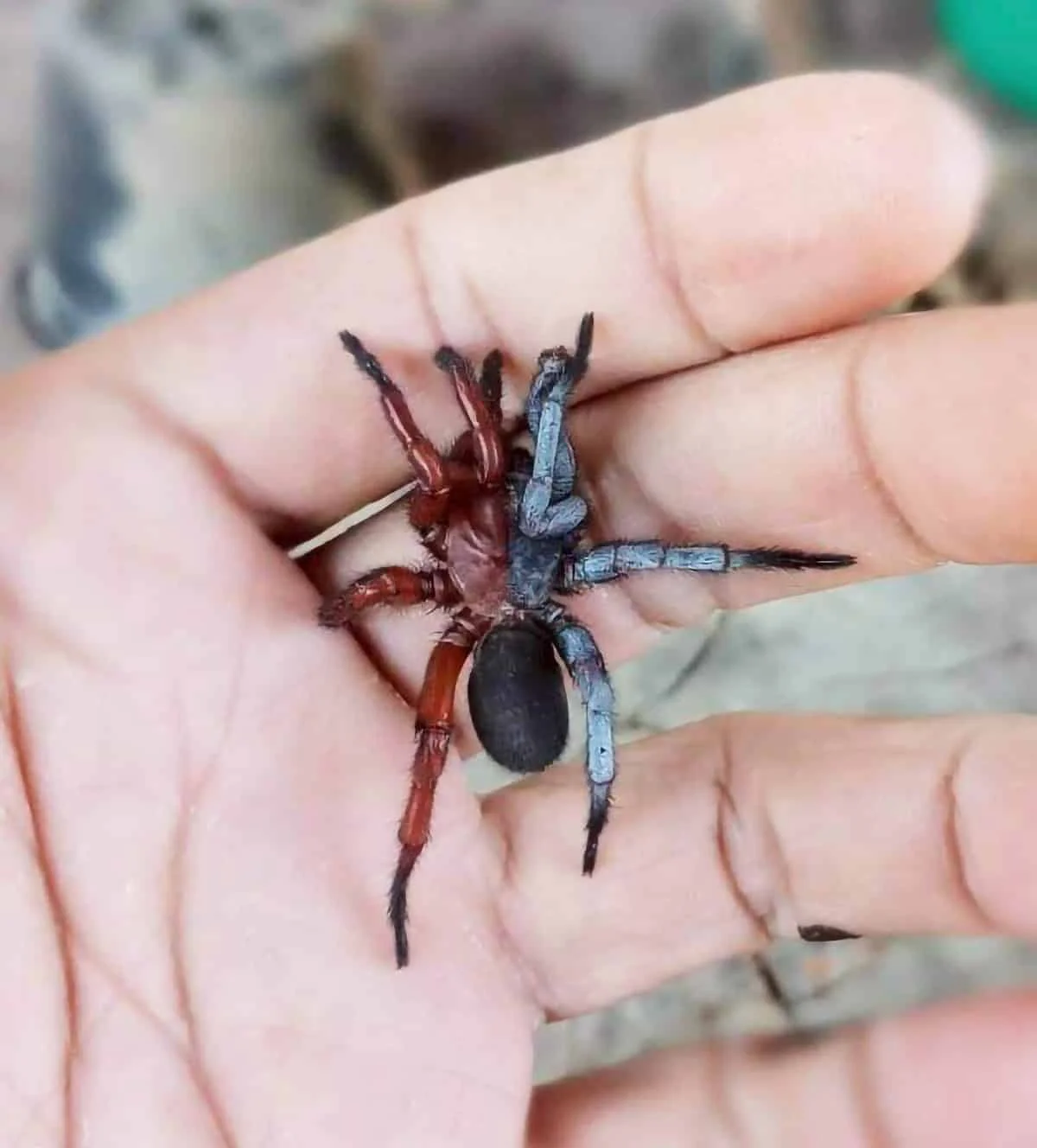
Scientists have discovered a fossilized giant trapdoor spider, named Megamonodontium mccluskyi, in New South Wales, Australia, marking only the fourth spider fossil found on the continent. This Miocene-era spider, five times larger than its modern relatives, provides insights into the region's past rainforest climate and the evolutionary history of spiders. The discovery, published in the Zoological Journal of the Linnean Society, highlights the spider's significance as the first fossil of the Barychelidae family found worldwide, offering clues about past environmental conditions and potential climate change impacts.

Giant Dinosaur-Era Spider Fossil Discovered in Australia

Originally Published 1 year ago — by indy100

Featured image for Giant Dinosaur-Era Spider Fossil Discovered in Australia
Source: indy100

Scientists have discovered a fossilized giant trapdoor spider, named Megamonodontium mccluskyi, in New South Wales, Australia, which is five times larger than its modern relatives. This rare find, only the fourth spider fossil in Australia, provides insights into the evolutionary history and past climate of the region, indicating it was once a lush rainforest. The discovery, published in the Zoological Journal of the Linnean Society, highlights the spider's significance as the first fossil of the Barychelidae family found worldwide.

"OSU Researcher Discovers Fossil of Shapeshifting Spider"

Originally Published 1 year ago — by KOIN.com

Featured image for "OSU Researcher Discovers Fossil of Shapeshifting Spider"
Source: KOIN.com

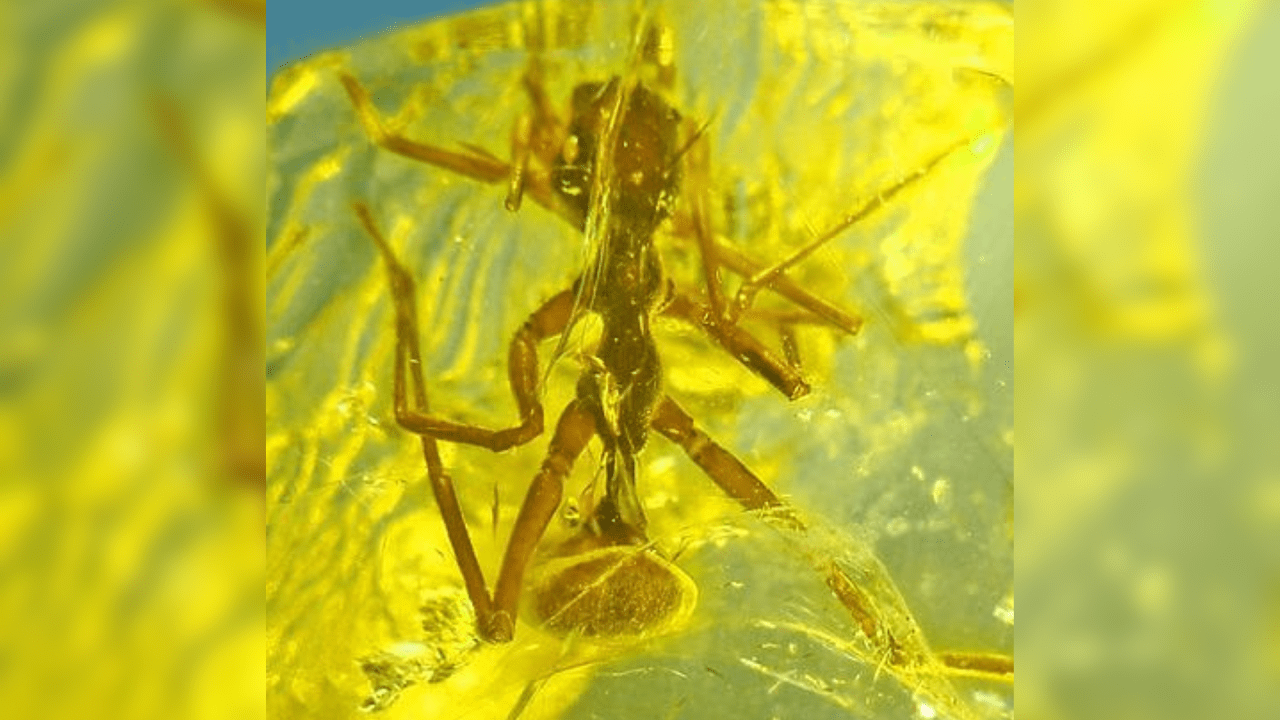
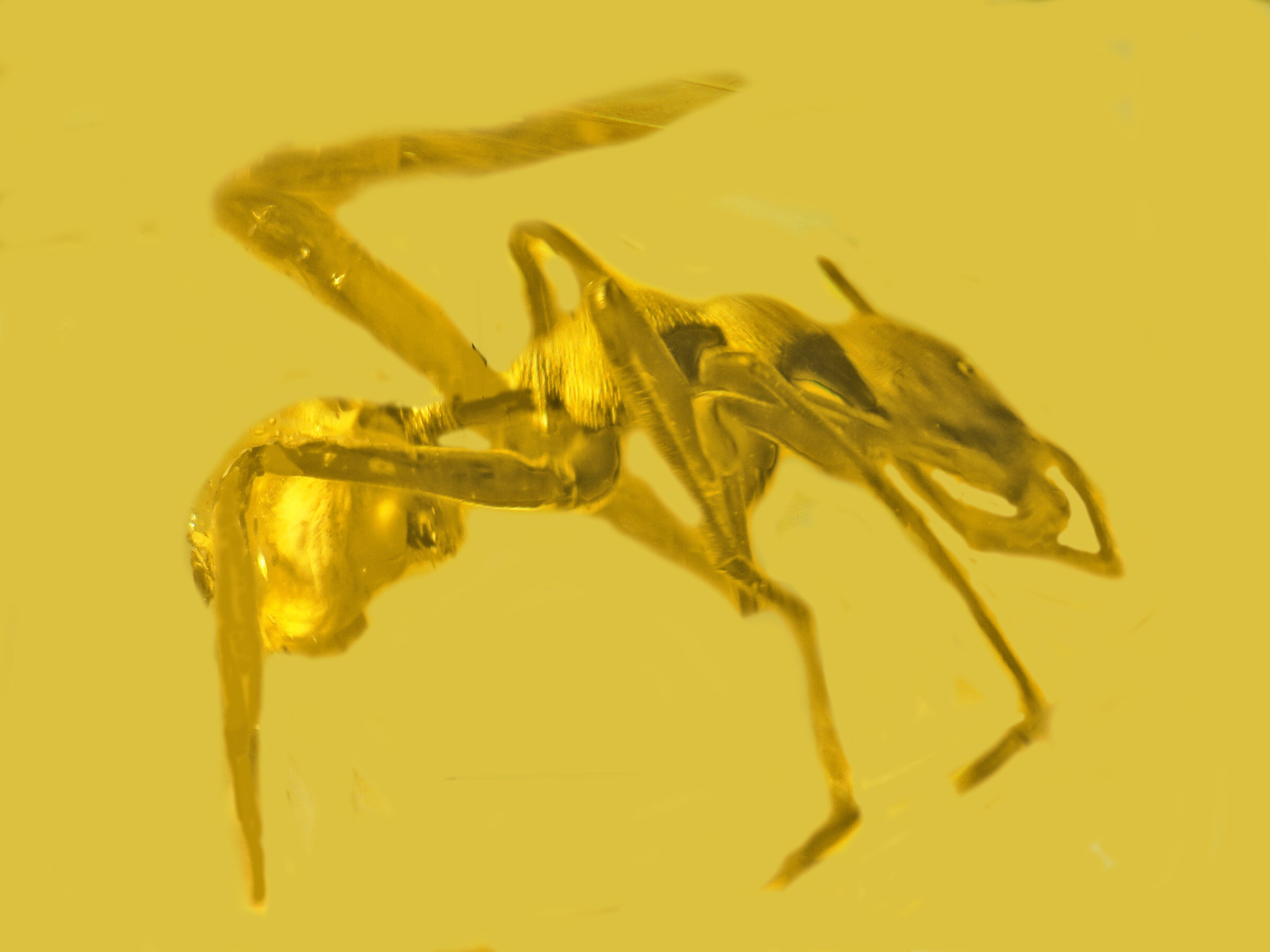
An Oregon State University researcher discovered a new species of ant-mimicking spider in a rare fossil from Colombia, estimated to be up to 3 million years old. The spider, resembling a jumping spider, was found entombed in copal resin. The researcher, George Poinar Jr., explained that spiders masquerade as ants to avoid predators, and the discovery sheds light on the evolutionary process of spiders adapting to mimic ants. The specimen, named Mymarcachne colombiana, highlights the widespread presence of masquerading spiders around the world.

"Male and Female Spiders Team Up to Perfectly Mimic Flower, Fooling Prey and Predators"

Originally Published 1 year ago — by IFLScience

Featured image for "Male and Female Spiders Team Up to Perfectly Mimic Flower, Fooling Prey and Predators"
Source: IFLScience

Researchers in a tropical rainforest in China observed a male and female crab spider, Thomisus guangxicus, resembling a complete flower, potentially exhibiting cooperative mimicry. The larger female spider mimics the petals of the Hoya pandurata plant, while the male perched on top resembles the flower's pistils and stamens. This behavior may help them avoid predation and improve male survival during the mating process. The study suggests that this could be the first known case of cooperative mimicry in the world, providing insights into the remarkable mimicry and ambush skills of crab spiders.

"Rare Resin Fossil Reveals Spider Mimicking Ant Behavior"

Originally Published 1 year ago — by Phys.org

Featured image for "Rare Resin Fossil Reveals Spider Mimicking Ant Behavior"
Source: Phys.org

Paleobiologist George Poinar Jr. has uncovered a rare find of a spider fossilized in resin, which he named Myrmarachne colombiana, that mimics the appearance of an ant. This discovery sheds light on the evolutionary strategy of certain spider species to deceive predators by resembling less desirable prey. The fossil, found in copal from Colombia, provides insight into the complex adaptations and behaviors of these ant-mimicking spiders, challenging previous notions about the origins of insect habits and suggesting a level of reasoning and intelligence in their mimicry.

"Pirate Spiders: New Species Found on South Atlantic Island"

Originally Published 1 year ago — by Phys.org

Featured image for "Pirate Spiders: New Species Found on South Atlantic Island"
Source: Phys.org

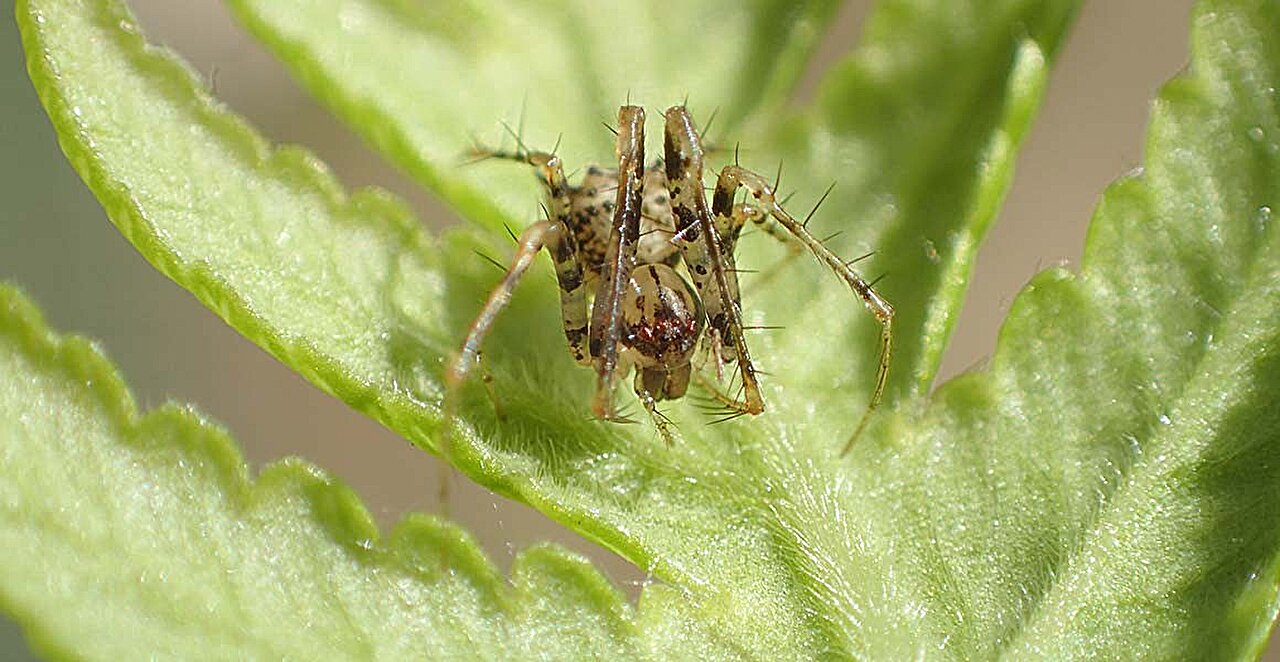
Two new species of pirate spiders, Ero lizae and Ero natashae, have been discovered on the remote island of St Helena in the South Atlantic. These spiders, known for taking over the webs of other spiders, were previously mistaken for a closely related species. The discovery highlights the unique biodiversity of the island's cloud forest and underscores the importance of conservation efforts to preserve this threatened habitat.

"Giant Dinosaur Spider Fossil Unearthed in Australia"

Originally Published 1 year ago — by Joe UK

Featured image for "Giant Dinosaur Spider Fossil Unearthed in Australia"
Source: Joe UK

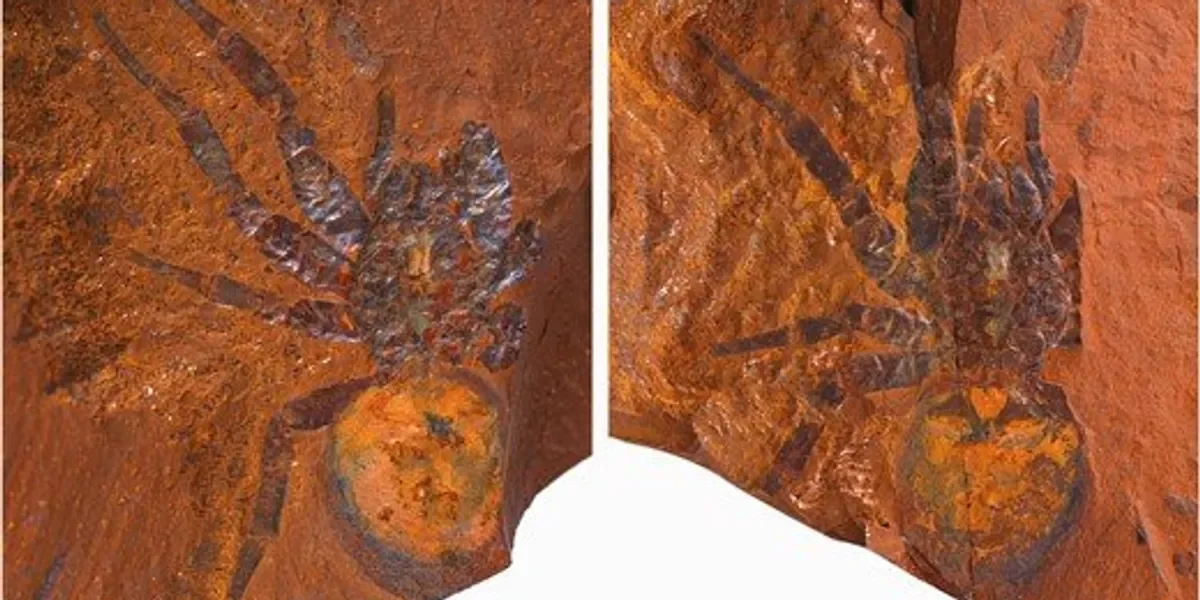
Scientists have discovered a fossilized giant trapdoor spider in New South Wales, Australia, dating back 11 to 16 million years ago, making it the second-largest spider fossil ever found globally. The new species, named Megamonodontium mccluskyi, belonged to the large brush-footed trapdoor spider family, Barychelidae, and its discovery provides new insights into the evolutionary history and extinction of spiders. The well-preserved fossil, found in a grassland region, revealed minute details of the spider's body, indicating its close relation to the modern genus of Monodontium but five times larger in size. This significant finding has been published in the Zoological Journal of the Linnean Society.

Spider Found Crawling in Woman's Ear After Hearing Abnormal Sounds

Originally Published 2 years ago — by Insider

Featured image for Spider Found Crawling in Woman's Ear After Hearing Abnormal Sounds
Source: Insider

A woman in Taiwan sought medical help after experiencing "abnormal sounds" in her left ear for four days, only to discover that a small spider had crawled inside and shed its exoskeleton. Doctors successfully removed the spider using a suction tube, relieving the woman of her symptoms. Foreign objects in the ear, including insects, are not uncommon for ear, nose, and throat specialists, with insects accounting for around 14 to 18% of cases. If you suspect a bug in your ear, it is advised not to poke or prod it with a Q-tip, but rather seek professional medical assistance.

Ancient Giant Spider Fossil Unearthed in Australia

Originally Published 2 years ago — by indy100

Featured image for Ancient Giant Spider Fossil Unearthed in Australia
Source: indy100

Scientists have discovered a fossilized giant trapdoor spider in New South Wales, Australia, which is five times larger than its modern-day relatives. Named 'Megamonodontium mccluskyi', the spider lived during the Miocene period 11 to 16 million years ago. This finding is significant as it sheds light on the evolutionary history and extinction of spiders in Australia. The discovery also provides insights into the past climate of the region, indicating that it was once much wetter than it is now. The fossil is the first of its kind from the Barychelidae family to be found worldwide.

Ancient Giant Spider Fossil Unearthed in Australia

Originally Published 2 years ago — by indy100

Featured image for Ancient Giant Spider Fossil Unearthed in Australia
Source: indy100

Scientists have discovered a fossilized giant trapdoor spider in New South Wales, Australia, which is five times larger than its modern-day relatives. Named 'Megamonodontium mccluskyi', the spider lived during the Miocene period 11 to 16 million years ago. This finding is significant as it sheds light on the evolutionary history and extinction of spiders in Australia. The discovery also provides insights into the past climate of the region, indicating that it was once much wetter than it is now. The fossil is the first of its kind from the Barychelidae family to be found worldwide.