Scientists have discovered preserved proteins in 18-million-year-old fossilized teeth, challenging previous beliefs about protein degradation over time and opening new avenues for studying ancient life and evolution through molecular analysis.
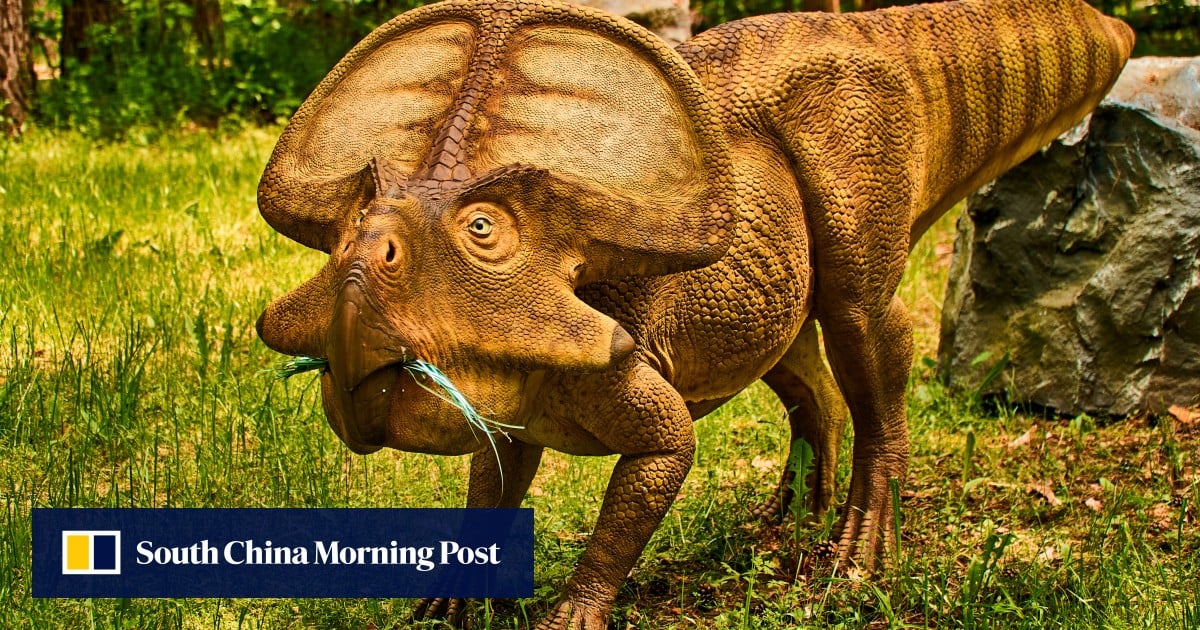
A study by researchers from China and the US suggests that horned dinosaurs experienced a decline in intelligence, hearing, and smell as they grew larger over 100 million years. This evolutionary trend, documented in the journal Paleobiology, indicates that early ceratopsians had more sensitive senses and larger brain volumes compared to their later counterparts. The researchers warn that humans might face a similar decline in cognitive abilities if we become overly dependent on technology.
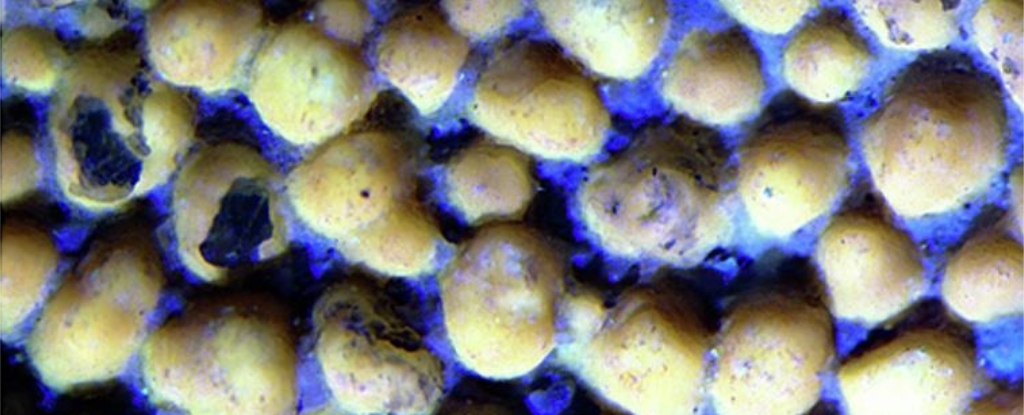
Scientists have detected ancient amino acids in dinosaur eggshell fossils, providing a rare opportunity to study organic remains from dinosaurs that lived 66 to 86 million years ago. The amino acids, found to be racemic, were preserved within the calcite mineral of the eggshells, offering insights into the biology of extinct organisms. This discovery may help researchers understand molecular changes in fossils over long periods of time and unlock secrets about ancient life through stable isotopes.
Paleobiologist George Poinar Jr. has uncovered a rare find of a spider fossilized in resin, which he named Myrmarachne colombiana, that mimics the appearance of an ant. This discovery sheds light on the evolutionary strategy of certain spider species to deceive predators by resembling less desirable prey. The fossil, found in copal from Colombia, provides insight into the complex adaptations and behaviors of these ant-mimicking spiders, challenging previous notions about the origins of insect habits and suggesting a level of reasoning and intelligence in their mimicry.
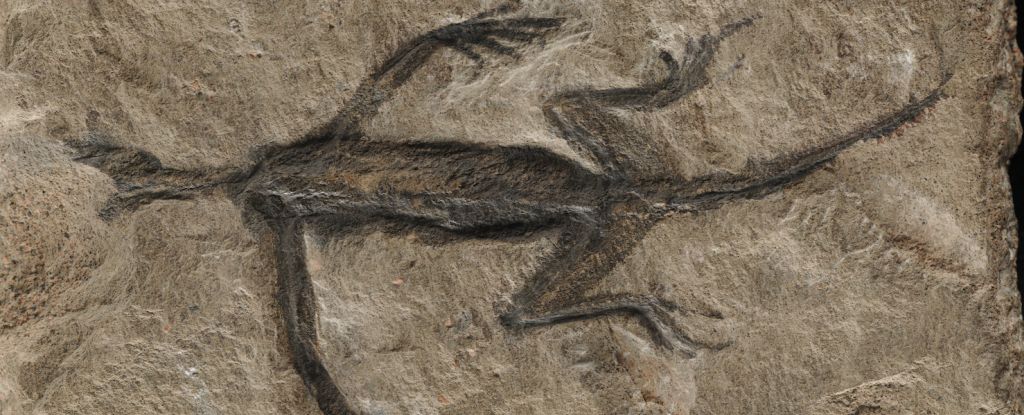
A fossil discovered in the Italian Alps in 1931, believed to be an ancient lizard with exceptionally preserved soft tissue, has been revealed to be a fake. A recent analysis led by paleobiologist Valentina Rossi discovered that the soft tissue was actually black paint. While the revelation was unexpected and disappointing, it opens up new opportunities for studying the genuine parts of the fossil and potentially finding new specimens at the excavation site. The research sheds light on the history of paleontology and the advancements in molecular-level fossil analysis.
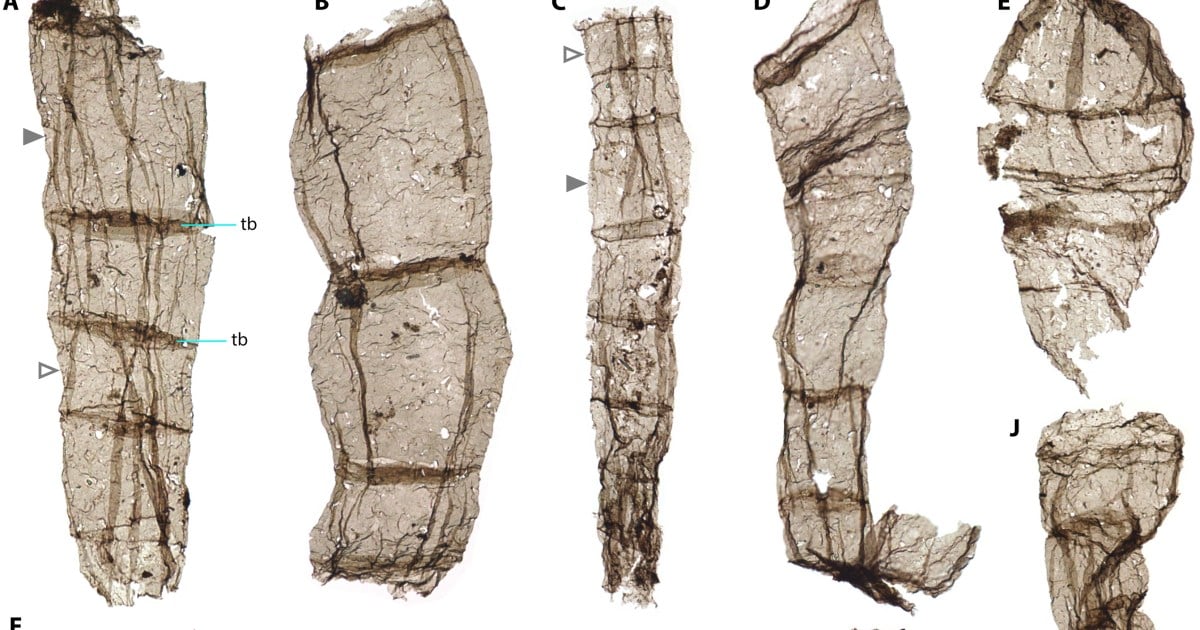
A 1.63-billion-year-old fossil discovered in North China challenges previous assumptions about the timeline of multicellular life on Earth. The fossil, named Qingshania magnifica, is a multicellular eukaryote that lived during the "boring billion" period, suggesting that this era may not have been as uneventful as previously thought. This finding extends the timeline for the evolution of multicellularity by 700 million years, indicating that complex multicellular organisms appeared earlier than previously believed. The discovery underscores the challenges of relying solely on fossil evidence and highlights the need for renewed attention to older rock formations to shed light on Earth's early history.
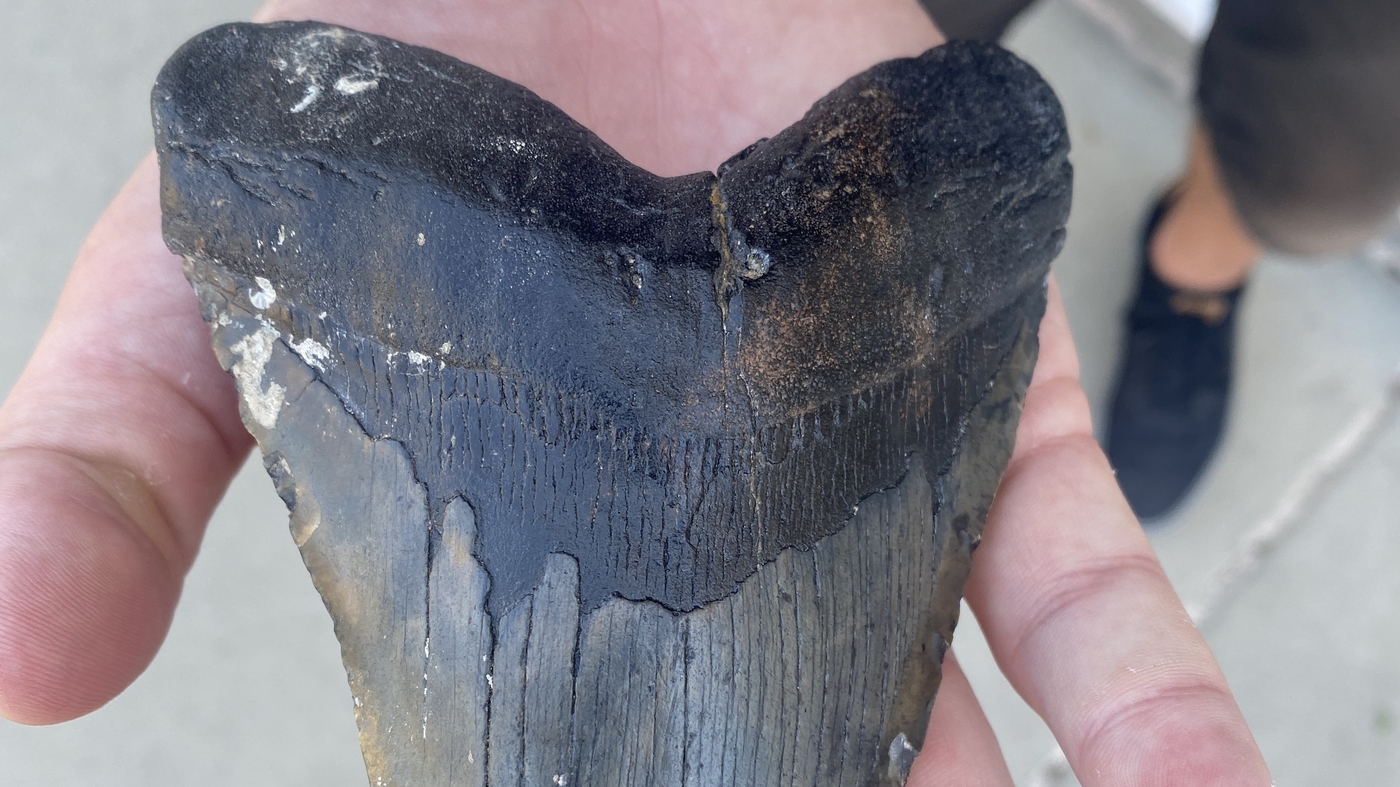
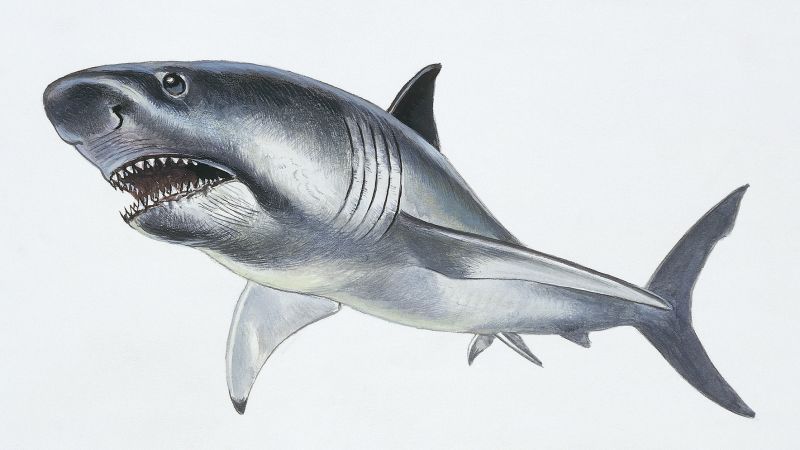
New research suggests that the extinct Megalodon shark may have been more slender than previously thought, altering our understanding of its behavior and impact on the ancient ocean ecosystem. Debate over the shark's appearance continues, with some researchers arguing for a longer, more slender body shape based on fossil evidence, while others maintain the traditional depiction as a larger version of the modern great white shark. Understanding Megalodon's biology is crucial for comprehending its role in marine ecosystems and the factors contributing to its extinction millions of years ago.
A new study led by paleobiologist Kenshu Shimada and doctoral candidate Phillip Sternes suggests that megalodons, the prehistoric sharks, had slimmer bodies than previously thought, challenging the previous assumption that they resembled great white sharks. The research, based on a reappraisal of fossil vertebrae found in Belgium, indicates that megalodons would have had leaner bodies, at least compared to modern great white sharks. The study, published in the journal Palaeontologia Electronica, highlights the ongoing mysteries and misconceptions surrounding megalodon biology, as their complete skeletons are rare. Previous research also suggests that the extinction of megalodons around 3.6 million years ago may have been linked to their warm-blooded nature and sensitivity to environmental changes.
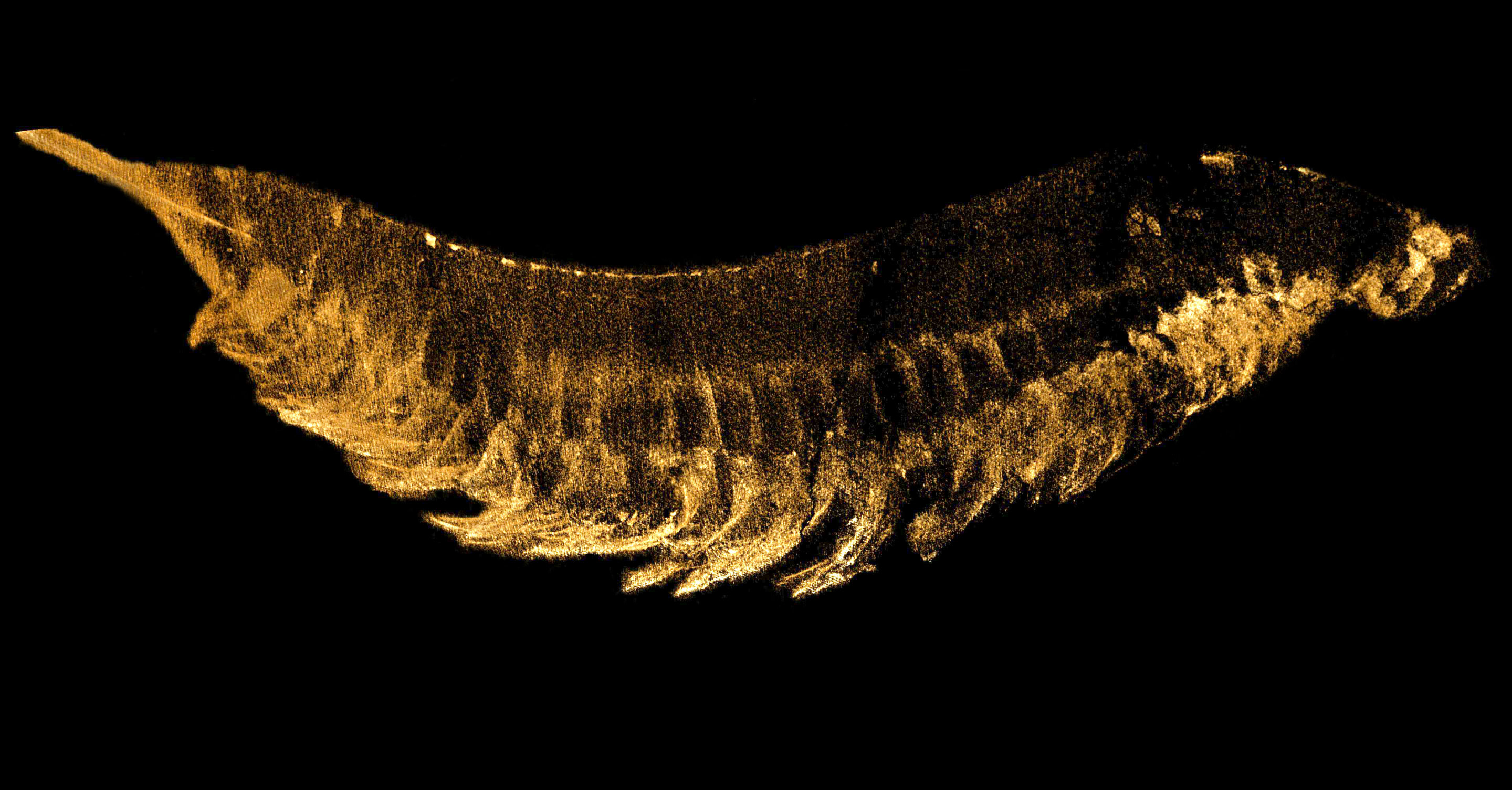
Researchers have redescribed a unique fossil animal called Kylinxia, which fills in a gap in our understanding of arthropod evolution. The fossil, found in rocks nearly 520 million years old in southern China, reveals a three-eyed creature with fearsome limbs used for catching prey. The well-preserved fossil allowed scientists to digitally image its head, identifying six segments, similar to many living arthropods. This discovery provides valuable insights into the early evolution of arthropods and challenges previous theories about the number of segments in their heads.
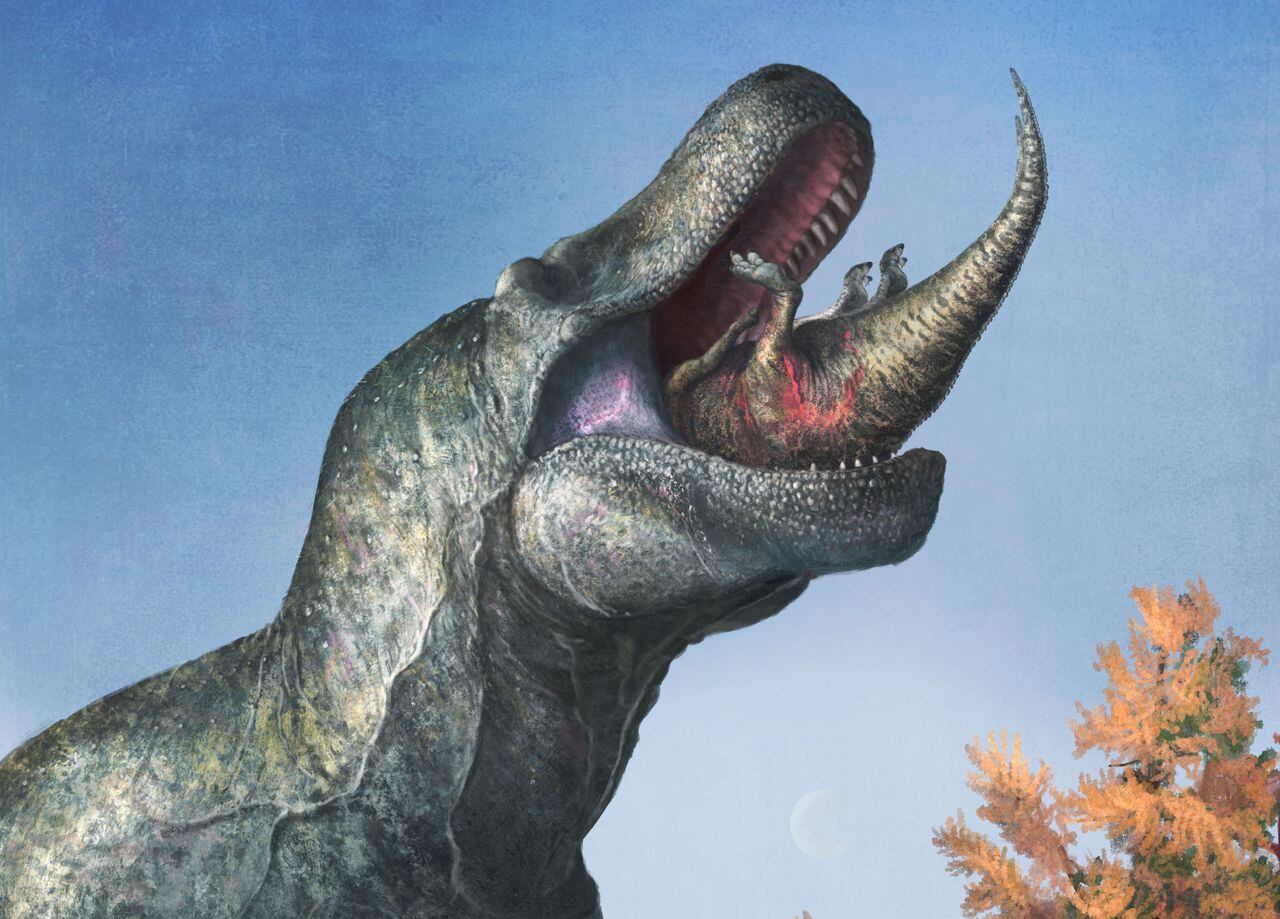
New research by an international team, including Thomas Cullen, an associate professor of paleobiology at Auburn University, suggests that therapod dinosaurs like Tyrannosaurus rex would have had fleshy lips covering their teeth instead of those menacing mandibles. The researchers examined tooth wear, the size and scale of therapod skulls and teeth, and compared T-rex skulls to those of modern-day lizards and crocodiles. The results of the comparison were published in the journal Science on Thursday. However, some paleontologists have found the study "completely unconvincing."