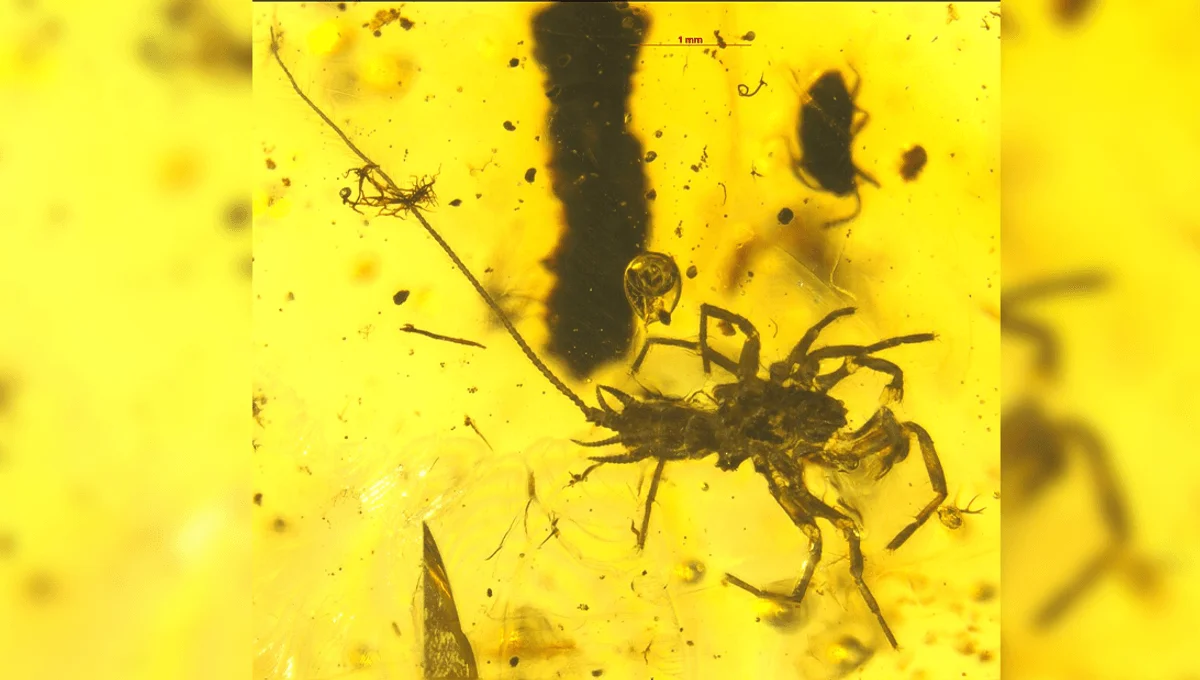
Scientists discovered a 100-million-year-old spider-like creature called Chimerarachne yingi with a tail, providing new insights into spider evolution. The fossil shows a mix of modern spider traits and unique features like a segmented abdomen and a whip-like tail, suggesting it was a close relative or early branch of true spiders, highlighting the mosaic nature of their evolutionary development.
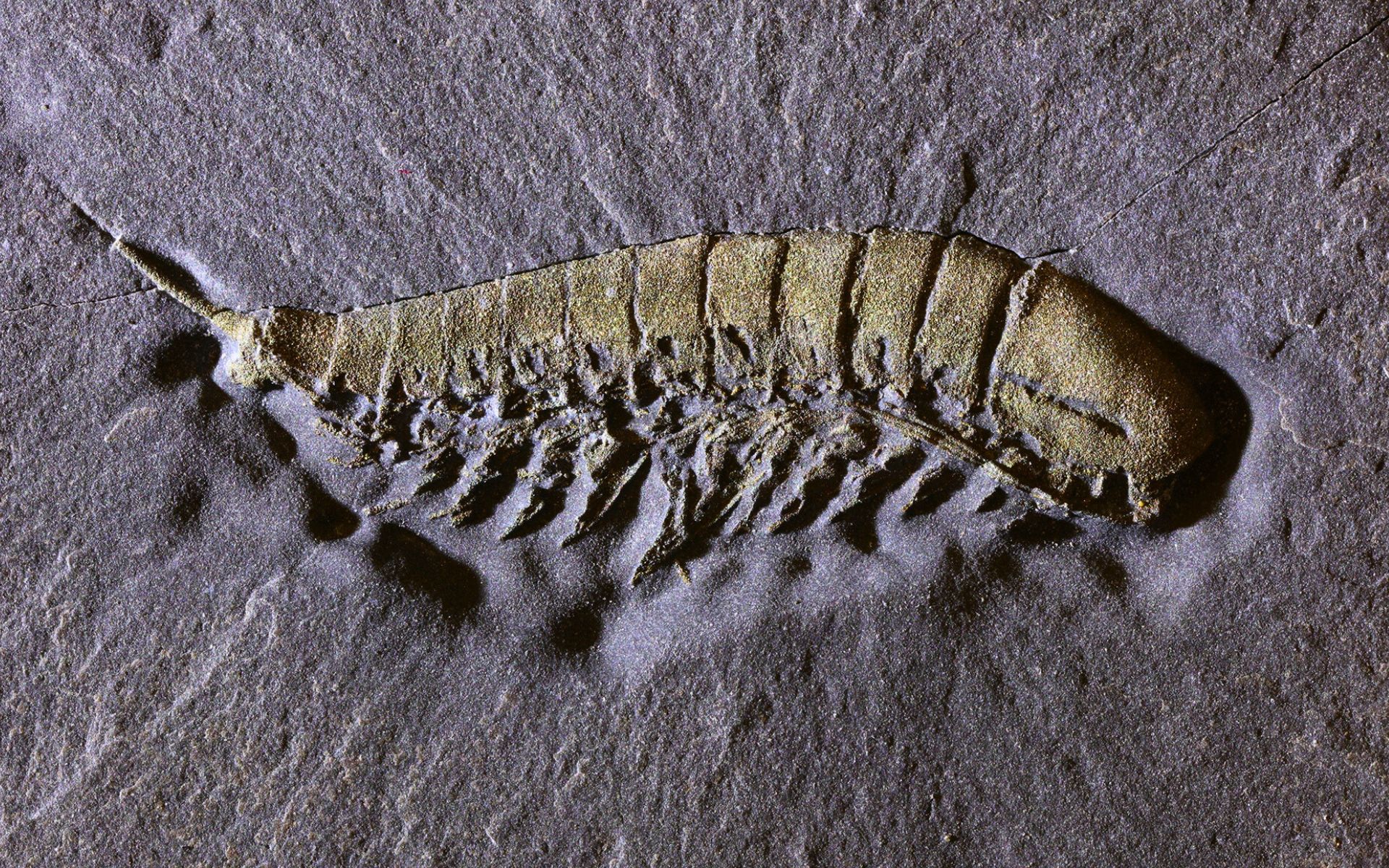
Paleontologists have discovered a 450-million-year-old arachnid fossil, named lomankus edgecombei, encased in fool's gold in upstate New York. This ancient arthropod, found at Beecher’s Trilobite Bed, offers a rare 3D preservation, providing insights into the evolution of arthropod characteristics. The fossil's unique front limb, akin to a "biological Swiss army knife," suggests it was used for capturing prey and sensing the environment, highlighting evolutionary adaptations. This discovery aids in understanding the evolutionary pathways of modern arthropods like spiders and scorpions.
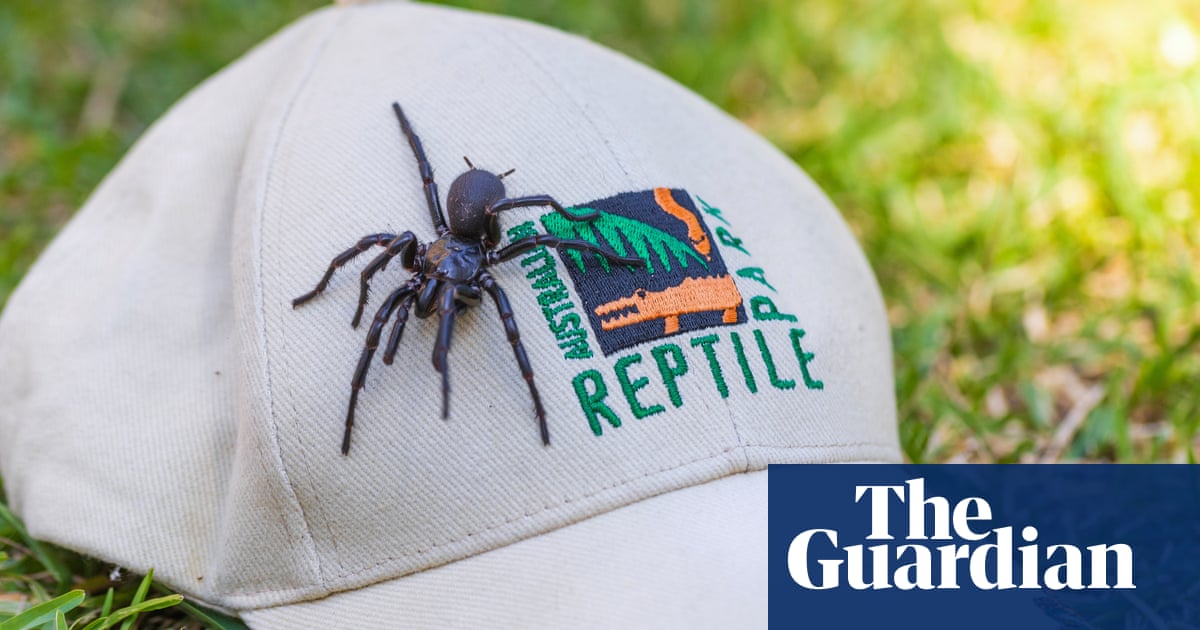
The Australian Reptile Park has acquired the largest male Sydney funnel-web spider ever received from the public, named "Hercules," measuring 7.9cm across. Found north of Sydney, Hercules' venom will be used in the park's antivenom program, which has prevented any fatalities from funnel-web bites since its start in 1981. The recent weather conditions have been ideal for these spiders, which are known for their potent venom, especially in males.
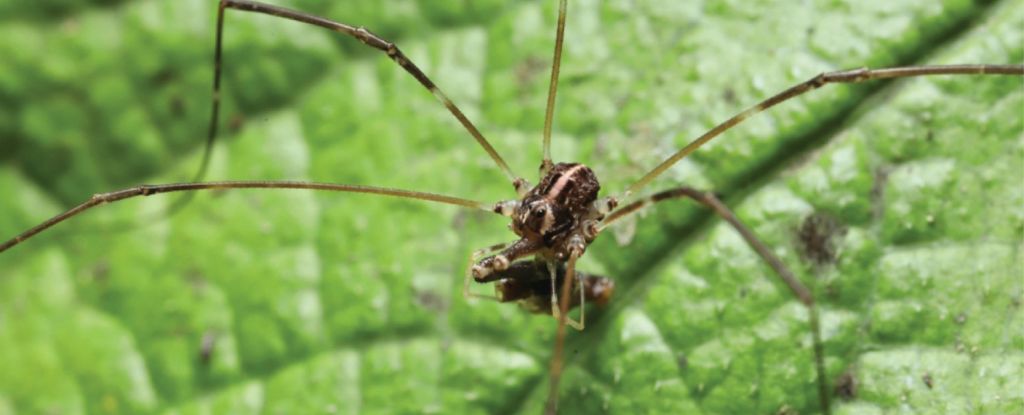
Scientists have discovered a rare species of arachnid in New Zealand called harvestmen, or daddy longlegs, that exhibits trimorphism, with three distinct types of males. The alpha male has strong pincer-like jaws, the beta male has longer and thinner pincers, and the gamma male is much smaller and weaponless. The study suggests that if a male harvestman loses a leg in its youth, it is more likely to grow up smaller and weaker. This may explain why the smaller gamma males adopt a different reproductive strategy, sneaking around to find undefended females. The findings challenge Charles Darwin's theory of sexual selection and highlight the importance of understanding the evolution of mating systems in different animal taxa.
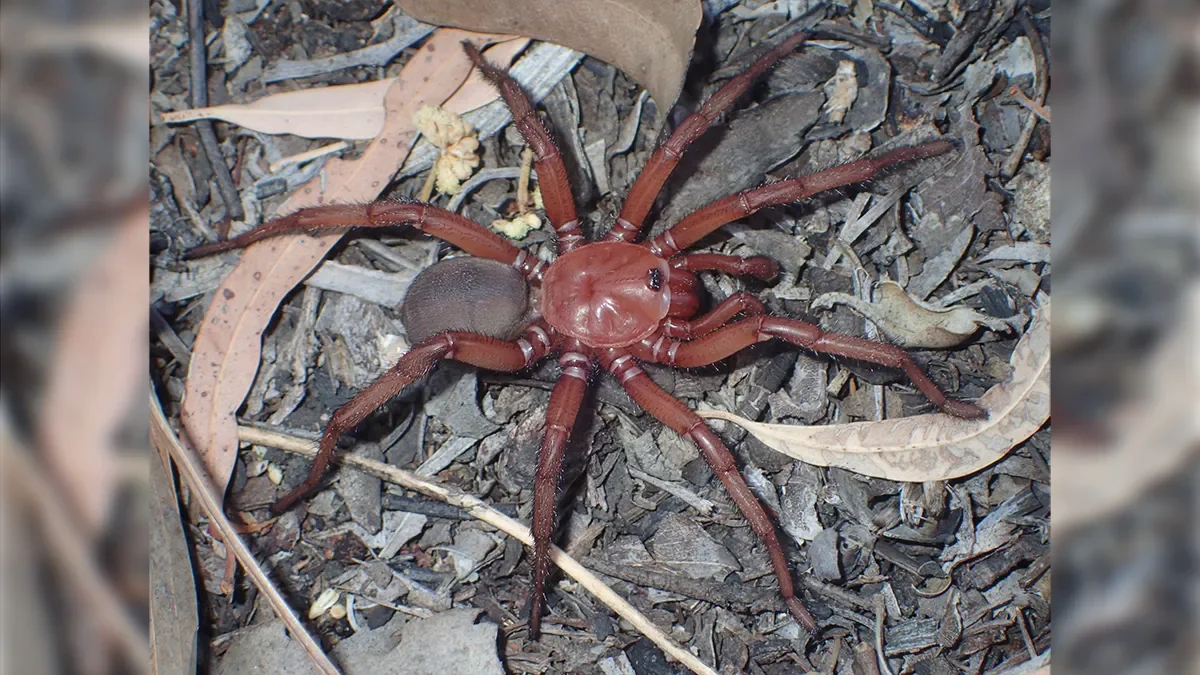
Researchers at the Queensland Museum have discovered a new species of trapdoor spider in Central Queensland, Australia. The spider, named Euoplos dignitas, is known for its impressive size and builds its burrows in the black soils of the Brigalow Belt.