Tag

Spectroscopic Observations

All articles tagged with #spectroscopic observations

astronomy2 years ago

"Studying the Evolution of a Nearby Type Ia Supernova"

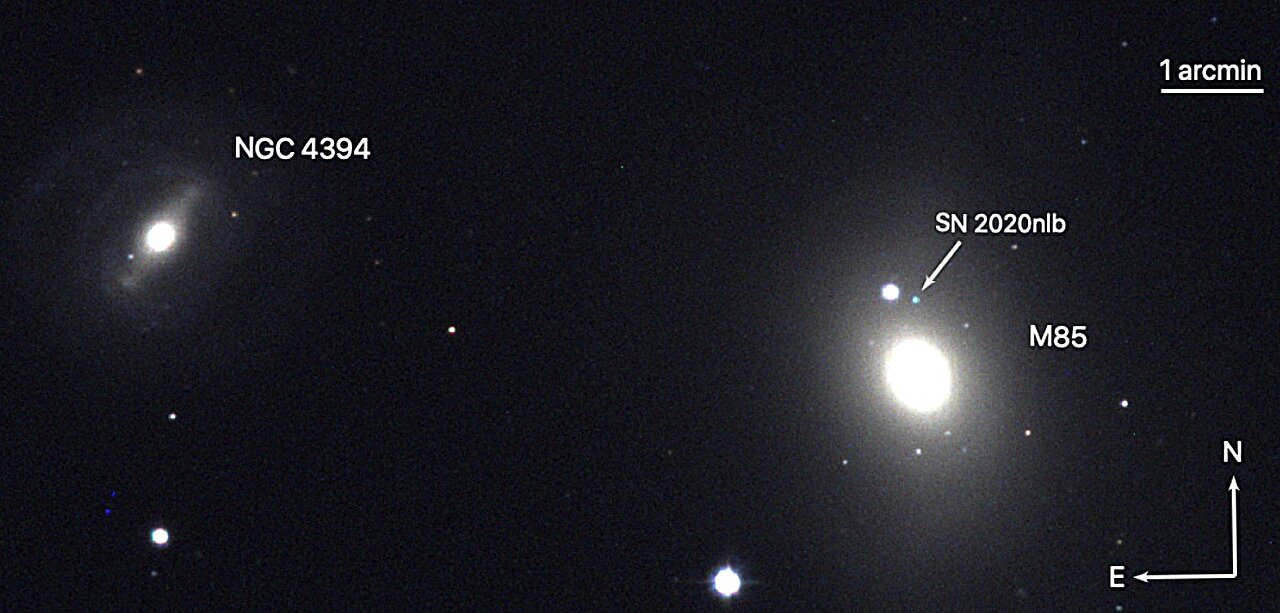
Astronomers have conducted photometric and spectroscopic observations of a nearby Type Ia supernova, SN 2020nlb, providing important insights into its evolution. The observations revealed that SN 2020nlb faded faster than an average Type Ia supernova, suggesting lower luminosity. Spectra showed similarities to other supernovae at early stages, but evolved to become hotter and more similar to a different type as it brightened. The nebular spectra indicated potential differences between SN 2020nlb and the bulk of normal Type Ia supernovae.
space2 years ago

Juno's Discovery: Organic Compounds and Potential Alien Life on Ganymede

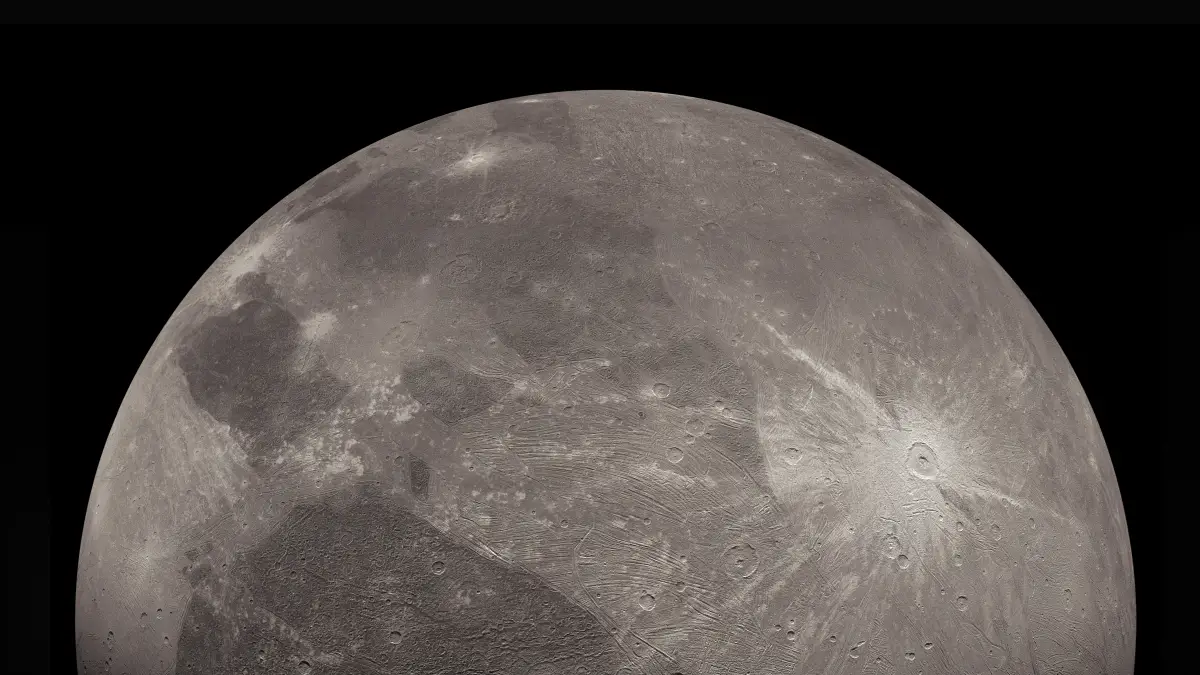
NASA's Juno spacecraft, during its flyby of Jupiter's moon Ganymede in 2021, has discovered the presence of mineral salts and organic compounds on the moon's surface. The high-resolution spectroscopic observations made by Juno's Jovian Infrared Auroral Mapper (JIRAM) spectrometer revealed the presence of hydrated sodium chloride, ammonium chloride, sodium bicarbonate, and possibly aliphatic aldehyde. These findings provide insights into Ganymede's formation and the composition of its deep subsurface ocean. The localized distribution of these compounds suggests that Ganymede's magnetic field shields them from surrounding radiation. Further investigations by upcoming missions like ESA's JUICE and NASA's Europa Clipper will provide more detailed observations of Ganymede and other icy moons in Jupiter's system.

astronomy2 years ago

Unveiling Trumpler 14's Young Low-Mass Star Population

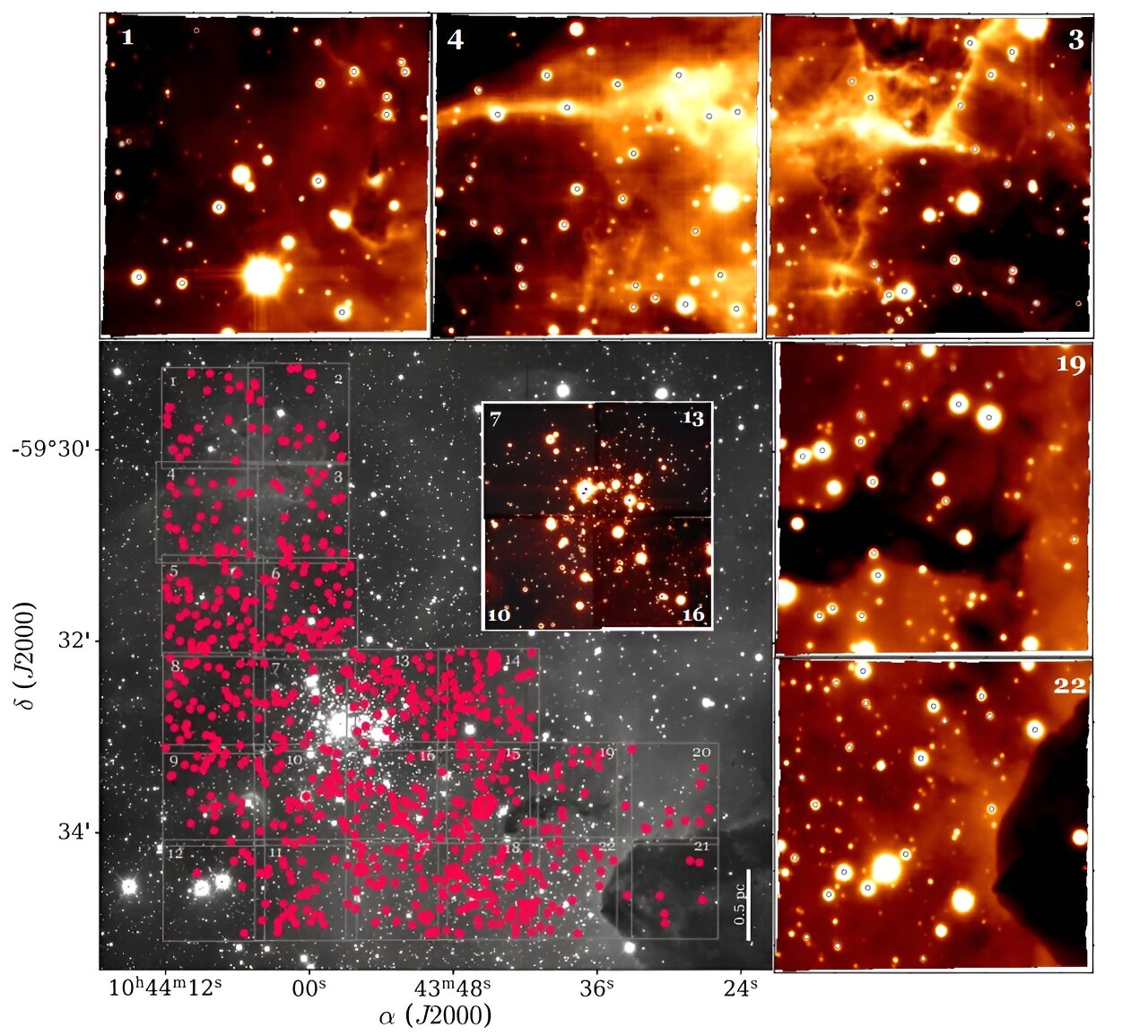
European astronomers have used the Very Large Telescope (VLT) to study the population of young low-mass stars in the open cluster Trumpler 14. Spectroscopic observations were conducted, revealing that about half of the stars in the sample have masses below 1 solar mass. The study provides valuable insights into the formation and evolution of low-mass stars in a cluster environment.

space-science2 years ago

"TRAPPIST-1: Unveiling Alien Life Possibilities with Webb Space Telescope"

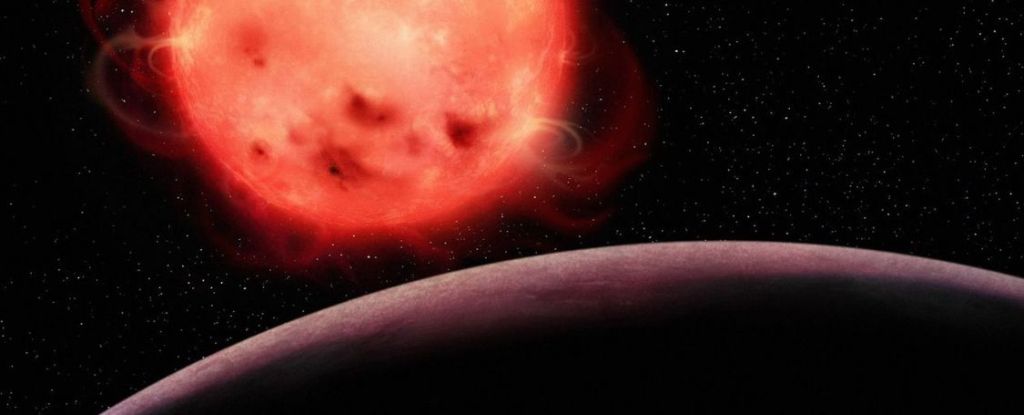
New observations from the James Webb Space Telescope suggest that the behavior of the host star of TRAPPIST-1b, an Earth-like exoplanet, may be interfering with accurate measurements of the exoplanet. Stellar contamination, caused by variations in the star's brightness due to starspots and faculae, can heavily impact spectroscopic observations of exoplanet atmospheres. This finding highlights the importance of taking stellar contamination into account when analyzing data and could affect future studies of the TRAPPIST-1 system, which has three exoplanets in the star's habitable zone. Further theoretical work and observations of the host star are needed to better understand and mitigate the effects of stellar contamination.

astronomy2 years ago

"Oldest Galaxy in the Universe: Maisie's Cosmos Revealed"

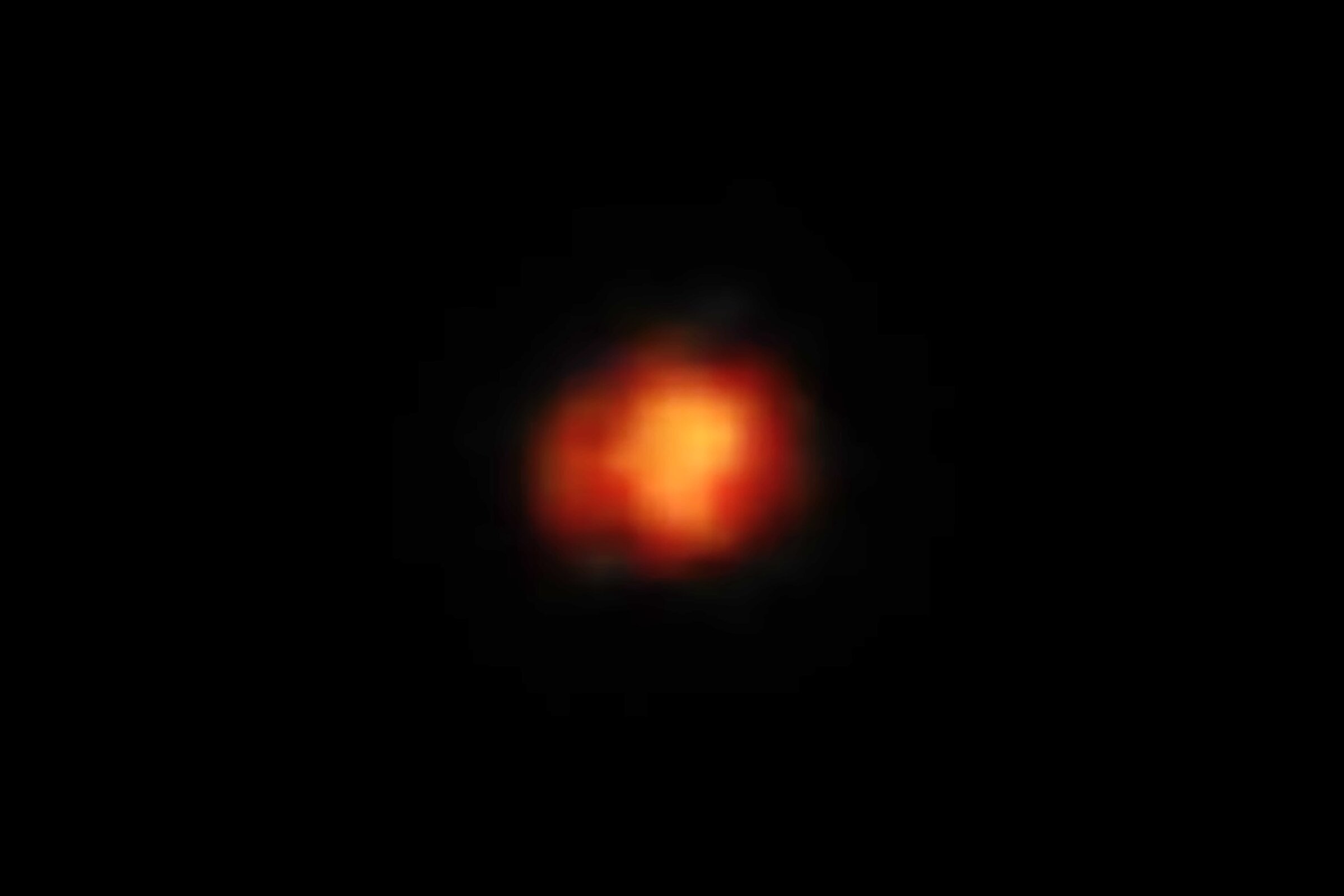
Maisie's galaxy, named after astronomer Steven Finkelstein's daughter, has been confirmed as one of the earliest galaxies ever observed, dating back to 390 million years after the Big Bang. Spectroscopic observations using the James Webb Space Telescope have provided more accurate estimates of its redshift, placing it at a redshift of z=11.4. The galaxy's brightness and blue appearance challenge current models of early galaxy formation, making it an intriguing object for further study.

astronomy2 years ago

"Groundbreaking Discovery: Maisie's Galaxy Unveiled as One of the Universe's Oldest"

Astronomers using the James Webb Space Telescope have confirmed that Maisie's galaxy, named after astronomer Steven Finkelstein's daughter, is one of the earliest galaxies ever observed. Spectroscopic observations reveal that the galaxy was detected 390 million years after the Big Bang, making it one of the four earliest confirmed galaxies. The findings were published in the journal Nature.

science2 years ago

James Webb Telescope Uncovers Universe's Earliest Galaxies

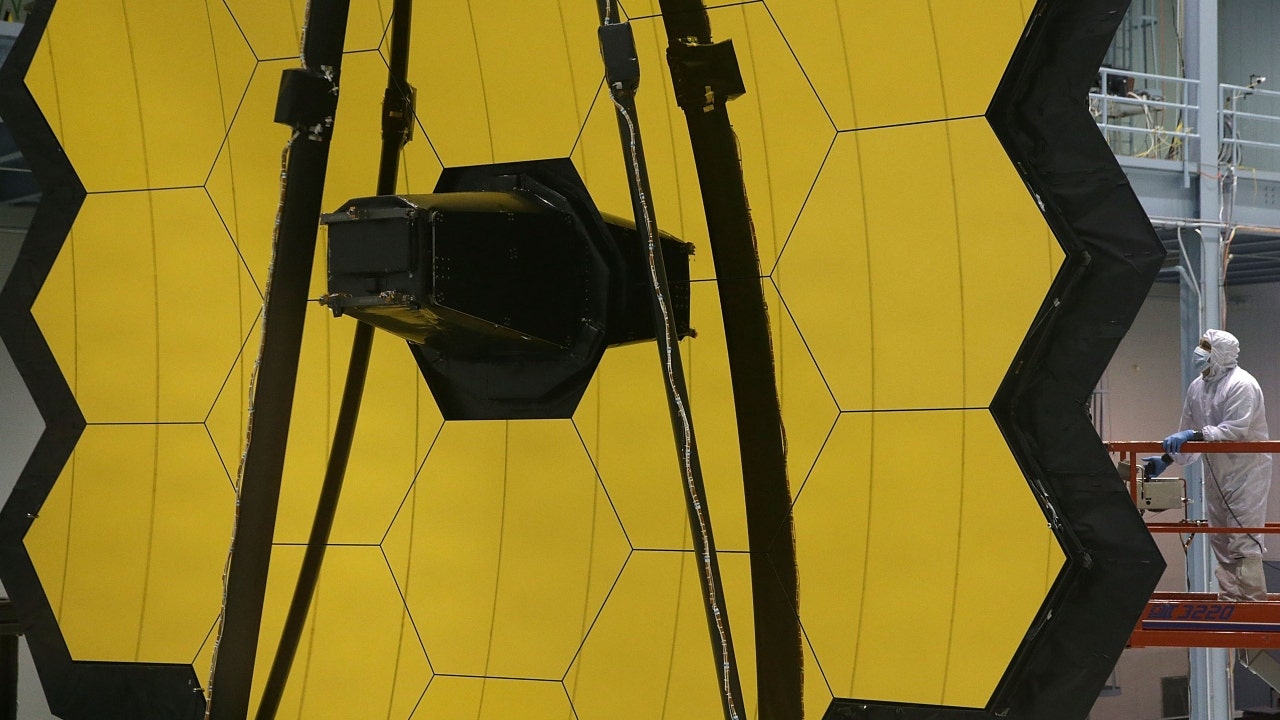
Using NASA's James Webb Space Telescope, astronomers have discovered the earliest galaxies confirmed to date, dating back to less than 400 million years after the big bang. The galaxies were confirmed by spectroscopic observations, revealing "characteristic and distinctive patterns in the fingerprints of light" emitted by the faint galaxies. The findings resulted from the collaboration of scientists who led the development of Webb's NIRCam and NIRSpec instruments. JADES, which has been allocated just over one month of the telescope’s time over a period two years, is designed to provide an unprecedented view of the early universe.

astronomy2 years ago

SPICY 97589 exhibits repeating outbursts.

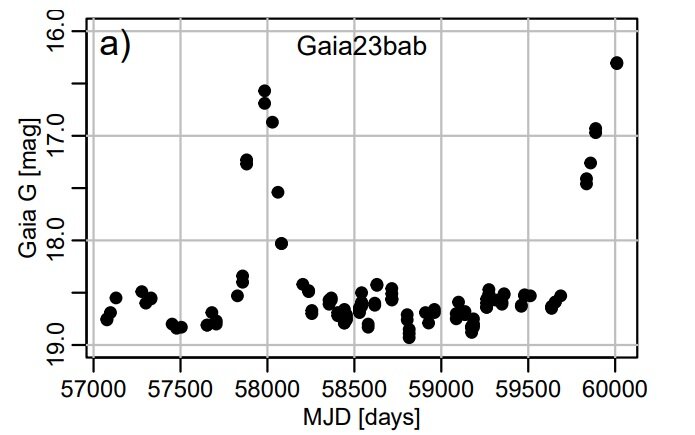
Astronomers have detected repeating outbursts from a young stellar object (YSO) known as SPICY 97589, shedding more light on the nature of this YSO. SPICY 97589 is a member of a small cluster of about 30 candidate YSOs, designated G38.3-0.9. The identified brightening events of SPICY 97589 are most likely accretion outbursts, typical of EX Lup-type objects. However, more spectroscopic observations of this star are required in order to confirm this hypothesis.