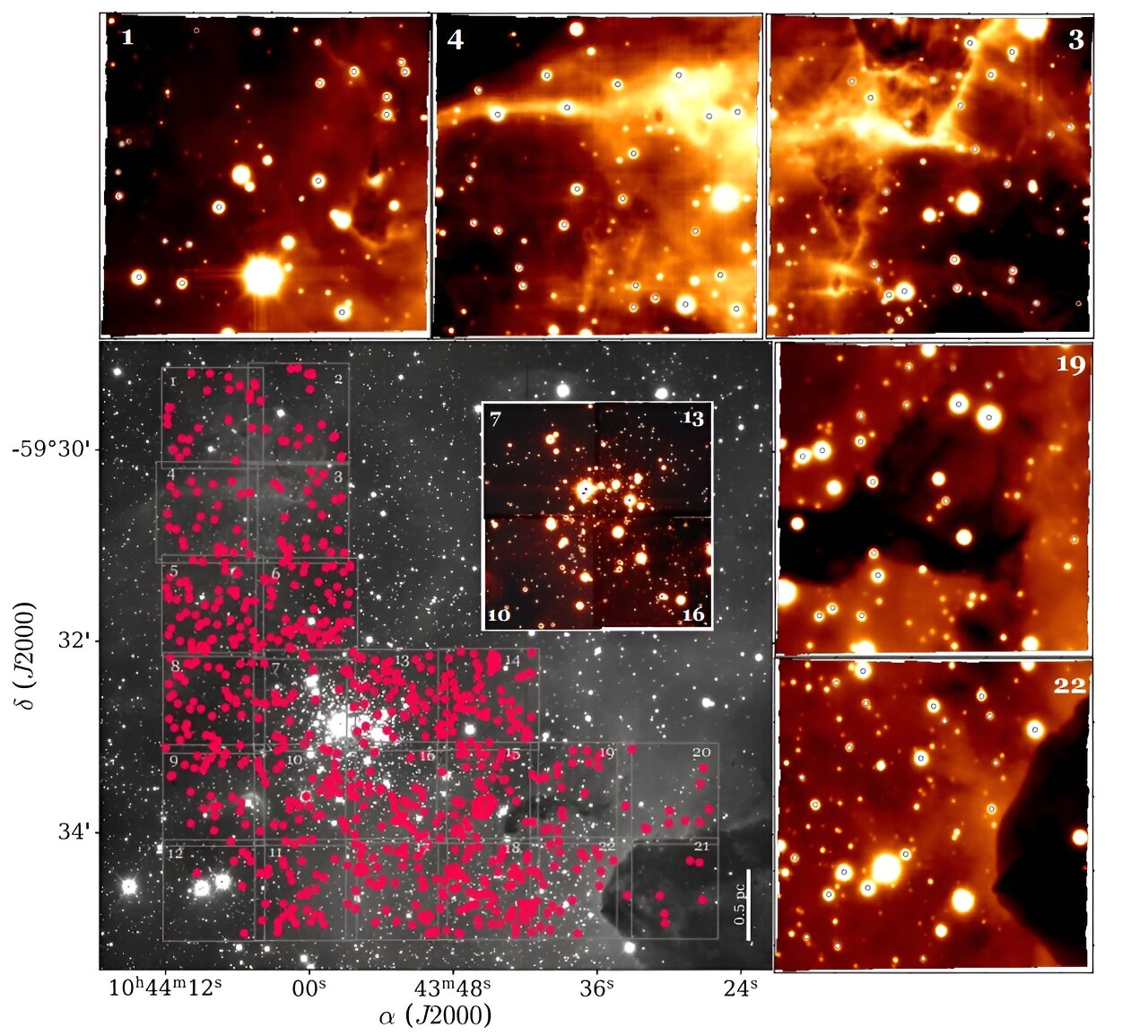
European astronomers have used the Very Large Telescope (VLT) to study the population of young low-mass stars in the open cluster Trumpler 14. Spectroscopic observations were conducted, revealing that about half of the stars in the sample have masses below 1 solar mass. The study provides valuable insights into the formation and evolution of low-mass stars in a cluster environment.
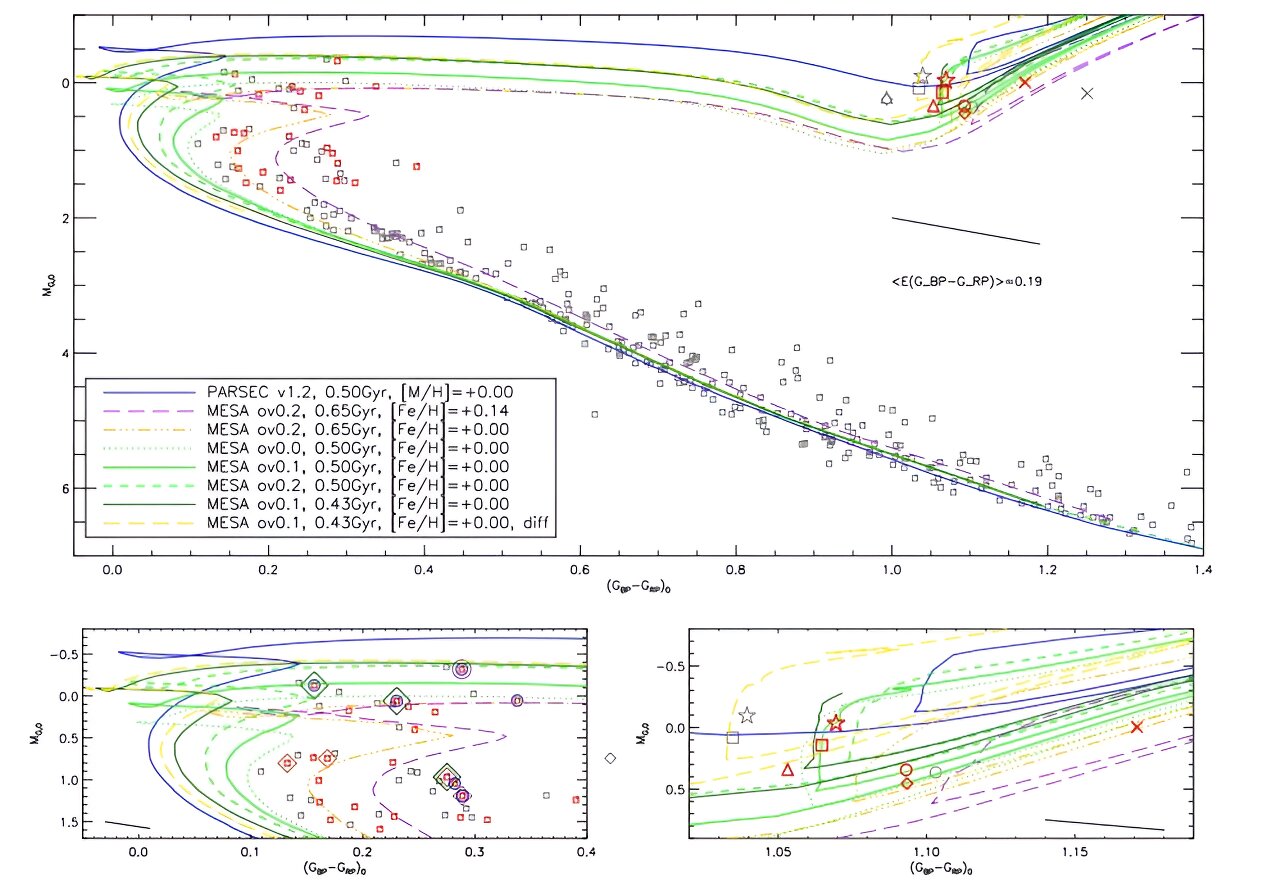
Astronomers have used data from NASA's Kepler and ESA's Gaia spacecraft to conduct an astroseismic investigation of six giant stars in the open cluster NGC 6866. The study provides insights into the properties of these giant stars and the cluster itself. The researchers identified and analyzed six giant stars in the cluster, finding that they have a mean radius of about 10.1 solar radii and a mean mass of around 2.8 solar masses. The stars were also found to be younger than previously thought, with an estimated age of between 443 and 580 million years. Further studies using asteroseismic missions have the potential to reveal more details about the properties of stars in NGC 6866 and other young open clusters.
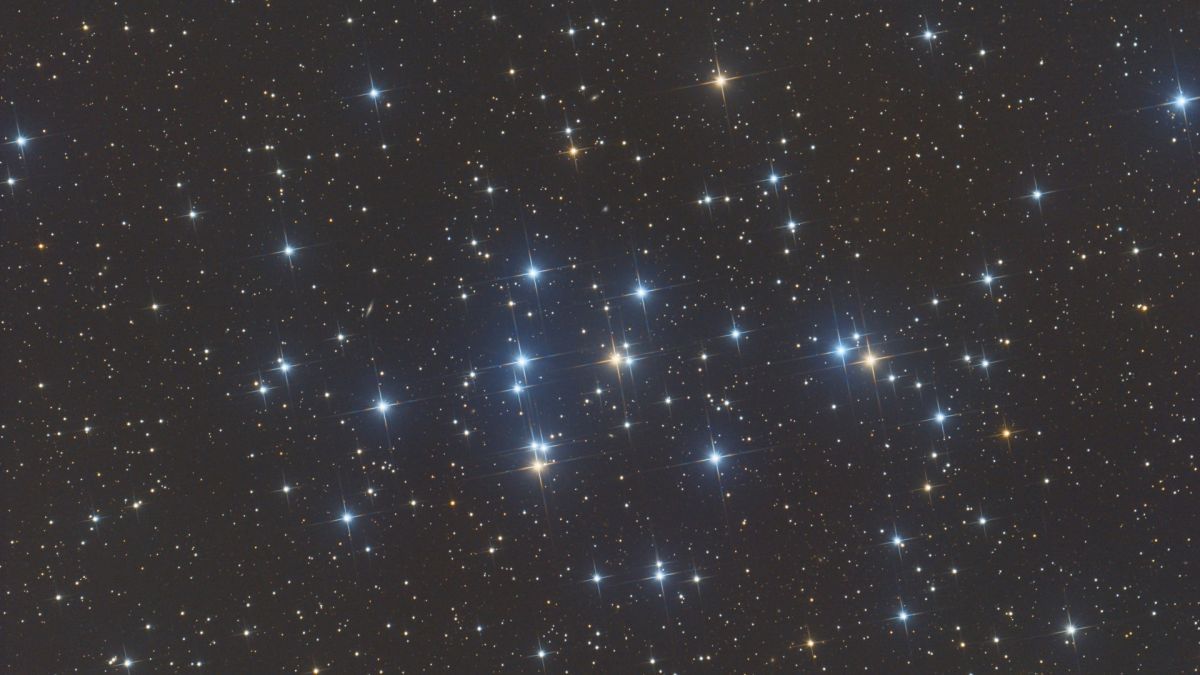
Mars will photobomb the Beehive Cluster, one of the most spectacular open clusters of stars in the night sky, over two nights this week. The Beehive Cluster's 1,000 stars formed just 600 million years ago and sits about 600 light-years from the solar system. Mars will be closest to the center of the cluster on Friday, June 2, and will be best seen in the western night sky a couple of hours after sunset. Astrophotographers will be able to catch the Red Planet among the 1,000 blue and yellow stars of M44.
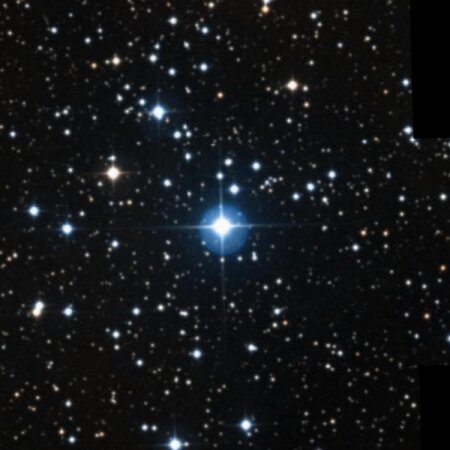
Indian astronomers have used data from ESA's Gaia satellite and the Two Micron All Sky Survey (2MASS) to investigate the properties of the poorly studied galactic open cluster NGC 5288. They identified 304 cluster members and estimated the cluster's fundamental properties, structure, and galactic orbit. The study found that NGC 5288 is approximately 510 million years old and located 9,000 light years away. The cluster is dynamically relaxed and moves in a circular orbit near the galactic disk.
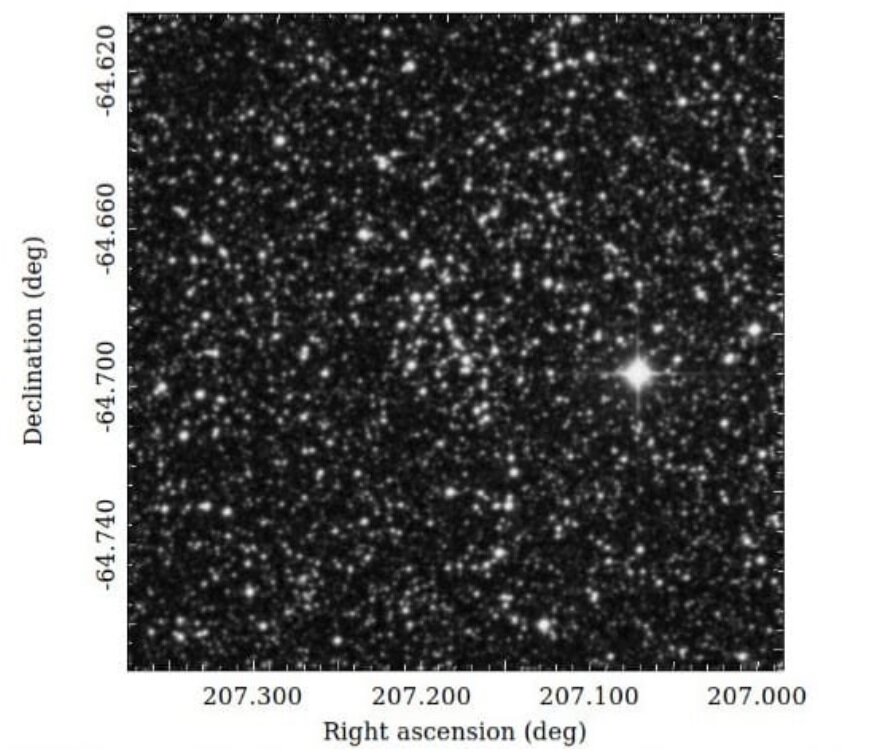
Indian astronomers have conducted deep optical photometric observations of the open cluster Bochum 2 using the 1.3m Devasthal Fast Optical Telescope (DFOT). The study found that Bochum 2 has a radius of 3.6 light years, a reddening of 0.8 mag, and is located approximately 12,400 light years away from Earth. The cluster's dynamical age was estimated to be 8-14 million years, while the age of the most massive stars in Bochum 2 was calculated to be about 5 million years. The study also found the presence of an excess number of low-mass stars in Bochum 2, indicating the effect of mass segregation.
Indian astronomers have conducted a photometric and kinematic study of the intermediate-age open cluster NGC 1027 using data from the Sampurnanand Telescope and Gaia satellite. The study found that the cluster is younger than previously thought, with an age of 130 million years, and has a radius of about 8.64 light years. The researchers also identified 217 member stars in the cluster region and found that relatively massive stars are dominantly distributed in the inner regions of NGC 1027, suggesting mass segregation.