
"TRAPPIST-1: Unveiling Alien Life Possibilities with Webb Space Telescope"
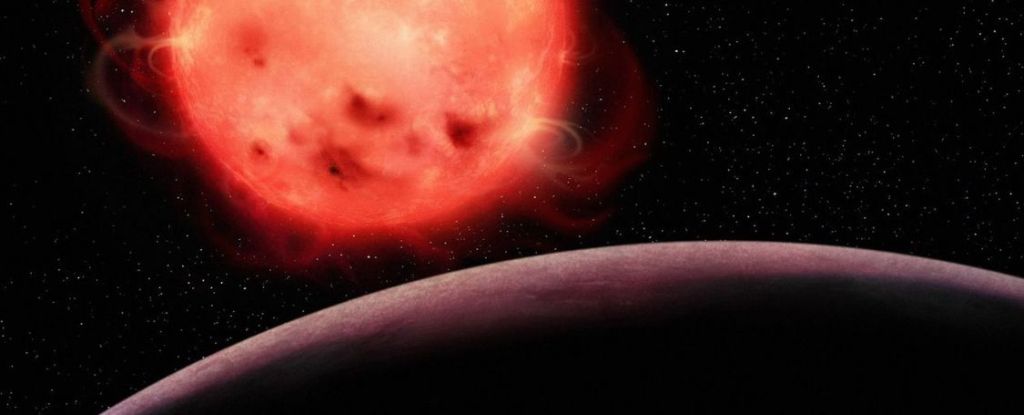
New observations from the James Webb Space Telescope suggest that the behavior of the host star of TRAPPIST-1b, an Earth-like exoplanet, may be interfering with accurate measurements of the exoplanet. Stellar contamination, caused by variations in the star's brightness due to starspots and faculae, can heavily impact spectroscopic observations of exoplanet atmospheres. This finding highlights the importance of taking stellar contamination into account when analyzing data and could affect future studies of the TRAPPIST-1 system, which has three exoplanets in the star's habitable zone. Further theoretical work and observations of the host star are needed to better understand and mitigate the effects of stellar contamination.
- Latest Look at TRAPPIST-1 Planet Raises Concerns of Star 'Contamination' ScienceAlert
- Unlocking Exoplanetary Secrets: Webb Space Telescope's Deep Dive Into TRAPPIST-1 SciTechDaily
- New JWST results show we're on a path to finding alien life Big Think
- What's Going On With TRAPPIST-1b? It's Complicated Inverse
- Webb Captures Transmission Spectra of TRAPPIST-1b Sci.News
Reading Insights
0
7
3 min
vs 4 min read
84%
669 → 105 words
Want the full story? Read the original article
Read on ScienceAlert