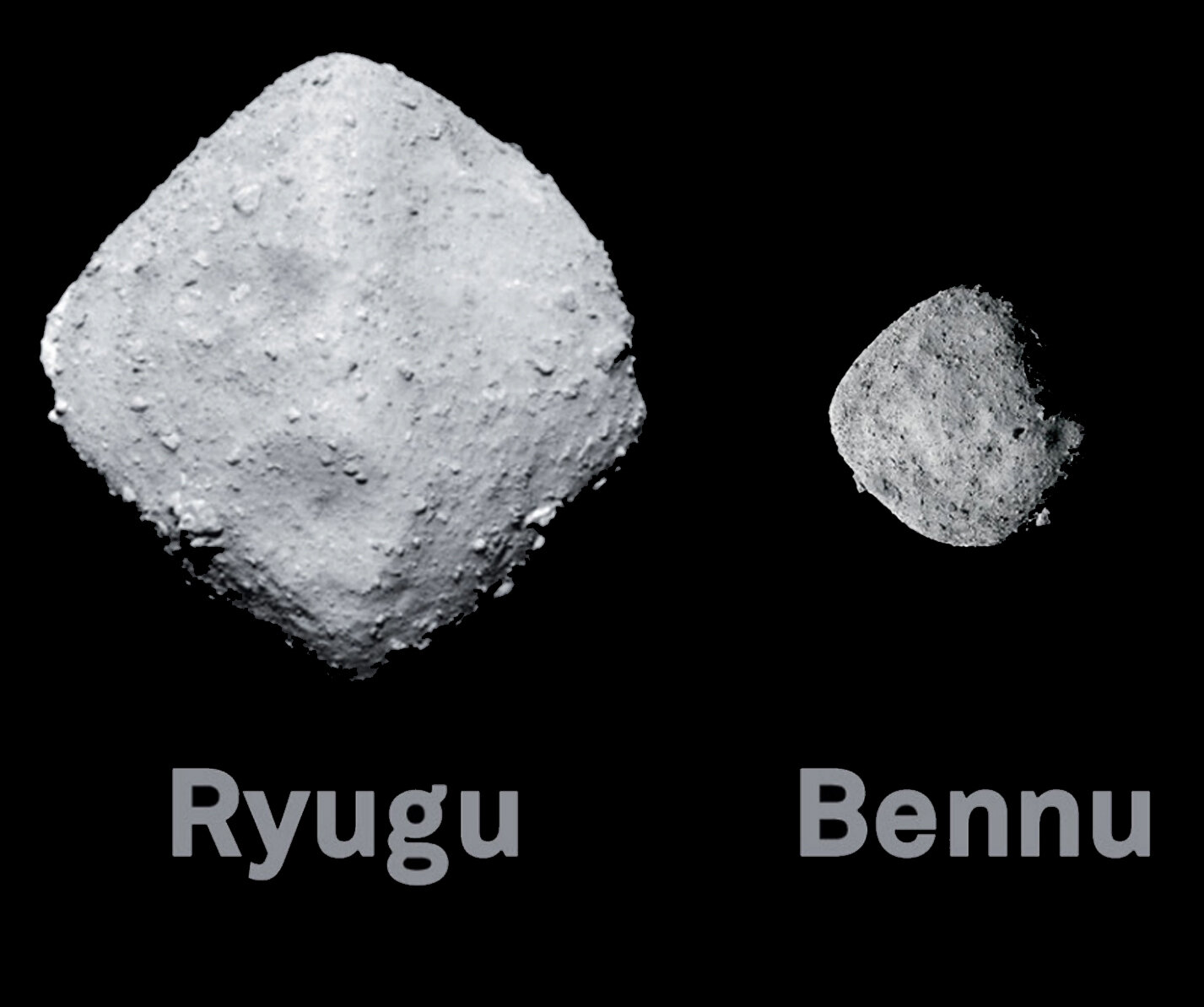
Spectral data analysis suggests that near-Earth asteroids Bennu and Ryugu originated from the Polana collisional family in the main asteroid belt, supporting the theory of a common parent body, based on observations from the James Webb Space Telescope and sample data from space missions.
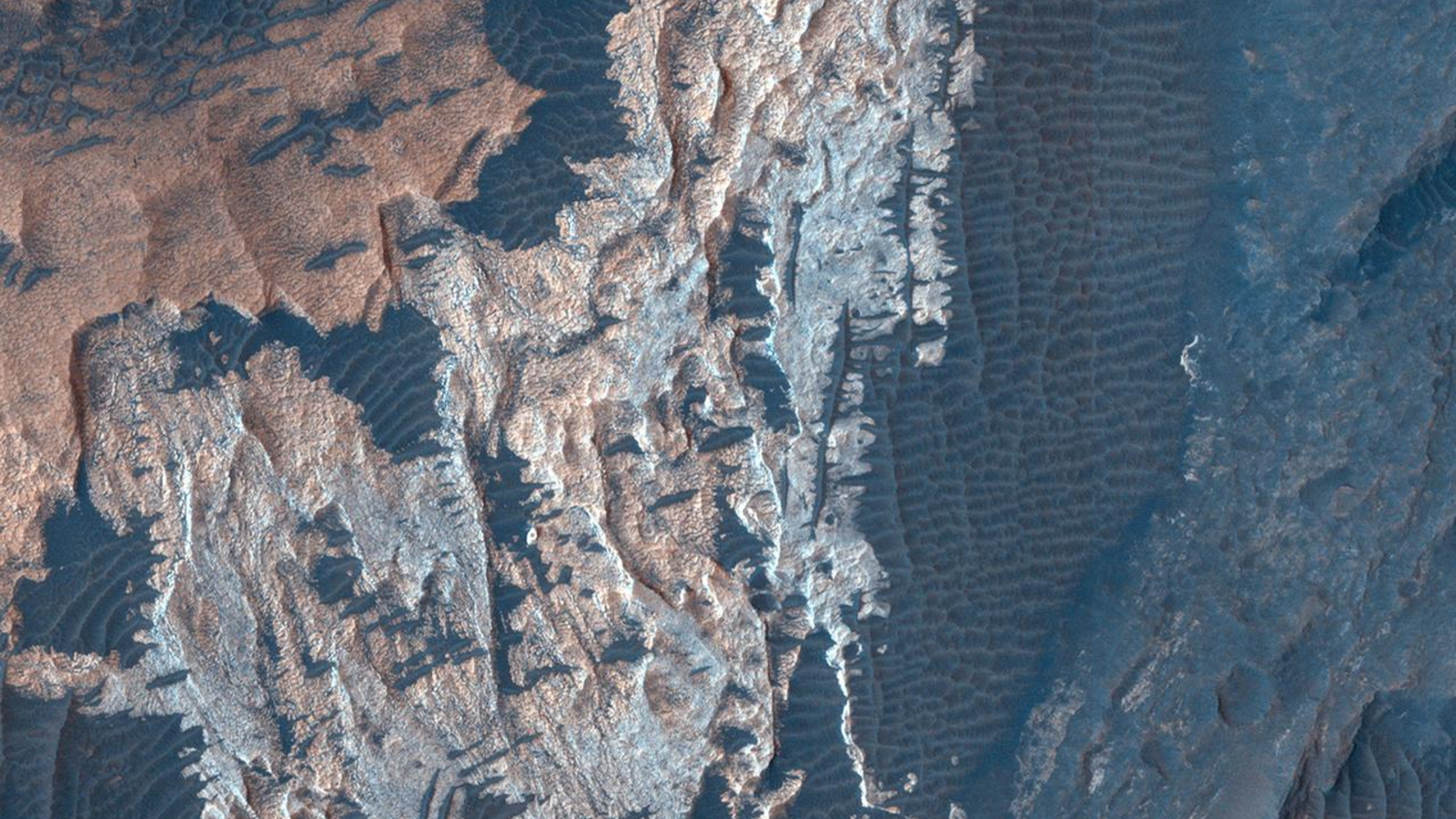
Scientists studying Mars have identified unusual layers of iron sulfates that may represent a new mineral formed under specific conditions, providing insights into the planet's geological activity and potential habitability.
Recent observations of 3I/ATLAS show no visible tail or gas signatures, suggesting it may not be a typical comet. Its characteristics, such as reddening colors and trajectory, continue to fuel debate about its nature, with some considering the possibility of it being alien technology. Ongoing monitoring and future missions, like probing with the Juno spacecraft, are crucial to understanding this interstellar visitor.
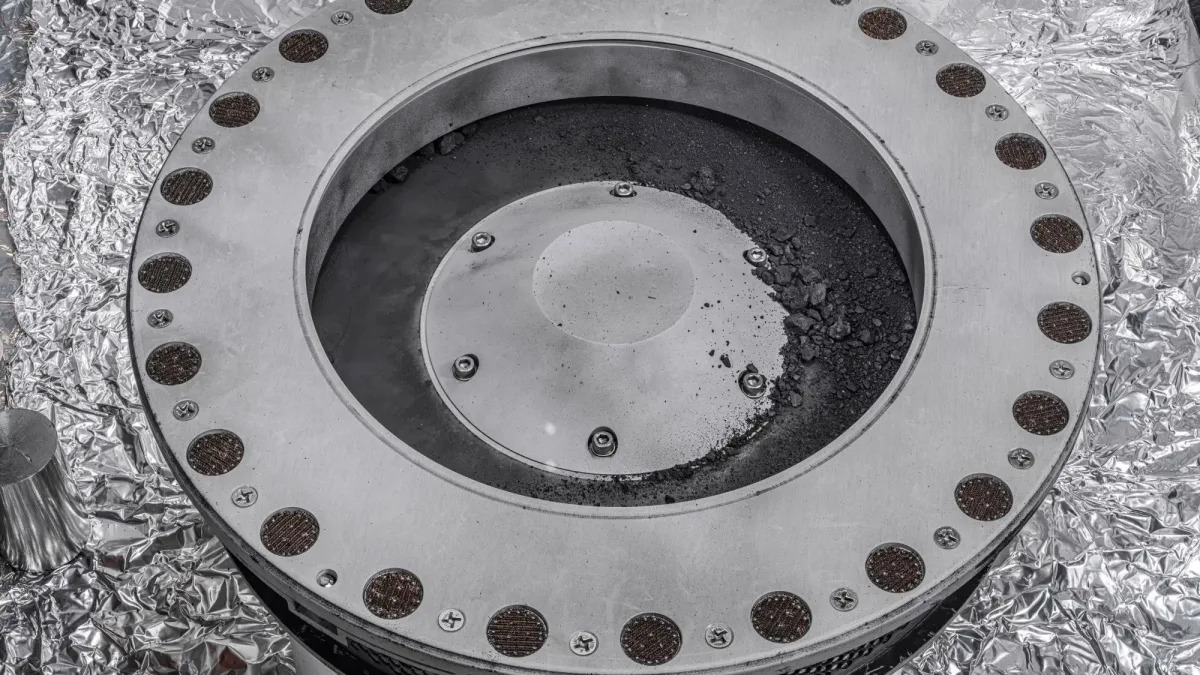
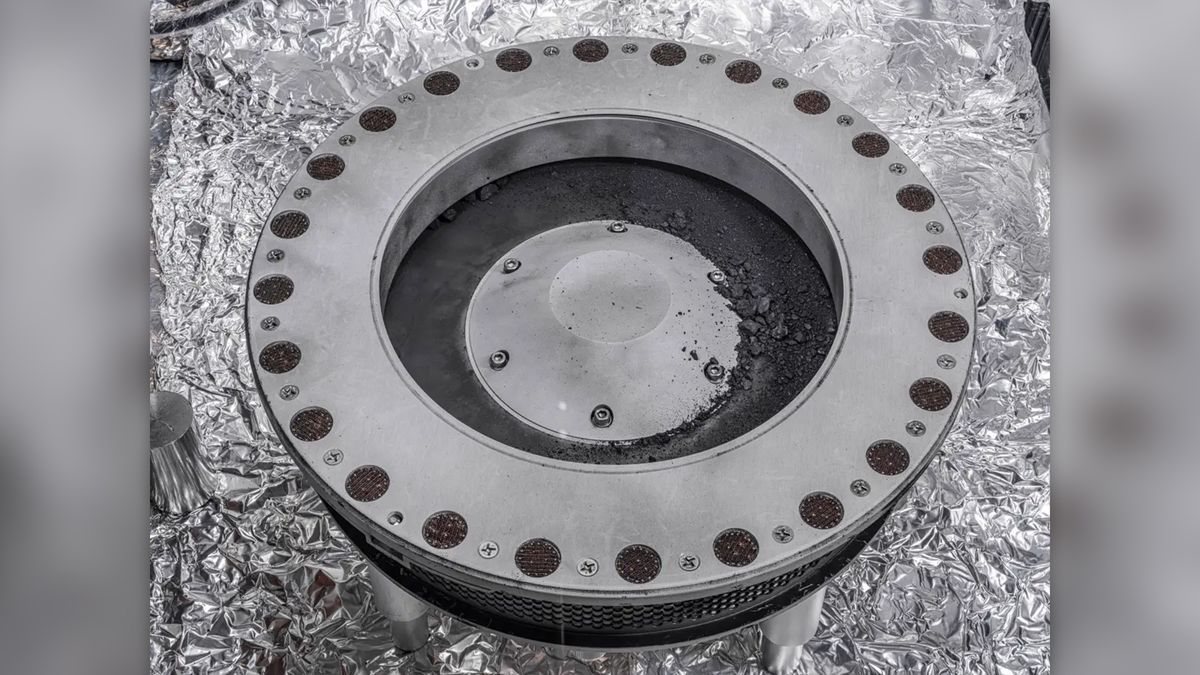
Scientists studying the samples collected from the asteroid Bennu by NASA's OSIRIS-REx spacecraft have found hydrated, organic-rich remnants from the early solar system. The samples, which are rich in carbon and organic molecules, have a dark color and a rough texture. Initial spectroscopy analysis shows a dominant spectral signature in blue, indicating the presence of more water than expected. The material also contains high amounts of magnesium, sodium, and phosphorus, leaving scientists puzzled about its composition. Further analysis and study are underway to understand the nature of this unusual material.
Scientists studying the extraterrestrial material collected from the asteroid Bennu by NASA's OSIRIS-REx spacecraft have found hydrated, organic-rich remnants from the early solar system. The material is dark in color, consists of rough "cauliflower-like" boulders, and is rich in carbon and organic molecules. Initial spectral analysis shows a dominant blue signature, suggesting the presence of more water than expected. The material also contains high amounts of magnesium, sodium, and phosphorus, which puzzles the scientists.
The James Webb Space Telescope (JWST) has provided new insights into the characteristics of galaxies formed 2 to 3 billion years after the Big Bang. The CECILIA survey, utilizing the JWST, examined 33 ancient galaxies and discovered unusually high temperatures and the presence of elements like nickel. These findings contribute to our understanding of the evolution and chemical makeup of early galaxies, shedding light on galactic development over cosmic history.
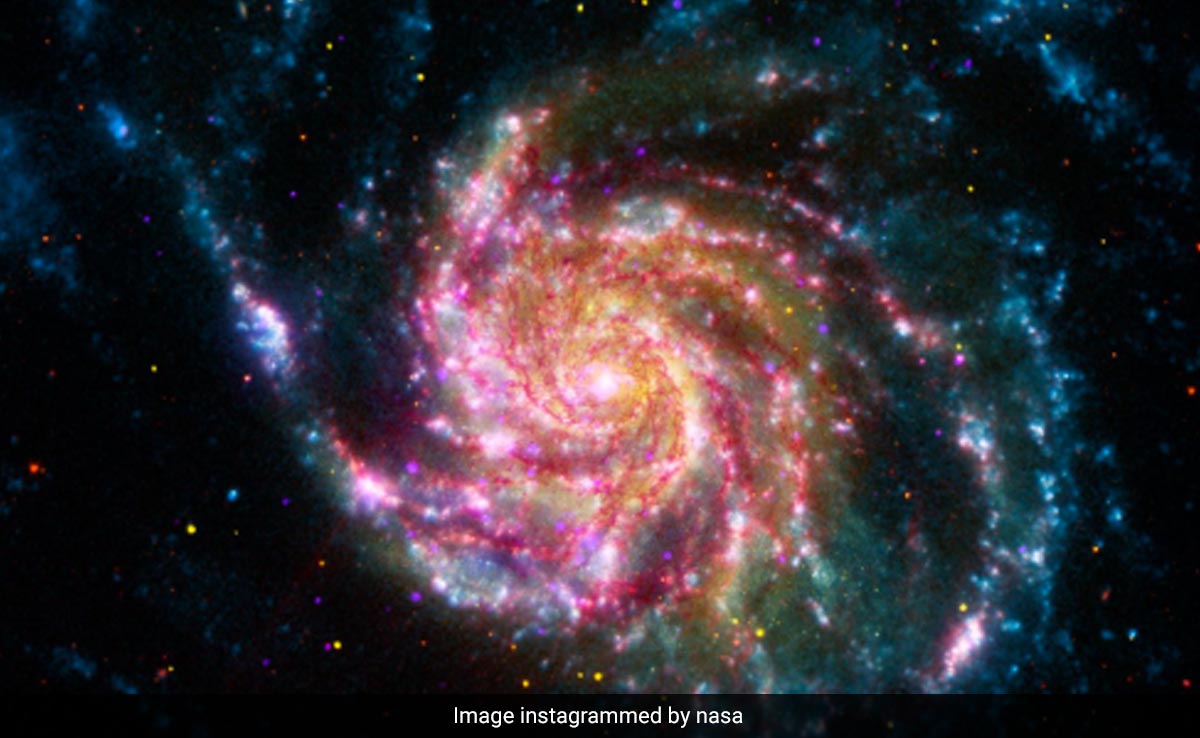
NASA shared a stunning image of the 'Pinwheel Galaxy', which is 70% larger than the Milky Way, located 21 million light-years away in the constellation of Ursa Major. The image was created by combining data from four space telescopes, showcasing visible, infrared, X-ray, and ultraviolet light to analyze different features of the galaxy. Space enthusiasts were captivated by the vibrant colors and beauty of the galaxy.
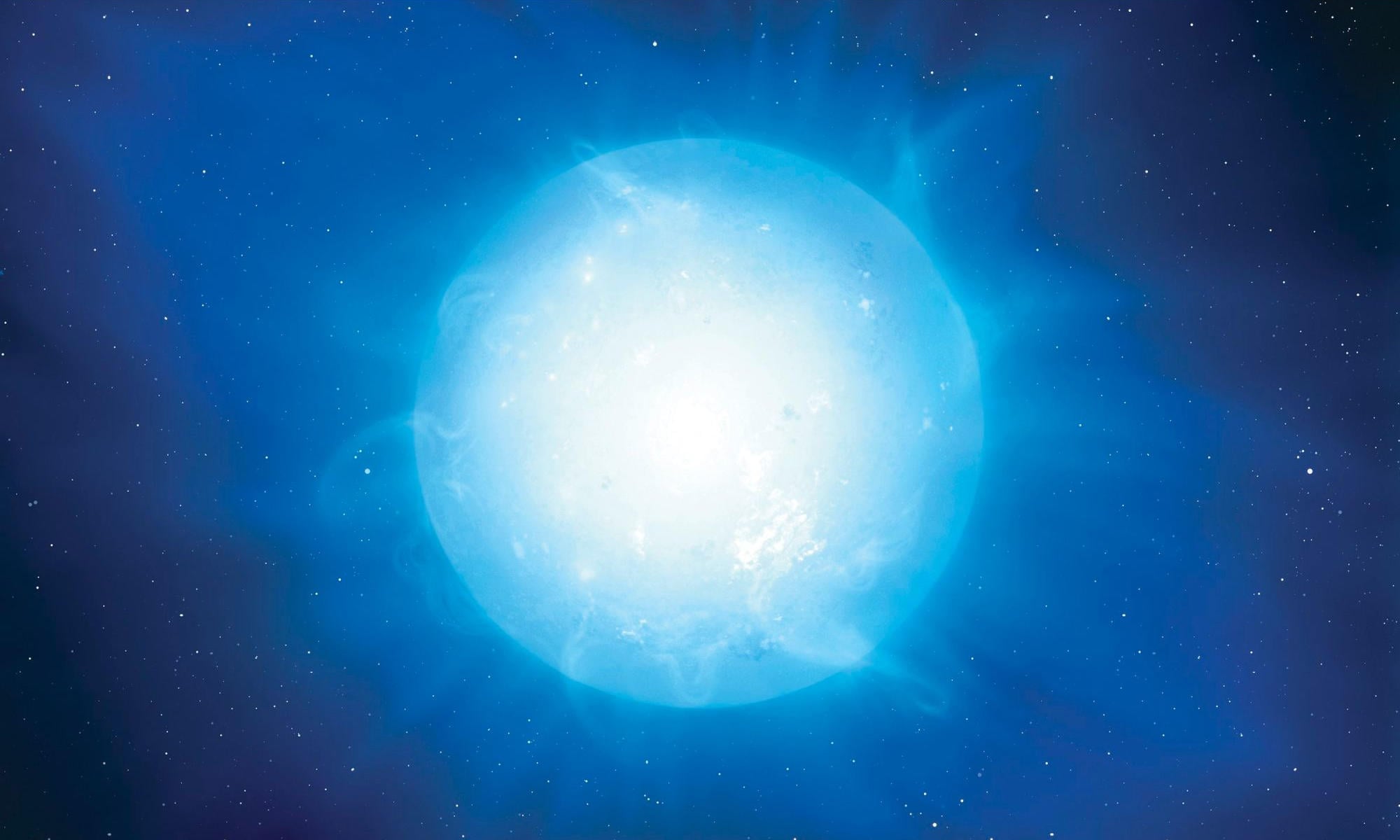
Astrophysicists have conducted a comprehensive study on 750 blue supergiant stars within 6,500 light-years of Earth, providing valuable insights into their evolutionary phase known as "stellar adolescence." The study's findings pave the way for understanding the nature, evolution, and critical role of these stars in the universe, with future works aiming to elucidate their physical and chemical properties. The researchers used a new method of flagging based on an identifiable tracer in the spectra of these stars, allowing for rapid and effective identification. The next step is to obtain accurate data about the physical parameters and chemical abundances of the sample, which will provide a better understanding of this "adolescent phase" of massive stars.
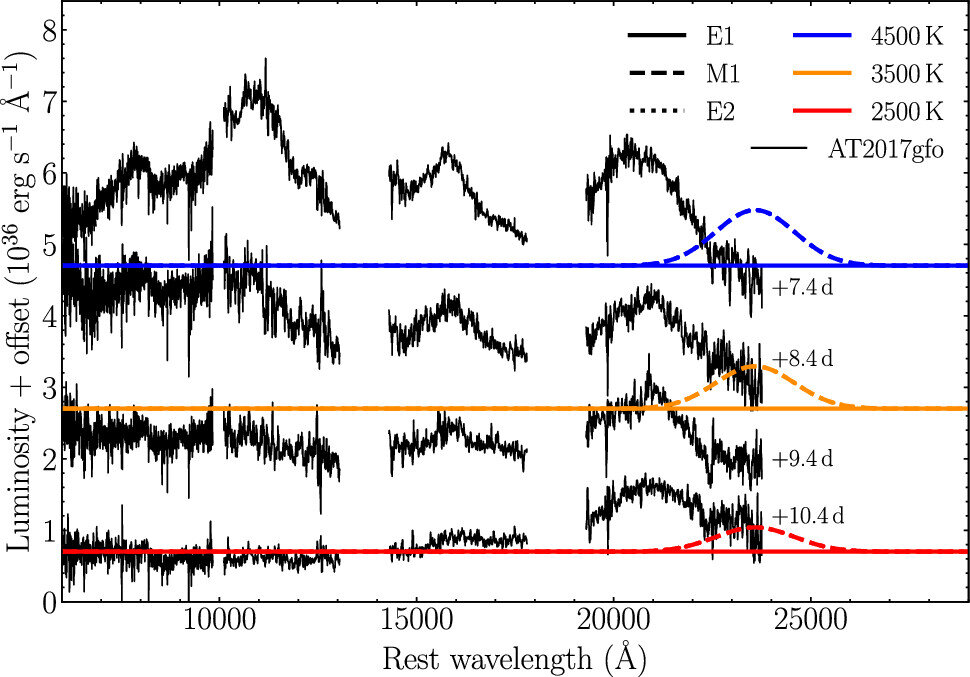
Researchers are studying the spectra from the kilonova AT2017gfo to investigate the presence of forged tin and understand the process of heavy element production in violent cosmic collisions, such as neutron star mergers. By calculating energy levels and multipole transitions in singly ionized tin, the team generated atomic data that can be used for future astrophysical analysis. Although the observed spectra did not match any prominent features, the research provides valuable insights for identifying elements in kilonova events and advancing our understanding of these explosive cosmic phenomena.
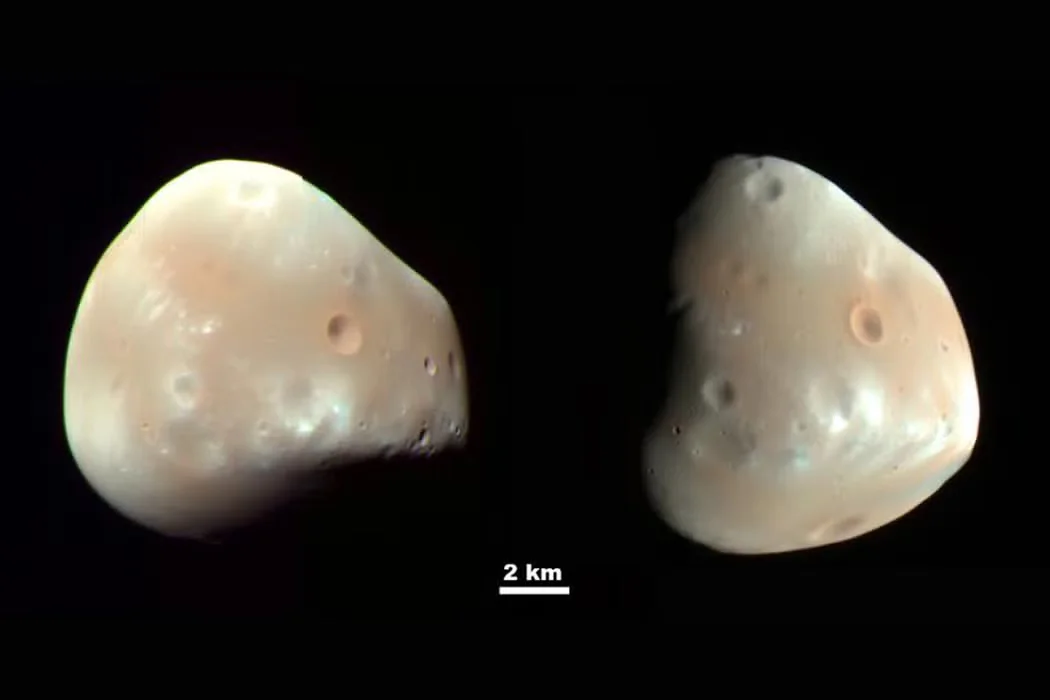
The United Arab Emirates’s space probe Hope recently flew past Mars' moonlet Deimos and gave us our first look at the moonlet’s far side. The initial spectral analysis suggests Deimos is made out of Martian rock. This contradicts the long-held hypothesis that Deimos was an asteroid captured by Mars' gravity. The discovery has led scientists to rearrange their ideas about the origin of Mars' moons.
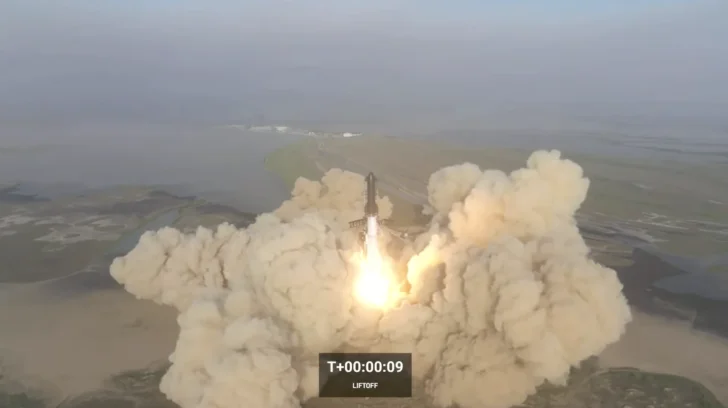
Spectral analysis of the dust samples from Port Isabel, which were showered with dust from SpaceX's Starship launch, shows that it might have been sand from the beach instead of chunks of concrete and Fondag from the launch pad. Dr. Phil Metzger, a planetary scientist at the University of Central Florida, ran the analysis and believes that the dust particles were not dangerous for human health. NASA is also interested in analyzing the dust from the Starship launch since it will help the agency develop launch sites on the Moon.