Tag

Species Discovery

All articles tagged with #species discovery

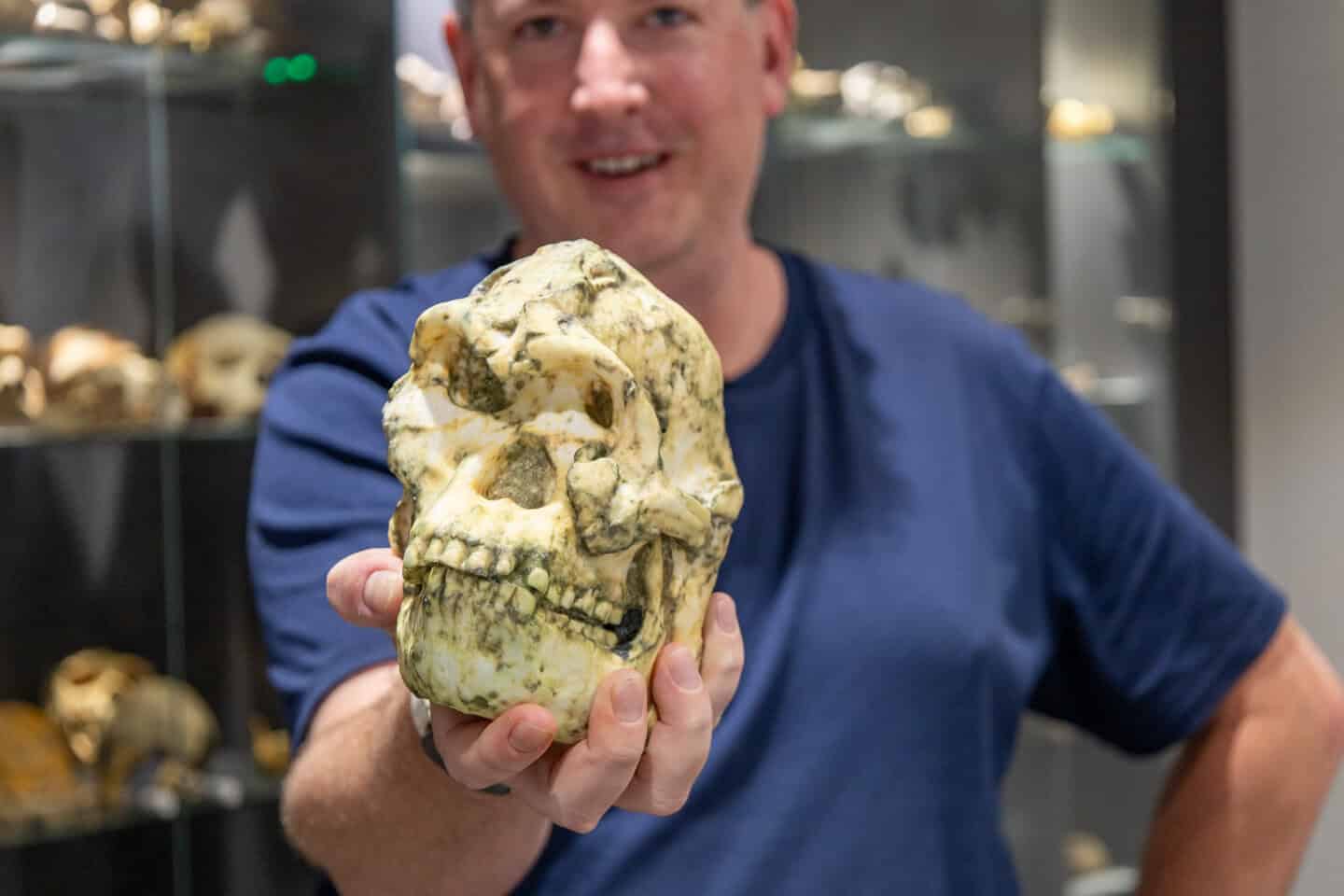
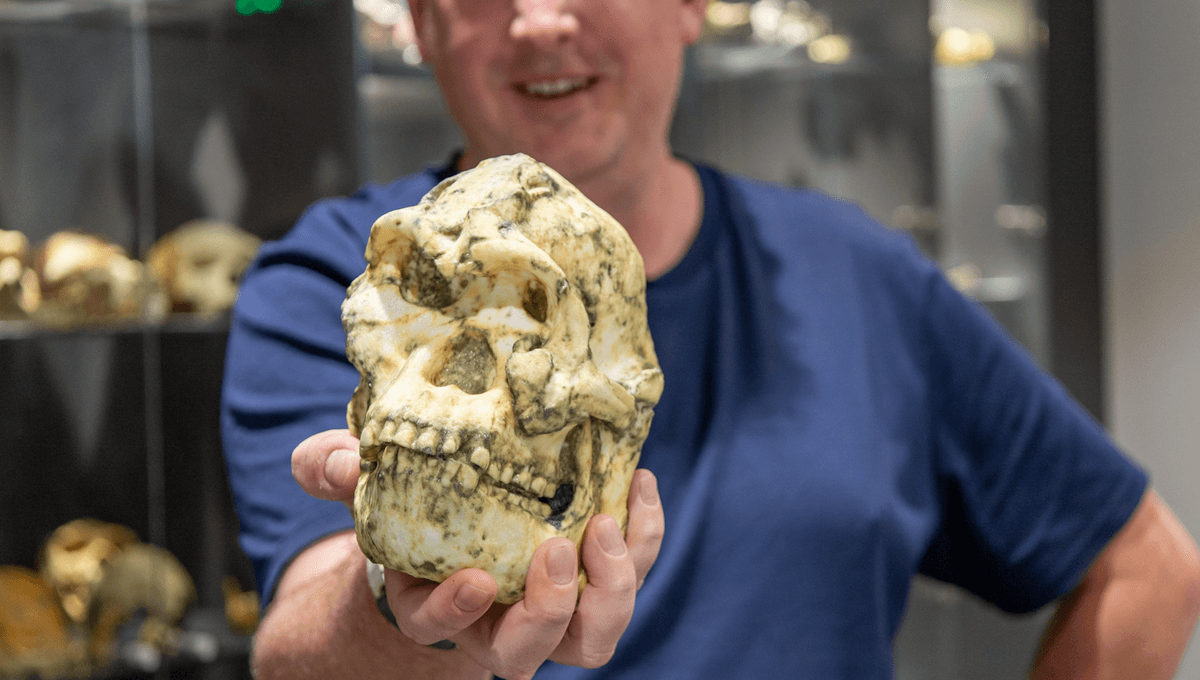
'Little Foot' Fossil Could Represent a New Human Ancestor Species

Originally Published 27 days ago — by IFLScience

Featured image for 'Little Foot' Fossil Could Represent a New Human Ancestor Species
Source: IFLScience

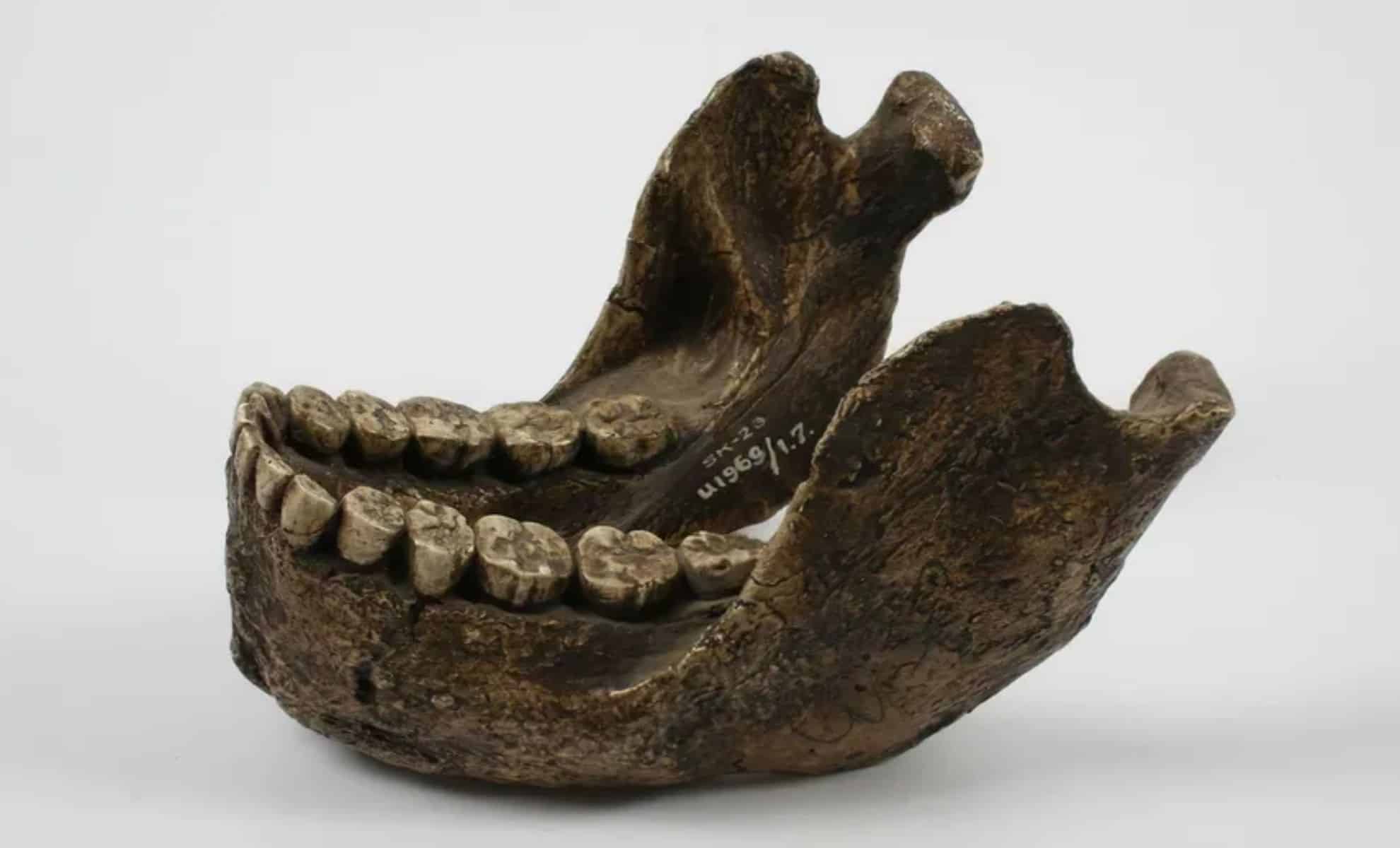
A nearly complete early hominin fossil named Little Foot may belong to a previously unknown species, challenging existing classifications and highlighting the complexity of human evolution in South Africa. The fossil's features suggest it is distinct from known species like Australopithecus africanus and A. prometheus, and its exact place in the evolutionary tree remains uncertain. Further analysis is needed to determine its identity and significance.

Eight-Year Search Yields Three New Gecko Species

Originally Published 4 months ago — by Earth.com

Featured image for Eight-Year Search Yields Three New Gecko Species
Source: Earth.com

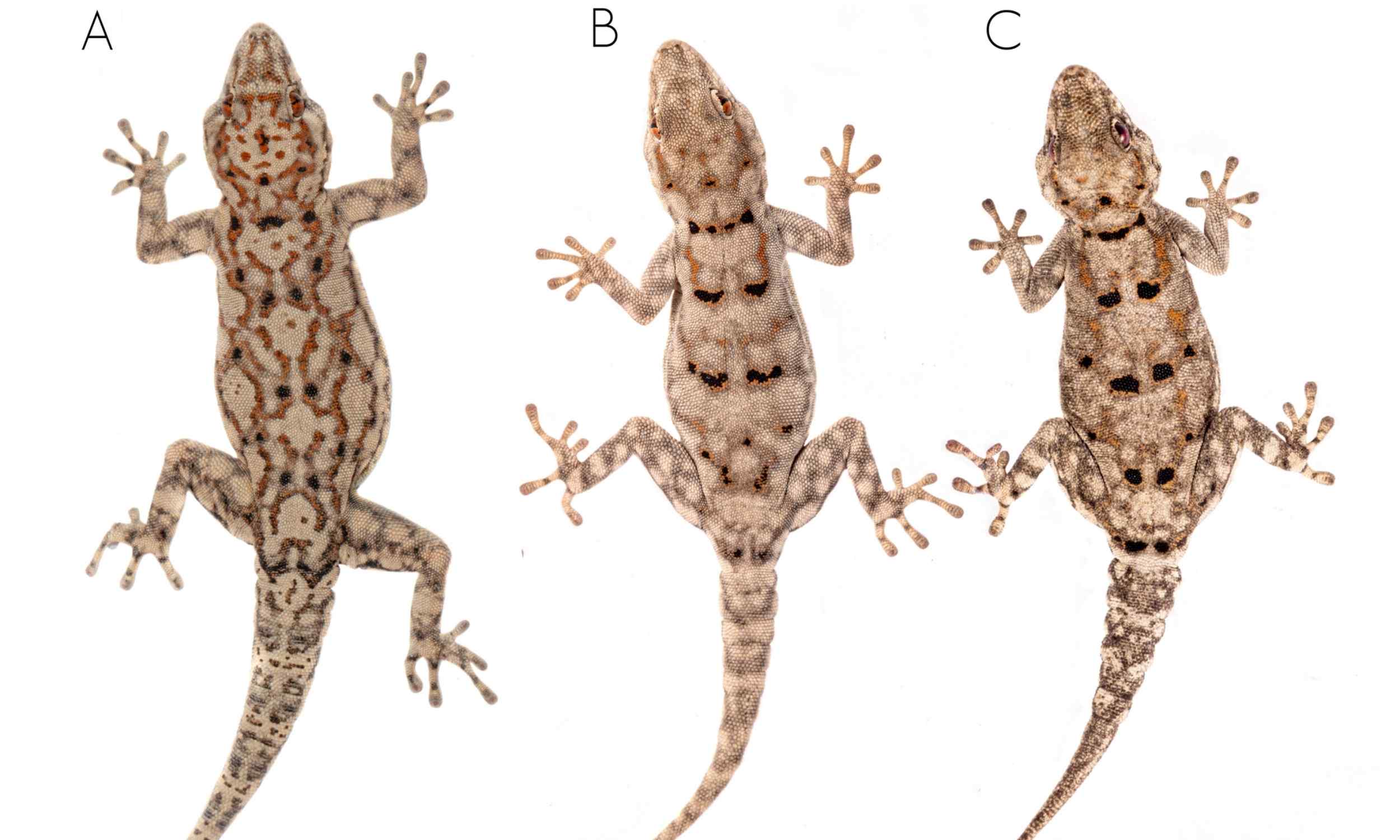
After eight years of research, three new gecko species have been discovered in Namibia's neighboring Angola, highlighting the region's rich and previously underexplored reptile diversity. The discoveries were supported by detailed morphological and genetic analyses, emphasizing the importance of museum specimens for future research and conservation efforts. These findings underscore Angola's emerging status as a hotspot for endemic rock-dwelling reptiles and the significance of integrated fieldwork and genetic tools in uncovering biodiversity.

New Wasp Species Discovered in the US

Originally Published 4 months ago — by Phys.org

Featured image for New Wasp Species Discovered in the US
Source: Phys.org

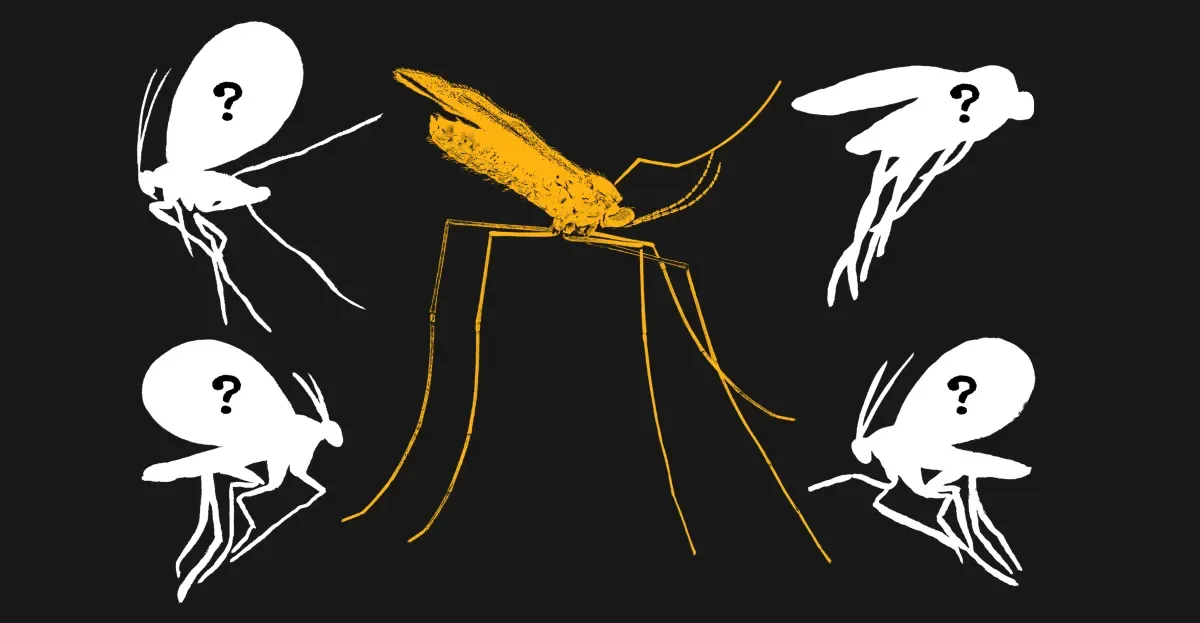
Researchers have discovered two previously unknown European species of parasitic wasps in North America, highlighting the continent's biodiversity and the potential impact of introduced species on native ecosystems. The study involved genetic analysis and extensive fieldwork, emphasizing the importance of citizen science in biodiversity research.

New Tarantula Species Evolved Record-Long Genitalia to Survive Mating

Originally Published 5 months ago — by Gizmodo

Featured image for New Tarantula Species Evolved Record-Long Genitalia to Survive Mating
Source: Gizmodo

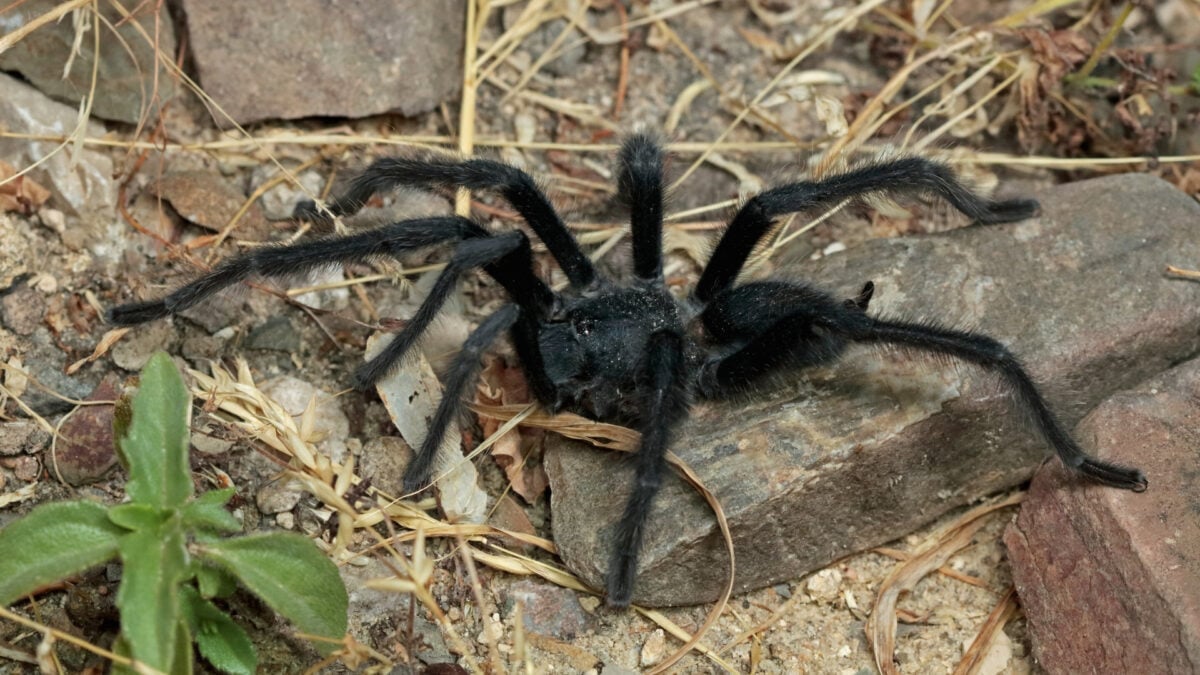
Researchers discovered four new tarantula species with exceptionally long genitals, leading to the creation of a new genus, Satyrex, to explain their unique morphology. The males' long palps may help them avoid being eaten by females during mating, highlighting an evolutionary adaptation for reproductive success.

Scientists Discover Four Distinct Species Among Iconic Marine Creatures

Originally Published 6 months ago — by SciTechDaily

Featured image for Scientists Discover Four Distinct Species Among Iconic Marine Creatures
Source: SciTechDaily

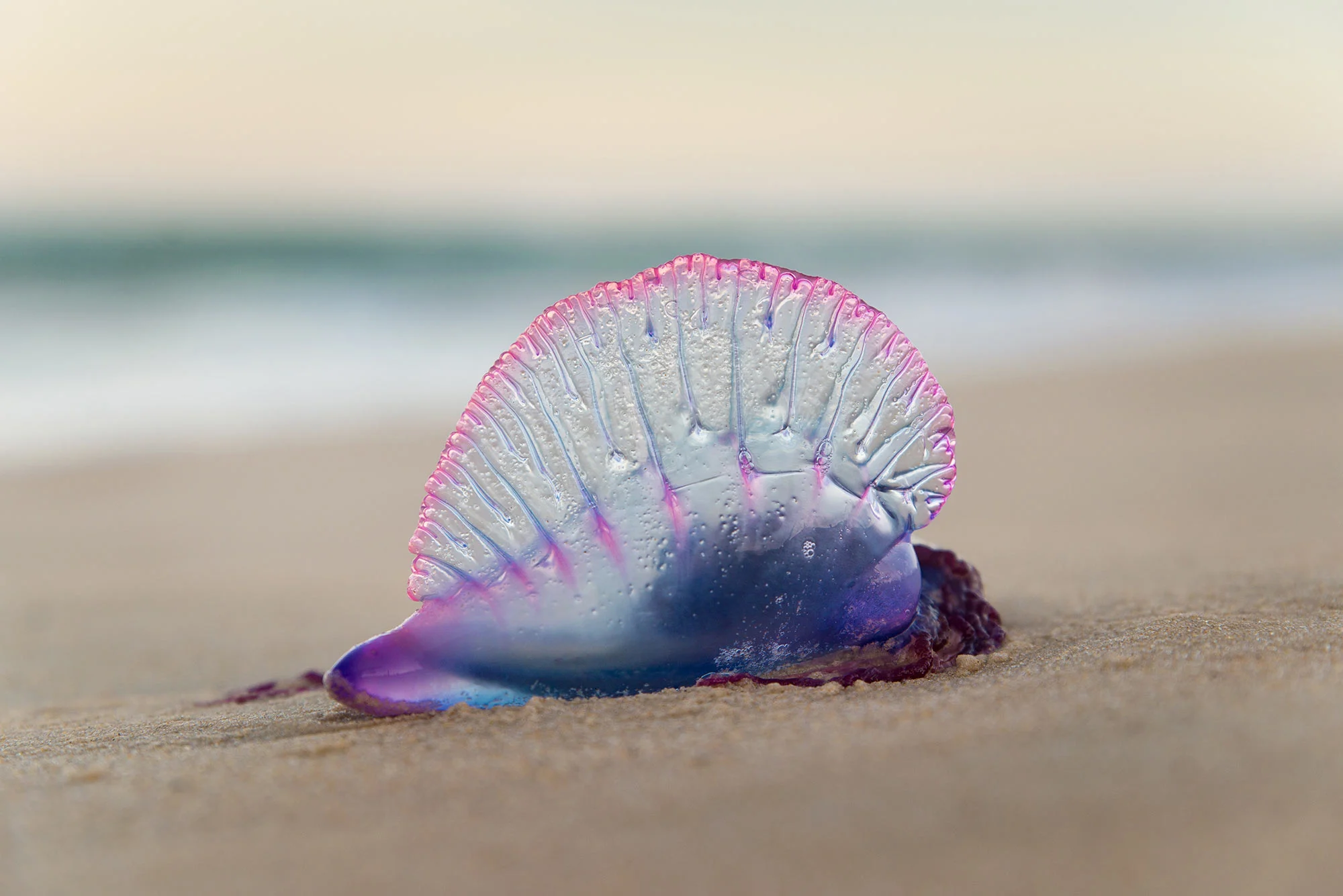
Recent genomic research has revealed that what was once thought to be a single species of bluebottle jellyfish, the Portuguese man o’ war, is actually at least four distinct species with unique physical and genetic characteristics, challenging previous assumptions about open-ocean connectivity and biodiversity.

New Dragonfish Species Survived 780,000 Years in Antarctica

Originally Published 6 months ago — by Indian Defence Review

Featured image for New Dragonfish Species Survived 780,000 Years in Antarctica
Source: Indian Defence Review

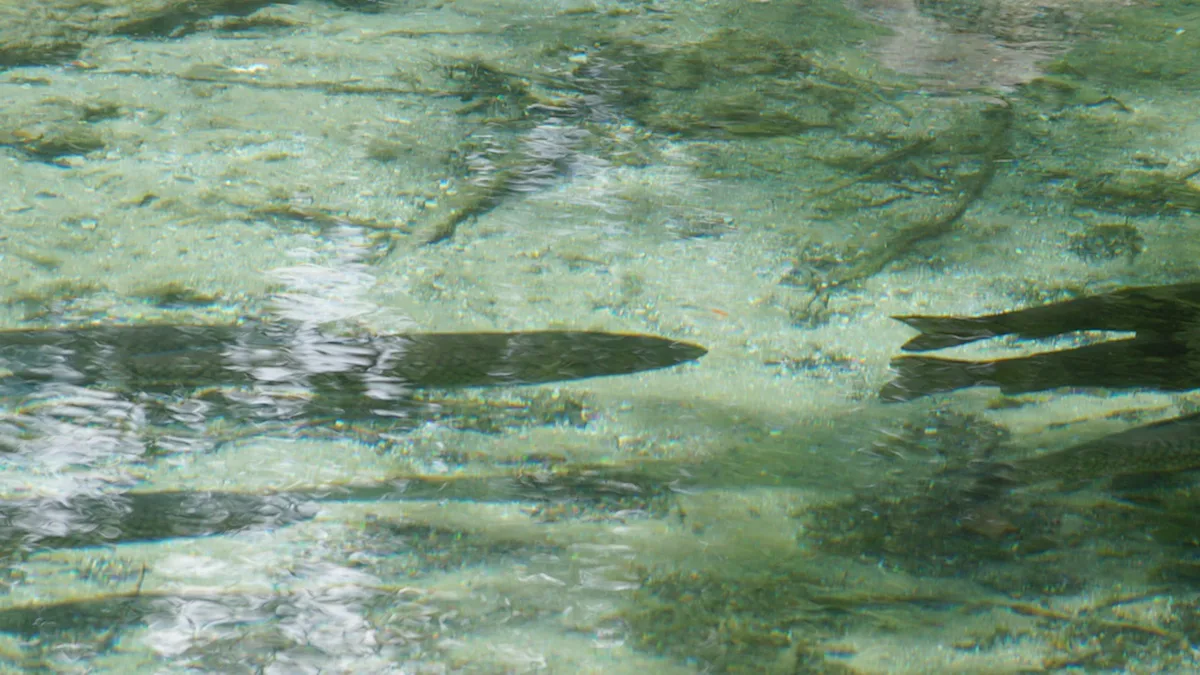
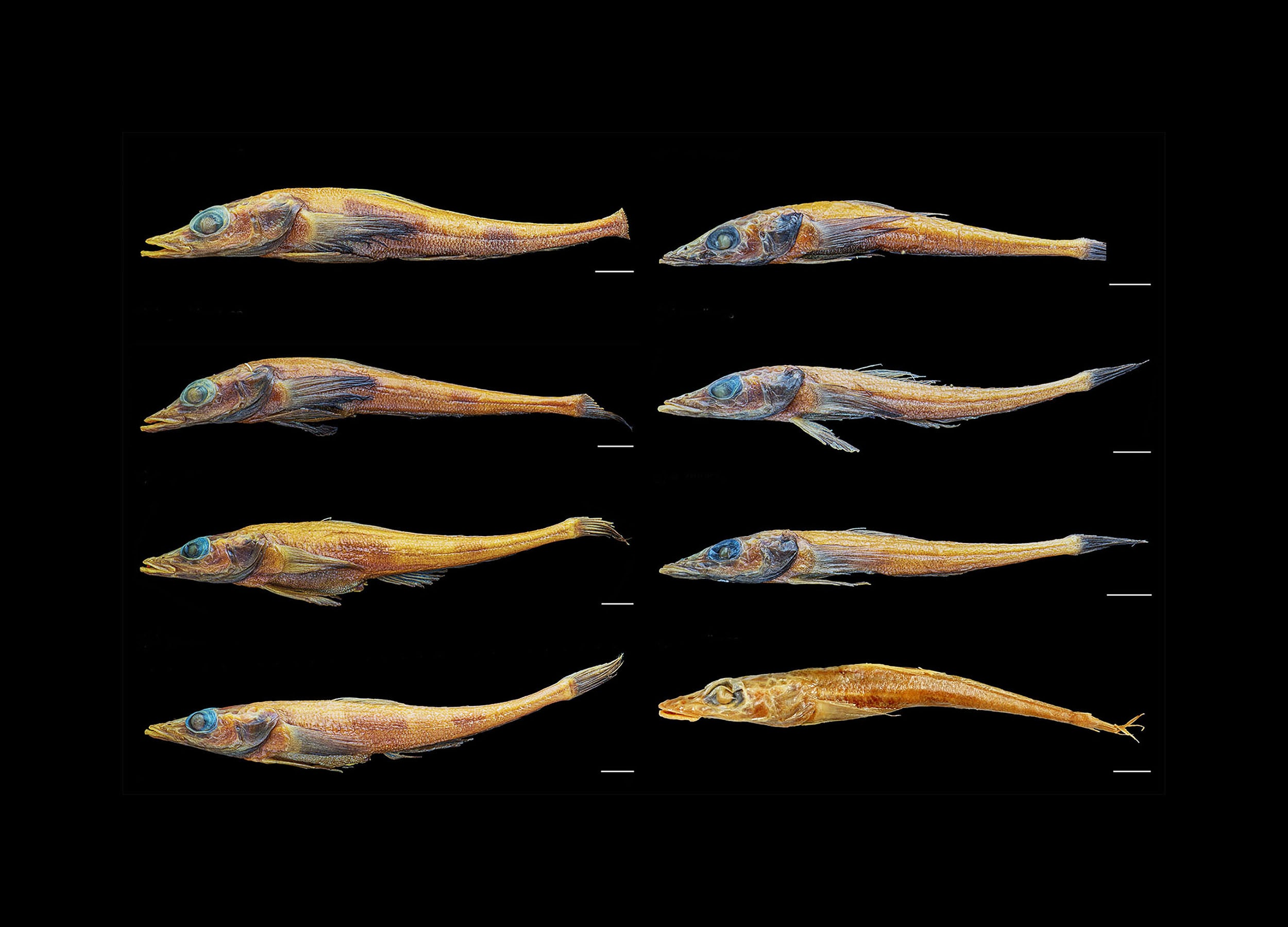
Scientists discovered a new species of dragonfish, Akarotaxis gouldae, in Antarctic waters that has survived for 780,000 years in extreme conditions, but it now faces threats from climate change and fishing activities, highlighting the fragility of Antarctic ecosystems.

New Dragonfish Species Discovered in Antarctica After 780,000 Years of Isolation

Originally Published 6 months ago — by Earth.com

Featured image for New Dragonfish Species Discovered in Antarctica After 780,000 Years of Isolation
Source: Earth.com

A new species of dragonfish, Akarotaxis gouldae, has been discovered off Antarctica, having survived in isolation for approximately 780,000 years, and its discovery highlights the importance of museum collections and the potential impacts of climate change and fishing on vulnerable deep-sea species.

Scientists Confirm Existence of 200-Million-Year-Old Species Thought Extinct

Originally Published 7 months ago — by ABC News

Featured image for Scientists Confirm Existence of 200-Million-Year-Old Species Thought Extinct
Source: ABC News

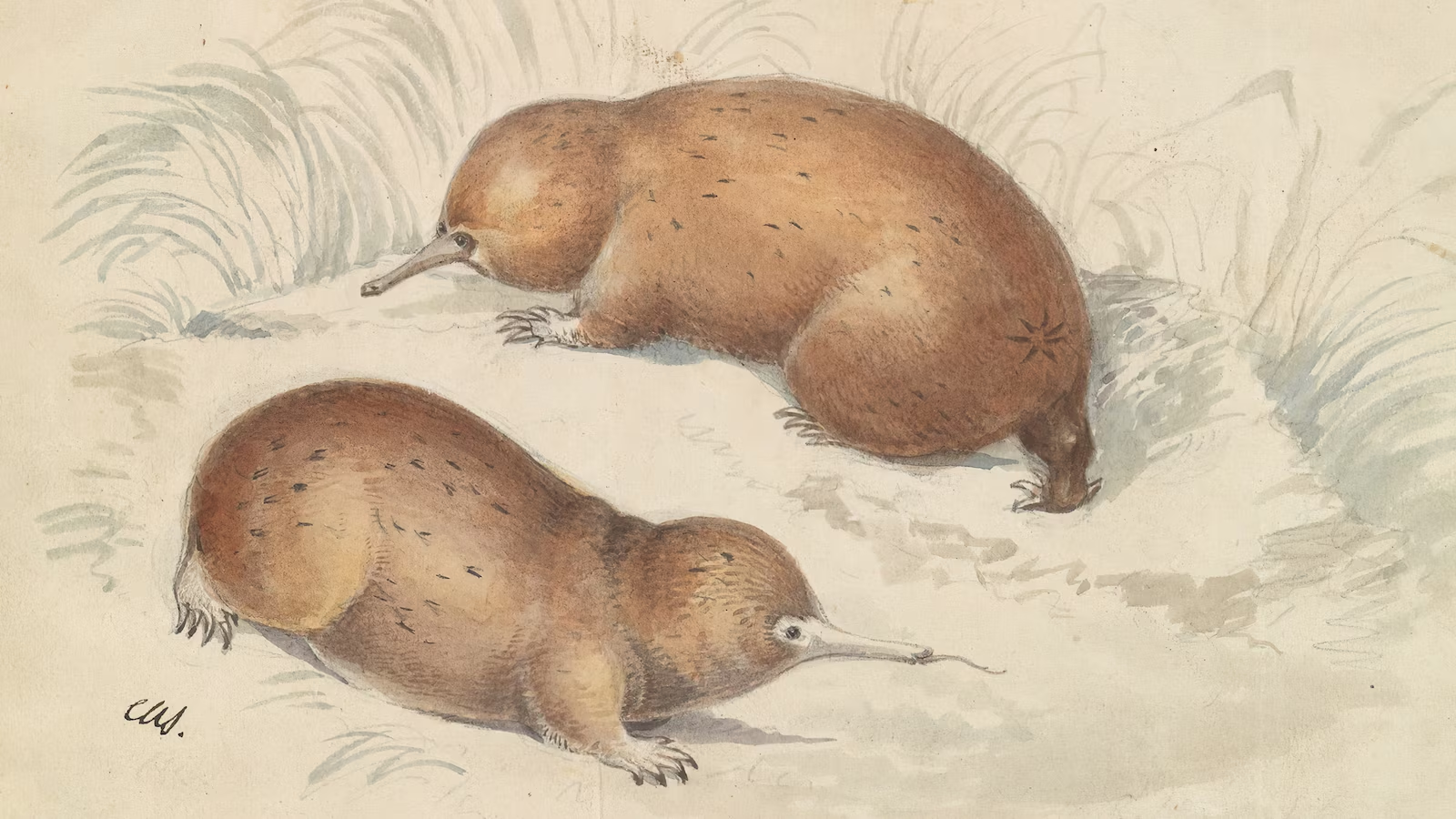
Scientists confirmed the existence of the long-beaked echidna, a 200-million-year-old egg-laying mammal thought to be extinct, through a combination of modern technology, indigenous knowledge, and camera trapping in Indonesia's Cyclops Mountains, reviving hope for other lost species.

Ancient 2.2-Million-Year-Old Teeth Uncover New Human Ancestor

Originally Published 7 months ago — by Indian Defence Review

Featured image for Ancient 2.2-Million-Year-Old Teeth Uncover New Human Ancestor
Source: Indian Defence Review

Researchers analyzed 2.2 million-year-old teeth from South Africa using paleoproteomics, revealing potential new insights into early human relatives, including possible new species and more accurate sex determination, challenging previous assumptions based on morphology.