Tag

Archaeological Sites

All articles tagged with #archaeological sites

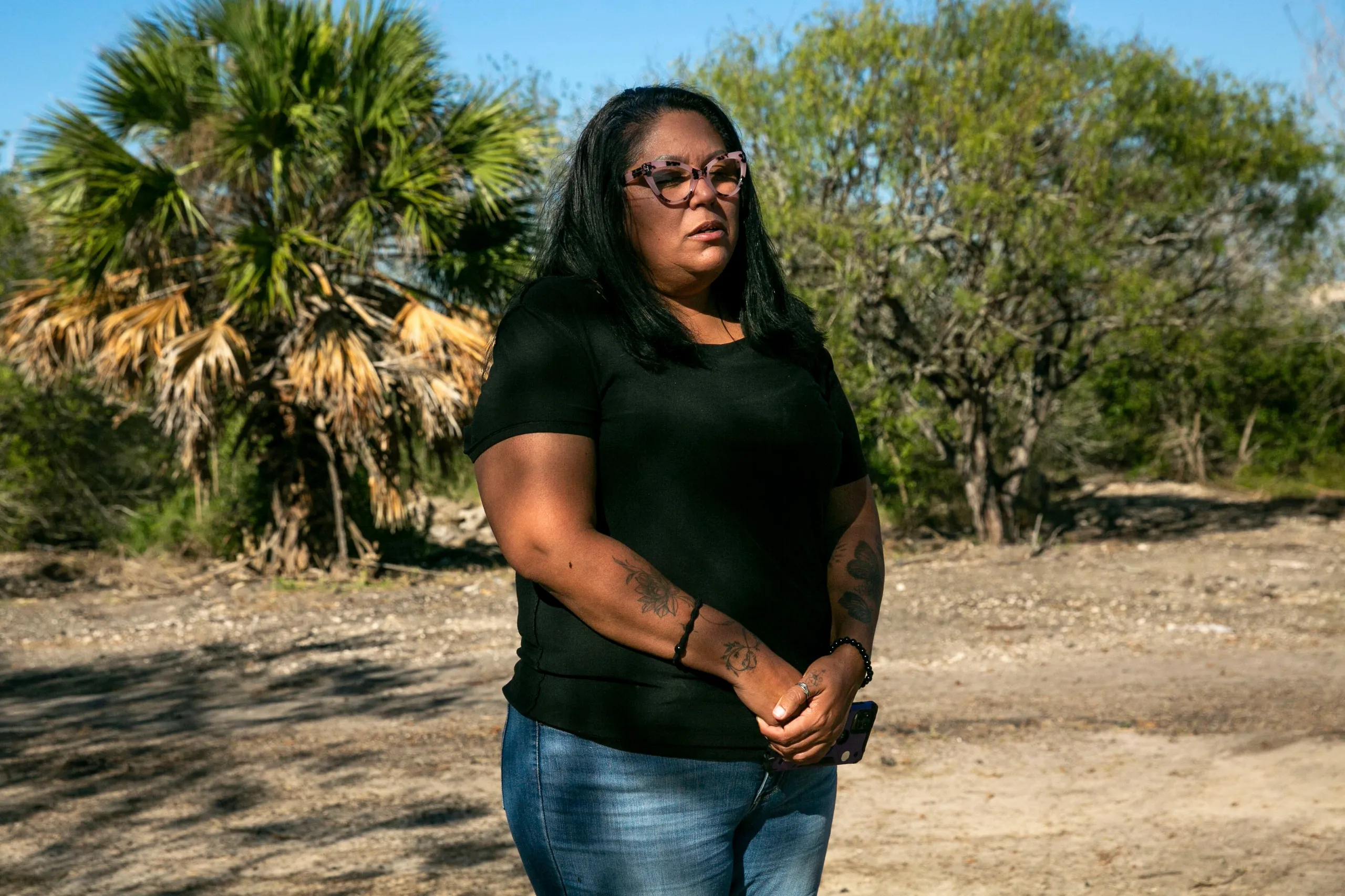
Indigenous Groups Battle to Protect Texas Coast Settlement

Originally Published 19 days ago — by The Texas Tribune

Featured image for Indigenous Groups Battle to Protect Texas Coast Settlement
Source: The Texas Tribune

Indigenous groups in South Texas are fighting to preserve the rediscovered Donnel Point archaeological site, which holds cultural and historical significance, from industrial development, highlighting ongoing struggles to protect Native American heritage amid economic interests.

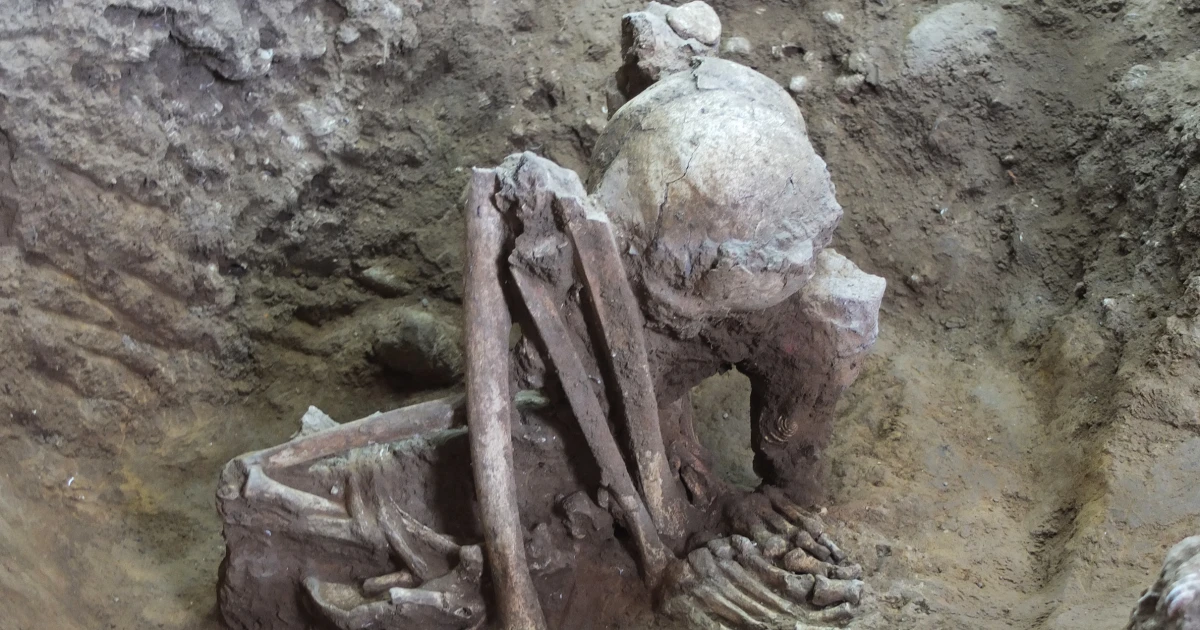
Ancient Smoke-Dried Mummies Discovered in Asia, Challenging Expectations

Originally Published 3 months ago — by NBC News

Featured image for Ancient Smoke-Dried Mummies Discovered in Asia, Challenging Expectations
Source: NBC News

Researchers have discovered the world's oldest mummies in southern China and Southeast Asia, dating back between 4,000 and 14,000 years, challenging the traditional association of mummies with Egypt and revealing advanced preservation techniques among early hunter-gatherer populations.

Unearthing the Past: Decoding Archaeological Sites through Listening

Originally Published 2 years ago — by Phys.org

Featured image for Unearthing the Past: Decoding Archaeological Sites through Listening
Source: Phys.org

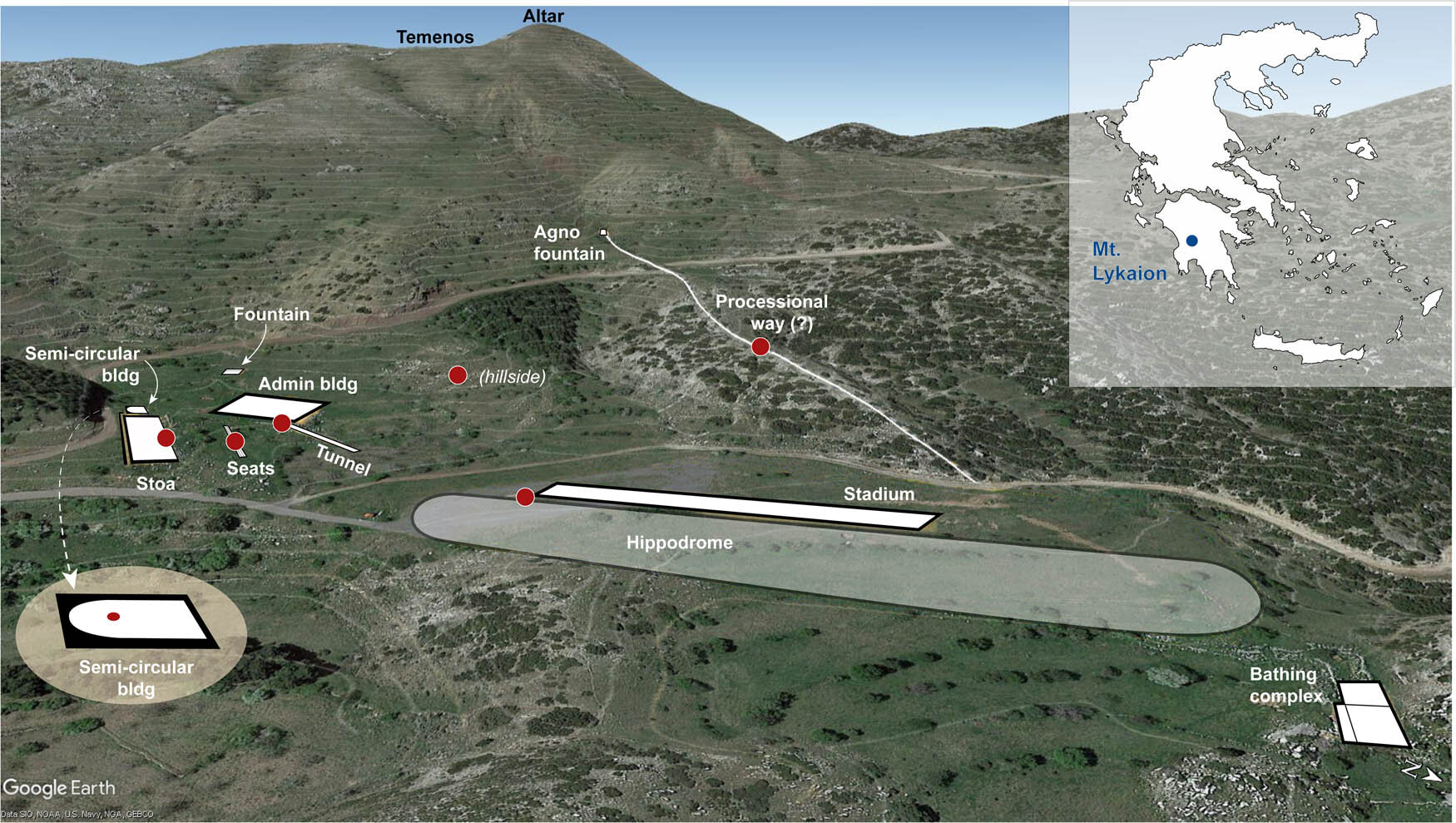
Archaeologists are using psychoacoustics, the study of how sounds are perceived by humans, to gain insights into ancient sites. In a study at the ancient sanctuary of Zeus on Mount Lykaion in Greece, researchers played pre-recorded sounds at different points and analyzed the sound relationships. The study revealed that the hillside acted as an important spectating site, and a semi-circular building created a unique sonic environment. While the findings are still preliminary, the method has the potential to expand how archaeologists interpret ancient sites and make them more accessible to people who don't rely on sight.

Uncovering the Secrets of a Bronze Age Rock: A Treasure Map for Researchers

Originally Published 2 years ago — by Phys.org

Featured image for Uncovering the Secrets of a Bronze Age Rock: A Treasure Map for Researchers
Source: Phys.org

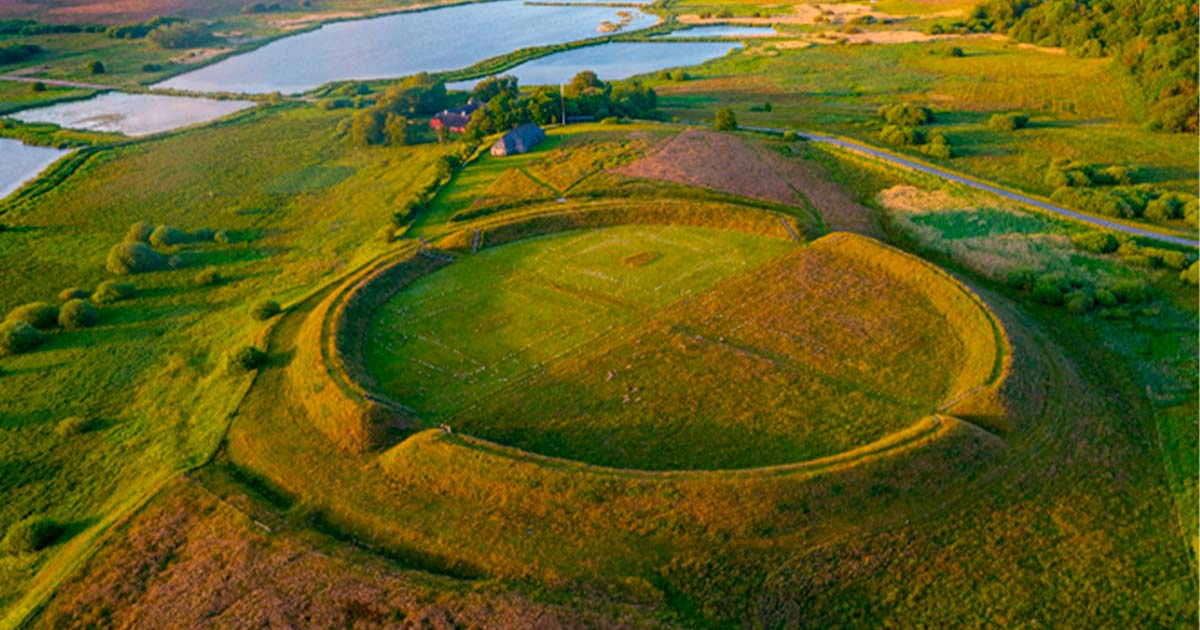
A rock slab with mysterious markings, known as the Saint-Belec slab, is being hailed as a "treasure map" by archaeologists in north-western France. Researchers believe it is Europe's oldest map and are using it to search for ancient sites. The slab marks an area of approximately 30 by 21 kilometers, and the team plans to survey the entire territory to cross-reference the markings. The decoding process could take up to 15 years. The slab has already provided valuable insights, including the discovery of previously unknown fragments. The researchers hope to uncover the meaning behind the engraved symbols, which could lead to further archaeological finds.

Unearthing America's Ancient Footprints: New Discoveries Rewrite History

Originally Published 2 years ago — by Livescience.com

Featured image for Unearthing America's Ancient Footprints: New Discoveries Rewrite History
Source: Livescience.com

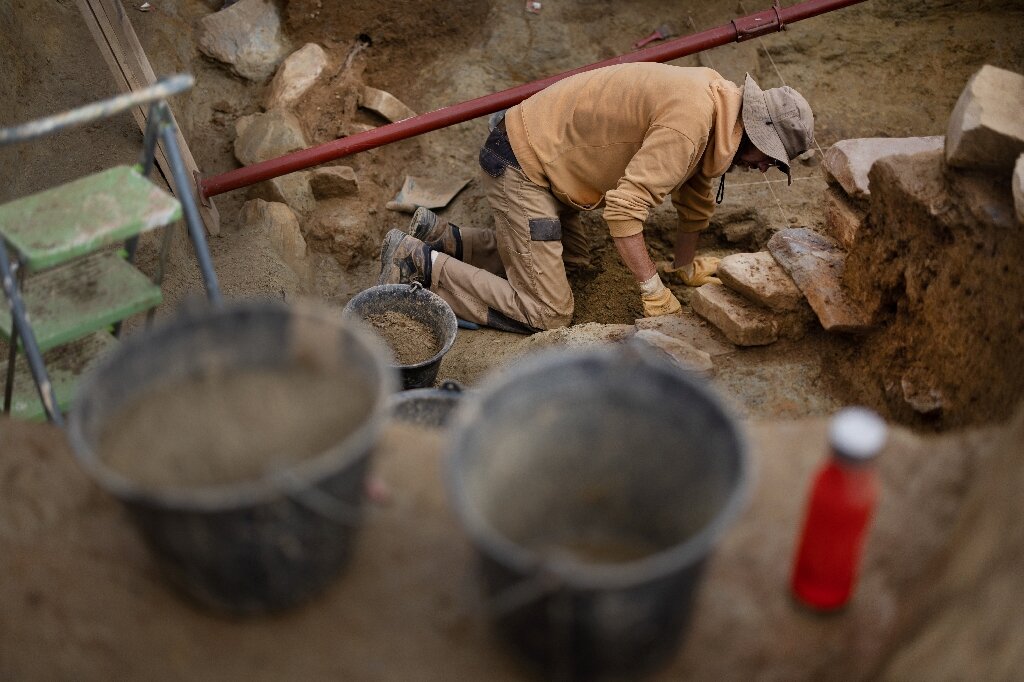
Archaeological sites across the Americas have provided evidence of human occupation dating back thousands of years, challenging the Clovis First theory. From the Clovis site in New Mexico to Swan Point in Alaska, these sites have yielded artifacts such as stone tools, spearpoints, and animal bones, shedding light on the early history of human presence in the Americas. Other notable sites include Cooper's Ferry in Idaho, Paisley Caves in Oregon, and Page-Ladson in Florida. However, some sites, like Pedra Furada in Brazil, remain controversial due to conflicting interpretations of the evidence.

"Funeral Cannibalism: Ancient Magdalenian People's Shocking Rituals"

Originally Published 2 years ago — by Earth.com

Featured image for "Funeral Cannibalism: Ancient Magdalenian People's Shocking Rituals"
Source: Earth.com

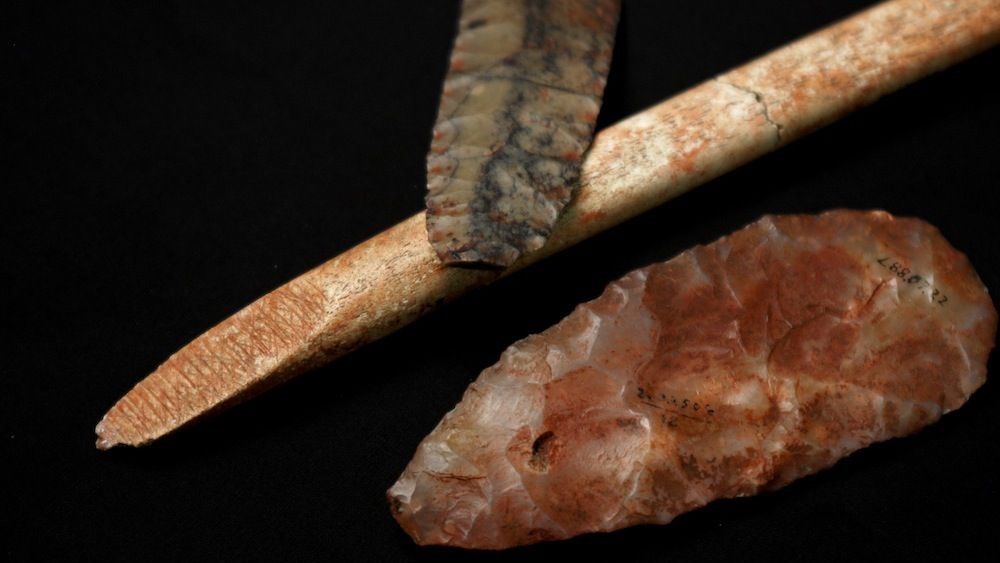
A new study suggests that stone age humans from the Magdalenian culture practiced cannibalism as part of their funeral rituals. The evidence comes from an analysis of bones found at archaeological sites across Europe. The Magdalenians were known for their elaborate artistic abilities and manufacturing skills, creating tools with intricate designs. The cannibalistic ritual was not driven by the need for survival but was a ceremonial activity associated with funerals. The study identified 13 sites across Europe where cannibalistic practices were observed, indicating that cannibalism was a shared behavior in the Stone Age. This discovery challenges our understanding of funeral rituals and the cultural significance of cannibalism among ancient societies.

"UNESCO Expands World Heritage List with Diverse Sites"

Originally Published 2 years ago — by Ancient Origins

Featured image for "UNESCO Expands World Heritage List with Diverse Sites"
Source: Ancient Origins

UNESCO has added over 40 new sites to its prestigious World Heritage List, bringing the total number of protected locations to 1,100. The additions include iconic sites such as Machu Picchu, the Great Barrier Reef, and the ancient center of Rome. The new sites comprise 33 archaeological sites and 9 natural areas of outstanding beauty, representing a diverse range of cultures and landscapes. To be included on the list, a site must demonstrate "outstanding universal value" and meet specific criteria set by UNESCO. The additions aim to preserve these cultural and natural wonders for future generations.

Migrants from Iberia and Levant sparked farming in northwest Africa.

Originally Published 2 years ago — by Nature.com

Featured image for Migrants from Iberia and Levant sparked farming in northwest Africa.
Source: Nature.com

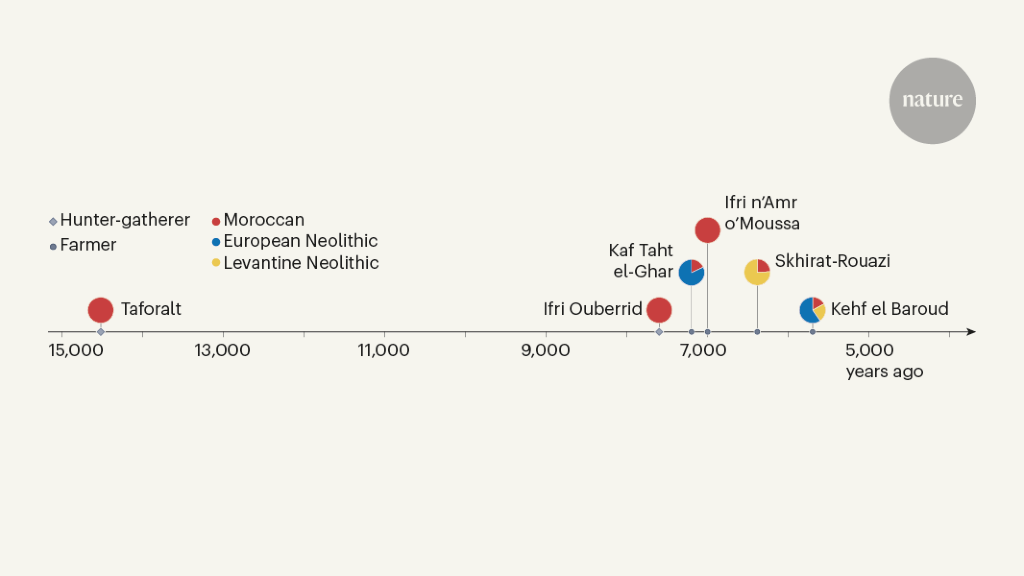
Genomic data from bones and teeth found at archaeological sites across Morocco reveal a more complex picture of how Neolithic farmers and pastoralists spread into northwest Africa than previously thought. The data provide an opportunity to refine and expand previous perspectives on the arrival and spread of Neolithic and pastoralist lifestyles in Morocco.

"Undiscovered Mexican Ruins: Your Private Exploration Guide"

Originally Published 2 years ago — by CNN

Featured image for "Undiscovered Mexican Ruins: Your Private Exploration Guide"
Source: CNN

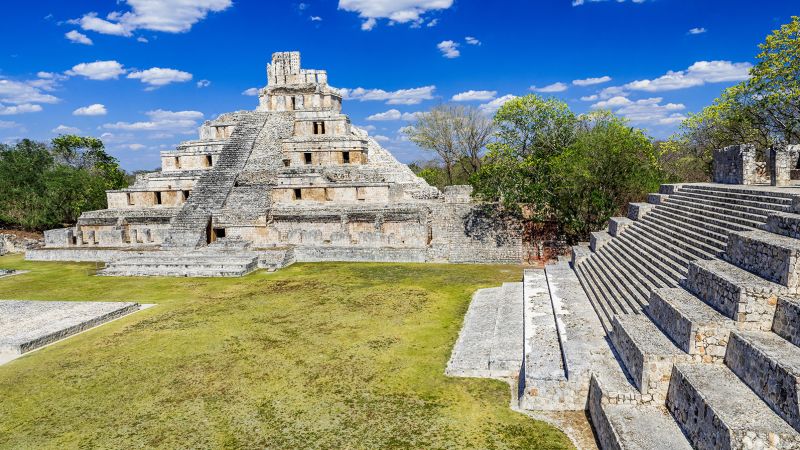
Avoid the crowds at popular Mexican ruins like Chichén Itzá and Tulum by visiting lesser-known sites like Cobá, Ek Balam, Mayapán, Edzná, Calakmul, Yaxchilán, Cañada de la Virgen, and Guachimontones. These sites offer a chance to explore the Mayan civilization without the crowds and with a sense of serenity. Some of these sites are located in remote areas and require a bit of effort to reach, but the experience is worth it.