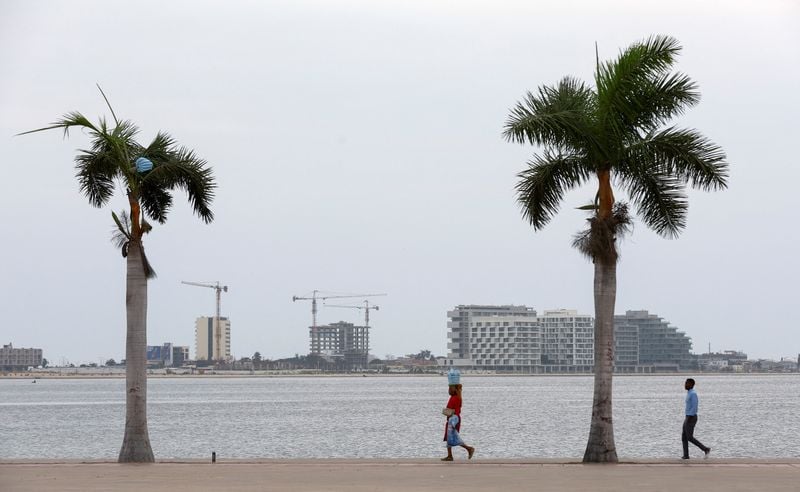
Angola is set to decide by November whether to extend, refinance, or raise funds through international markets to manage its $1 billion total return swap with JPMorgan, amid considerations of market conditions, costs, and transparency efforts.
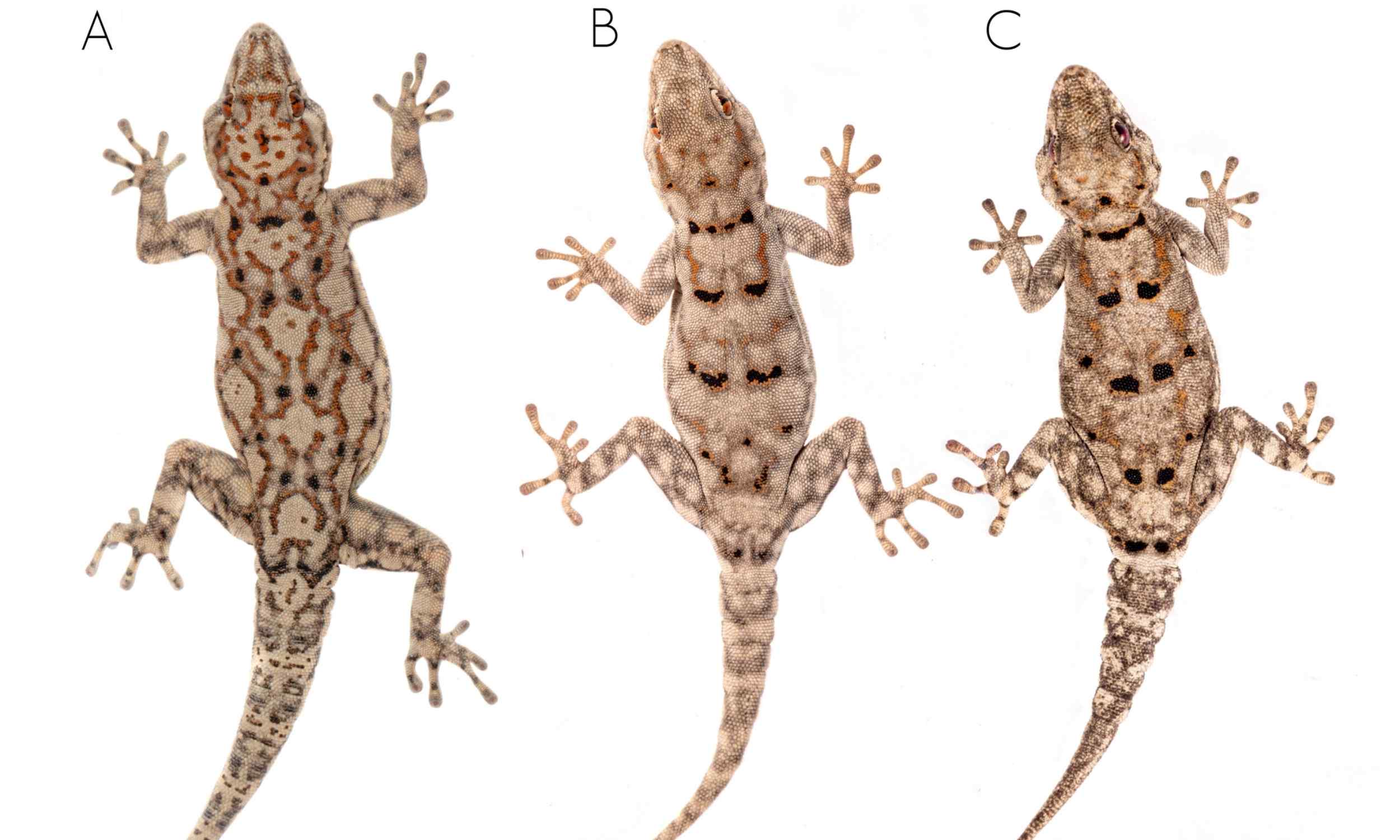
After eight years of research, three new gecko species have been discovered in Namibia's neighboring Angola, highlighting the region's rich and previously underexplored reptile diversity. The discoveries were supported by detailed morphological and genetic analyses, emphasizing the importance of museum specimens for future research and conservation efforts. These findings underscore Angola's emerging status as a hotspot for endemic rock-dwelling reptiles and the significance of integrated fieldwork and genetic tools in uncovering biodiversity.
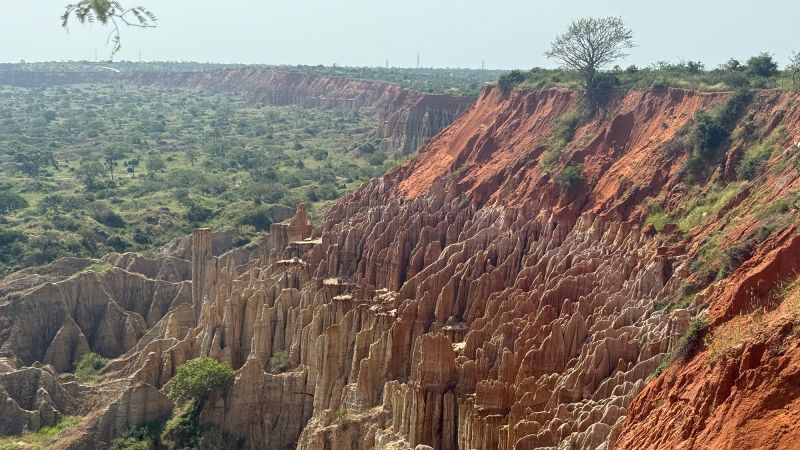
Angola, a largely unexplored destination with stunning natural landscapes, is opening up to tourism with new infrastructure and attractions such as lunar-like cliffs, wildlife parks, pristine beaches, and cultural sites, offering unique and solitary experiences for adventurous travelers.
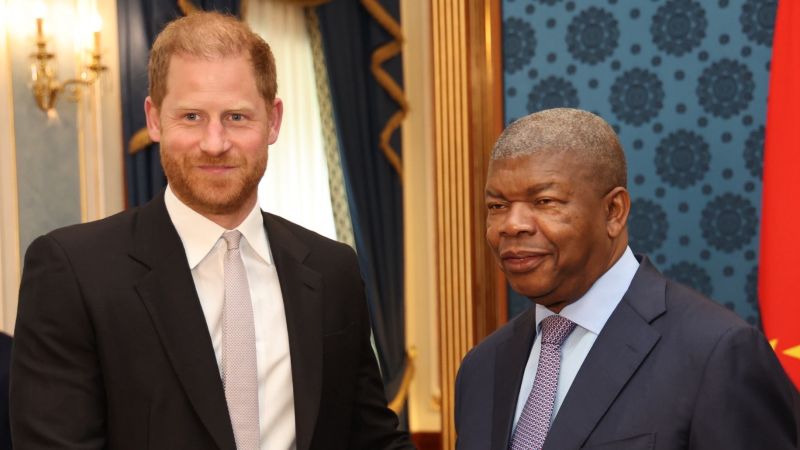
Prince Harry visited Angola to support landmine clearance efforts, nearly three decades after Princess Diana's influential visit, and discussed ongoing demining initiatives with the country's president, emphasizing his commitment to a mine-free Angola.
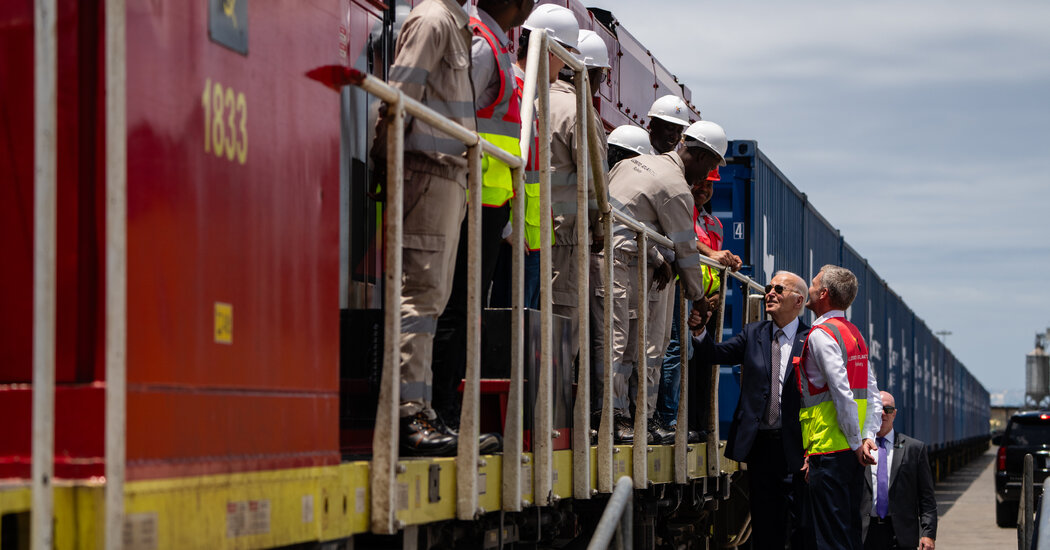
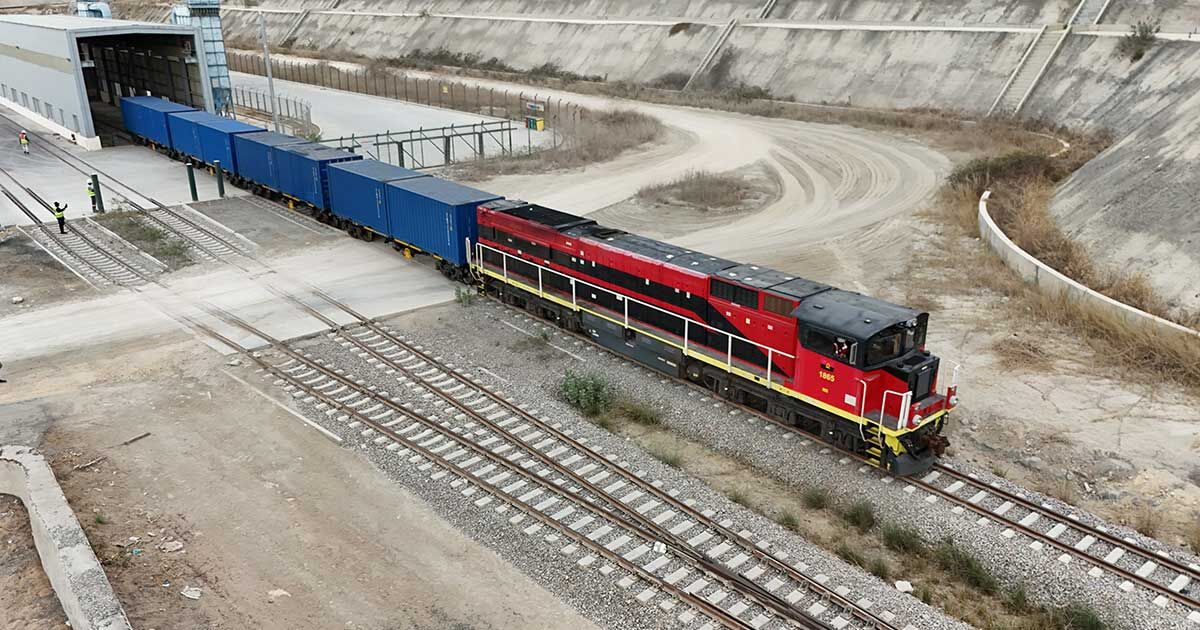
President Joe Biden aims to establish a significant legacy in Africa through a major train project in Angola, which is part of broader efforts to enhance infrastructure and economic ties on the continent.
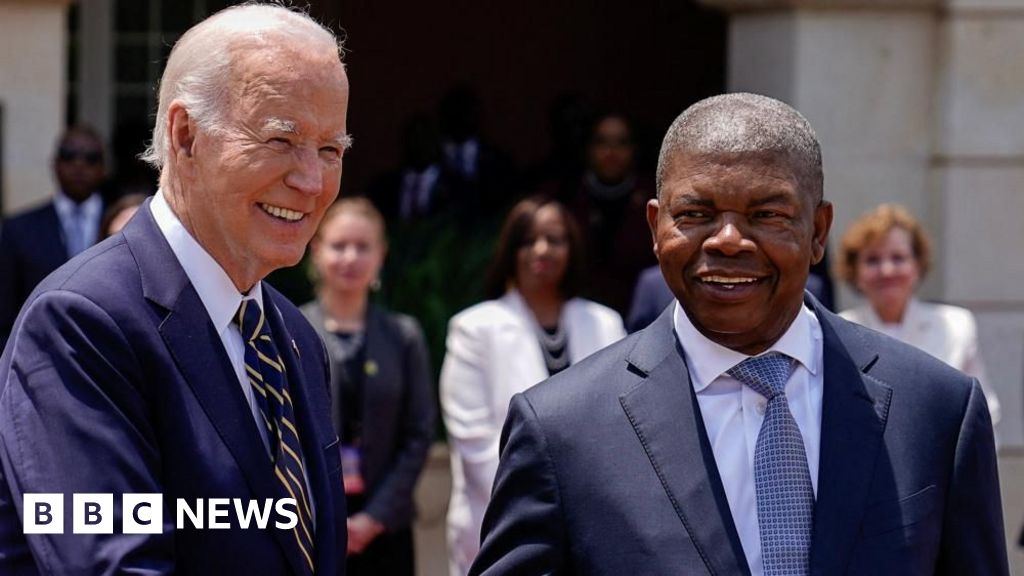
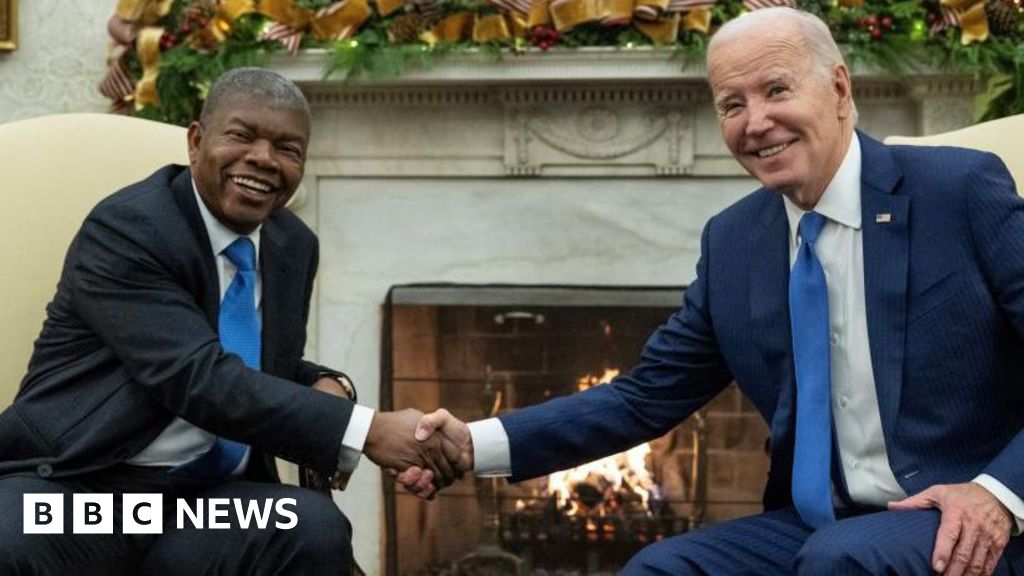
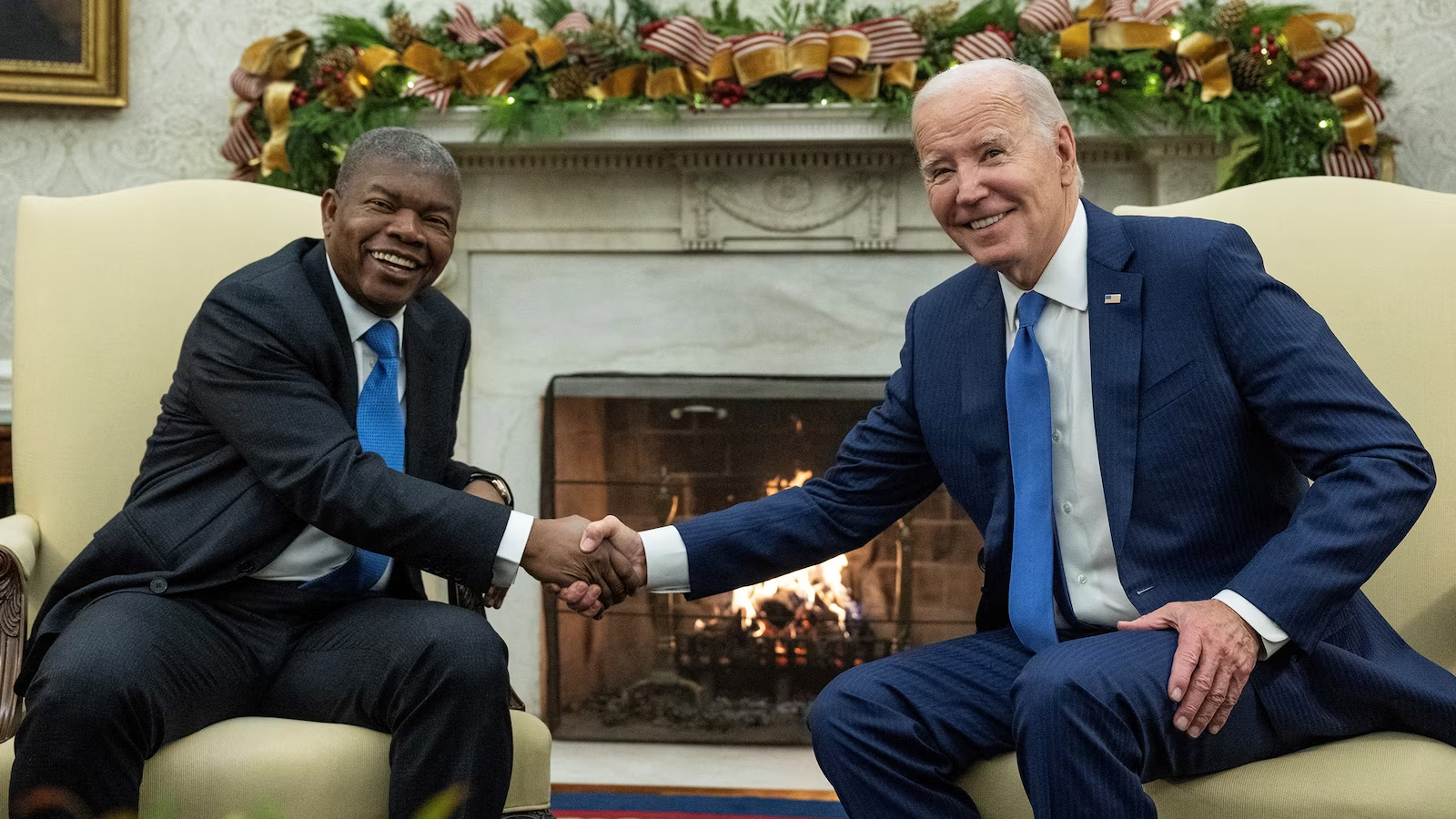
US President Joe Biden's visit to Angola marks the first by an American president, focusing on enhancing trade and security ties. The US supports a new railway project linking Angola with the Democratic Republic of Congo and Zambia, aiming to counter China's influence in Africa. Biden's visit signifies improved US-Angola relations, with Angolan President João Lourenço welcoming the partnership. The trip also includes a visit to a slavery museum, acknowledging the region's historical ties to the transatlantic slave trade.
President Joe Biden's visit to Angola highlights the US's strategic push to counter China's influence in Africa through infrastructure investment, particularly the Lobito Corridor railway project. This initiative aims to connect mineral-rich regions in the Democratic Republic of Congo and Zambia to Angola's port city of Lobito, facilitating mineral exports to Europe and the US. The project, part of a broader $600 billion G7 commitment, represents a significant shift in US-Africa relations, with Angola moving towards a more non-aligned foreign policy under President João Lourenço.
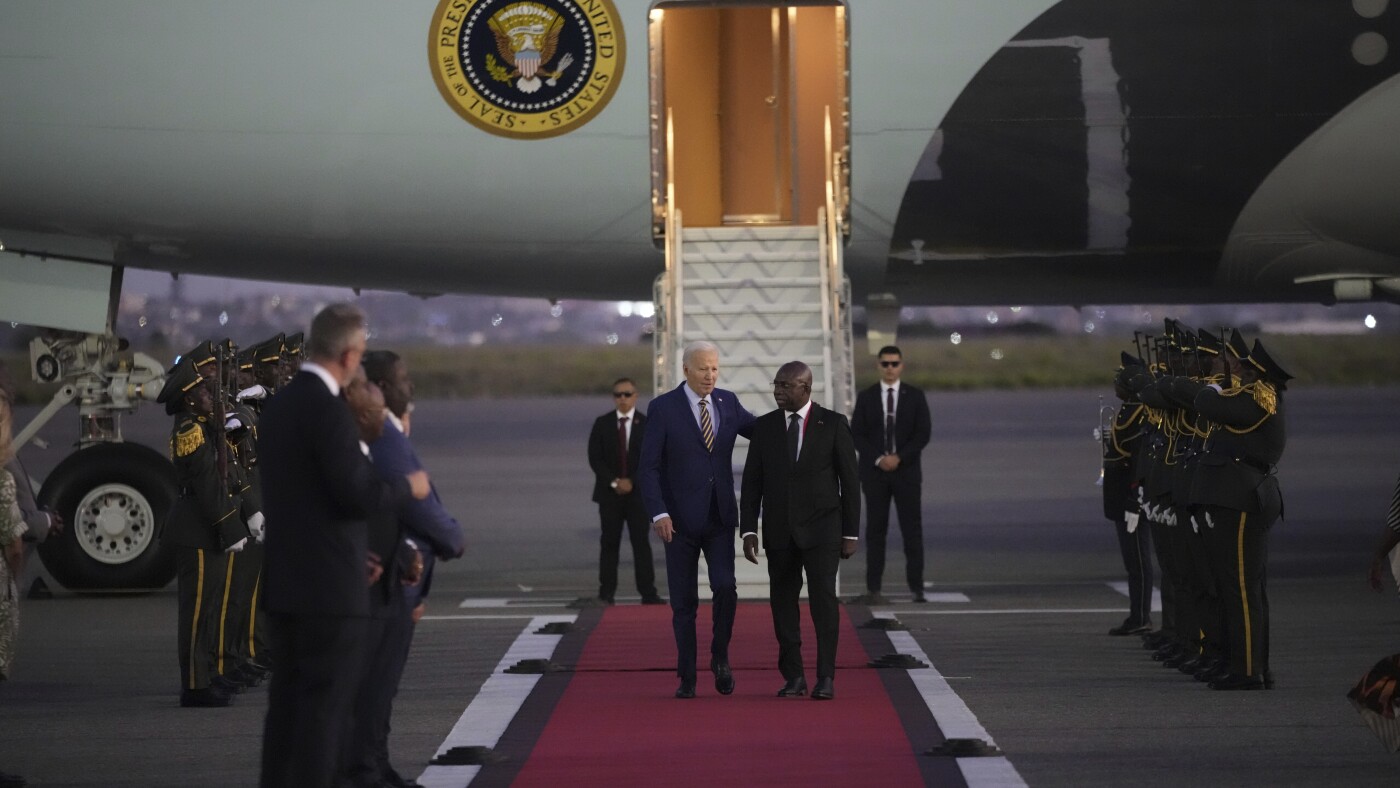
President Joe Biden has embarked on his first visit to Africa, arriving in Angola as part of a trip that underscores U.S. efforts to counter China's economic influence on the continent. This visit, fulfilling a promise made at the Africa leaders summit, comes amid criticism of Biden's Africa policy and his recent controversial pardon of his son. In Angola, Biden is expected to announce trade investments and highlight the U.S.-backed Lobito Corridor rail project, aimed at facilitating mineral exports. The trip also reflects on historical ties, with a visit to the National Slavery Museum.
President Joe Biden is visiting Angola to promote the Lobito Atlantic Railway, a key infrastructure project run by commodities trader Trafigura. The railway, which transports copper concentrate from the Democratic Republic of Congo to the Angolan port of Lobito, has a complex history involving Scottish engineering and Chinese refurbishment. Biden's visit underscores the strategic importance of the railway in the region.
President Joe Biden will visit Angola, marking the first visit by a sitting U.S. president to the country, to strengthen U.S.-Angola relations and counter China's growing influence in Africa. The visit will focus on U.S. investments in telecommunications, renewable energy, and other sectors, as part of a broader $55 billion commitment to Africa. Biden aims to offer meaningful alternatives to Chinese investments, emphasizing sustainable development and economic growth for local communities.
About 50 people in Angola have died after being forced to drink a mysterious herbal potion to prove they were not sorcerers, with traditional healers accused of administering the deadly concoction. Belief in witchcraft is still prevalent in some rural Angolan communities, and cases of forcing individuals to drink toxic herbal drinks to prove innocence are on the rise. The country does not have laws against witchcraft, leaving communities to handle the issue as they see fit. The practice of witchcraft is often attributed to socio-economic challenges, and religious leaders have urged people to shun harmful practices like witchcraft and sorcery.
Nigeria defeated Angola 1-0 in the Africa Cup of Nations quarter-final, with Ademola Lookman scoring the only goal. Nigeria's solid defense secured their spot in the semi-finals for the 16th time. Despite Angola's efforts, they were unable to find the back of the net, leading to Nigeria's victory.
The United States is deepening its ties with Angola, as the African nation shifts away from reliance on China and Russia. A major realignment is underway as Angola embraces Washington and Europe for infrastructure projects, including a $250 million rail corridor for critical minerals. The U.S.-funded Export-Import Bank has committed to a $900 million loan for a solar panel project along the rail line. This shift represents a model for economic cooperation with African nations and signals a stronger, more consequential relationship between the United States and Angola.
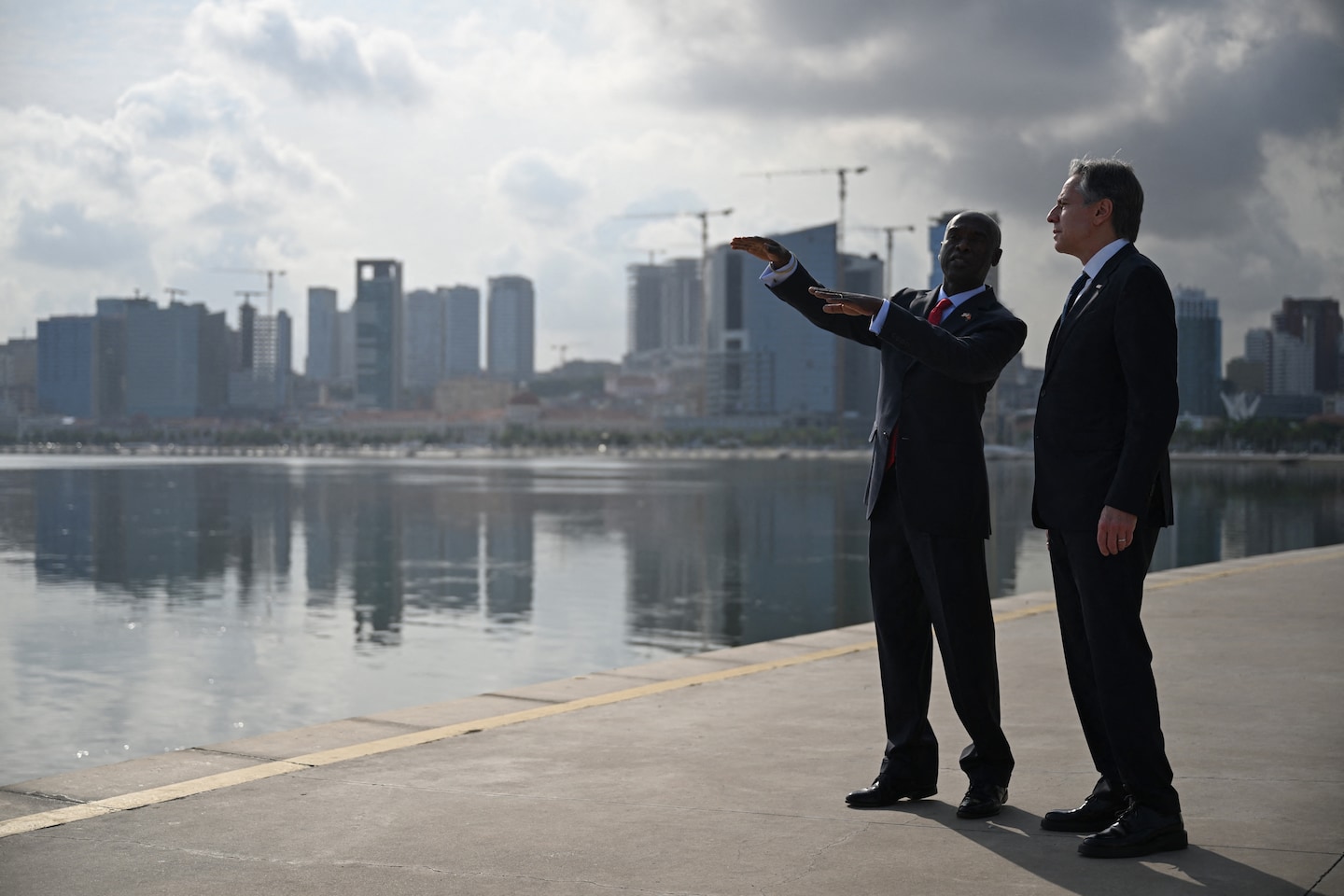
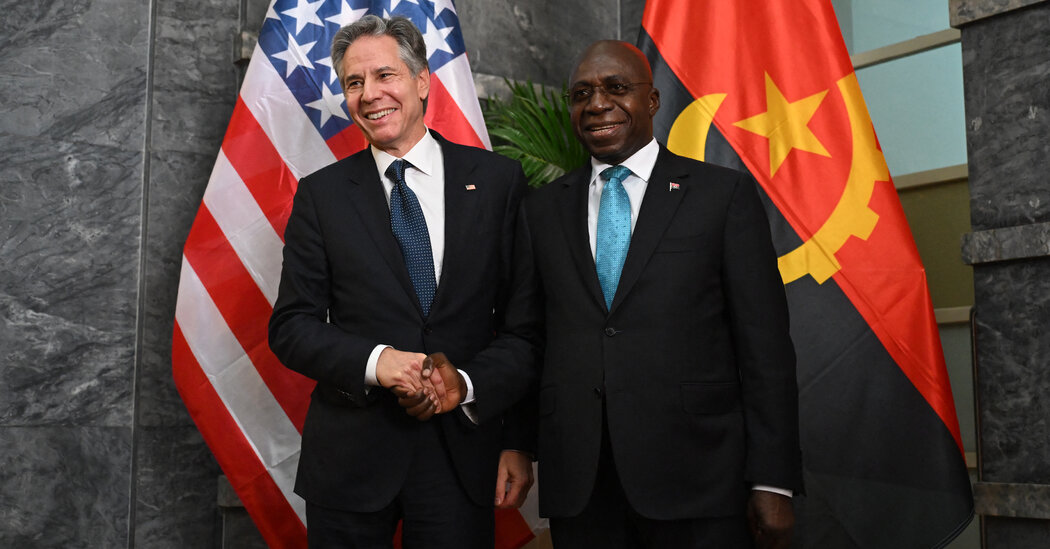
Secretary of State Antony Blinken concluded his African tour with a visit to Angola, highlighting major U.S. investments in the country, including over $900 million for solar energy projects and $250 million to upgrade a critical mineral-carrying rail corridor. The investments aim to counter China's influence in the region and support President Biden's climate and supply chain diversification goals. Blinken emphasized the strong U.S.-Angola relations and the transformative potential of the rail project, while also addressing concerns about Chinese economic and military influence in Africa.
Angola's decision to exit OPEC highlights ongoing tensions within the group, particularly regarding production baselines. However, analysts believe the market impact will be limited as Angola's oil production has been declining. The departure of Angola, following Ecuador and Qatar, is not expected to result in a significant increase in oil supply. While concerns about unity persist, there is no indication that other heavyweight OPEC members will follow Angola's path. The upcoming inclusion of Brazil in OPEC+ and record-high U.S. crude output pose greater challenges for managing global supply-demand balances.