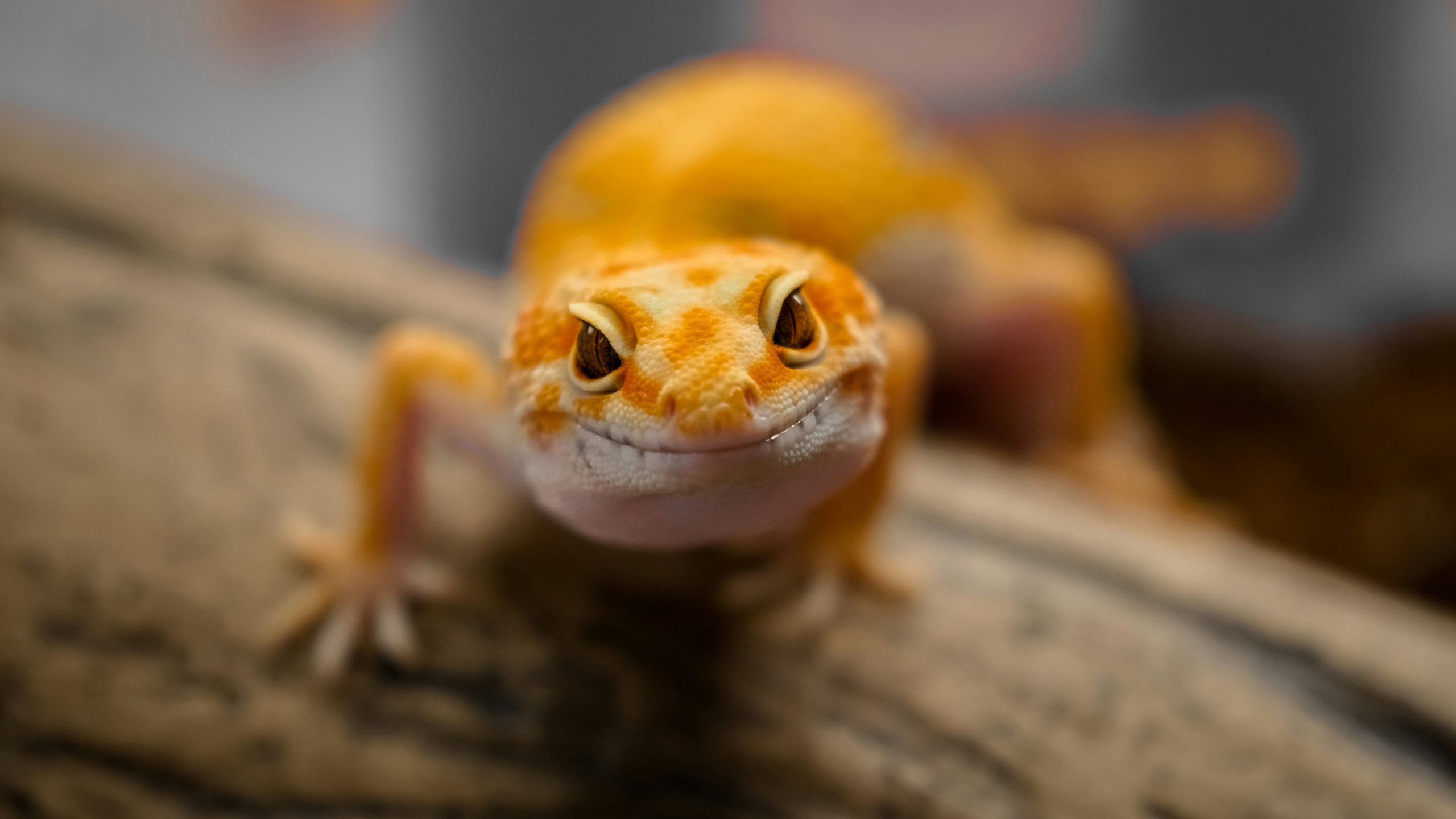
Scientists exploring limestone hills in Cambodia discovered three new gecko species, highlighting the area's rich and largely unexplored biodiversity, and emphasizing the need for conservation efforts to protect these unique habitats.
The Public Health Agency of Canada has identified geckos as the likely source of a salmonella outbreak affecting seven provinces, with 35 confirmed cases and five hospitalizations. Individuals who became ill had direct or indirect contact with geckos or their environments, and some cases involved children aged five and under. The agency emphasizes the importance of reptile owners and business operators in preventing illnesses linked to these pets, as symptoms of salmonella poisoning can include fever, chills, nausea, vomiting, diarrhea, headache, and abdominal cramps.
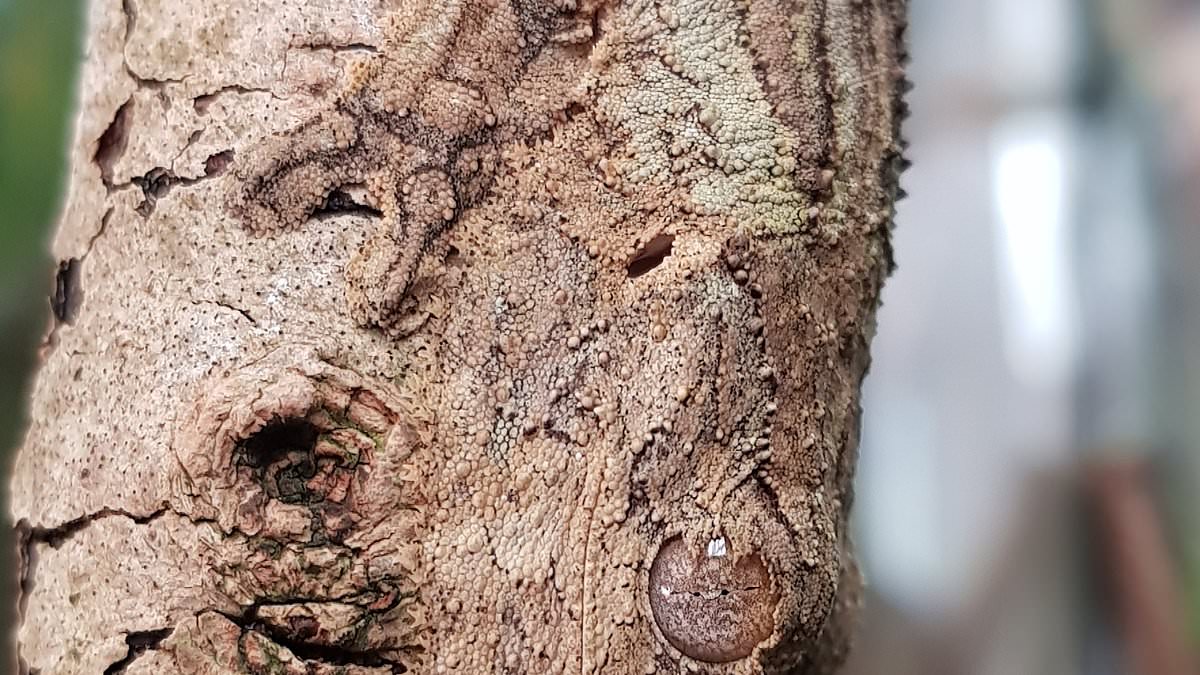
Geckos are known for their impressive camouflage skills, allowing them to blend seamlessly into their environment. Luna the gecko in the image perfectly demonstrates this ability, as she camouflages herself on a tree branch, making her almost impossible to spot. Geckos have a wide range of sub-species and can be found on every continent except Antarctica. Their color-changing skills are due to cells in their skin called chromatophores, which allow them to blend into various environments. Geckos use their camouflage to protect themselves from predators and as a means to catch prey.
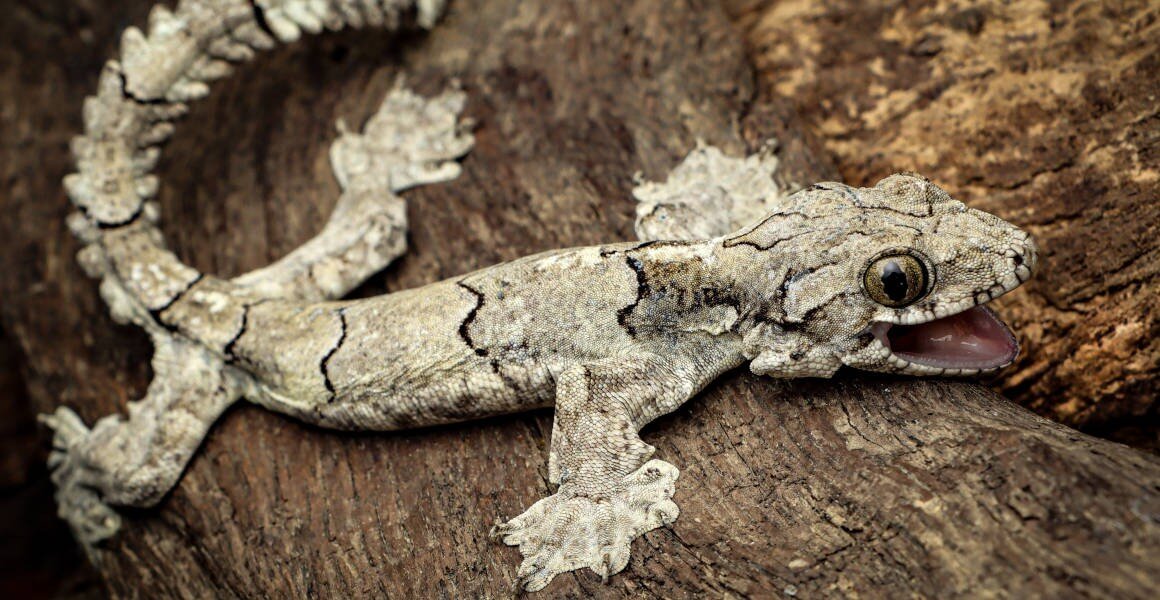
A new species of gliding gecko, the Mizoram parachute gecko, has been discovered in northern India. The researchers hope that the new species will highlight the underappreciated biodiversity of northern India and encourage greater efforts to document its wildlife. Geckos are one of the oldest reptile groups still alive today, and there are more than 1,200 species of gecko today, making up around a fifth of all known lizards. Flying geckos are an even more specialized bunch, and the Mizoram parachute gecko is one of 14 geckos known to take to the air.
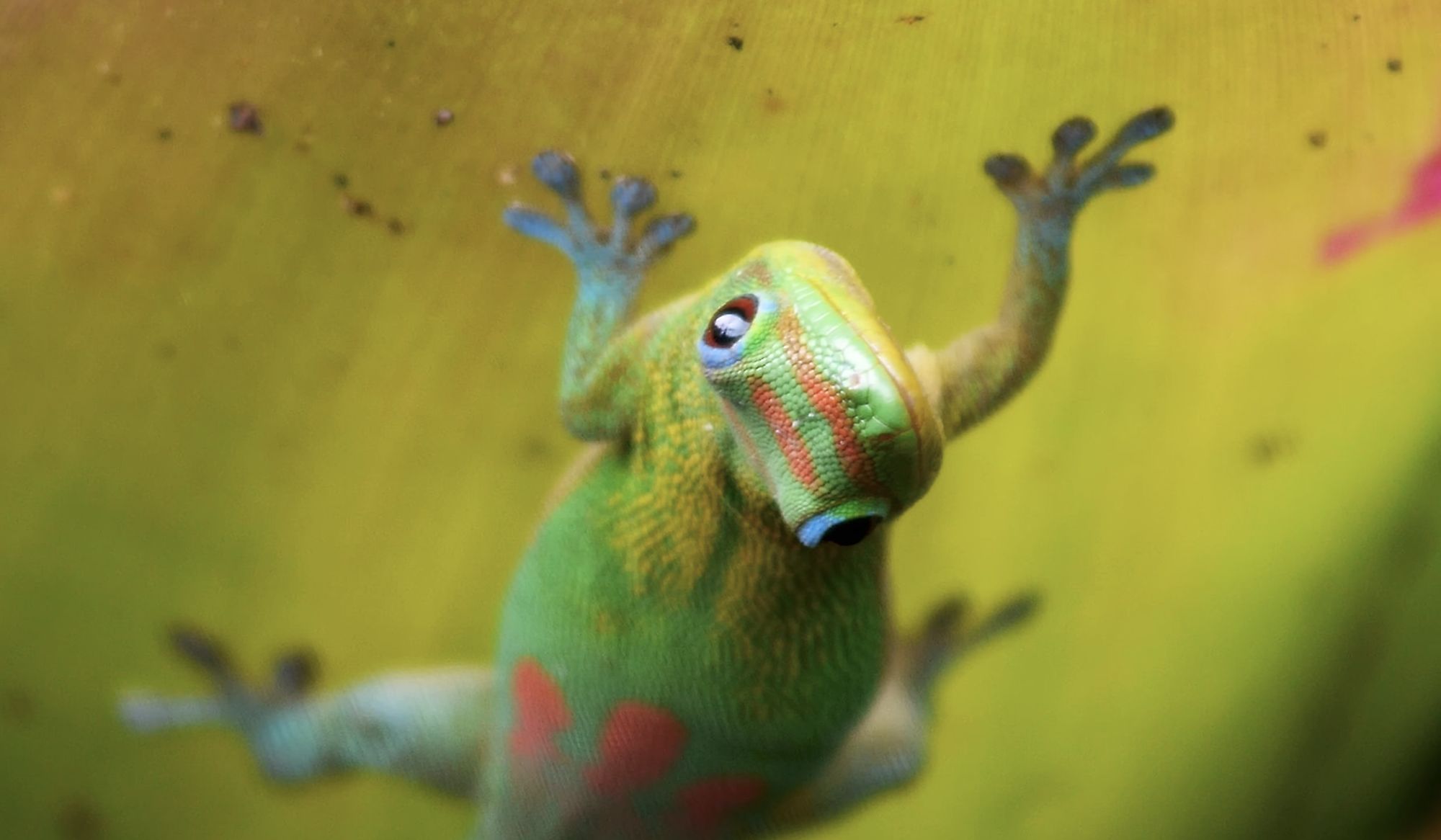
Geckos can climb almost any surface due to the millions of microscopic pads on their feet, which possess electrons that sync up with the surfaces they touch. This is due to subatomic forces, rather than sticky substances or suction. Stanford University is developing nanomaterials inspired by the adhesive power of gecko feet.