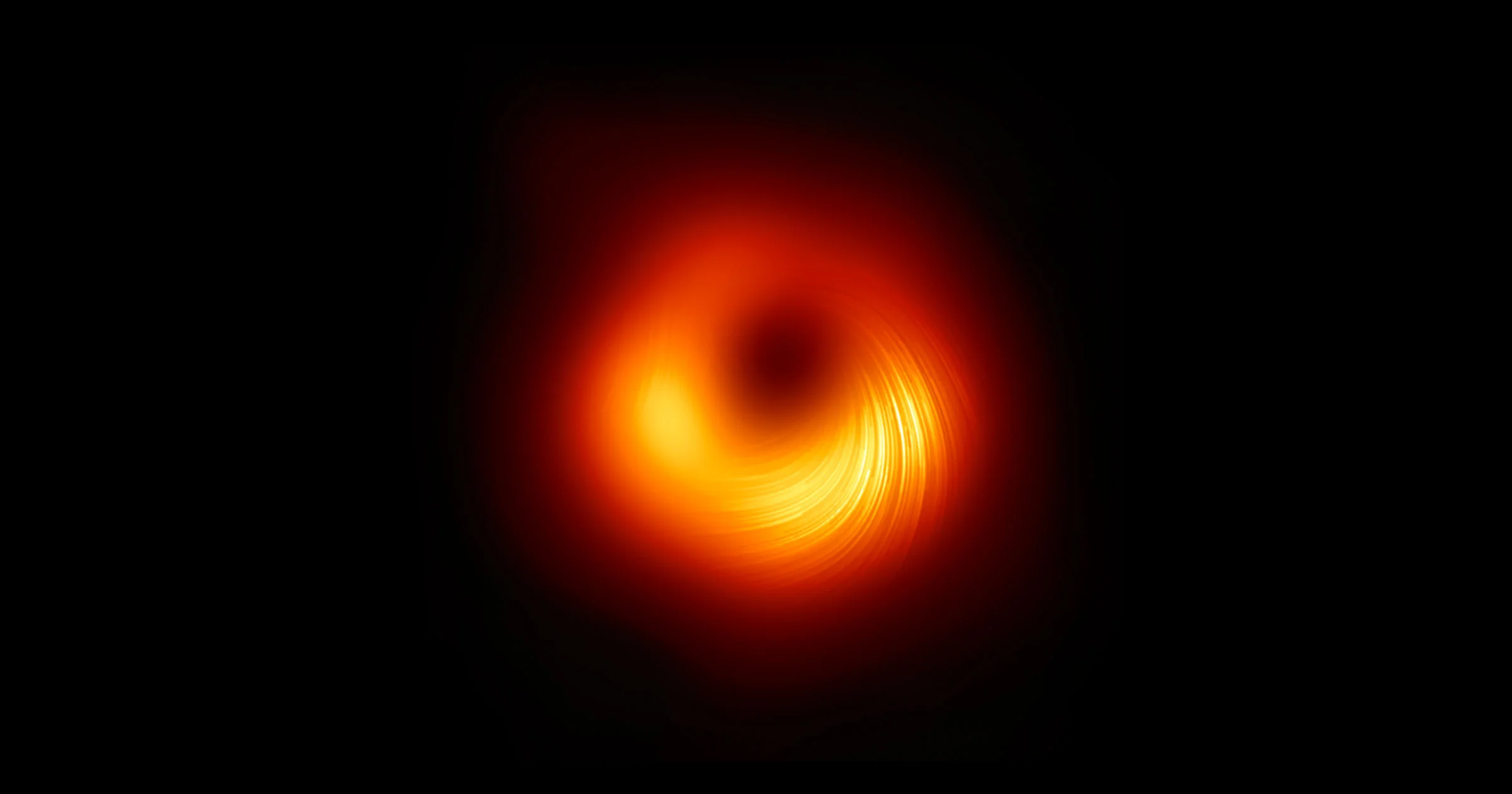
Astronomers observing the supermassive black hole M87* have discovered unexpected changes in its magnetic field polarization over several years, indicating a complex and dynamic magnetic environment near the event horizon, challenging existing models and highlighting the evolving capabilities of the Event Horizon Telescope.
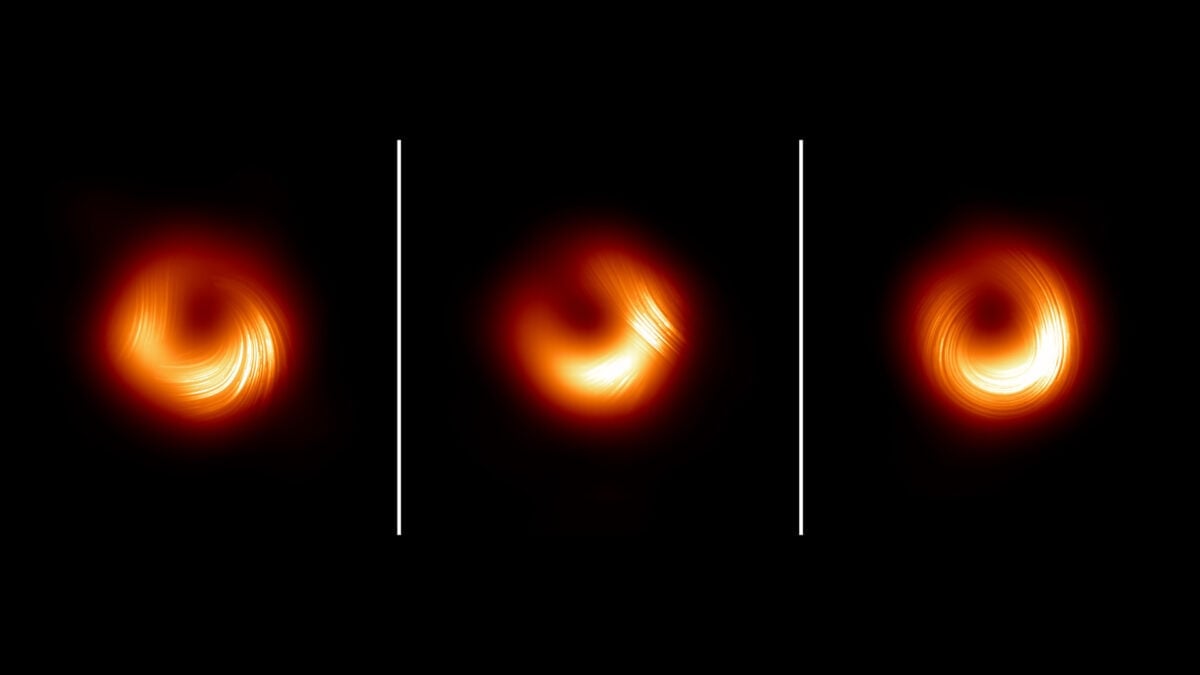
Recent observations of the supermassive black hole M87* by the Event Horizon Telescope reveal unexpected reversals in magnetic fields and strange jets, challenging current models of black hole physics and indicating a highly dynamic environment near the event horizon.
The ESA and NASA's Solar Orbiter has captured the most detailed images of the Sun's surface, revealing sunspots, granules, and magnetic fields with unprecedented clarity. These observations enhance understanding of the Sun's dynamic processes, including plasma flows and solar wind origins, which are crucial for predicting space weather that affects Earth. The mission highlights the capabilities of modern space exploration technologies in studying the Sun's complex mechanisms and their impact on the solar system.
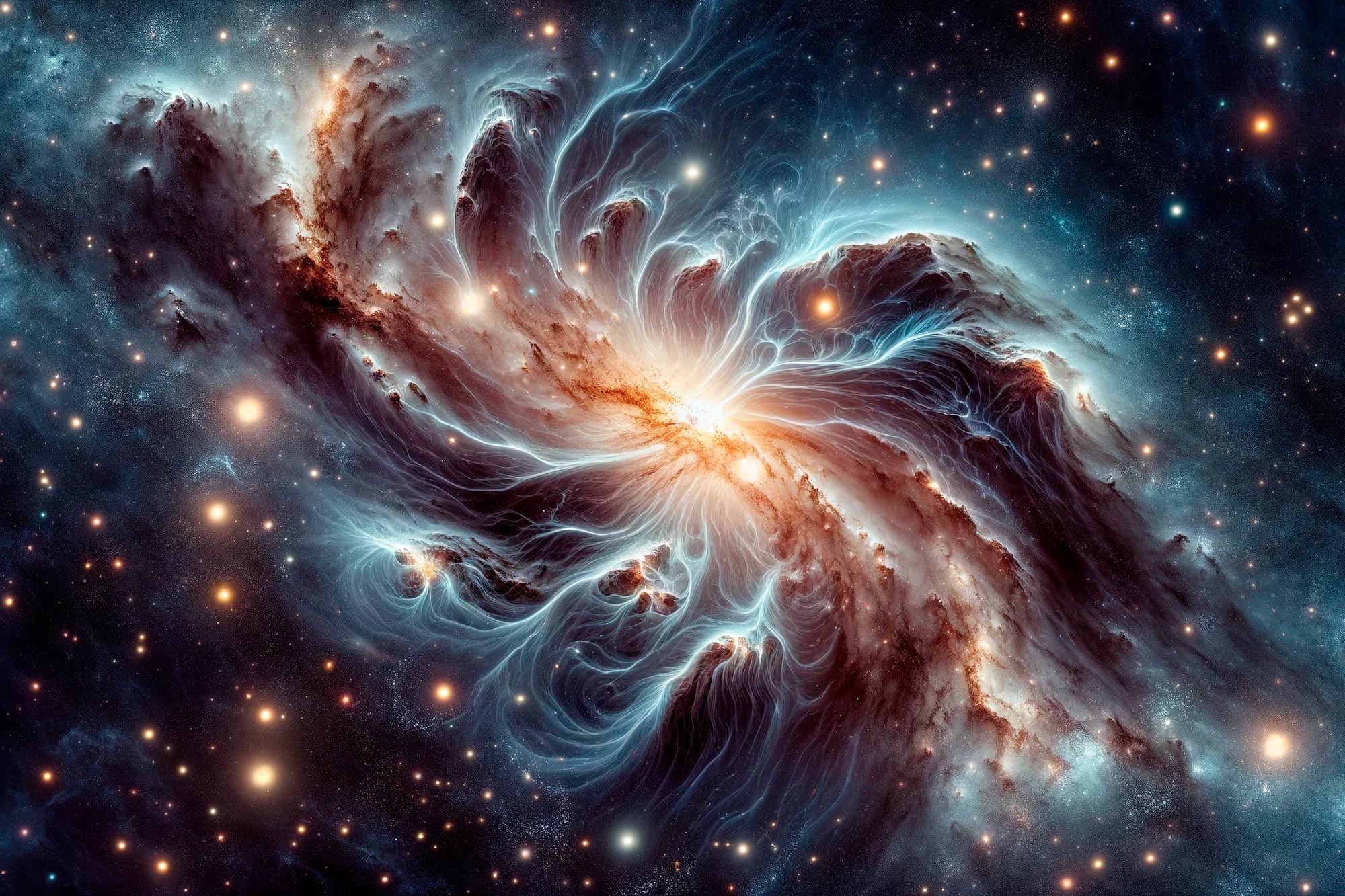
Researchers at SISSA theorize that dark matter mini-halos could be indicators of primordial magnetic fields, potentially solving the mystery of the origin of cosmic magnetic fields. These mini-halos, resulting from the gravitational effects of primordial magnetic fields on dark matter density perturbations, could provide evidence that magnetic fields were formed within a second of the Big Bang. The study, published in Physical Review Letters, suggests that detecting these dark matter mini-halos would support the idea that magnetic fields are a primordial phenomenon, offering new insights into the early universe.
Researchers from SISSA have proposed that primordial magnetic fields could be indirectly detected through their influence on dark matter, leading to the formation of mini-halos. These mini-halos, if observed, would suggest that magnetic fields originated in the early universe, potentially within a second after the Big Bang. The study, published in Physical Review Letters, indicates that while there is no direct interaction between magnetic fields and dark matter, gravitational effects can induce dark matter density perturbations, which in turn could reveal the primordial nature of cosmic magnetic fields.