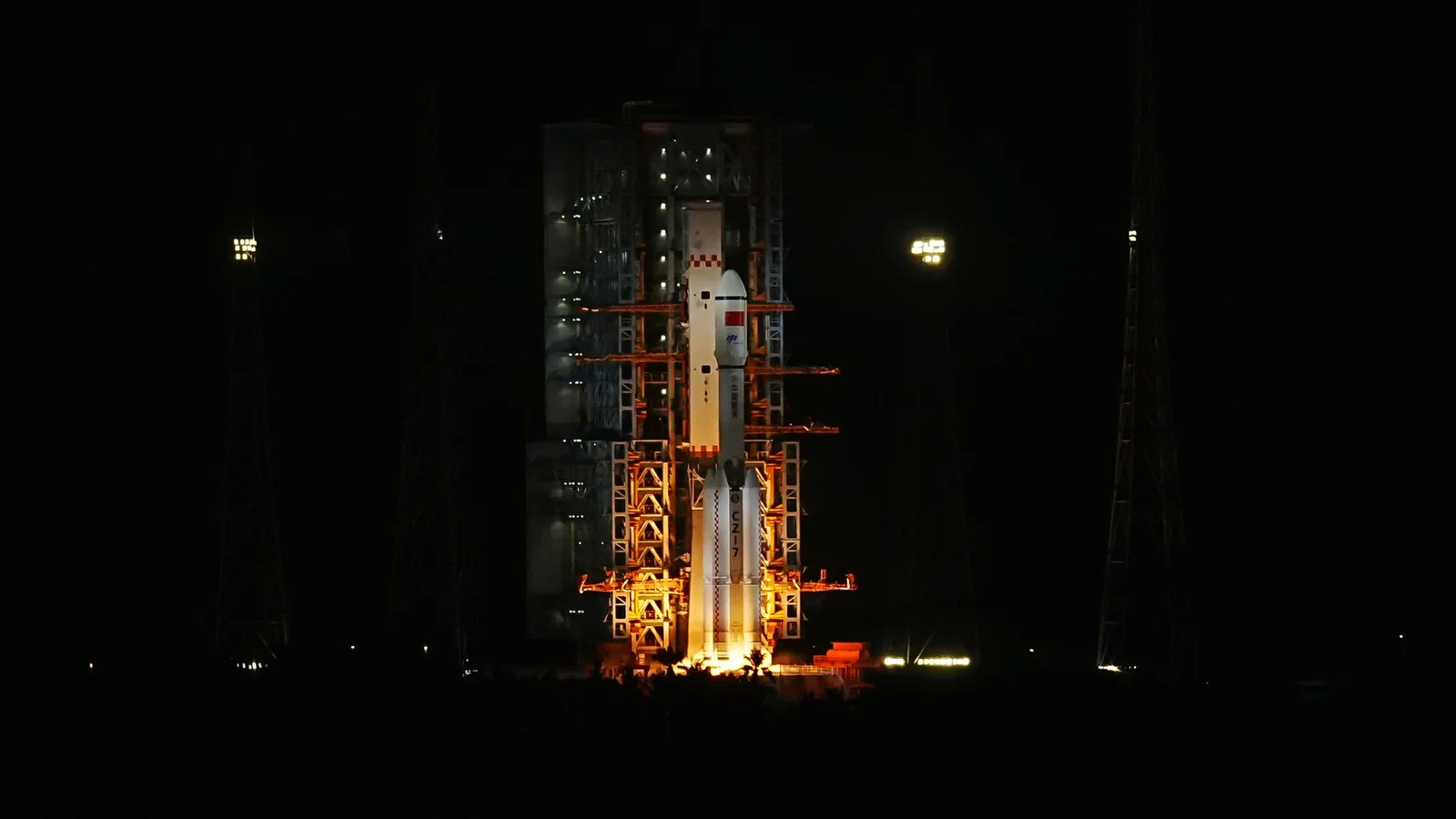
China launched the Tianzhou 9 cargo spacecraft to its Tiangong space station, carrying supplies including food, fuel, scientific equipment, and upgraded spacesuits with longer operational life and additional spacewalks, as well as a core muscle training device to enhance astronaut fitness.
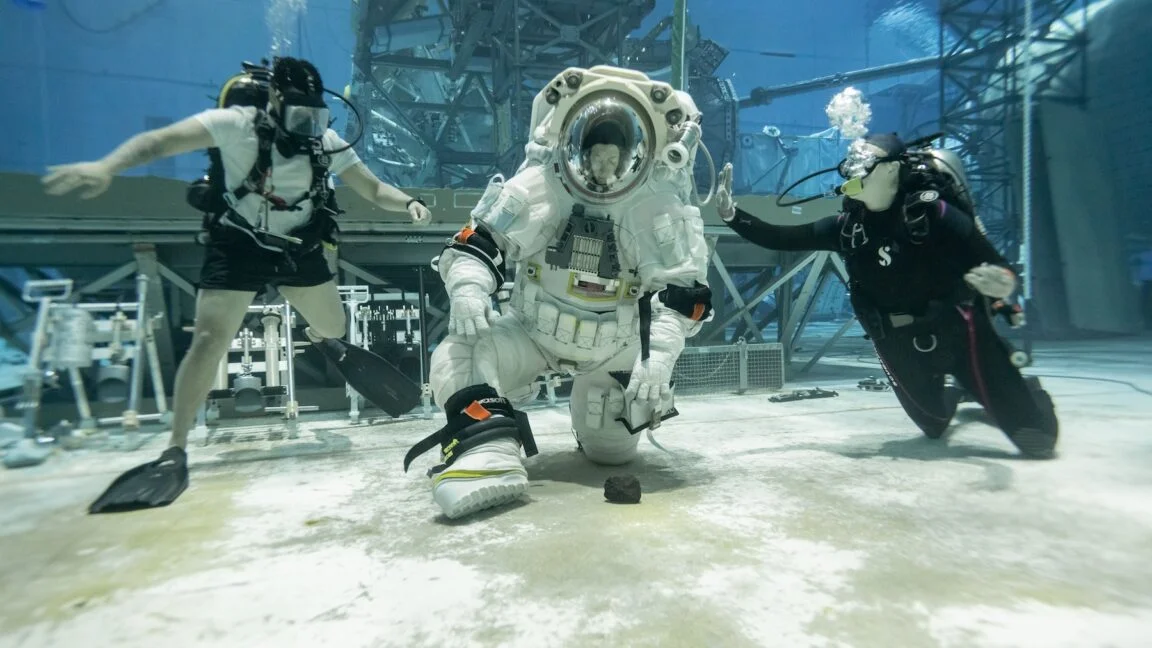
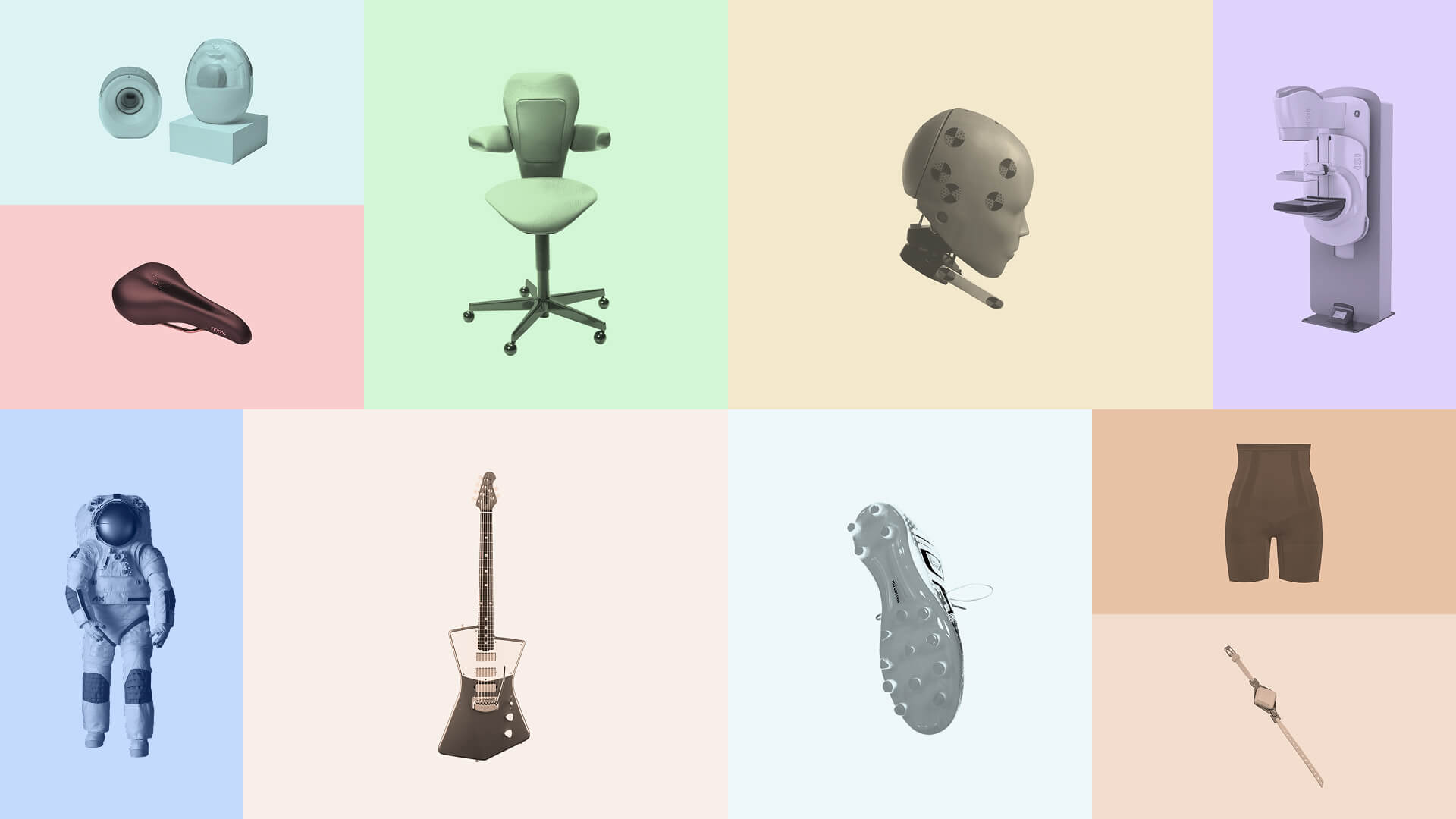
Axiom Space is developing a new generation of spacesuits that better accommodate women, addressing previous limitations and promoting gender inclusivity in space exploration, with potential use in upcoming missions like Artemis III.
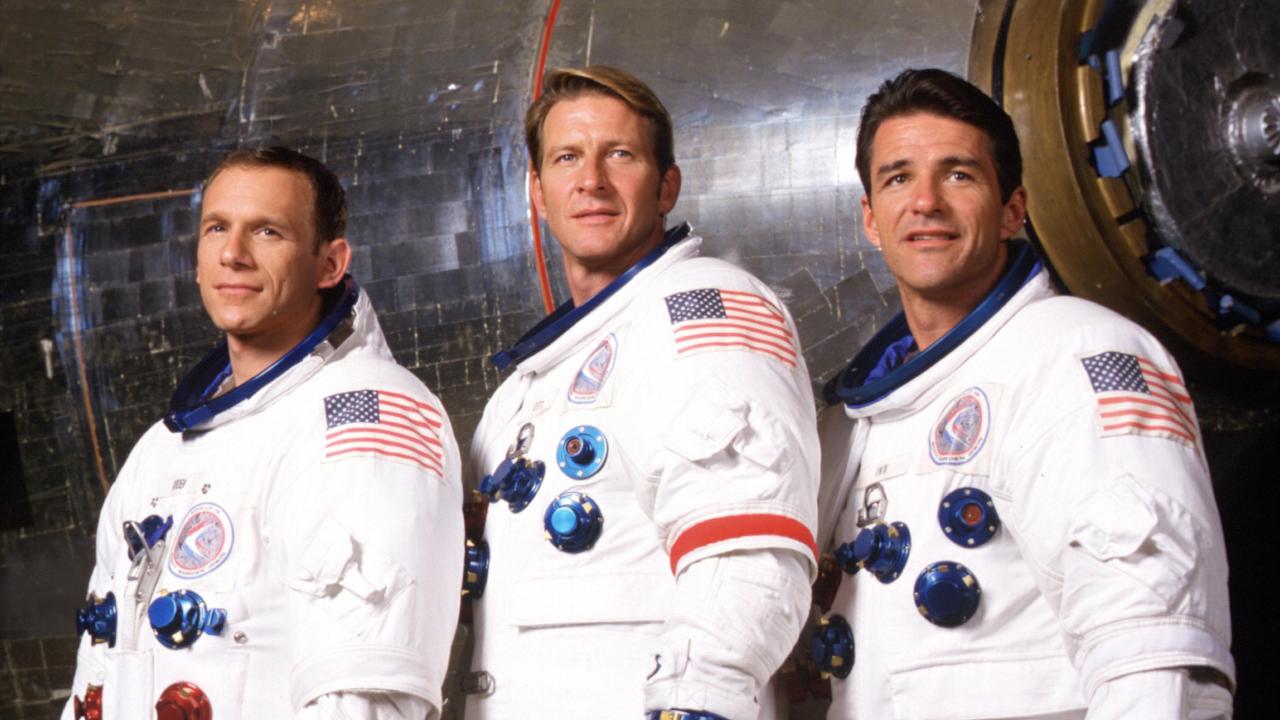
Chris Gilman's Global Effects specializes in creating highly accurate replica spacesuits for Hollywood, used in numerous films and TV series, with a collection that includes almost every historic spacesuit and custom sci-fi designs, emphasizing authenticity and detail in their costumes.
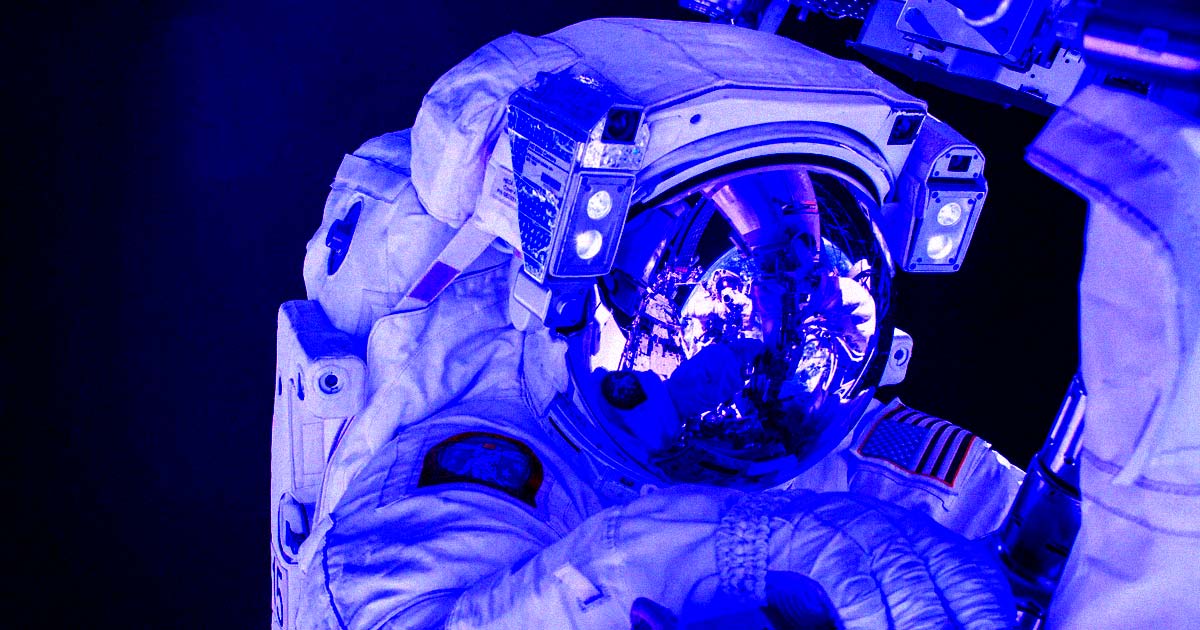
NASA's aging spacesuits, dating back to the 1980s, are increasingly problematic, with recent incidents forcing the cancellation of spacewalks due to safety concerns. The agency is under pressure to update its extravehicular mobility units, having contracted private companies to develop new suits. However, progress is hindered by financial issues at Axiom Space, the remaining contractor after Collins Aerospace withdrew. The situation underscores broader concerns about the aging International Space Station's infrastructure.
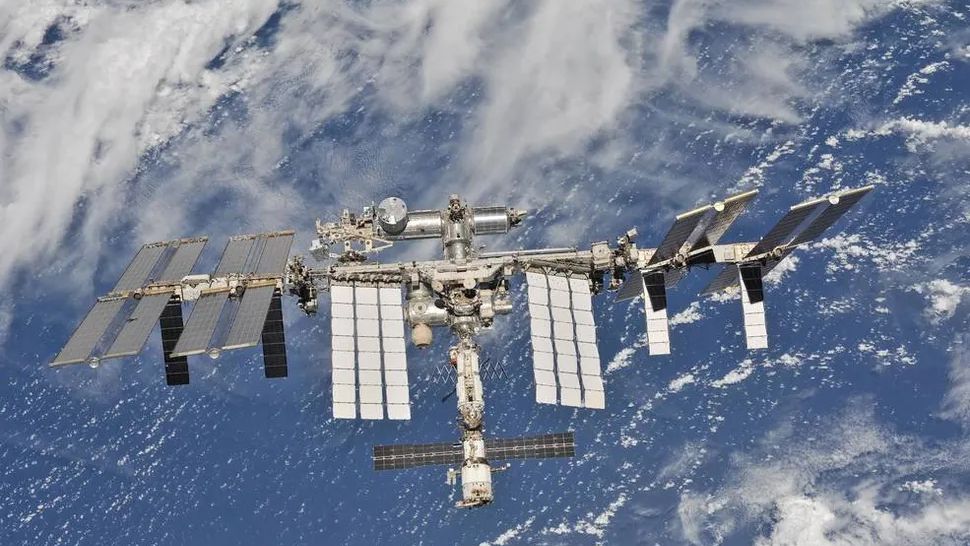
NASA is addressing safety concerns related to the aging International Space Station (ISS) and its extravehicular mobility unit (EMU) spacesuits, which have been in use since the 1980s. Recent issues include a coolant leak during a planned spacewalk and a persistent leak on the Russian side of the ISS. NASA and Roscosmos are managing these challenges while planning for future commercial space stations and next-generation spacesuits. Despite these issues, NASA emphasizes safety and collaboration with Russian counterparts.
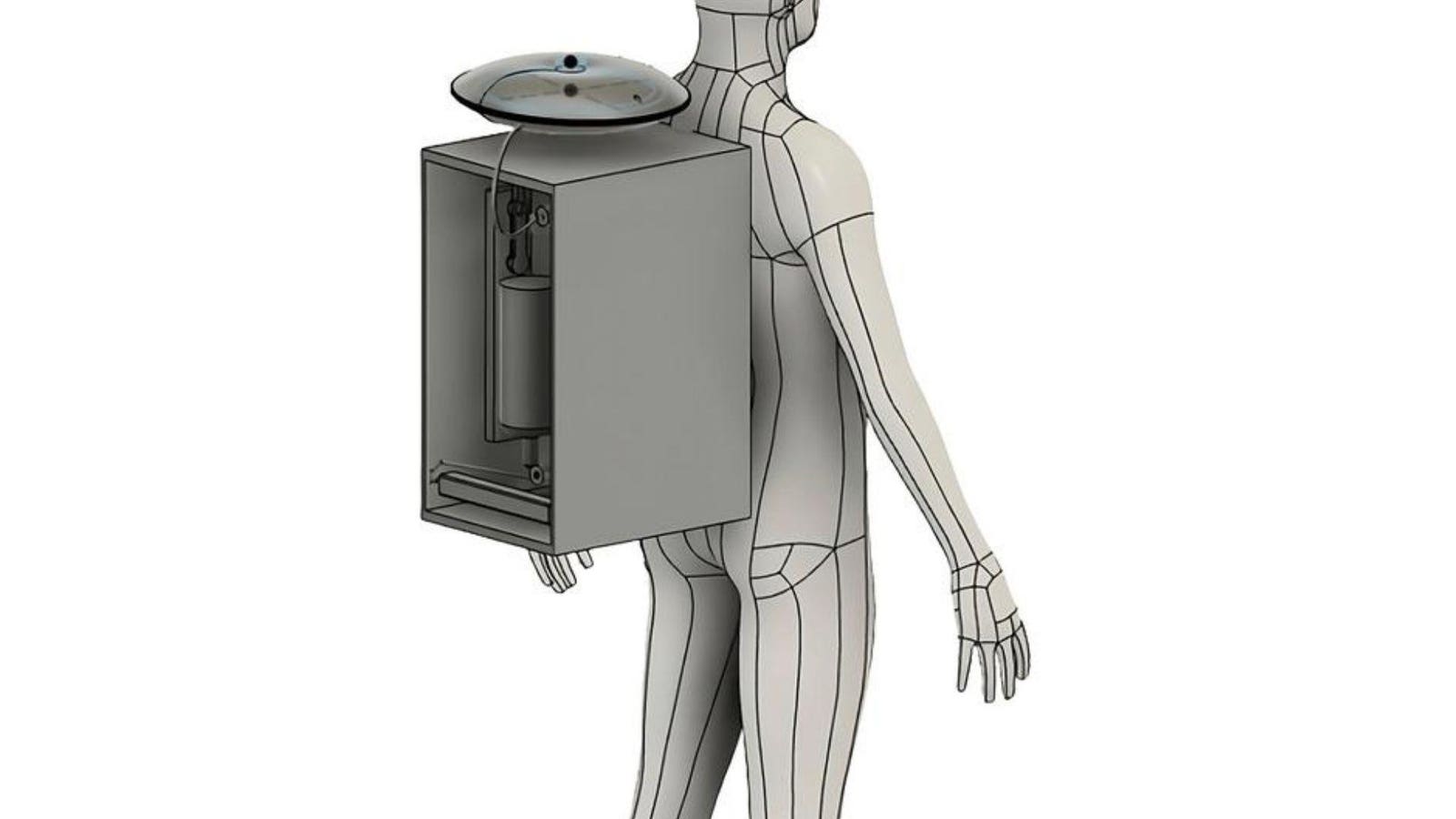
Researchers from Cornell University have developed a new "stillsuit" inspired by the Dune movies, designed to recycle urine into drinkable water for astronauts during spacewalks. This innovation aims to replace the current use of diapers, known as maximum absorbency garments (MAGs), which do not recycle waste and have caused health issues. The new suit features a urine collection and filtration system that is 86% efficient, providing a more hygienic and sustainable solution for long-duration space missions, including NASA's upcoming Artemis missions to the moon.
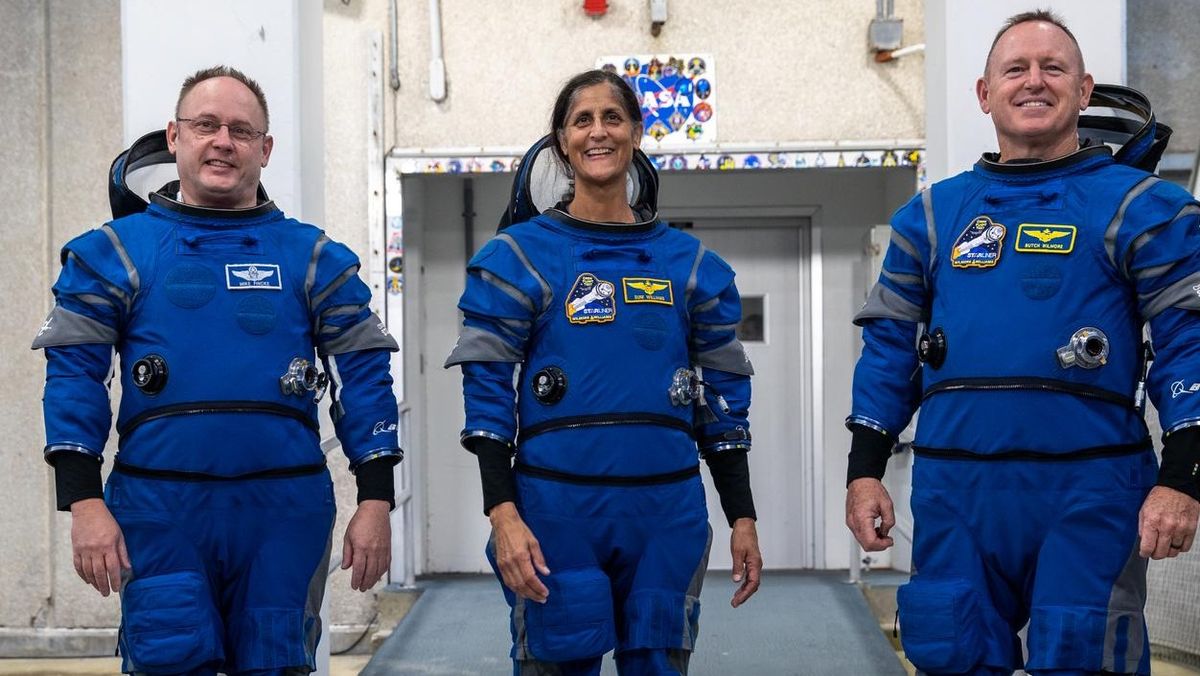
Boeing's Starliner spacesuits, designed for use inside the spacecraft, have impressed NASA astronauts with their flexibility and comfort. The suits, which are lighter and more flexible than previous designs, feature touchscreen-sensitive gloves and a wrap-around glass helmet. The upcoming Crew Flight Test (CFT) will see NASA astronauts Butch Wilmore and Suni Williams evaluate the performance of the Starliner and its spacesuits during a 10-day mission to the International Space Station. The suits, available in five sizes, are tailored for comfort and safety, with integrated boots developed with San Antonio Shoemakers. Boeing's ongoing efforts to improve spacesuit design reflect a broader trend in the development of suits for future space missions.
Bethesda's latest beta update for Starfield, version 1.10.30, fixes various quality-of-life issues but also removes a method that allowed players to obtain the Mark 1 Spacesuit early by bypassing a Master lock in the Lodge Basement. This change has disappointed some players who enjoyed the sneaky method, while others see it as a positive change. Bethesda has promised regular updates for the game, with the possibility of more fan-favorite techniques being removed in the future.
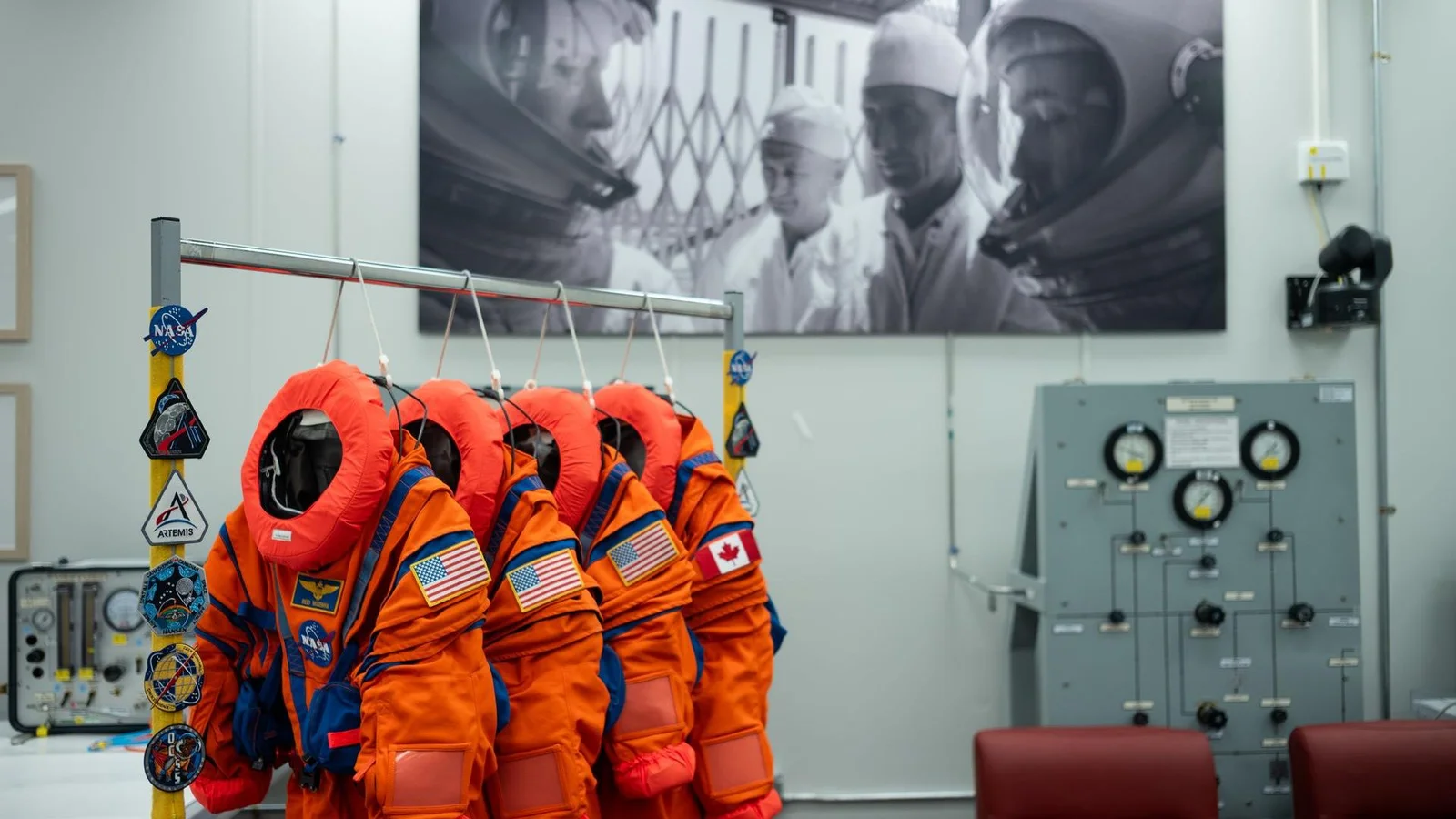
Collins Aerospace is developing a next-generation spacesuit for International Space Station (ISS) spacewalks, aiming to replace the current extravehicular mobility units (EMUs). The company's chief test astronaut, retired NASA astronaut John "Danny" Olivas, discussed the development and testing of the new suit, which is also being considered for moon exploration as part of NASA's Artemis program. The suit is designed to be lighter, more flexible, and intuitive for astronauts, with features such as increased mobility and improved safety. Olivas emphasized the importance of his past spacewalking experience in contributing to the development of the new spacesuit.
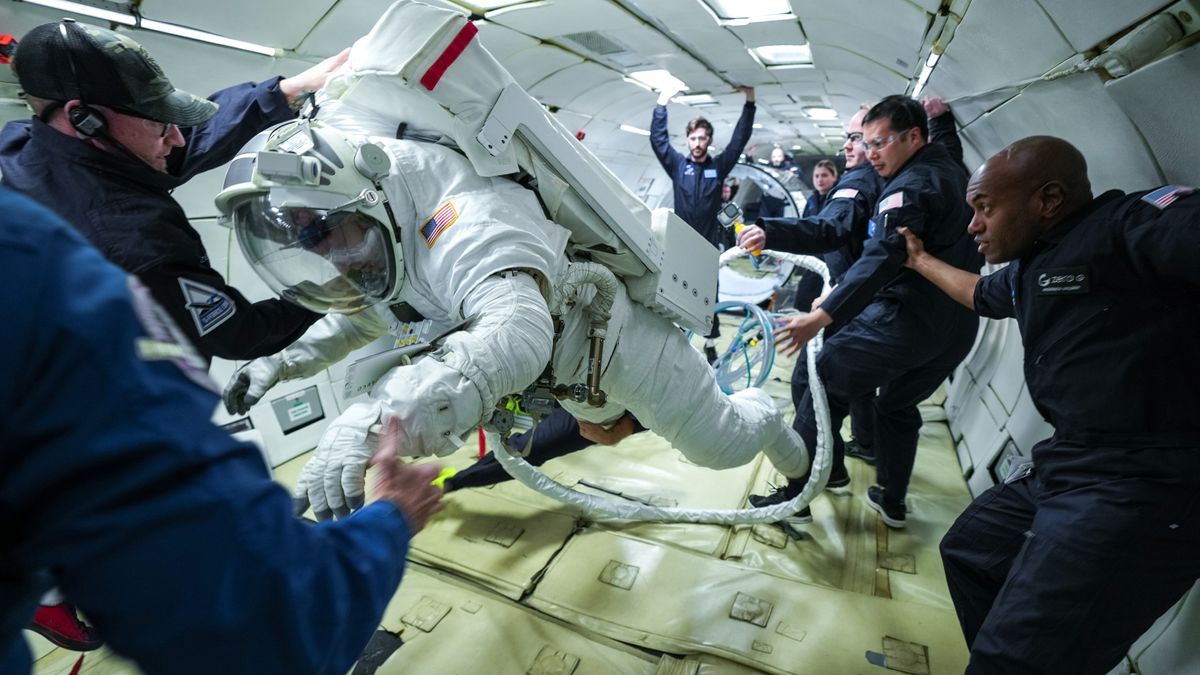
Collins Aerospace's new spacesuit, designed for use outside the International Space Station, passed a microgravity test aboard a commercial flight, marking a milestone towards critical design review. The suit is lighter and more adaptable than current NASA suits, and upcoming tests will assess its performance in a vacuum chamber and under simulated microgravity conditions.
NASA's current batch of ISS spacesuits, in service for over four decades, are being replaced by a new generation spacesuit developed by Collins Aerospace, ILC Dover, and Oceaneering under the xEVAS contract. The recent zero-gravity test, known as the Crew Capability Assessment, involved the suit's use in a simulated space environment on Earth, marking a significant milestone. The updated suits aim to address issues with the current Extravehicular Mobility Units (EMUs), such as water leakage and limited mobility, and are designed to meet the diverse needs of space explorers. Collins Aerospace plans additional evaluations, including an underwater test and a thermal vacuum test, to ensure the suit's functionality in various space-like conditions.
NASA is funding the development of a new moon spacesuit fabric called LiqMEST (Liquid Metal Electrostatic Protective Textile) that aims to repel lunar dust and prevent it from damaging spacesuits. The fabric, being developed at Hawai'i Pacific University, uses electrostatic forces to keep the corrosive moon dust away. This technology is crucial for NASA's Artemis program, which plans to land astronauts on the moon in the 2020s. The fabric is expected to provide flexibility and protection in rugged conditions, and if successful, it could be used for spacesuits and fabric covers for lunar equipment during moon missions.
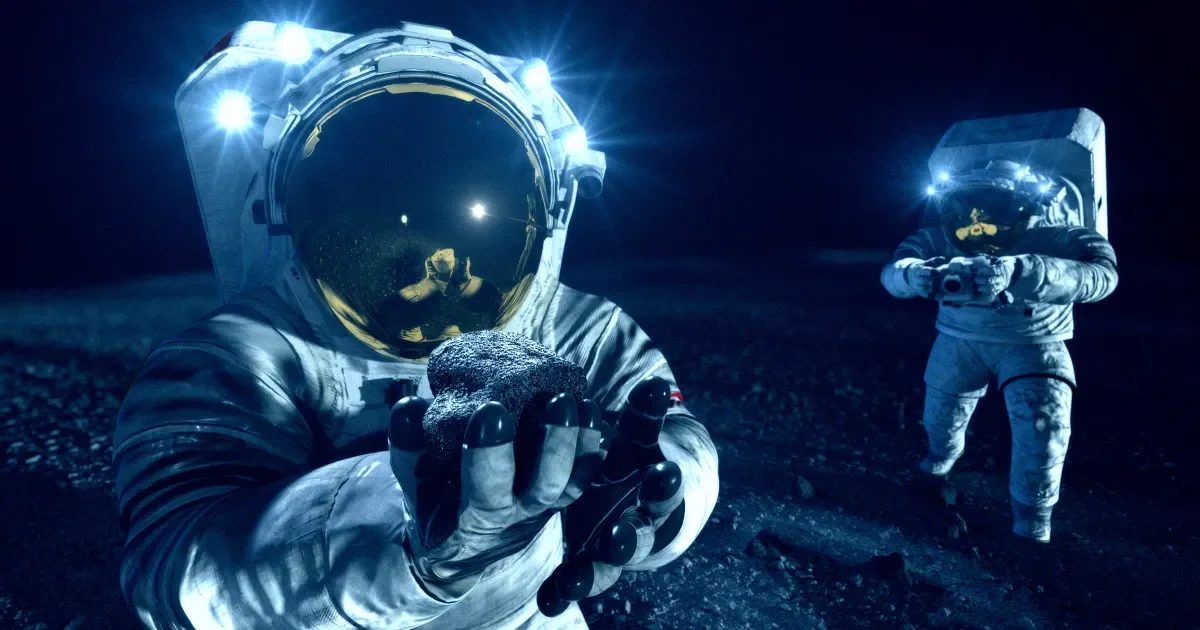
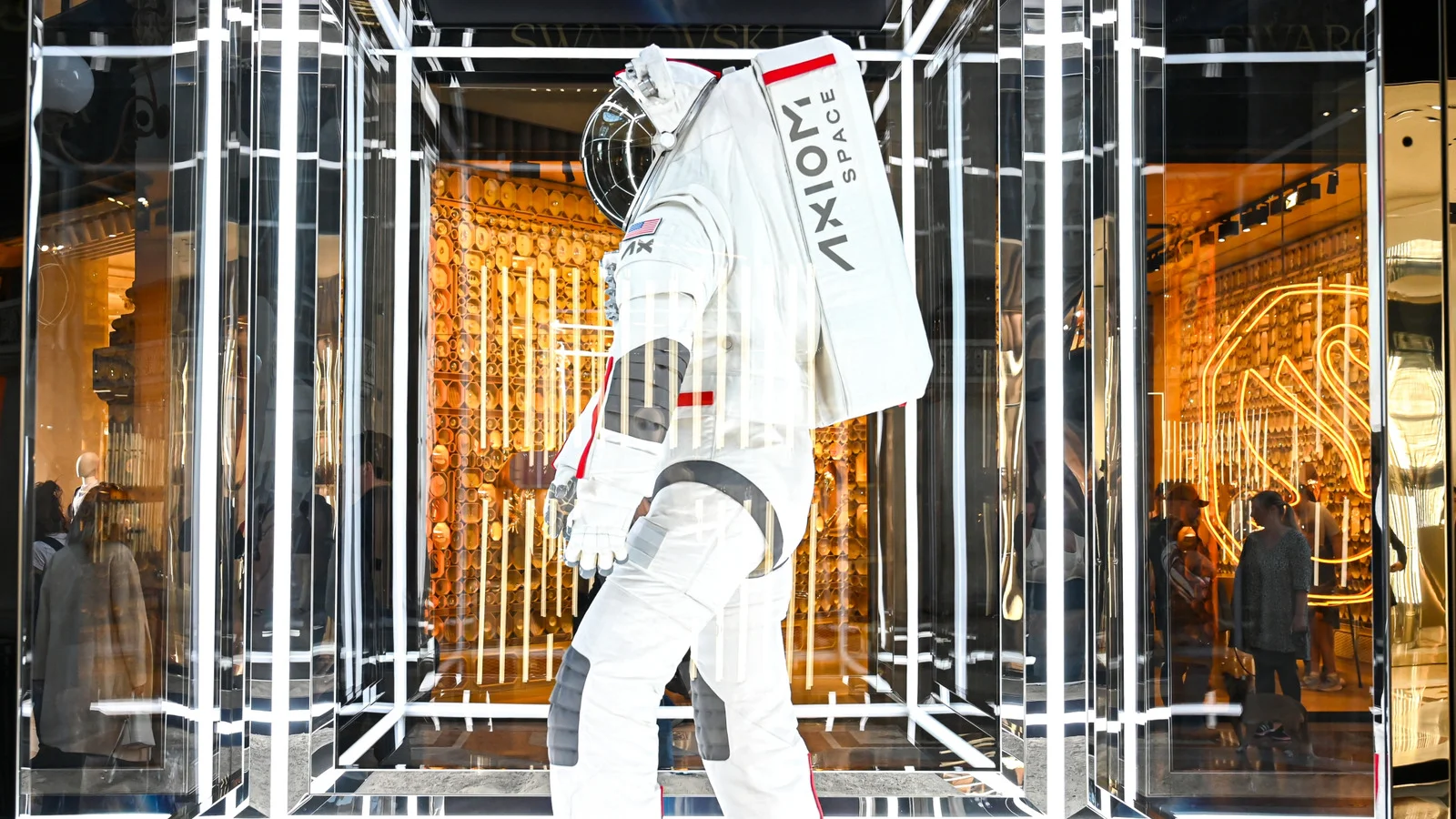
Luxury fashion brand Prada is partnering with Axiom Space to design NASA's new spacesuits for the Artemis III lunar mission in 2025. The collaboration aims to create stylish and technologically advanced spacesuits that provide comfort and protection for astronauts exploring the moon. The new AxEMU suits will feature specialized tools and design elements to enhance space exploration and scientific research. This partnership comes after NASA revealed the high cost of spacesuits and its decision to work with Axiom Space to develop the latest suits.
Italian luxury fashion house Prada has partnered with Axiom Space to design and develop NASA's next-generation lunar spacesuits for the upcoming 2025 Artemis III Moon mission. Prada's engineers will work alongside Axiom's Space Systems team to create the Axiom Extravehicular Mobility Unit (AxEMU) spacesuit, which aims to provide increased flexibility and greater protection for astronauts in the harsh lunar environment. This collaboration marks a significant milestone in space exploration and opens a new frontier for luxury fashion brands.
Axiom Space has partnered with luxury brand Prada to design spacesuits for NASA's upcoming lunar mission, Artemis 3, scheduled for 2025. Prada's technical expertise will bring comfort and innovative design concepts to the spacesuits, ensuring the astronauts' well-being on the lunar surface. Engineers from Prada will collaborate with Axiom Space to develop materials and design features that protect against the unique challenges of space and the lunar environment. Axiom Space previously unveiled the AxEMU spacesuit prototype, which offers improved mobility and protection. The partnership aims to combine fashion and functionality for the next generation of spacesuits.