Axiom Space has appointed Dr. Jonathan Cirtain as its new CEO and President to lead the company's development of space infrastructure and innovation in human spaceflight technologies, building on its mission to create a commercial space station and expand humanity's presence in space.
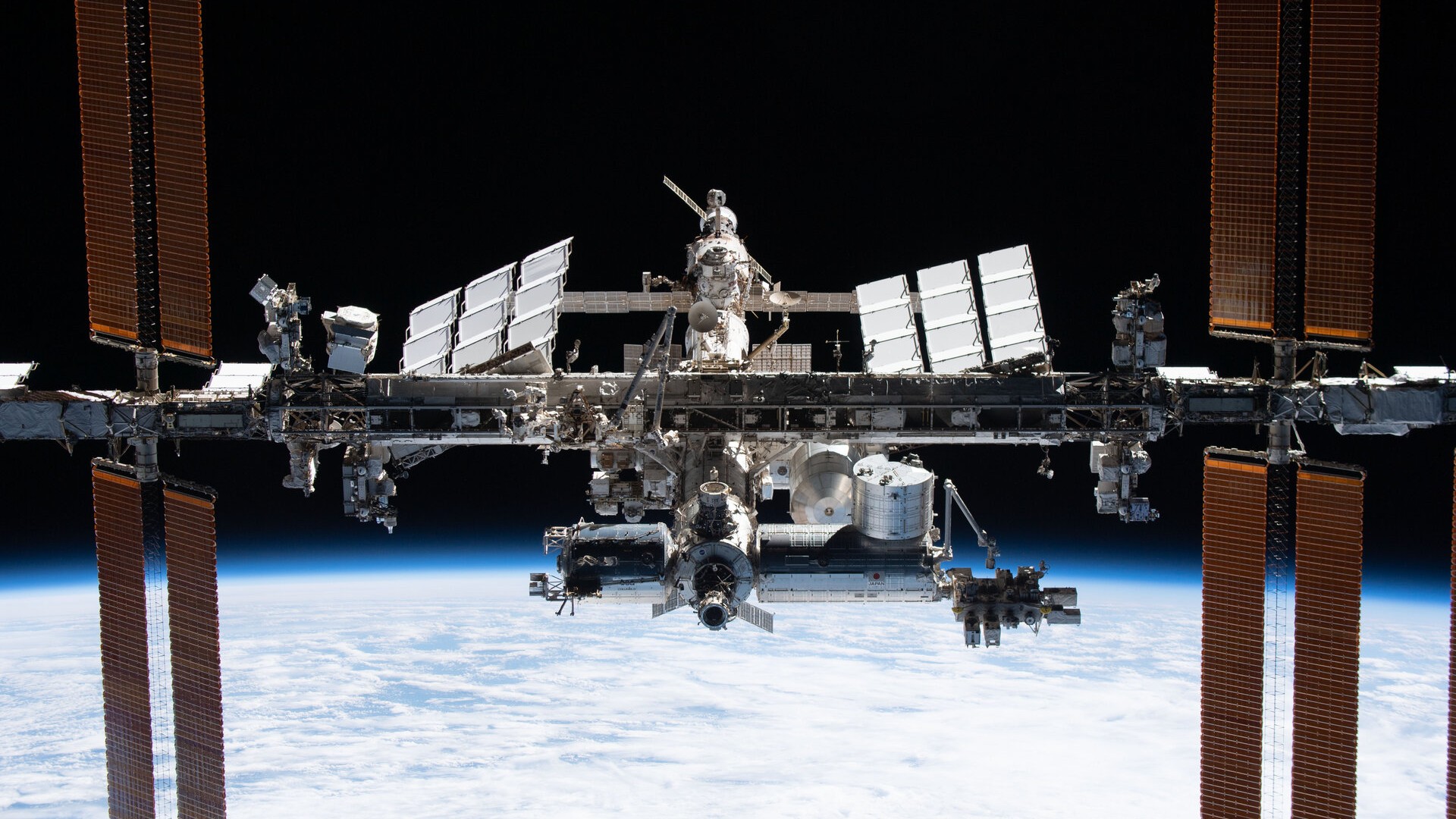
NASA plans to deorbit the ISS in 2030 without a direct replacement, but is fostering private sector involvement through programs like Axiom Space, which aims to build a new commercial space station, potentially ensuring continued human presence in low Earth orbit beyond the ISS's retirement.
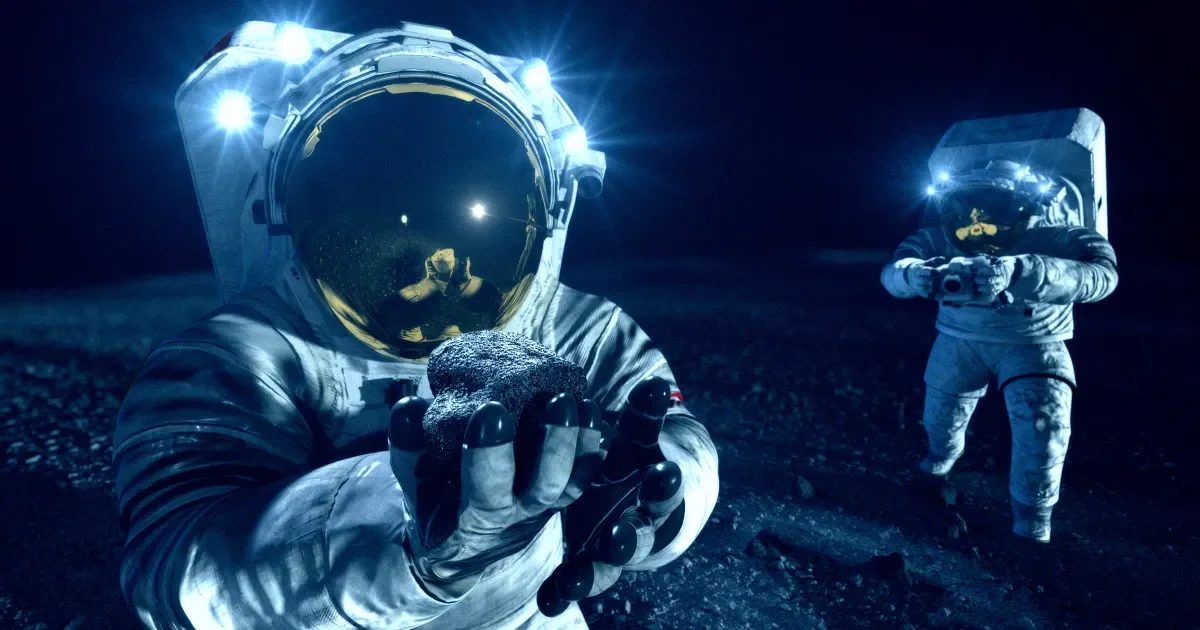
Astronauts on NASA's Artemis III moon mission will wear advanced visors developed by Oakley, featuring 24K gold coatings to protect against harsh lunar sunlight and dust, ensuring maximum visibility and safety during lunar exploration, scheduled for 2027.
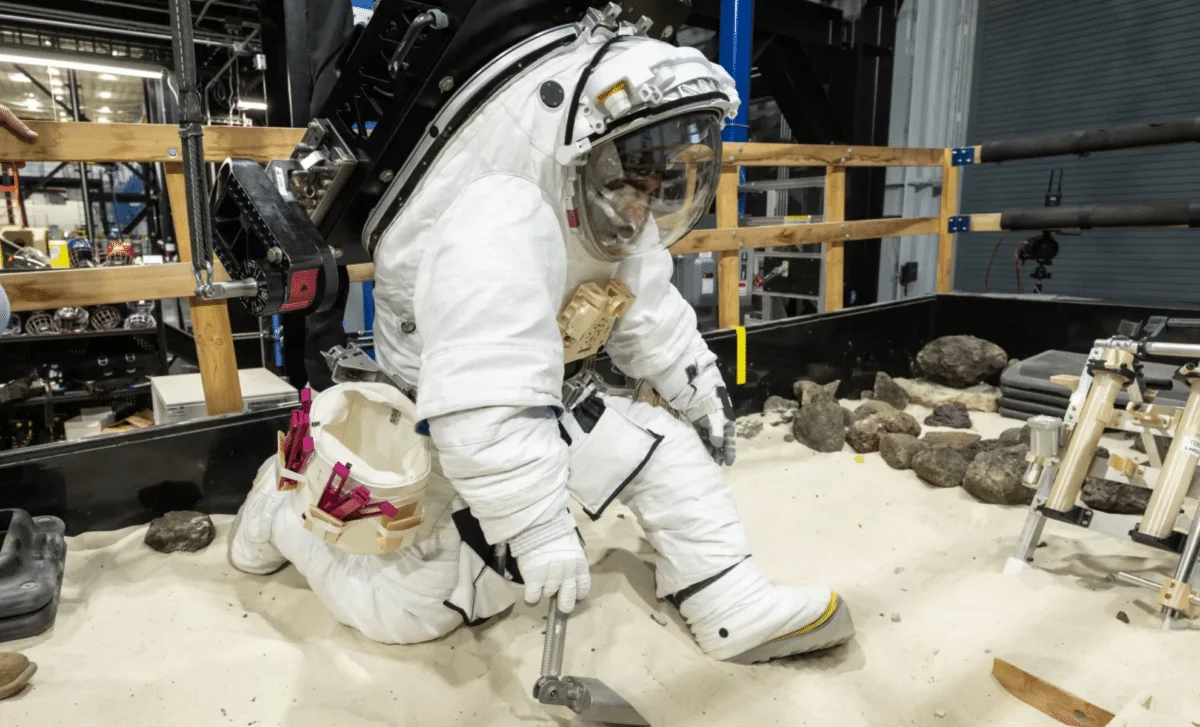
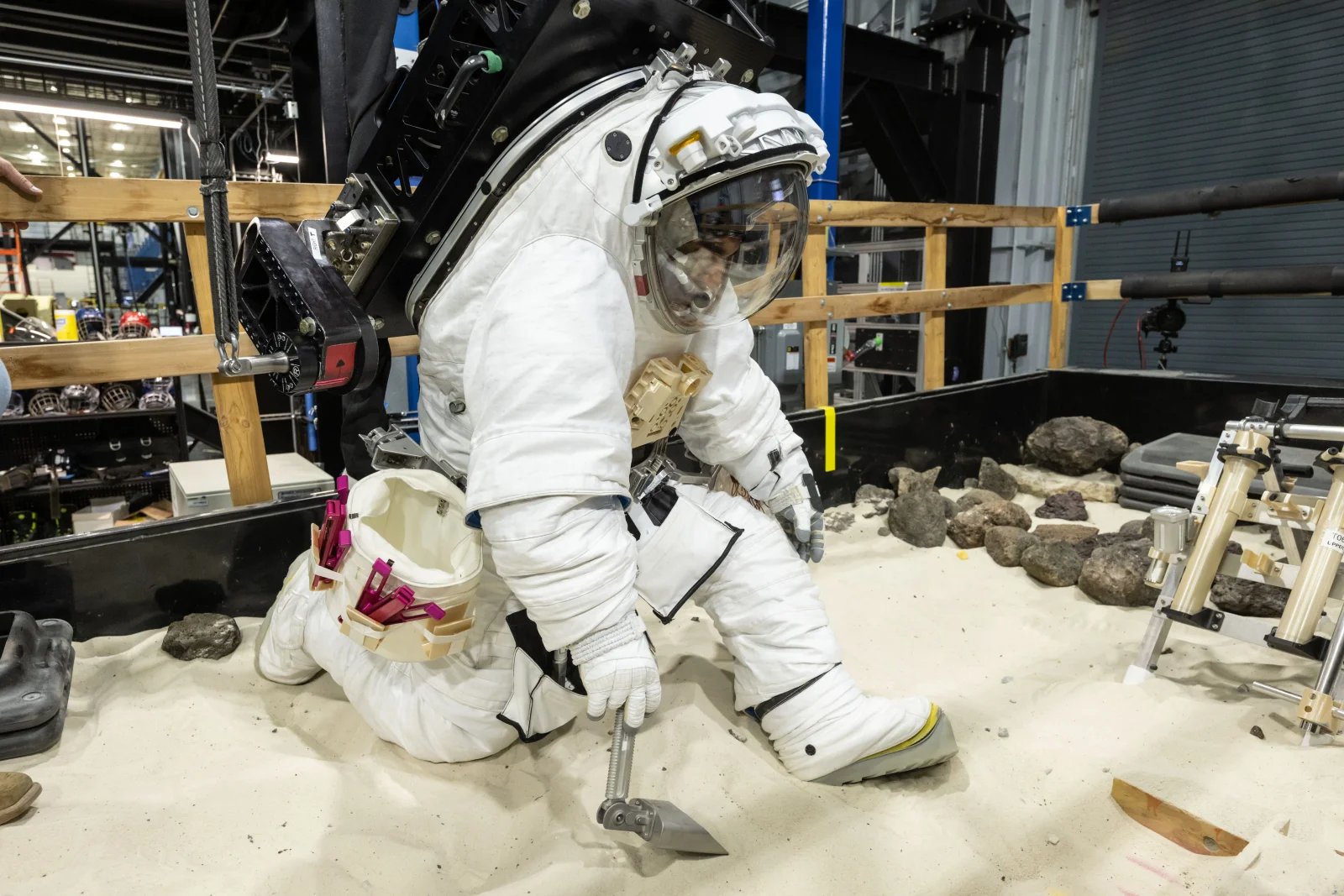
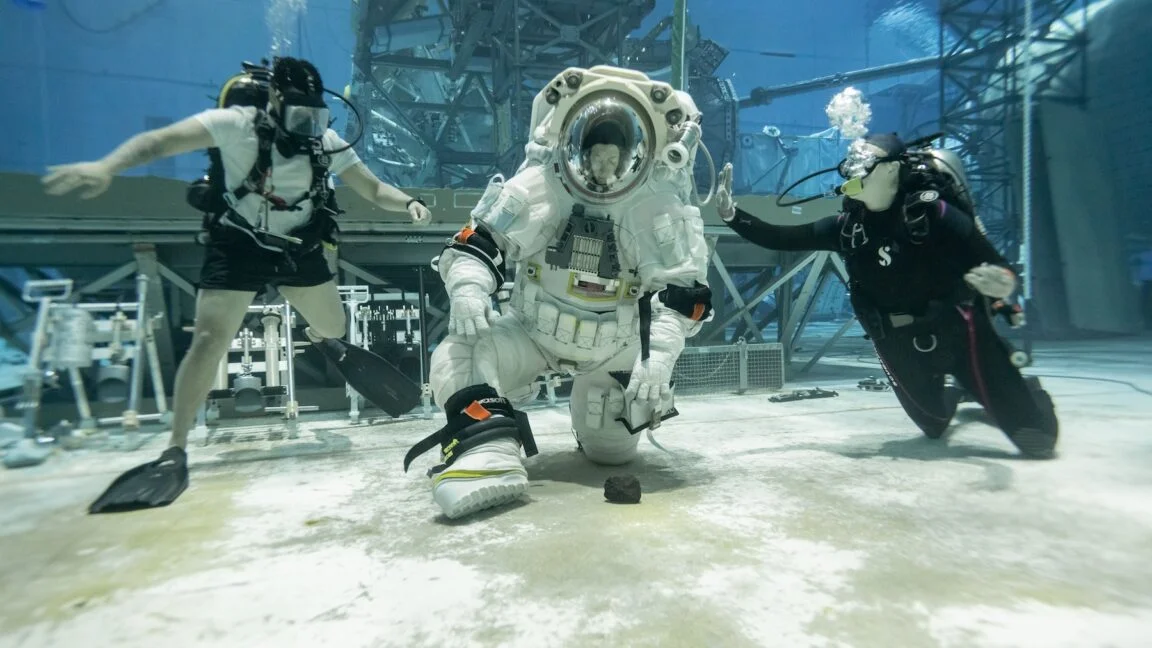
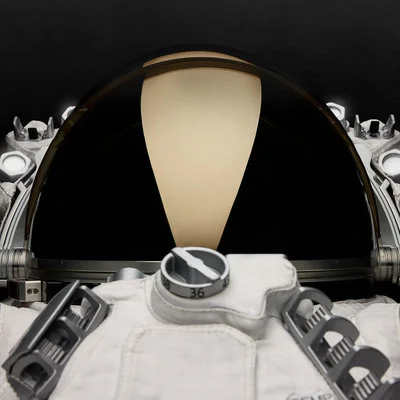
Axiom Space has partnered with Oakley to develop a visor system for its AxEMU spacesuit, designed for lunar exploration during the Artemis 3 mission, featuring advanced optics, gold coatings for UV protection, and dust mitigation, marking a significant innovation in spacesuit technology.
Axiom Space is developing a new generation of spacesuits that better accommodate women, addressing previous limitations and promoting gender inclusivity in space exploration, with potential use in upcoming missions like Artemis III.
Shubhanshu Shukla becomes the first Indian to set foot on the International Space Station during the Axiom-4 mission, a collaborative effort involving NASA, ISRO, ESA, and SpaceX, marking a significant milestone in India's space exploration ambitions.
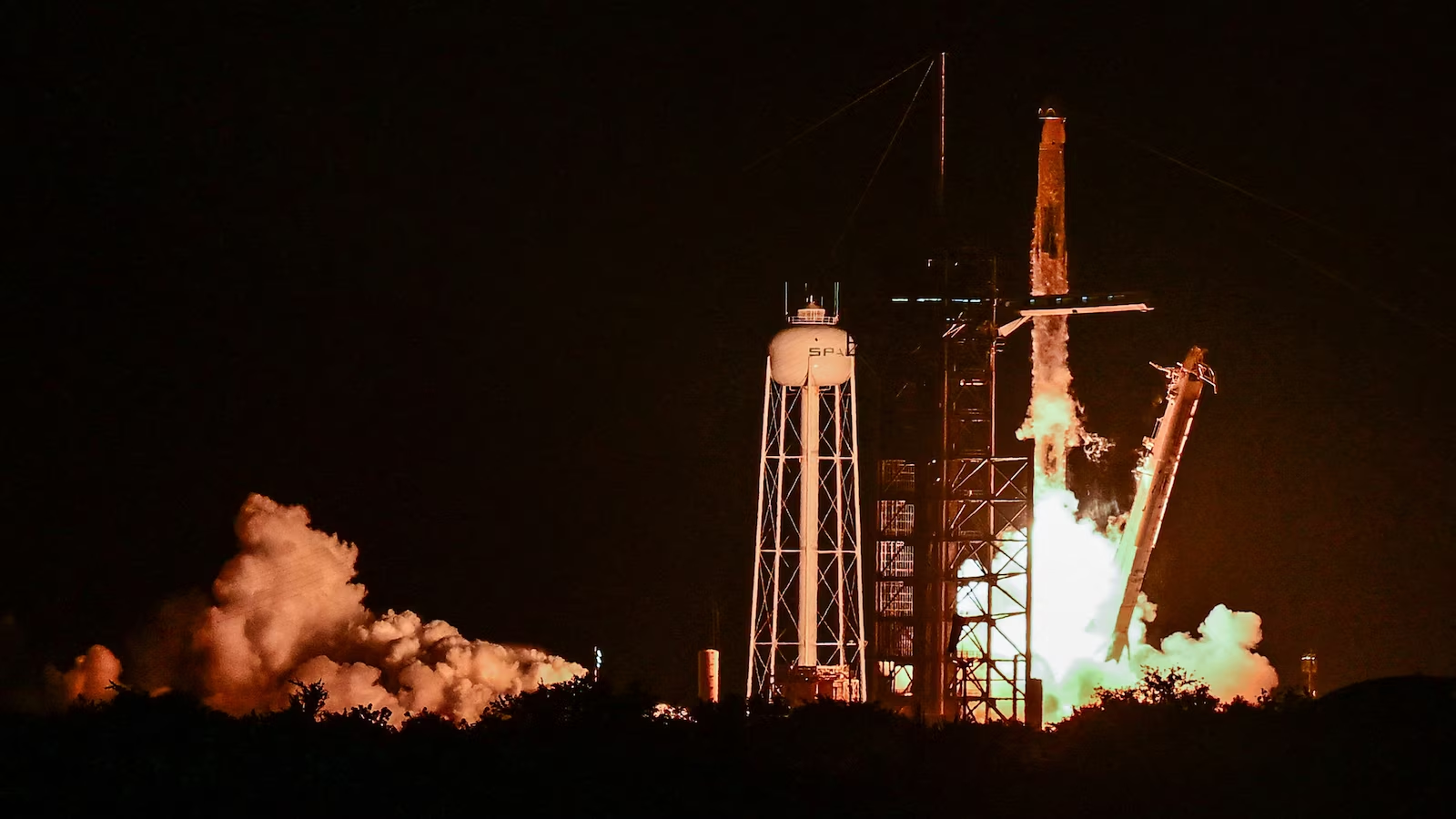
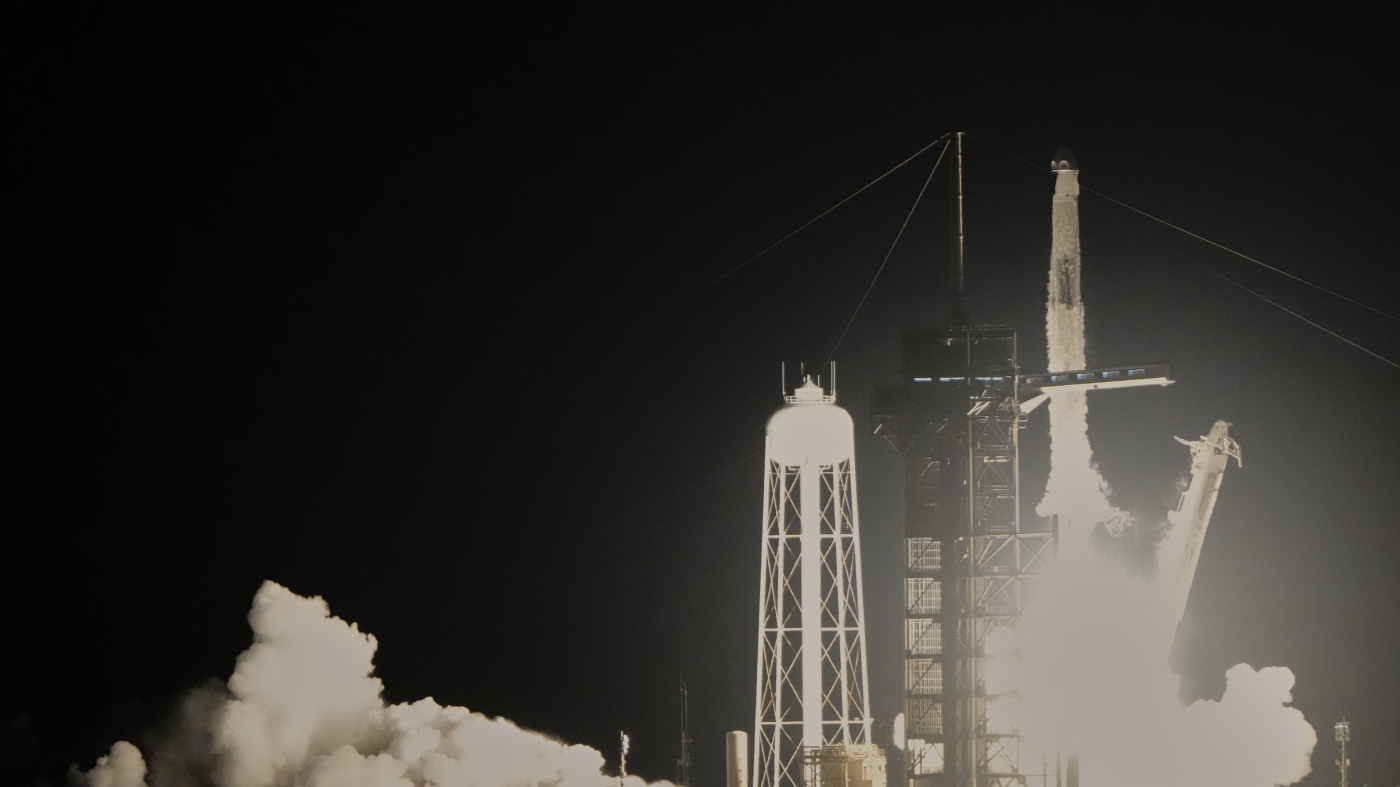
Axiom Space's four private astronauts successfully launched to the ISS aboard a SpaceX Dragon, marking a milestone in commercial spaceflight and advancing plans for the future Axiom Station, with international crew members from India, Poland, and Hungary participating for the first time in over 40 years.
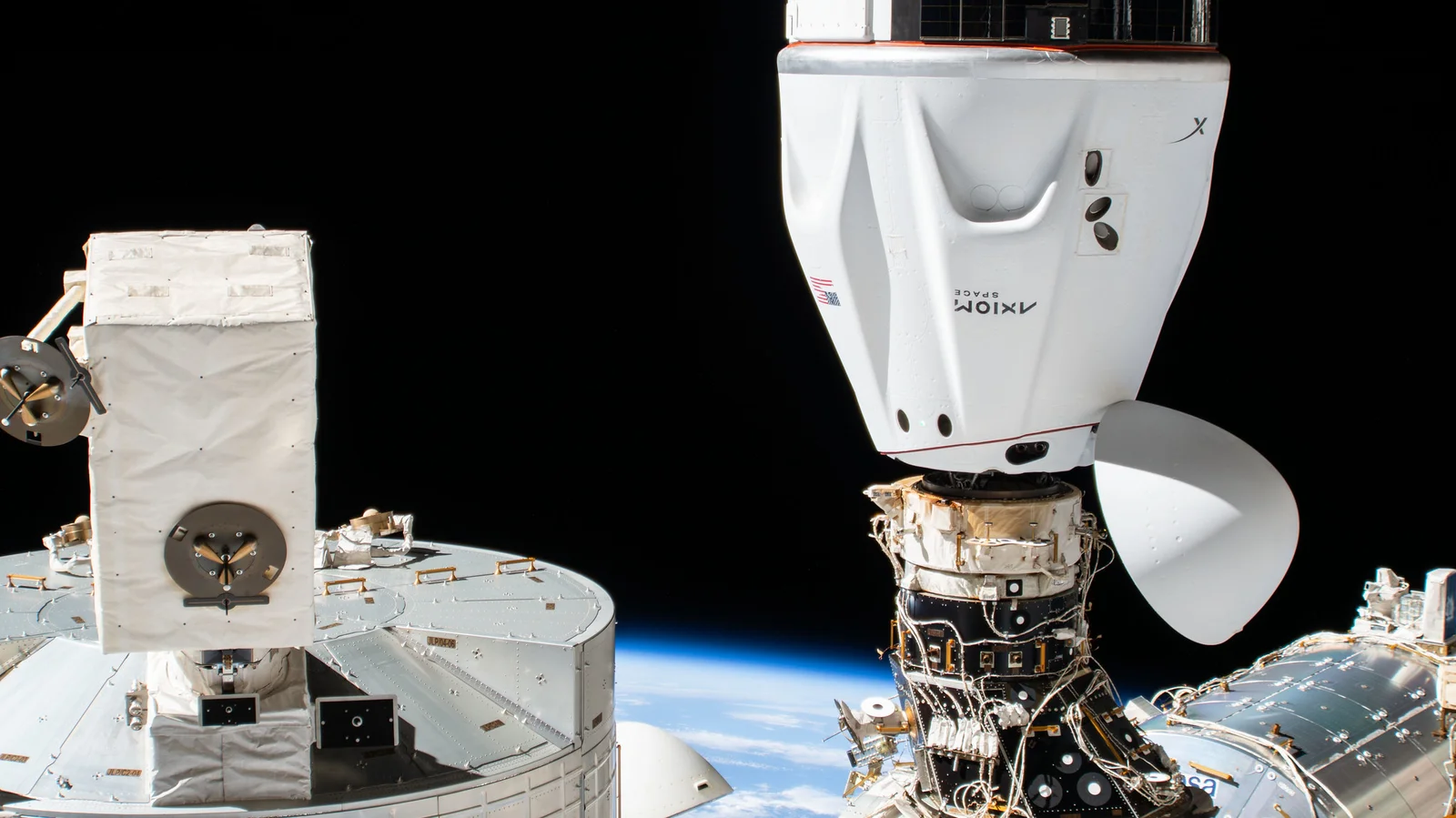
SpaceX successfully launched four astronauts on the Ax-4 mission to the International Space Station, marking the fourth private spaceflight by Axiom Space. The crew includes veteran NASA astronaut Peggy Whitson, Indian astronaut Shubhanshu Shukla, and astronauts from Poland and Hungary, returning their countries to human spaceflight after over 40 years. The mission faced delays due to weather and technical issues but proceeded with a new SpaceX Dragon spacecraft, which will remain docked at the ISS for a two-week research mission.
India celebrates its first astronaut in 41 years, Shubhanshu Shukla, who launched aboard Axiom Space's Ax-4 mission to the International Space Station, marking a significant milestone in India's space endeavors and international collaboration in space exploration.
Four astronauts, including retired NASA astronaut Peggy Whitson and representatives from India, Poland, and Hungary, are launching on a private mission to the ISS organized by Axiom Space and SpaceX, marking the first time astronauts from these countries will live and work on the station. The mission, Ax-4, will last about two weeks and include scientific experiments, with a launch delayed by weather but now scheduled for Wednesday from Kennedy Space Center.
Axiom Space offers private space tickets costing around $70 million, which include extensive astronaut training and a two-week mission to the International Space Station, positioning itself as a premium option in the growing commercial space industry and emphasizing the cost-effectiveness of space travel compared to national space programs.
Axiom Space is preparing for its fourth mission to the ISS, marking a milestone as its first break-even mission and a significant step for national space programs from India, Poland, and Hungary, highlighting the growing role of commercial companies in space exploration.
NASA's aging spacesuits, dating back to the 1980s, are increasingly problematic, with recent incidents forcing the cancellation of spacewalks due to safety concerns. The agency is under pressure to update its extravehicular mobility units, having contracted private companies to develop new suits. However, progress is hindered by financial issues at Axiom Space, the remaining contractor after Collins Aerospace withdrew. The situation underscores broader concerns about the aging International Space Station's infrastructure.
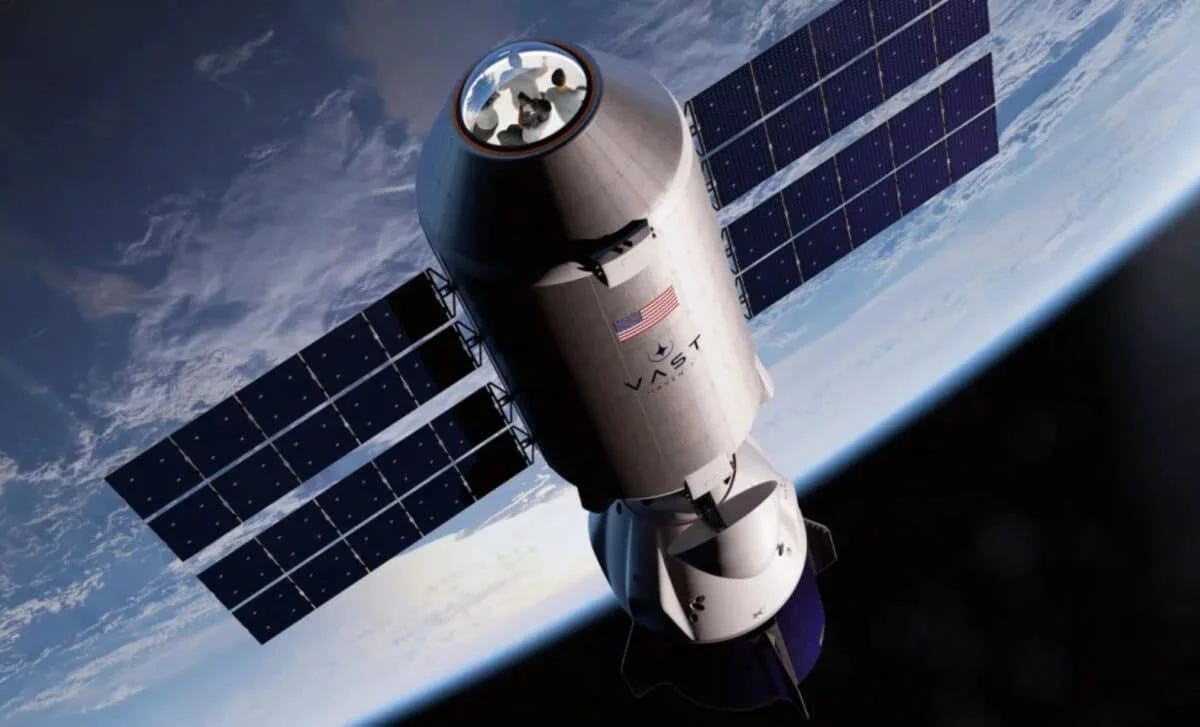
Sierra Space conducted an ultimate burst pressure test on its Large Integrated Flexible Environment (LIFE) habitat, which is designed to be launched encapsulated within any four-meter fairing, docked to a space station in orbit, and then inflated to a 9-meter by 16-meter structure. The test reached 77 pounds per square inch (psi) before bursting, exceeding NASA’s recommended level of 60.8 psi. Sierra Space plans to repeat the test for consistency and aims to have the LIFE habitats in operation by the end of the decade. Other commercial space station projects, such as Orbital Reef, Axiom Station, Haven-1, and Starmax, are also making progress in developing their space stations and modules.
The return of Axiom Space’s Ax-3 crew to Earth aboard SpaceX’s Dragon spacecraft created a sonic boom heard across Central Florida as it crossed the state to splash down near Daytona Beach. Sonic booms occur when an object travels faster than the speed of sound, creating a shockwave. The crew experienced speeds of up to 17,500 mph before slowing down for splashdown, requiring extensive training to handle the physical demands.