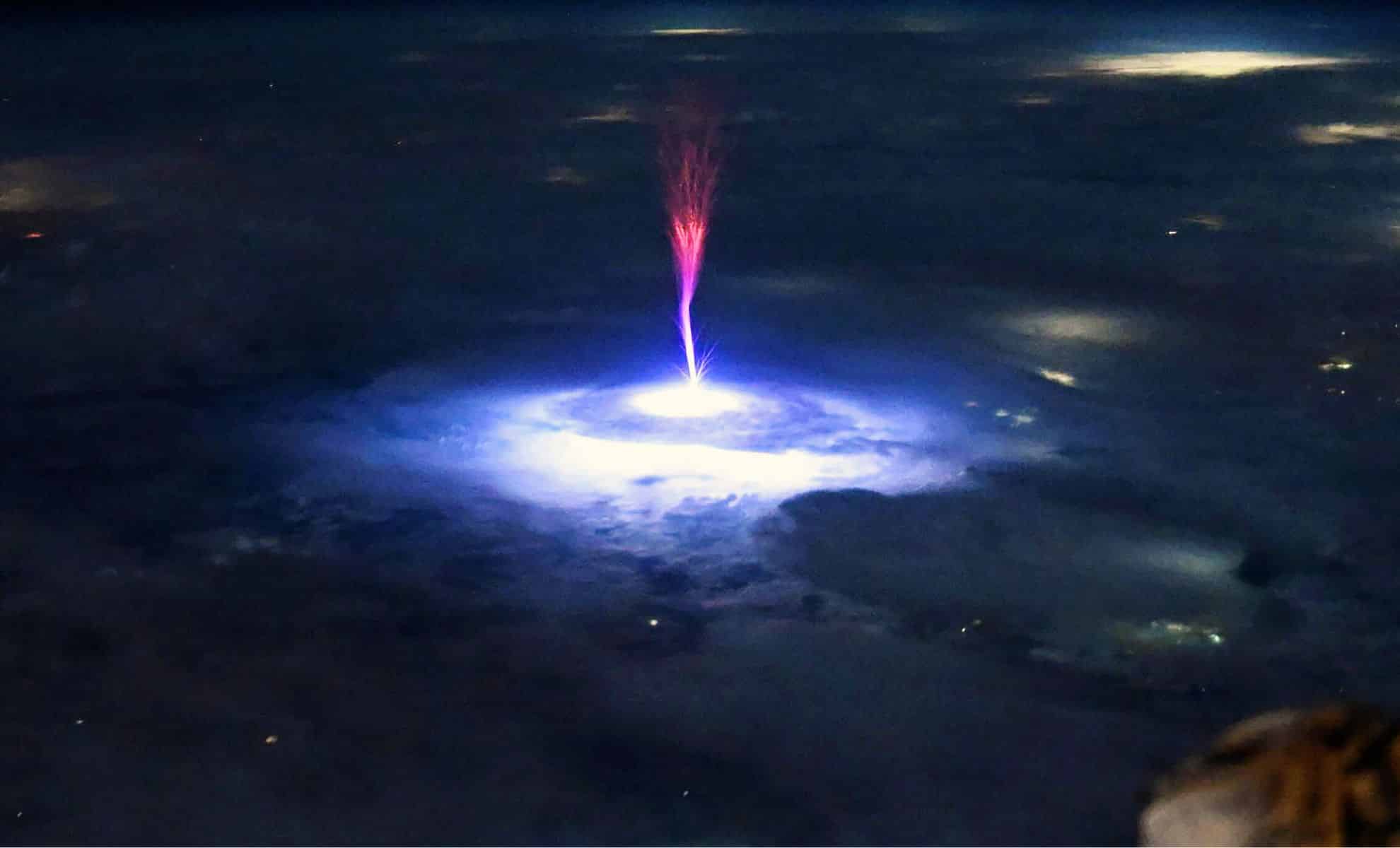
NASA and international researchers are using the International Space Station to capture unprecedented images and data on upper-atmospheric electrical discharges like red sprites, blue jets, and ELVES, which occur above thunderstorms and can impact communication and climate. Instruments like ESA's ASIM, the Light-1 CubeSat, and ultra-high-speed cameras are advancing understanding of these phenomena, their effects on the ionosphere, and their potential risks to aviation and space operations.
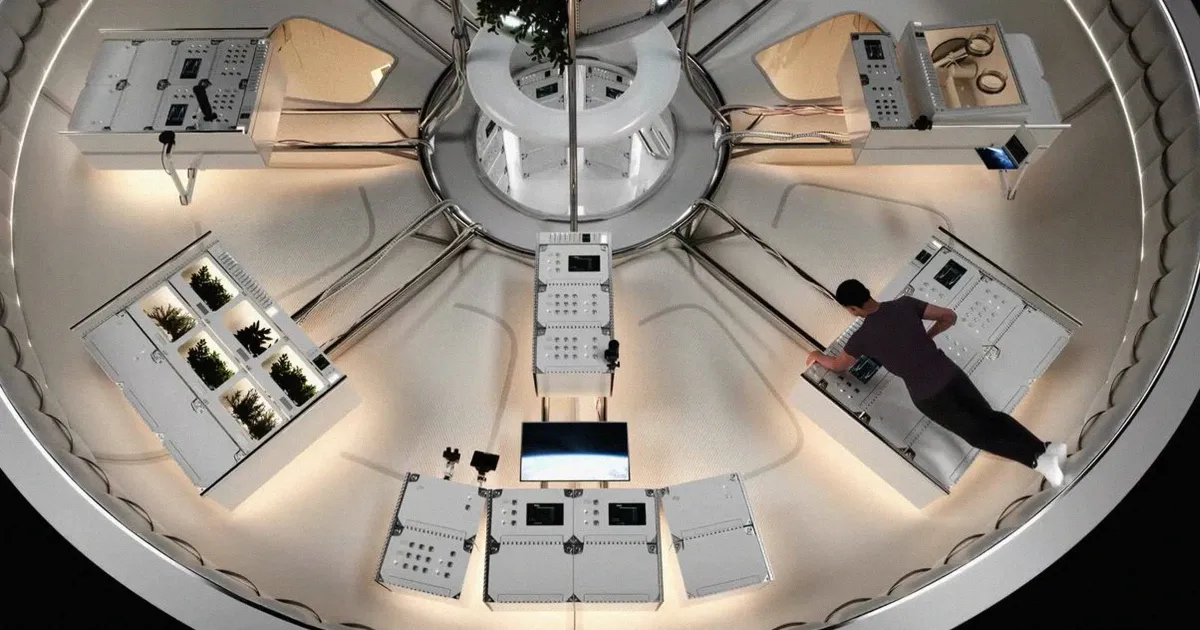
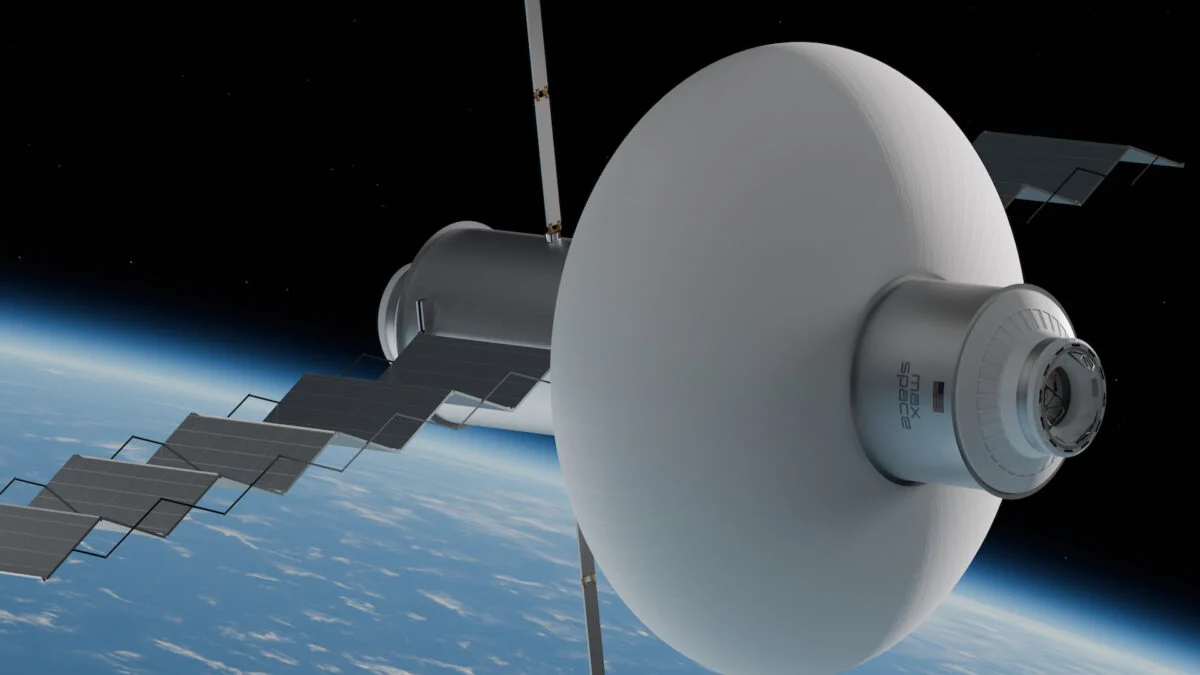
Max Space is developing Thunderbird Station, an inflatable space habitat that can expand to over 12,000 cubic feet with a single launch, aiming for deployment by 2029, offering a potentially more spacious and reconfigurable alternative to traditional space stations, and possibly serving lunar and Mars missions in the future.
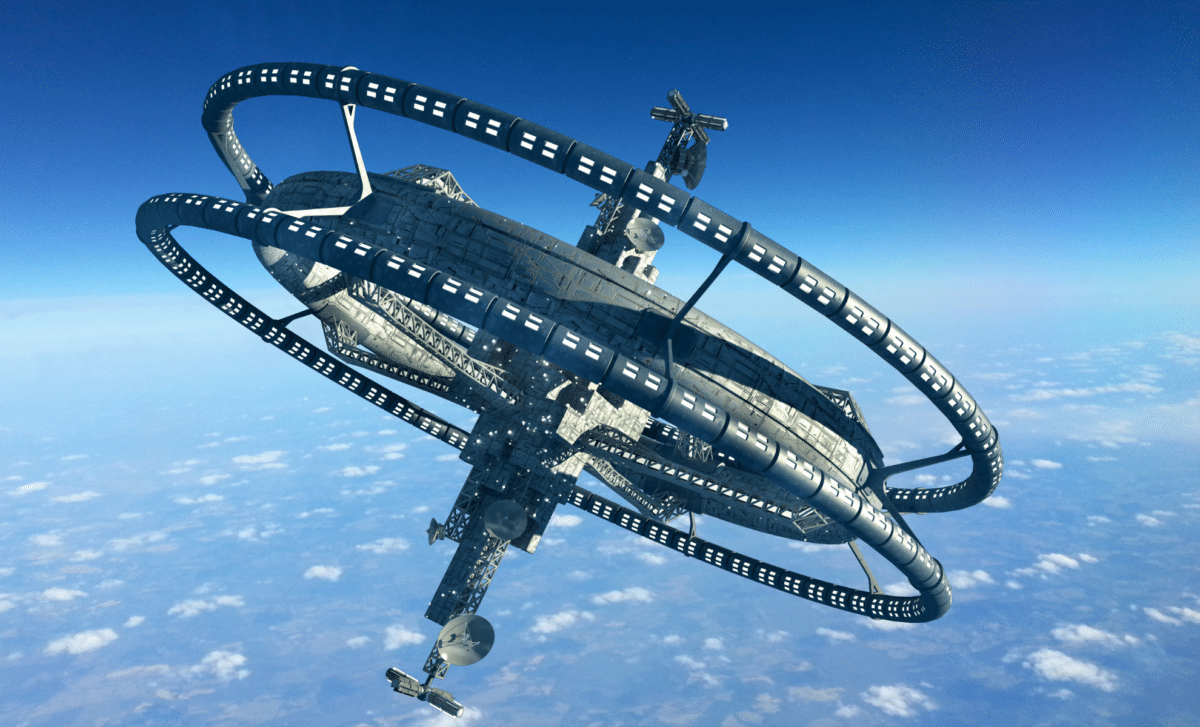
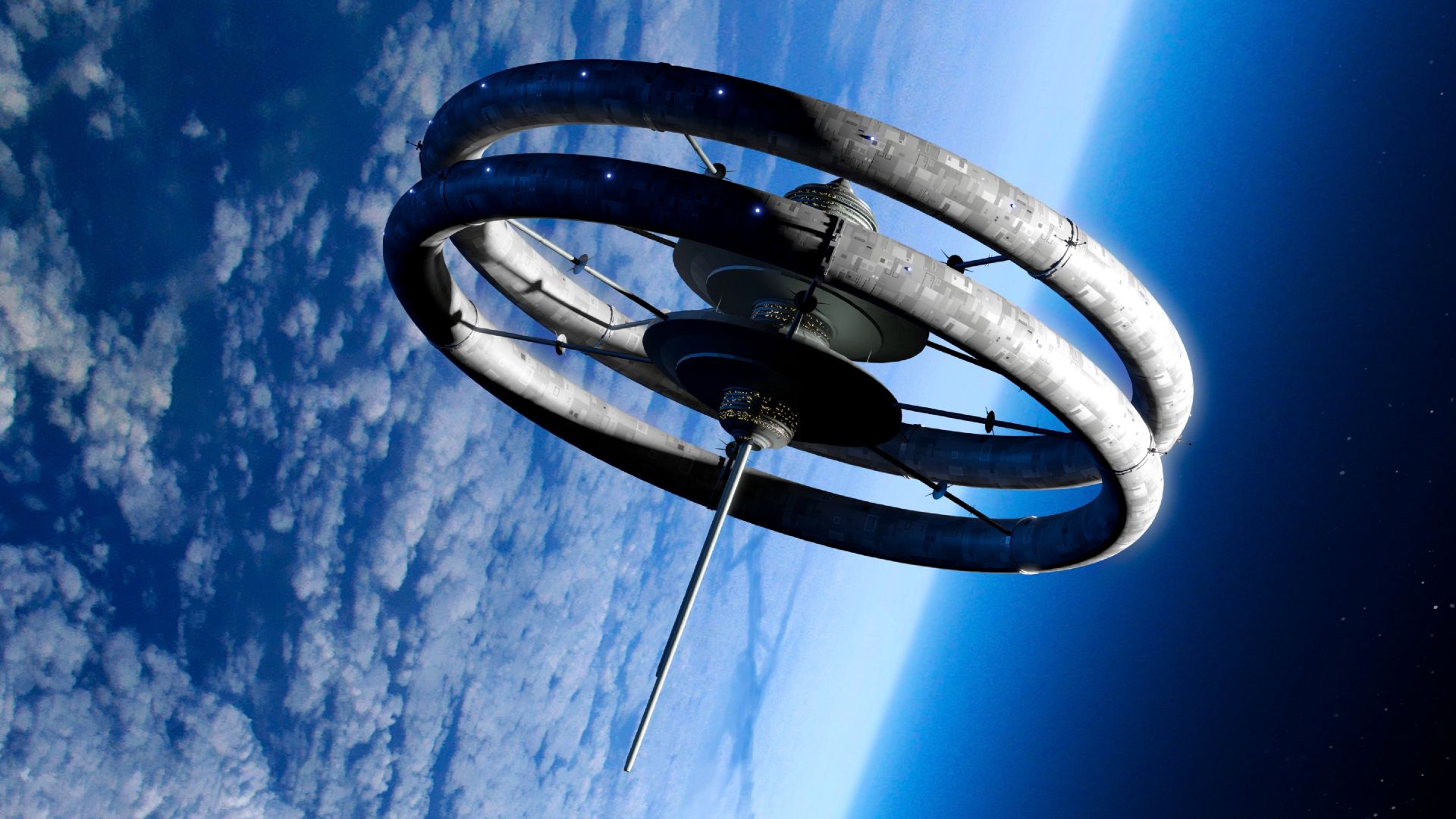
Russia's Energia has patented a space station design that could generate artificial gravity through rotation, potentially improving astronaut health during long missions by mimicking Earth's gravity and addressing microgravity-related health issues, though technical and logistical challenges remain.
Russia's Energia has patented a space station design capable of generating artificial gravity through rotation, potentially benefiting long-term crewed missions by mitigating microgravity effects, although no timeline or resources are specified for development.
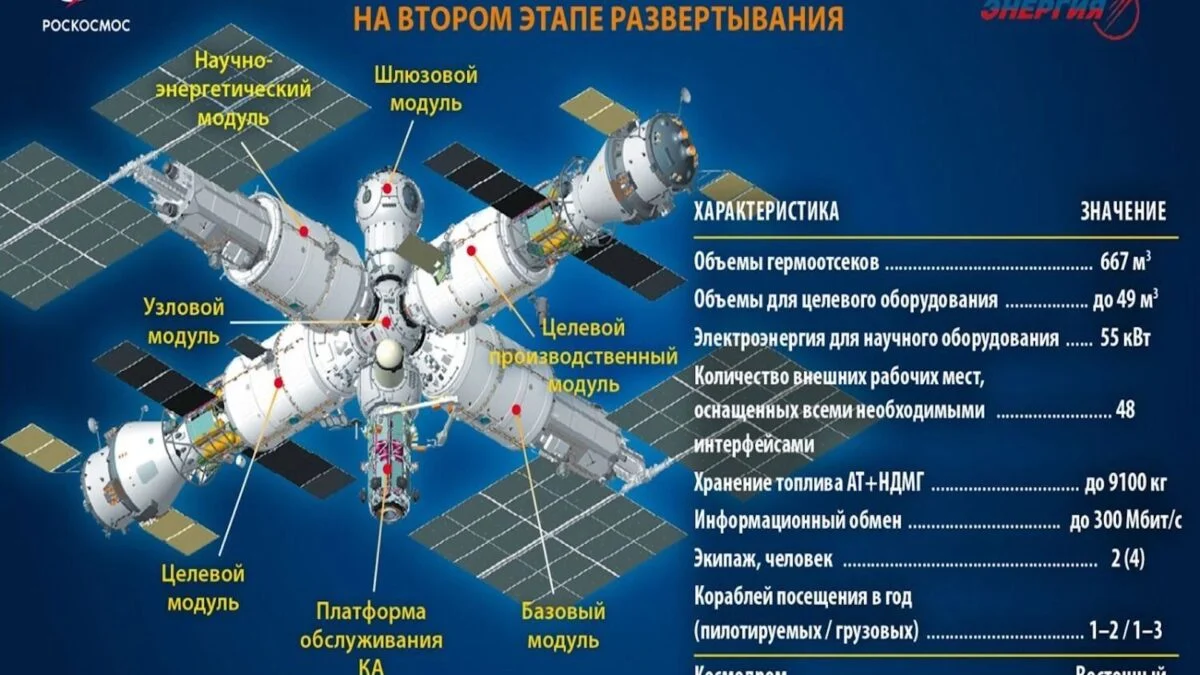
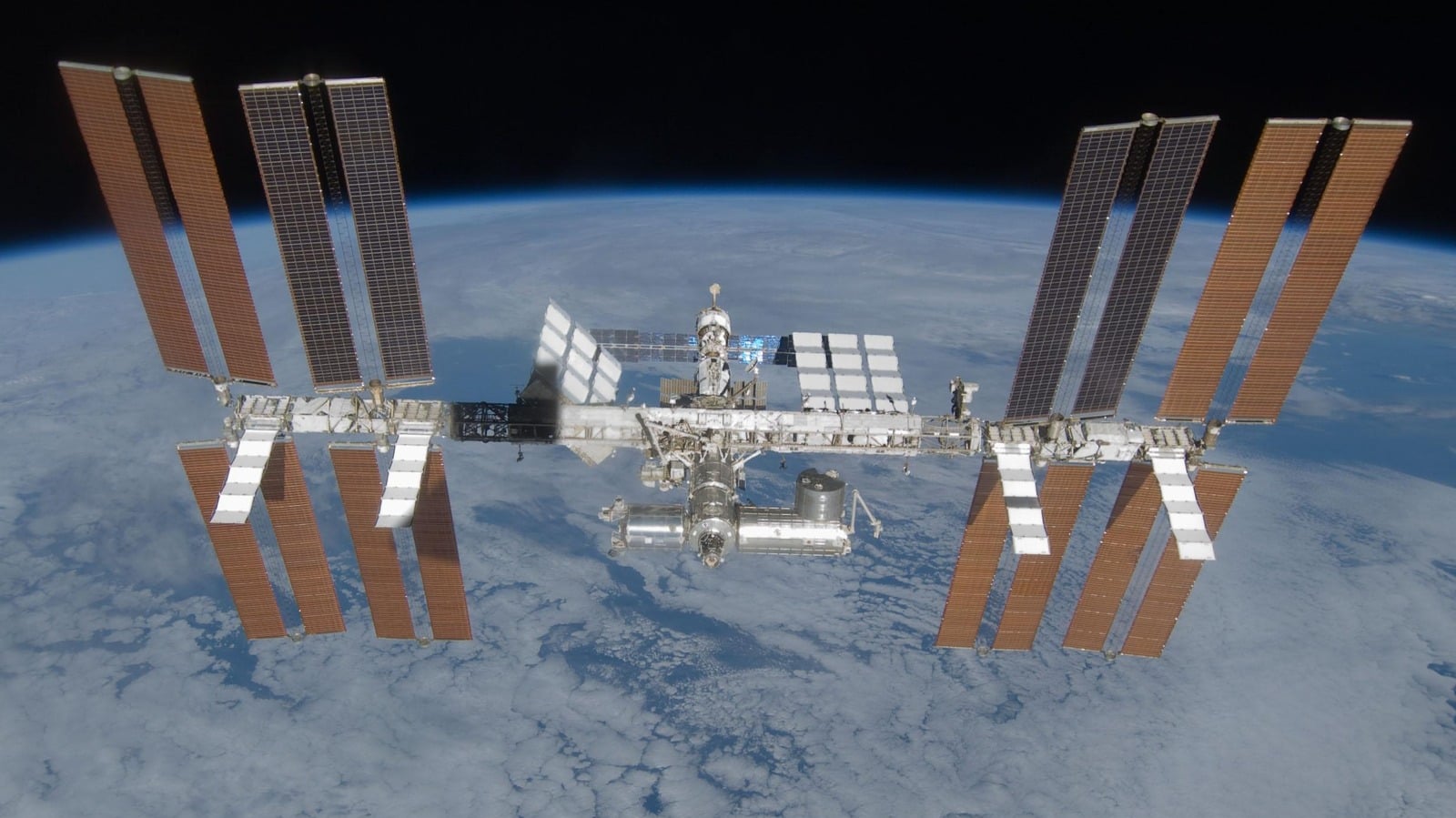
Russia plans to repurpose its existing ISS segments to create a new Russian orbital station called ROSS after the ISS retires around 2030, instead of launching new modules, due to aging hardware and geopolitical tensions.
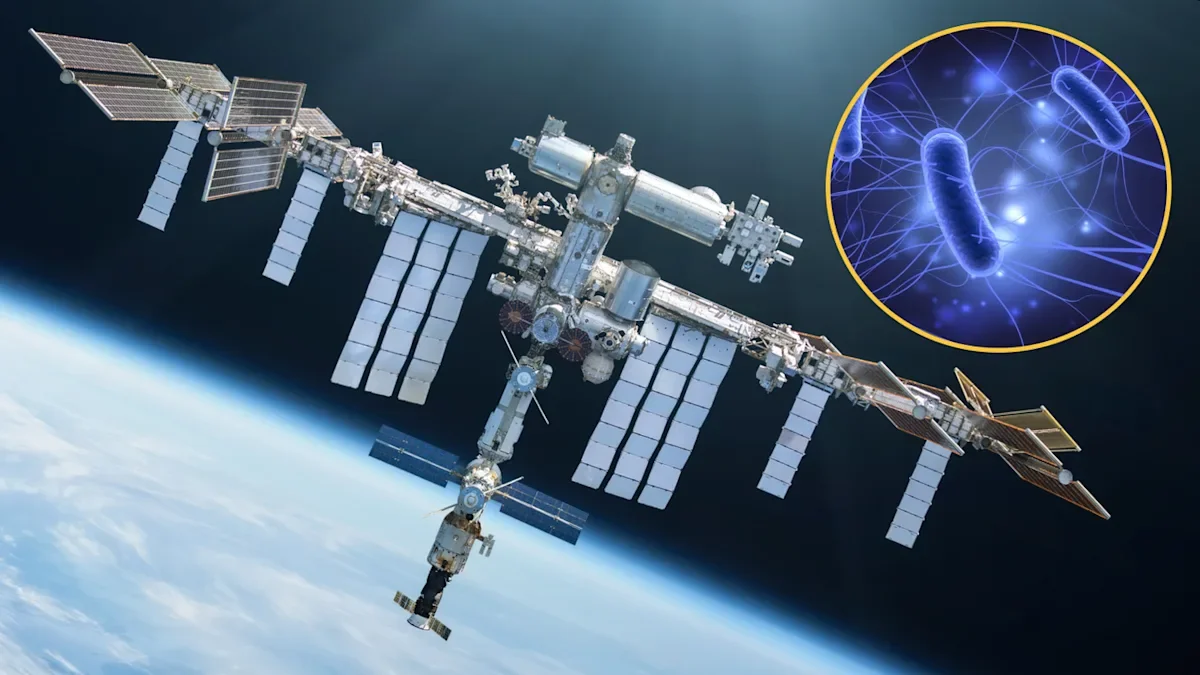
Russia plans to recycle its aging half of the ISS to form the core of a new space station called ROS, after the current ISS is decommissioned post-2030. The decision follows economic setbacks and geopolitical issues, with concerns about the structural integrity and biological hazards of the Russian modules. The new station aims to maintain collaboration with India and continue orbiting in a similar path as the ISS.
Russia plans to repurpose its existing ISS modules into a new space station by 2030, abandoning its original ambitious design for a polar orbit station, due to logistical, political, and economic challenges, including reliance on damaged launch facilities and uncertain future funding amid ongoing conflicts.
Max Space plans to launch a prototype of its single-module, expandable space station, Thunderbird, in 2027 via a single Falcon 9 rocket, aiming to reduce assembly trips and support research and manufacturing in orbit, with potential future use for lunar and Martian habitats.
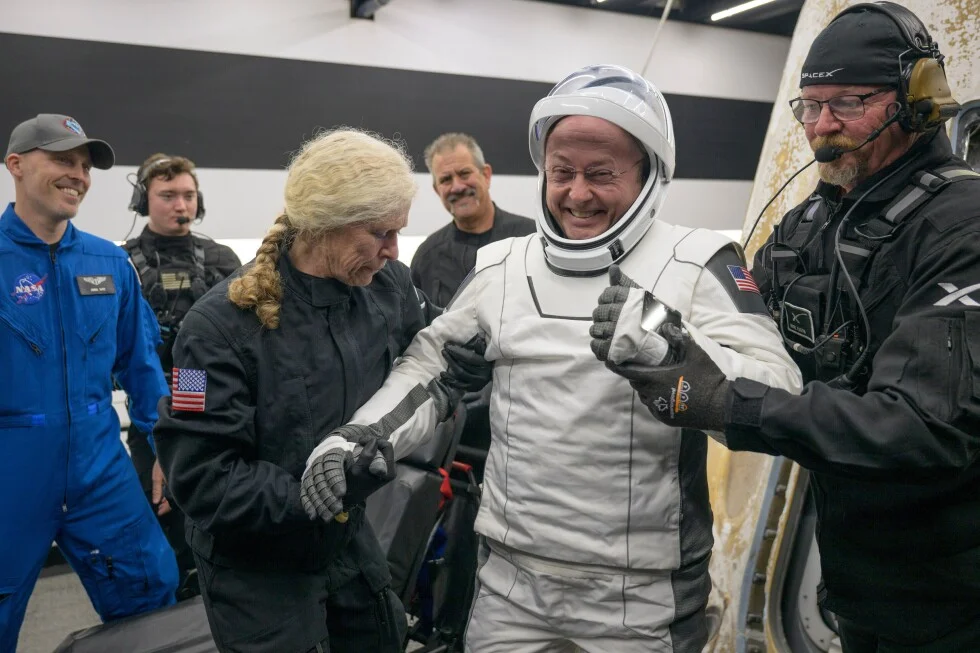
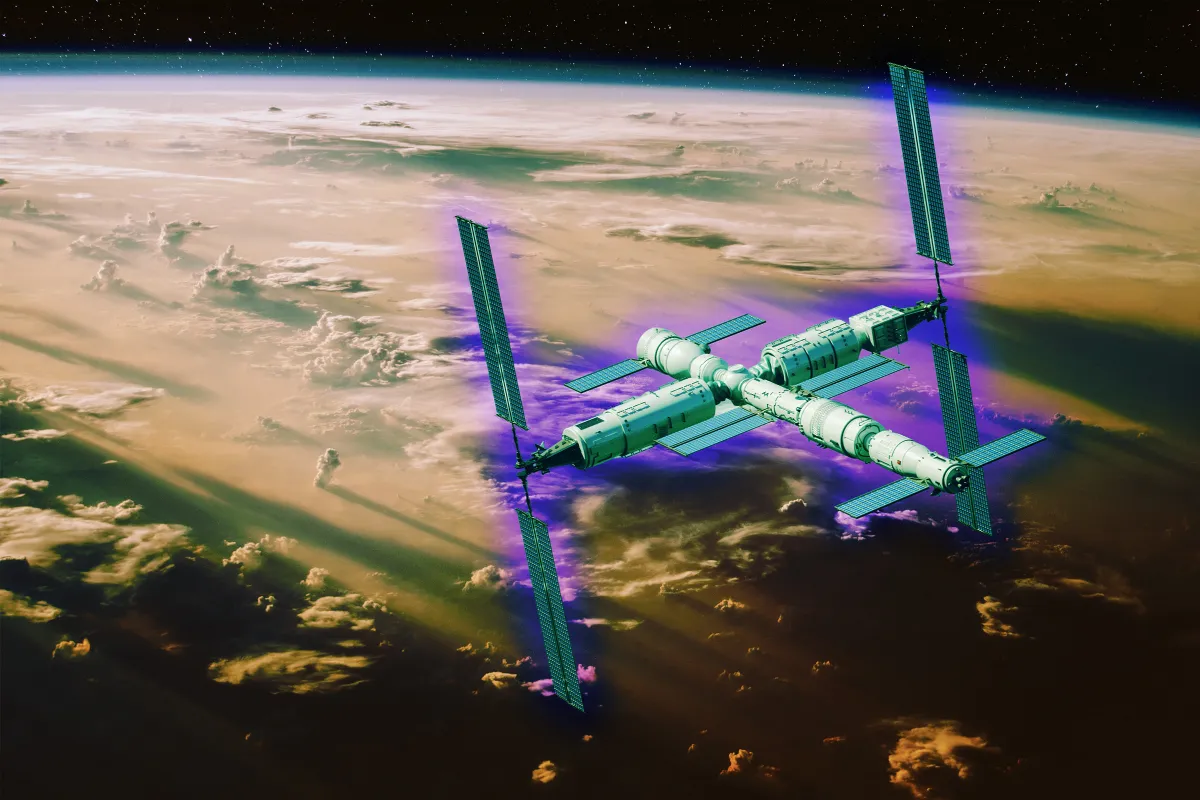
China's Tiangong space station has installed new debris protection panels after a close call with space debris stranded astronauts for nine days. The astronauts performed an eight-hour spacewalk to install the panels and inspect the station, following an emergency rescue mission that delivered a new return vehicle. This incident highlights the growing threat of space debris, which poses risks to manned missions and satellites worldwide, prompting advancements in protective materials and measures.
Three Chinese astronauts' return to Earth has been delayed due to concerns that their spaceship, Shenzhou-20, may have been hit by debris, prompting an ongoing impact analysis and risk assessment, with no new return date specified.
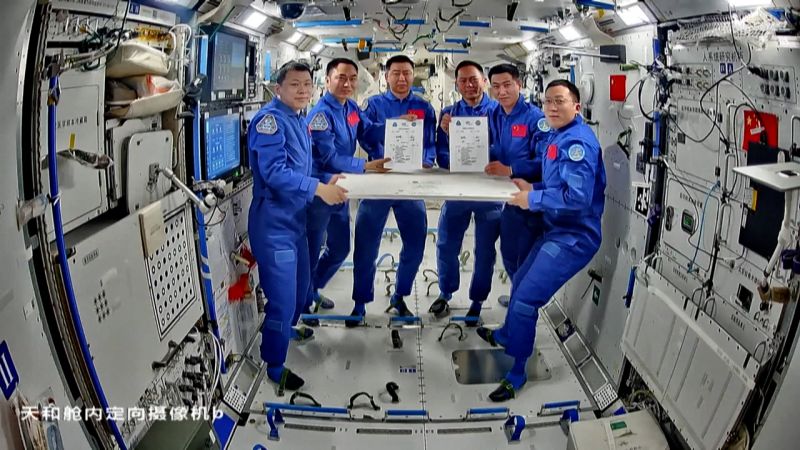
Three Chinese astronauts' return to Earth has been delayed due to concerns that their spaceship, Shenzhou-20, may have been hit by debris, prompting an ongoing impact assessment. The astronauts had been scheduled to return after a six-month mission but remain in space while safety checks are conducted. This incident comes amid China's recent space achievements, including launching the new Shenzhou-21 spacecraft and expanding its space station Tiangong, raising concerns in the US about China's growing space capabilities.
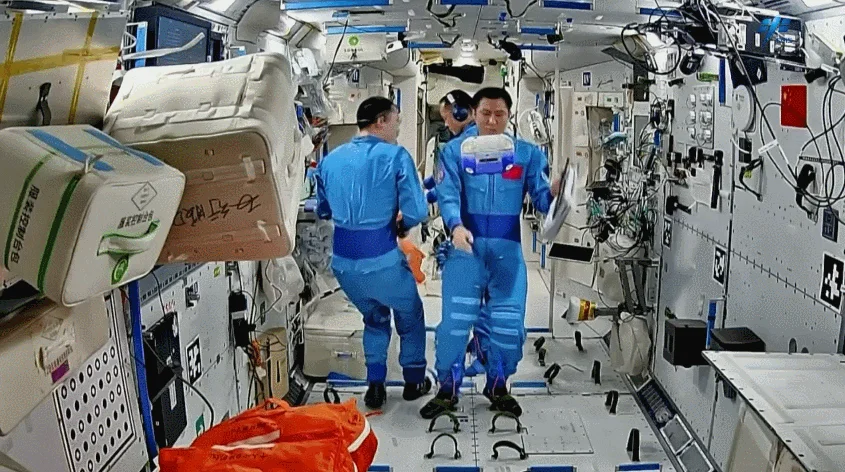
Chinese astronauts aboard the Tiangong space station have successfully used a new oven to cook chicken wings, marking China's first space BBQ and demonstrating advanced microgravity cooking technology that provides comfort and psychological well-being for crew members.
PBS's new docuseries 'Operation Space Station' explores the 25-year history of the ISS, revealing the engineering marvels, near-catastrophes, and human stories behind its construction and operation, highlighting its role as a symbol of international cooperation and resilience in space.
China's Shenzhou 21 spacecraft successfully docked with its space station in a record 3.5 hours, carrying a crew including the youngest Chinese astronaut, and conducted scientific experiments, including sending mice to study effects of space environment.
China's Shenzhou-21 spacecraft successfully docked with the Tiangong space station just 3.5 hours after launch, marking the seventh crewed mission to the station, which will conduct scientific experiments and prepare for future expansion and lunar missions.