Tag

Space Sustainability

All articles tagged with #space sustainability

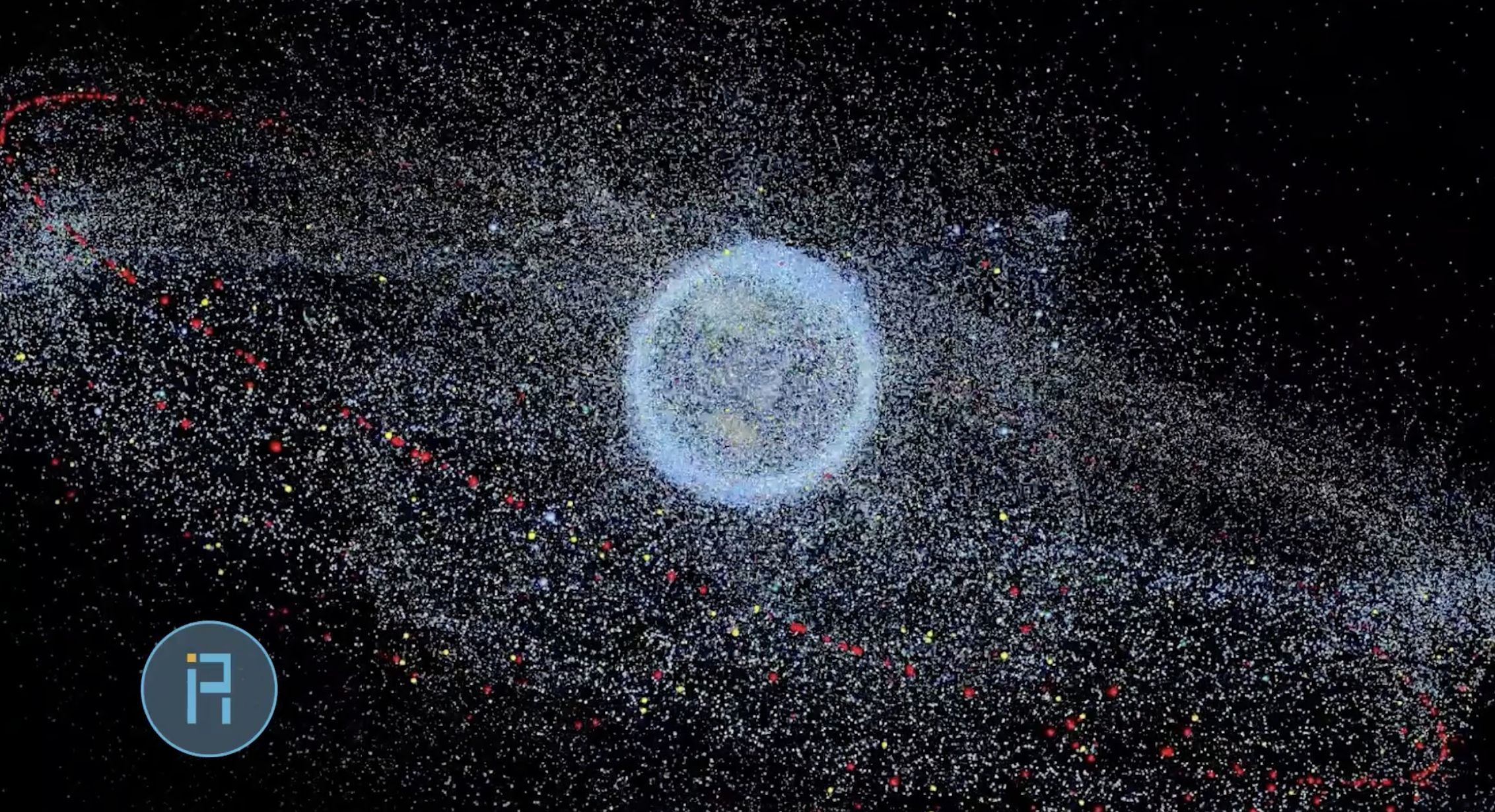
Rising Space Debris Sparks Concerns Over Earth's Increasingly Dangerous Orbit

Originally Published 2 months ago — by Yahoo

Featured image for Rising Space Debris Sparks Concerns Over Earth's Increasingly Dangerous Orbit
Source: Yahoo

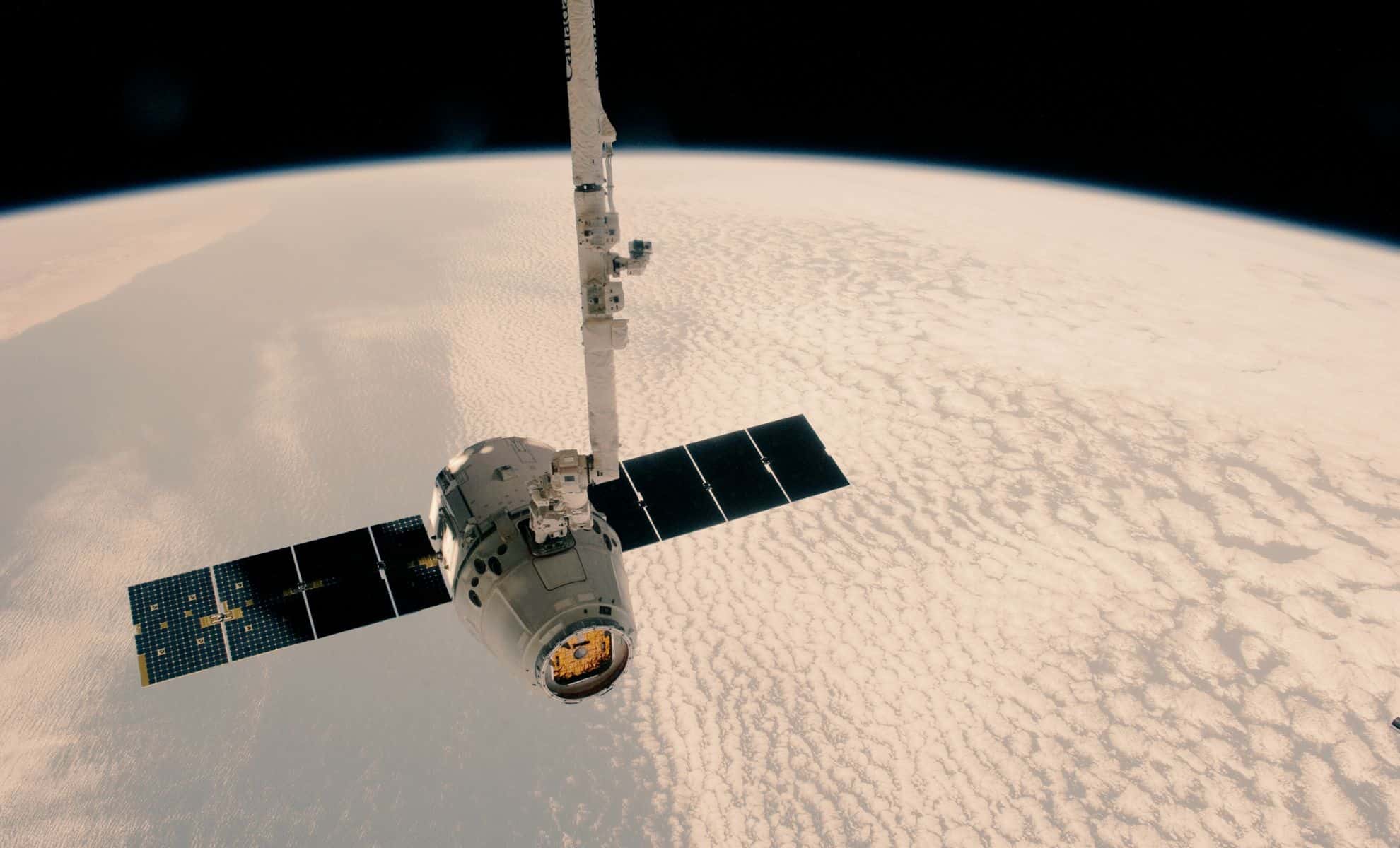
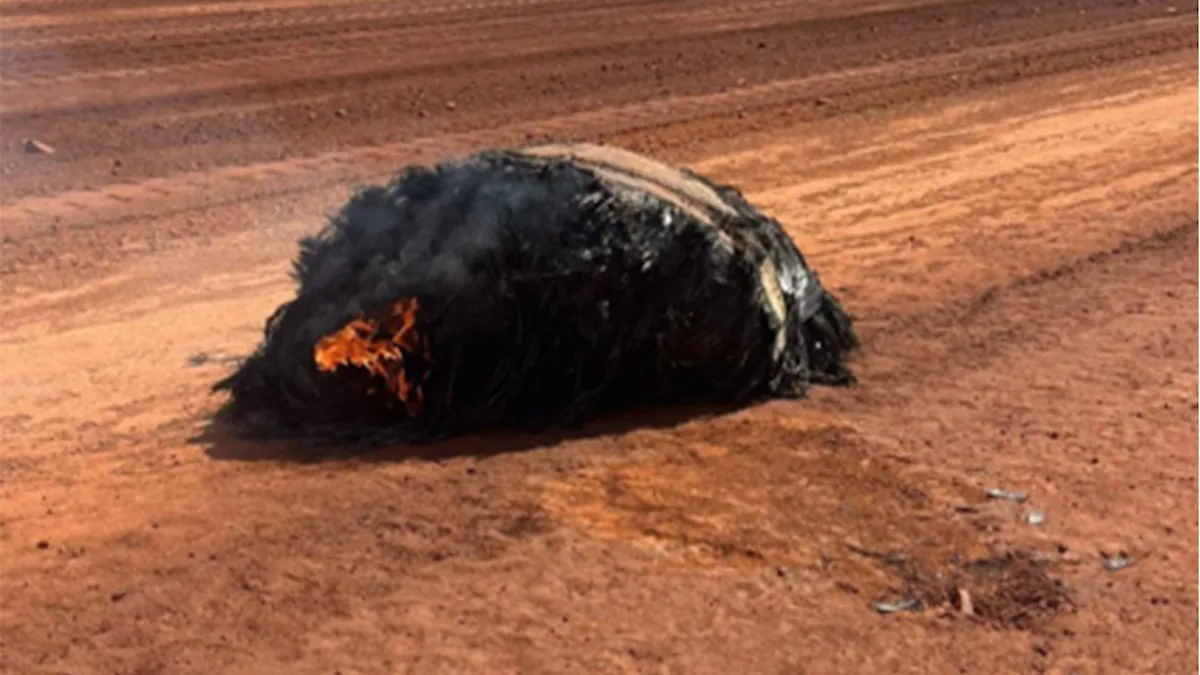
Mine workers in Western Australia discovered a smoking, burning slab of metal believed to be part of a Chinese space rocket's upper stage, raising concerns about space debris and its reentry risks. Authorities are investigating its origin, emphasizing the importance of managing space junk to prevent damage and ensure safety, amid increasing satellite launches like Starlink.
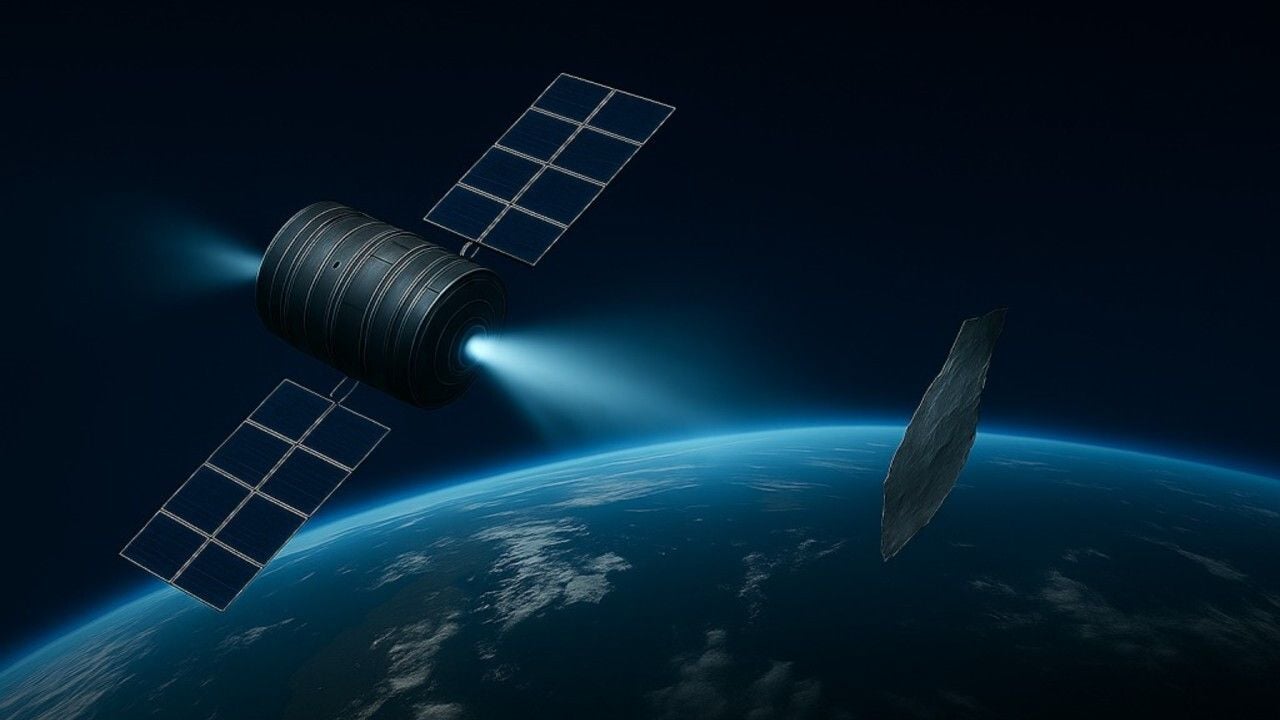

Global Efforts to Mitigate Space Junk Risks and Improve Orbital Traffic Management

Originally Published 3 months ago — by Ars Technica

Featured image for Global Efforts to Mitigate Space Junk Risks and Improve Orbital Traffic Management
Source: Ars Technica

China has been abandoning a significant number of rocket stages in orbit, especially with the deployment of new megaconstellations like Guowang and Thousand Sails, which could leave over 100 rocket bodies in orbit for more than 25 years, increasing space debris and potential hazards. Despite having the capability to deorbit these stages, China often does not, contributing to the growing problem of space junk, which has accelerated in recent years.

NASA Plans to Establish a Lunar Village by 2035

Originally Published 3 months ago — by theregister.com

Featured image for NASA Plans to Establish a Lunar Village by 2035
Source: theregister.com

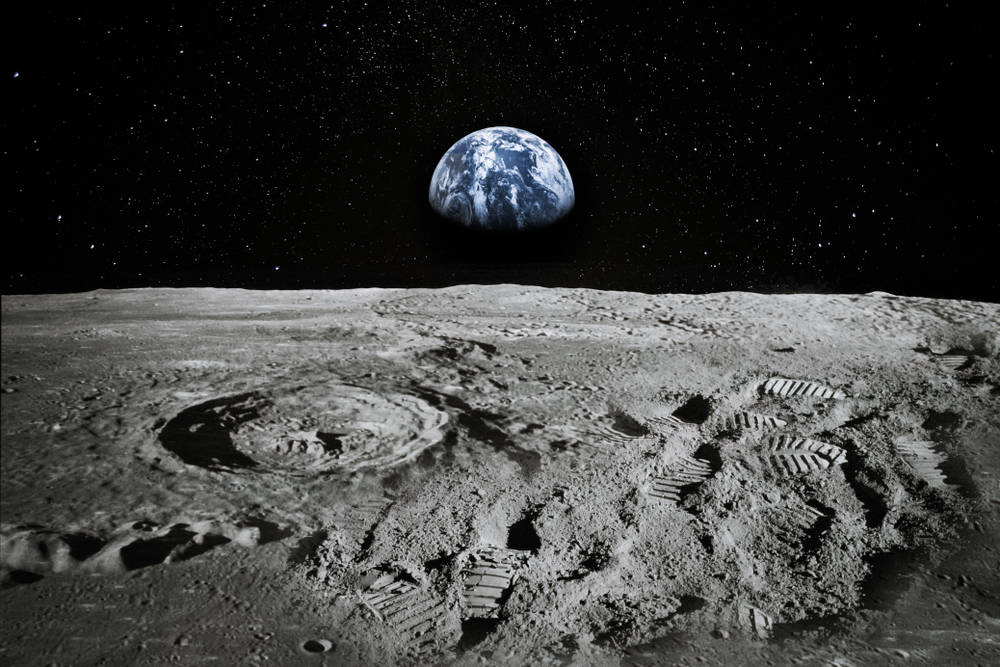
NASA aims to establish a human village on the Moon within a decade, including a nuclear-powered settlement, while other space agencies focus on sustainability, Earth observation, and international collaboration to address space debris and exploration goals.

Japan's Plasma Gun and New Technologies Revolutionize Space Junk Removal

Originally Published 3 months ago — by Rude Baguette

Featured image for Japan's Plasma Gun and New Technologies Revolutionize Space Junk Removal
Source: Rude Baguette

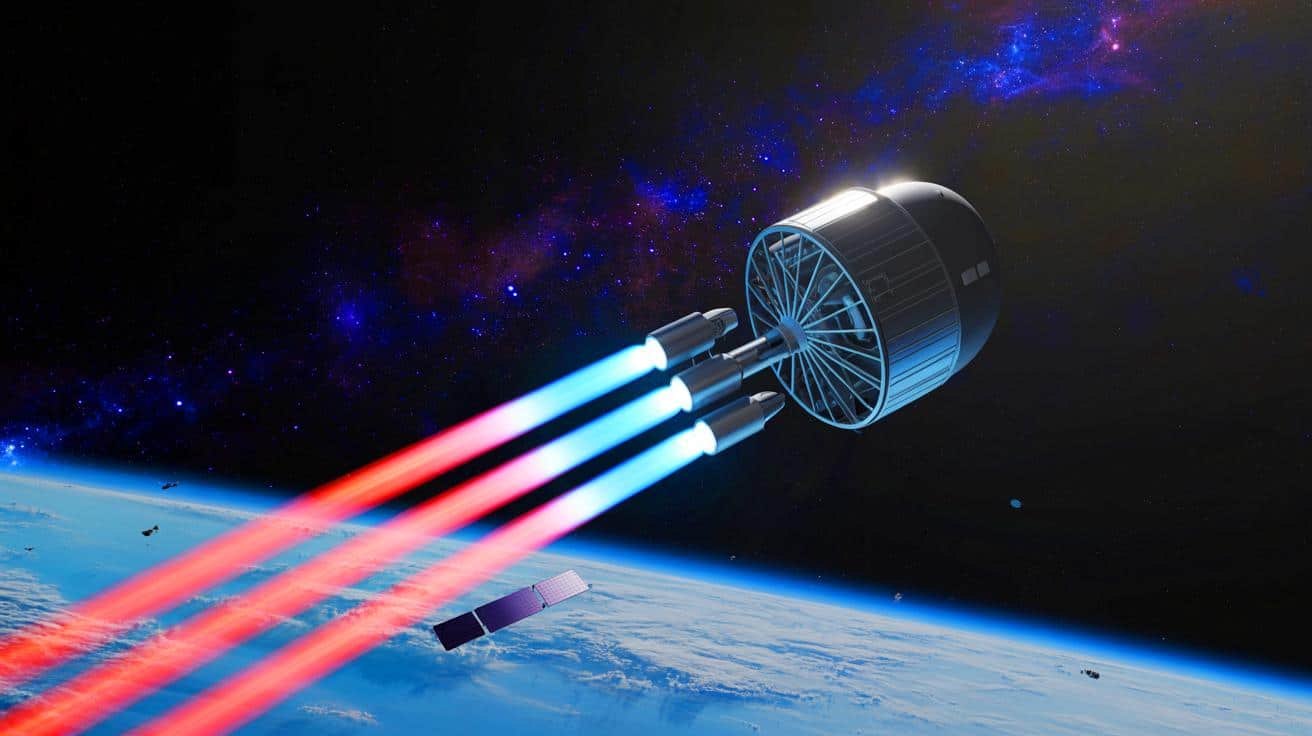
Researchers at Tohoku University in Japan have developed a revolutionary bidirectional plasma ejection propulsion system that can safely and efficiently remove space debris using affordable argon, potentially preventing the Kessler syndrome and ensuring sustainable space activities.

Innovative Lunar Technologies Pave the Way for Moon Colonization

Originally Published 5 months ago — by The Daily Galaxy

Featured image for Innovative Lunar Technologies Pave the Way for Moon Colonization
Source: The Daily Galaxy

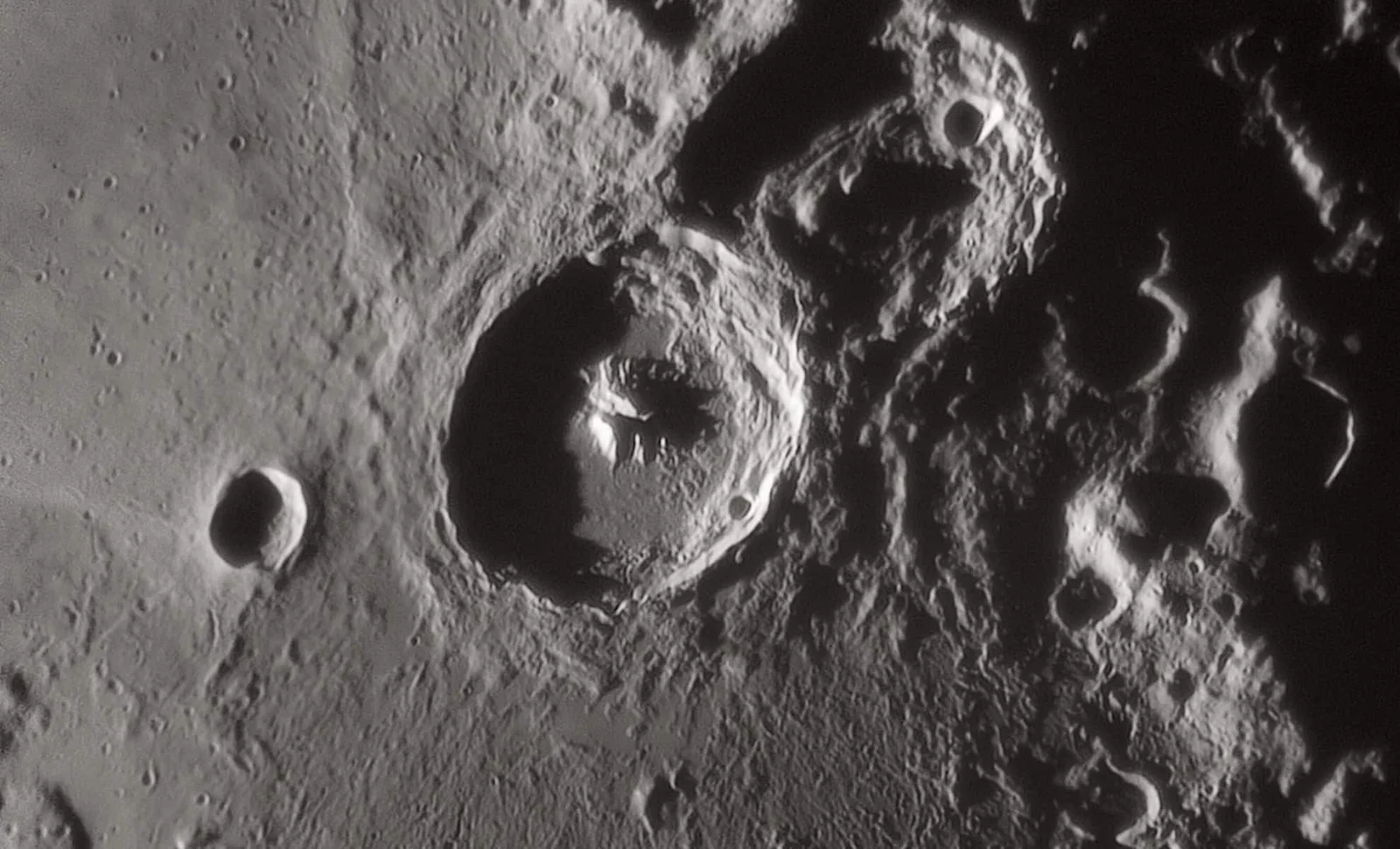
A study explores using lunar photobioreactors with algae to produce oxygen and food on the Moon, aiming to reduce reliance on Earth supplies and lower mission costs by utilizing lunar resources and innovative protective designs, despite environmental challenges.

Ultra-Black Paint to Protect Night Sky from Satellite Pollution

Originally Published 6 months ago — by The Daily Galaxy

Featured image for Ultra-Black Paint to Protect Night Sky from Satellite Pollution
Source: The Daily Galaxy

A new ultra-black coating called Vantablack 310 is set to be tested on a satellite in 2026 to reduce light pollution from satellites and protect astronomical observations, addressing concerns over the increasing number of satellites in low Earth orbit and their impact on space research and the night sky.

NanoAvionics MP42 Satellite Survives Space Collision, Captures Selfie

Originally Published 1 year ago — by Space.com

Featured image for NanoAvionics MP42 Satellite Survives Space Collision, Captures Selfie
Source: Space.com

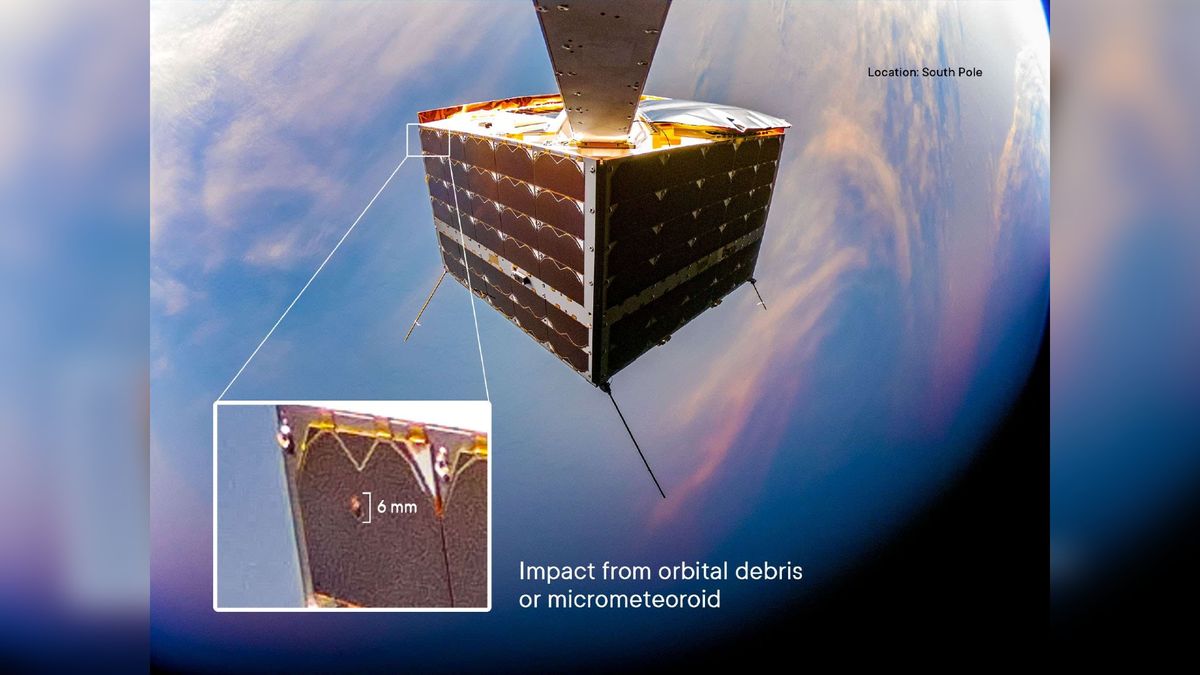
NanoAvionics' MP42 satellite, launched in 2022, survived a collision with a small object in orbit, highlighting the growing issue of space debris. A 0.24-inch hole was discovered in its solar panel, though it caused no significant damage. The incident underscores the need for responsible space operations and the resilience of satellites against such impacts. With millions of debris fragments orbiting Earth, space sustainability experts are increasingly concerned about potential collisions that could create more hazardous debris.

World's First Wooden Satellite Successfully Launched into Space

Originally Published 1 year ago — by Gizmodo

Featured image for World's First Wooden Satellite Successfully Launched into Space
Source: Gizmodo

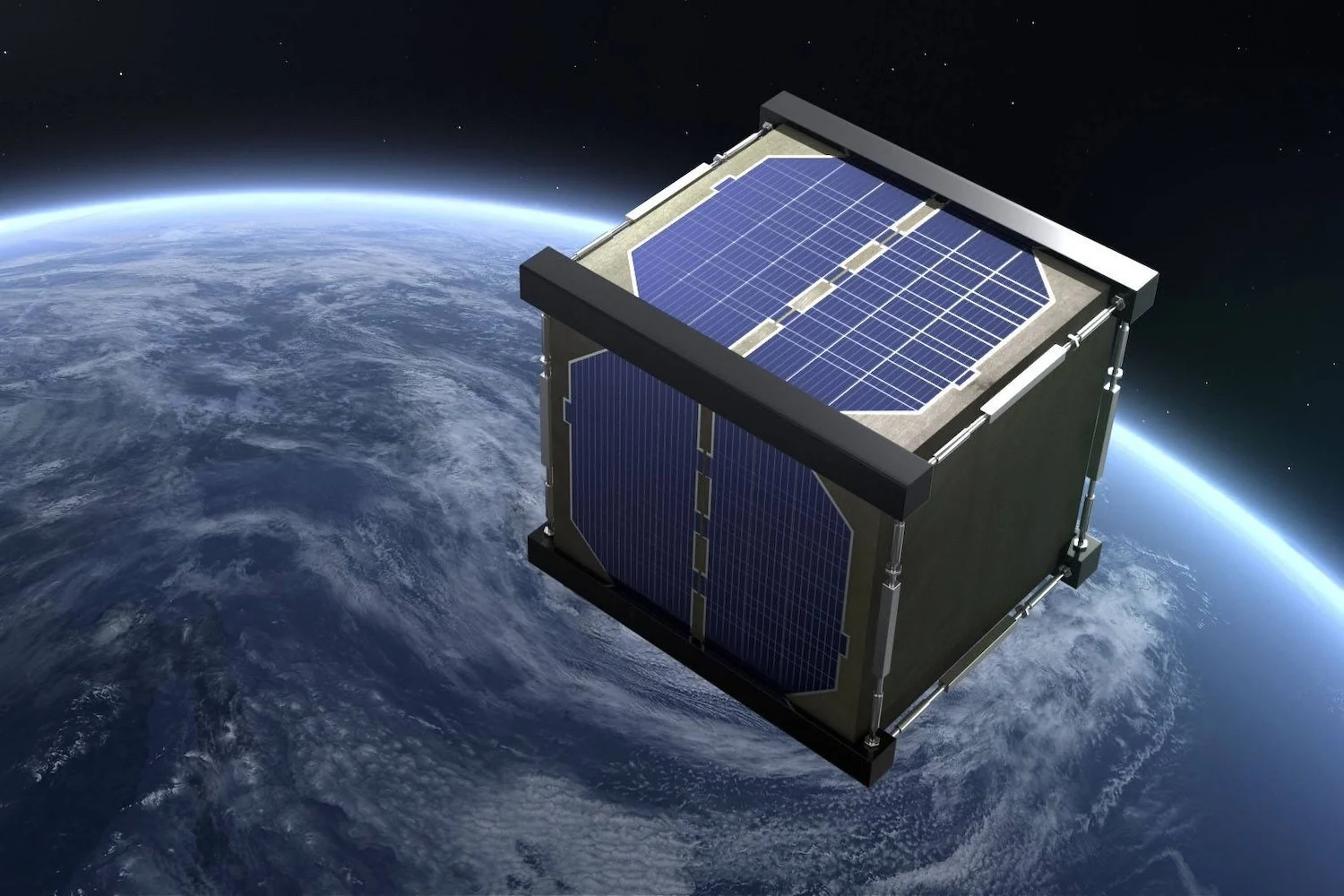
A wooden satellite, LignoSat, developed by Kyoto University and Sumitomo Forestry, has been launched to the International Space Station aboard a SpaceX mission. The satellite, made of magnolia wood, will be deployed to test its durability in space, potentially paving the way for more sustainable materials in space construction. Previous tests showed wood's resilience to cosmic rays and solar particles, suggesting it could reduce space debris and environmental impact compared to traditional materials. The experiment aims to explore wood's viability for future space structures, including habitats on the Moon and Mars.

NASA Advances Space Sustainability Strategy

Originally Published 1 year ago — by SpaceNews

Featured image for NASA Advances Space Sustainability Strategy
Source: SpaceNews

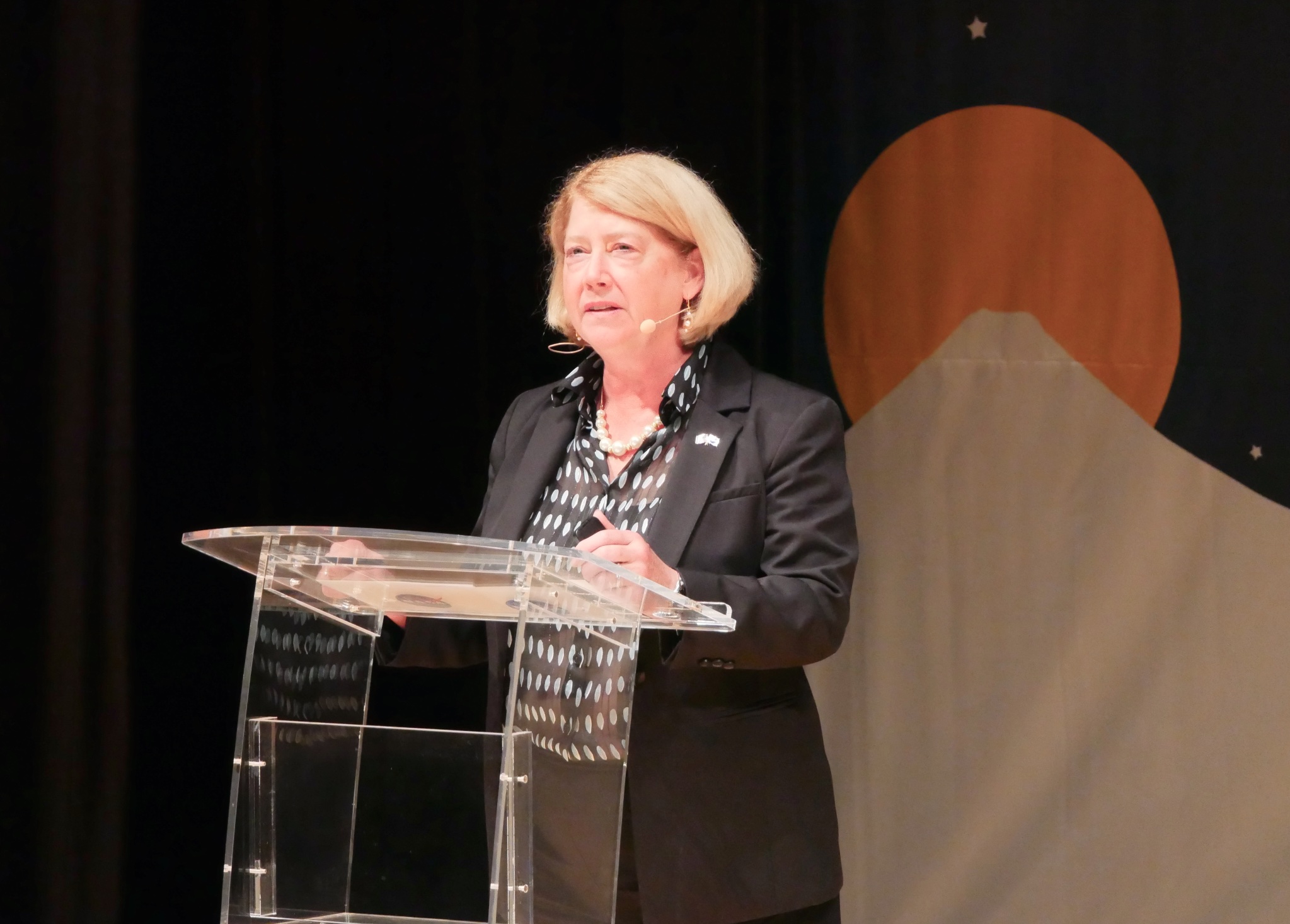
NASA Deputy Administrator Pam Melroy reported significant progress on the agency's space sustainability strategy, including developing a framework for assessing space sustainability, analyzing collision risk uncertainties, and planning investments in debris management and space situational awareness. The strategy, initially focused on Earth orbit, is expanding to include cislunar space, with ongoing interagency and international coordination and the appointment of Trudy Kortes as interim director of space sustainability.

NASA Unveils Efficient Space Debris Cleanup Solutions

Originally Published 1 year ago — by SciTechDaily

Featured image for NASA Unveils Efficient Space Debris Cleanup Solutions
Source: SciTechDaily

NASA's Office of Technology, Policy, and Strategy has released a new report identifying cost-effective methods for managing orbital debris, emphasizing direct risk and cost evaluations over 30 years. The study compares over 10 different actions to reduce debris risk, such as shielding, tracking, and remediation, and suggests that some methods may be more valuable than previously thought. The findings aim to guide NASA and the space community in addressing the growing issue of space debris.

NASA Unveils Cost-Effective Solutions for Space Debris Management

Originally Published 1 year ago — by SpaceNews

Featured image for NASA Unveils Cost-Effective Solutions for Space Debris Management
Source: SpaceNews

A NASA report highlights that reducing the time satellites remain in orbit post-mission is a highly cost-effective way to mitigate orbital debris. The study found that even modest reductions in post-mission disposal timeframes can yield significant benefits, with potential net benefits up to $9 billion. The report also identifies promising debris remediation techniques, such as "just in time" collision avoidance, and emphasizes the importance of economic analysis in developing space sustainability strategies.

"Close Call: Russian Spacecraft Nearly Collides with US Satellite, NASA 'Really Scared'"

Originally Published 1 year ago — by New York Post

Featured image for "Close Call: Russian Spacecraft Nearly Collides with US Satellite, NASA 'Really Scared'"
Source: New York Post

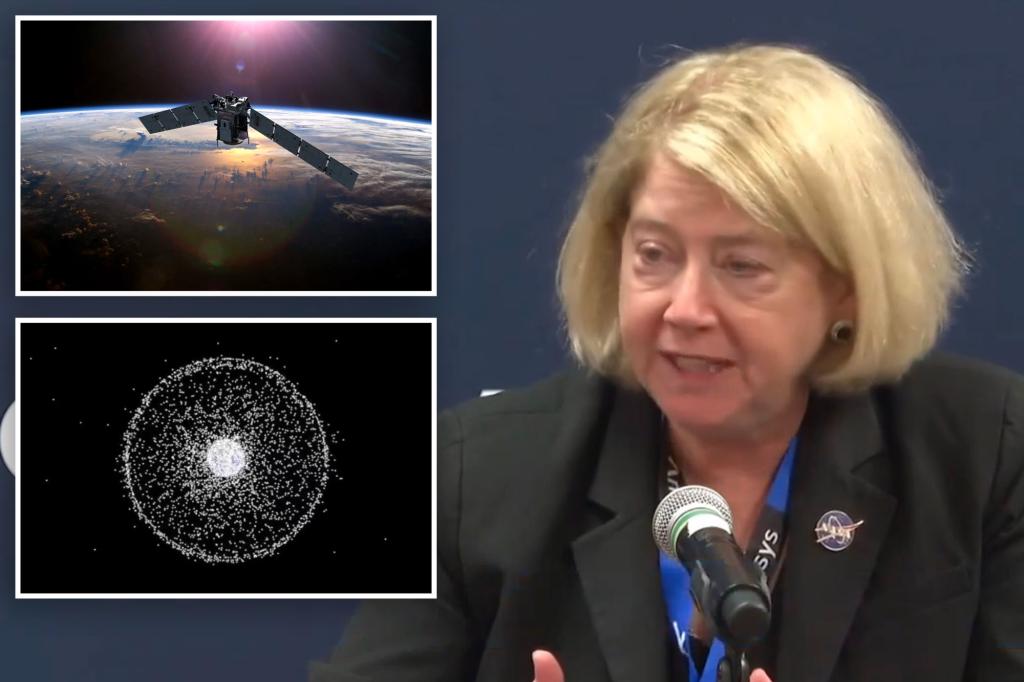
A Russian satellite and a US satellite narrowly avoided a collision in late February, passing within 10 meters of each other, prompting concern from NASA about the growing issue of space traffic as the number of satellites in Earth's orbit continues to increase. With over 10,000 satellites currently orbiting Earth and an estimated 400,000 more approved for launch into low Earth orbit, the risk of collisions and space debris is a significant concern. NASA has launched a Space Sustainability Strategy to better monitor and manage satellites and debris in Earth's orbit, while private companies are developing technology to remove defunct satellites from space.

"Close Call: NASA Stunned as Russian Spacecraft Nearly Collides with Satellite"

Originally Published 1 year ago — by The Telegraph

Featured image for "Close Call: NASA Stunned as Russian Spacecraft Nearly Collides with Satellite"
Source: The Telegraph

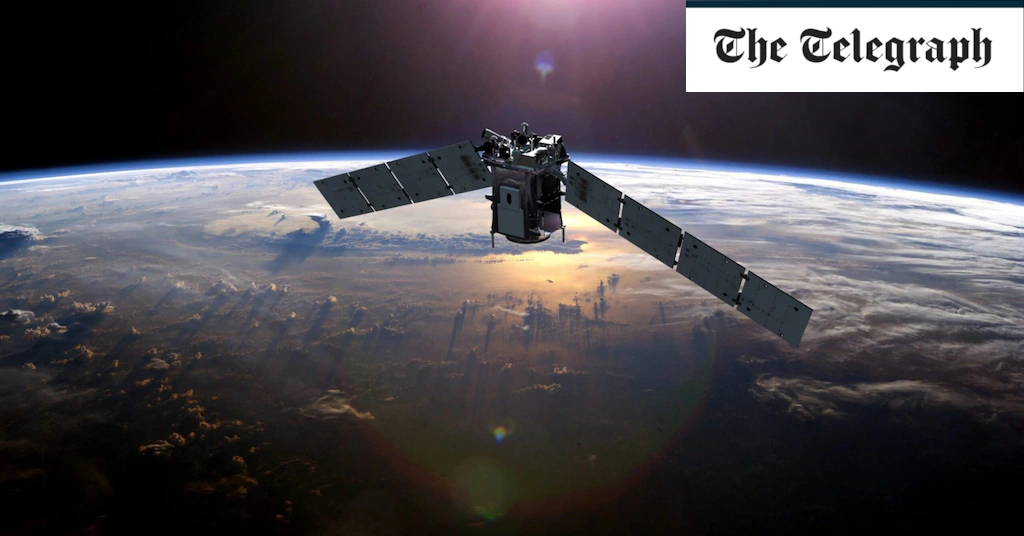
NASA expressed shock at the close call between a defunct Russian spy satellite and a NASA satellite, highlighting the potential risk to human lives and the generation of dangerous debris. With over 10,000 satellites orbiting Earth and plans for exponential growth, the issue of space debris and collision avoidance has become increasingly critical. NASA has launched a Space Sustainability Strategy to better monitor satellites and debris, aiming to prevent catastrophic collisions and the potential activation of Kessler Syndrome. The agency plans to invest in detection, tracking, and collision avoidance, while also warning of potential damage to astronomy. Additionally, several companies are working on technology to catch and bring down dead satellites.