Tag

Space Probes

All articles tagged with #space probes

science3 months ago

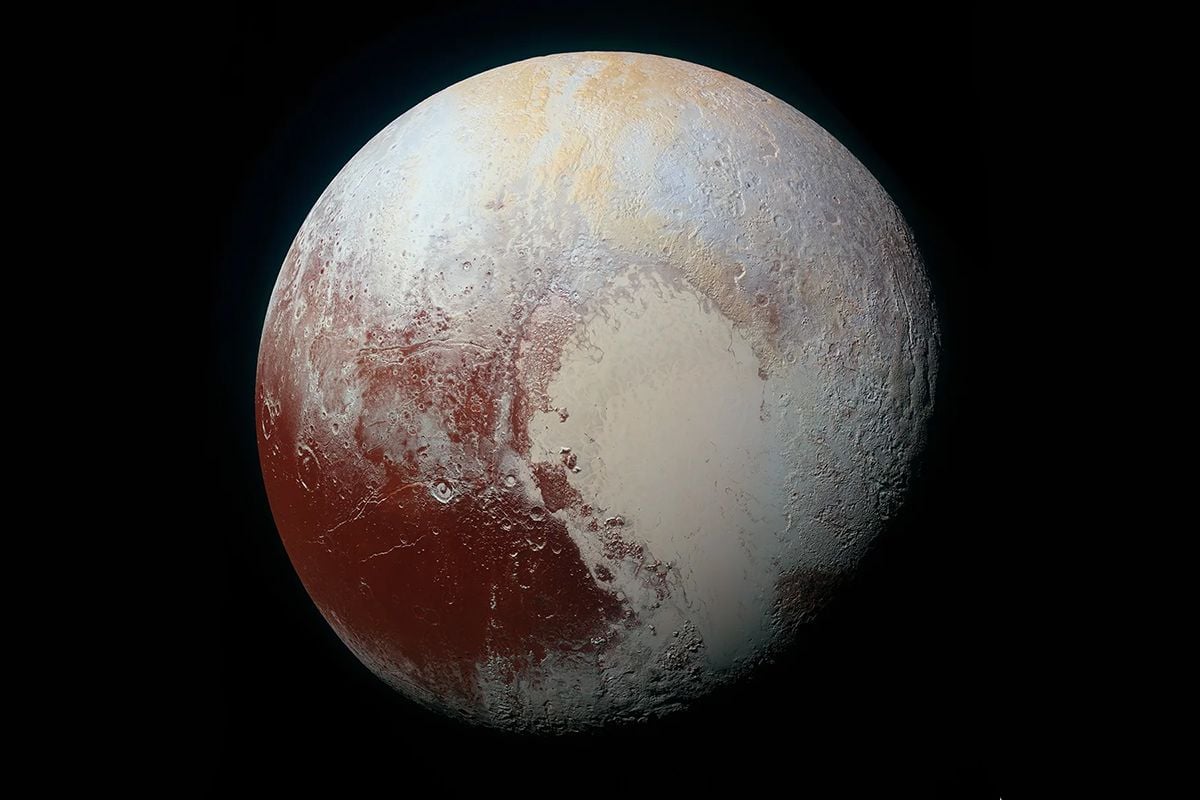
First Close-Up Images Reveal Our Solar System's Worlds

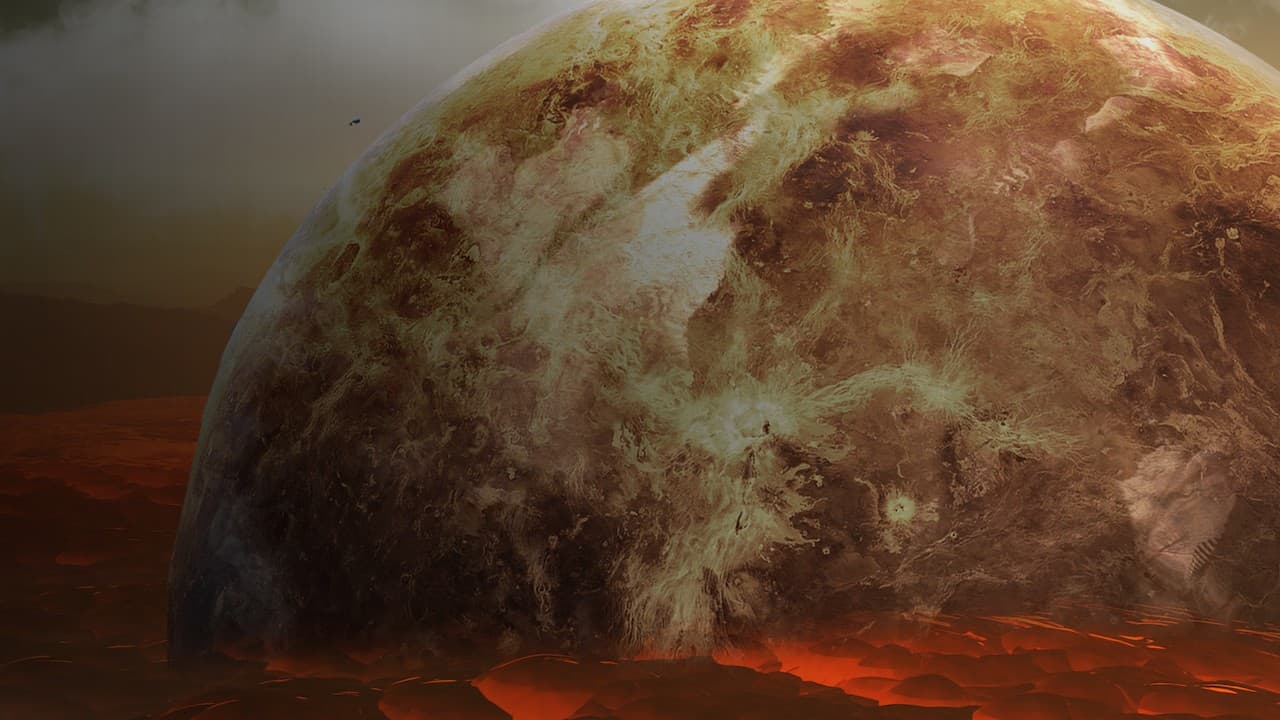
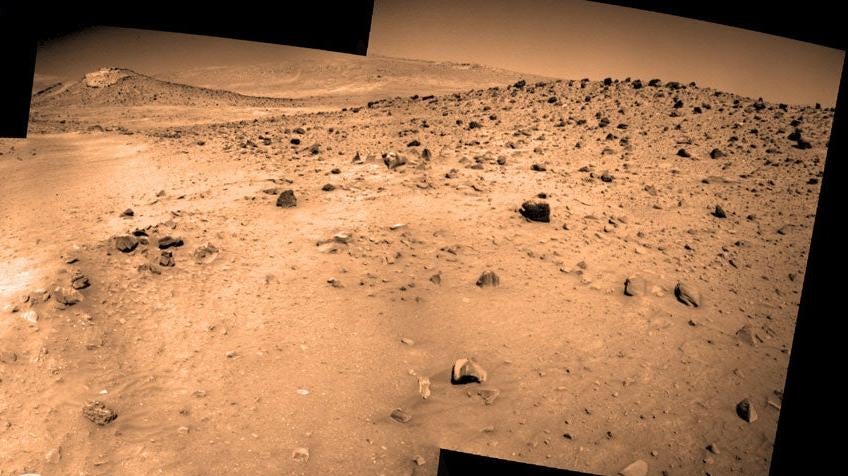
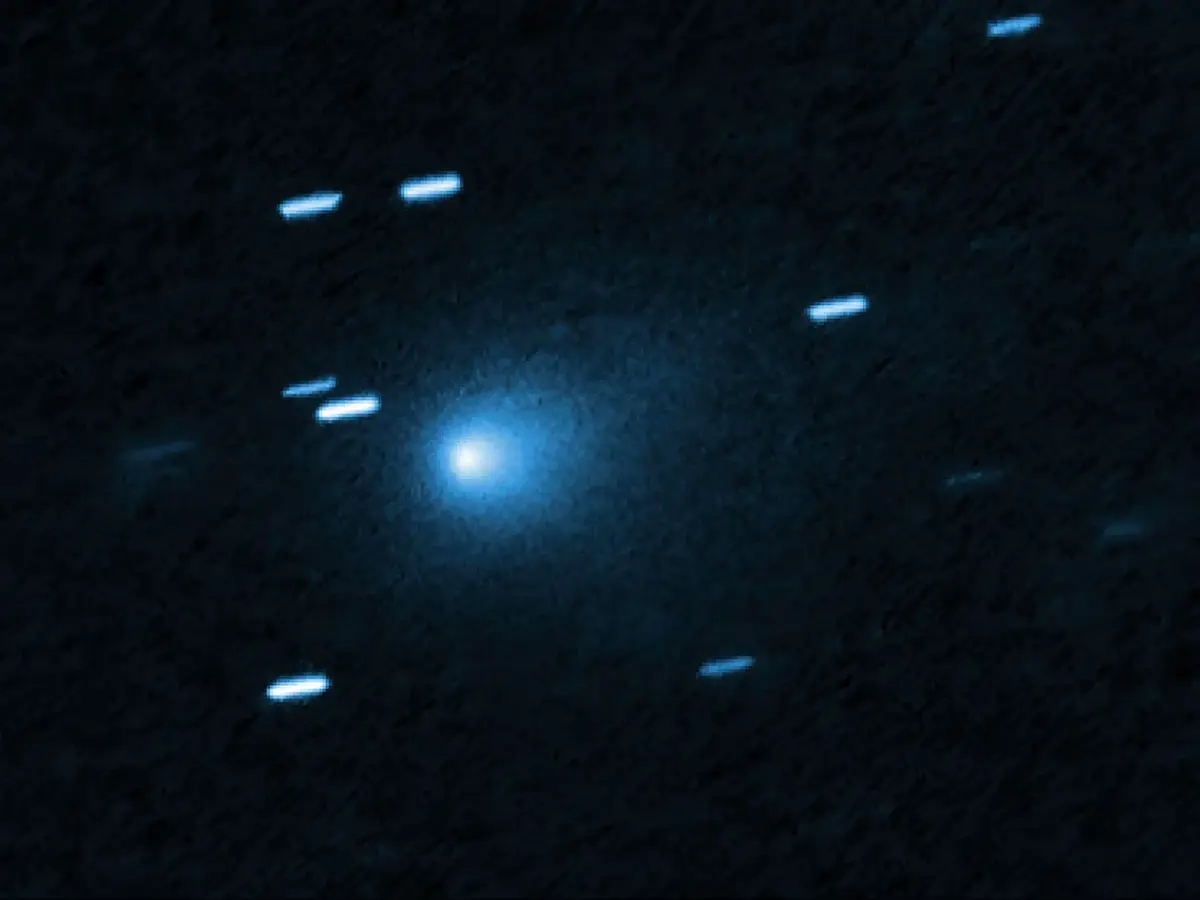
The article reviews the first close-up images of planets and celestial bodies in our Solar System, highlighting missions like Venera 9 on Venus, Mariner 4 on Mars, Luna 3 on the Moon, Huygens on Titan, New Horizons on Pluto, and Philae on a comet, showcasing the technological advancements and discoveries that have transformed our understanding of our cosmic neighborhood.

space-exploration1 year ago

"NASA Restores Communication with Voyager 1 from 15 Billion Miles Away"

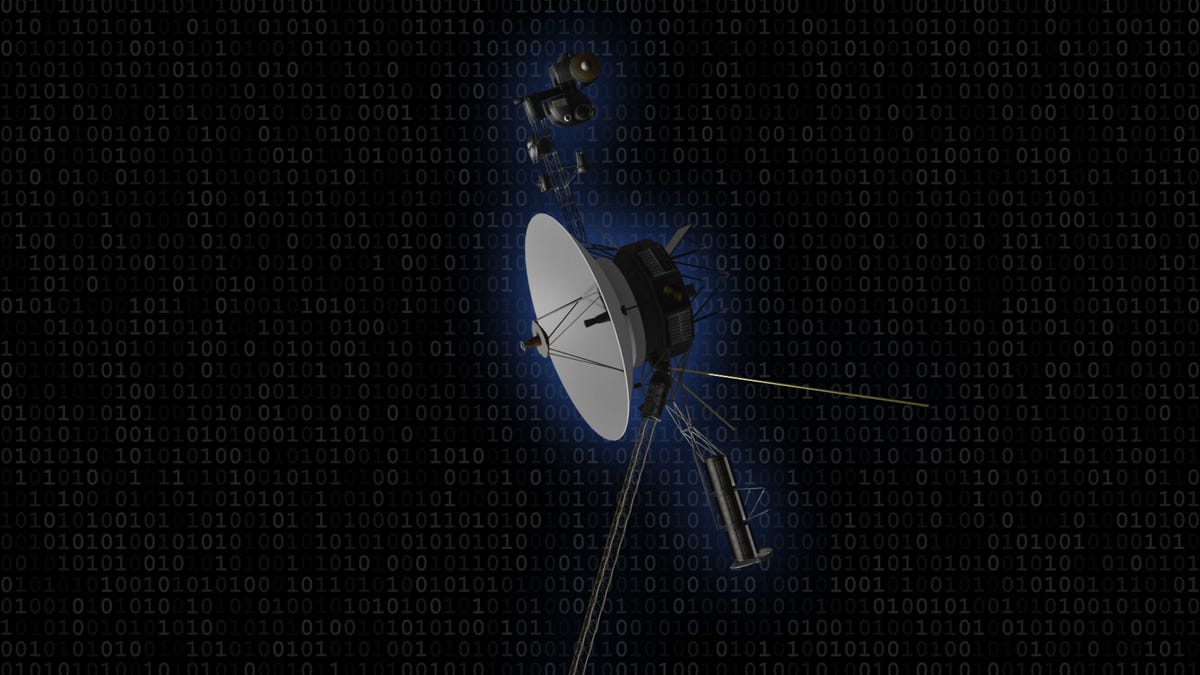
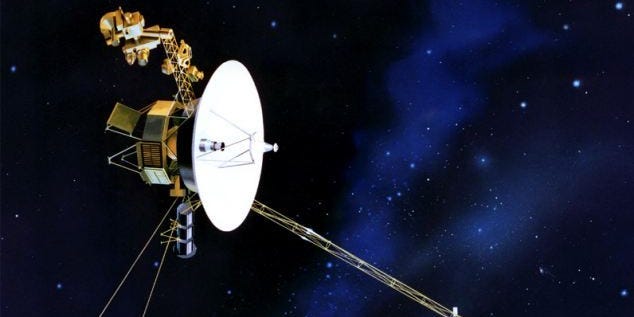
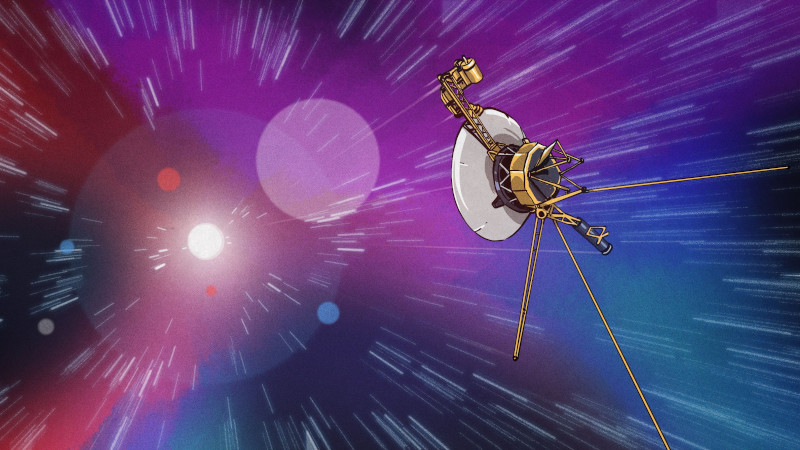
NASA is attempting to fix a communication error on Voyager 1, the farthest human-made object from Earth, which has been traveling for over 46 years and is now 15 billion miles away. The spacecraft's computer problem has disrupted data transmission, but after sending a command to "poke" the spacecraft, engineers received a new signal containing the spacecraft's entire memory. Engineers will compare this readout to diagnose the problem and hopefully resume data transmission. Voyager 2, Voyager 1's sister craft, is functioning normally, and both are the only spacecraft in interstellar space.

space-exploration1 year ago

"NASA's Successful 'Poke' Revives Voyager 1 in Interstellar Space"

Voyager 1, the 46-year-old spacecraft, had been sending gibberish data since November, but a "poke" from NASA engineers on March 3 may have brought it back to life. Despite their age, Voyager 1 and Voyager 2 continue to provide valuable information about the cosmos, and NASA is determined to keep them operational for as long as possible. The recent glitch in Voyager 1's data is being analyzed, and engineers are working on a potential solution. Even if communication with Earth is lost, the probes will continue their interstellar journey, carrying golden records with information about humanity.

space-exploration1 year ago

Unraveling the Mystery of the Pioneer Anomaly at 20 Astronomical Units

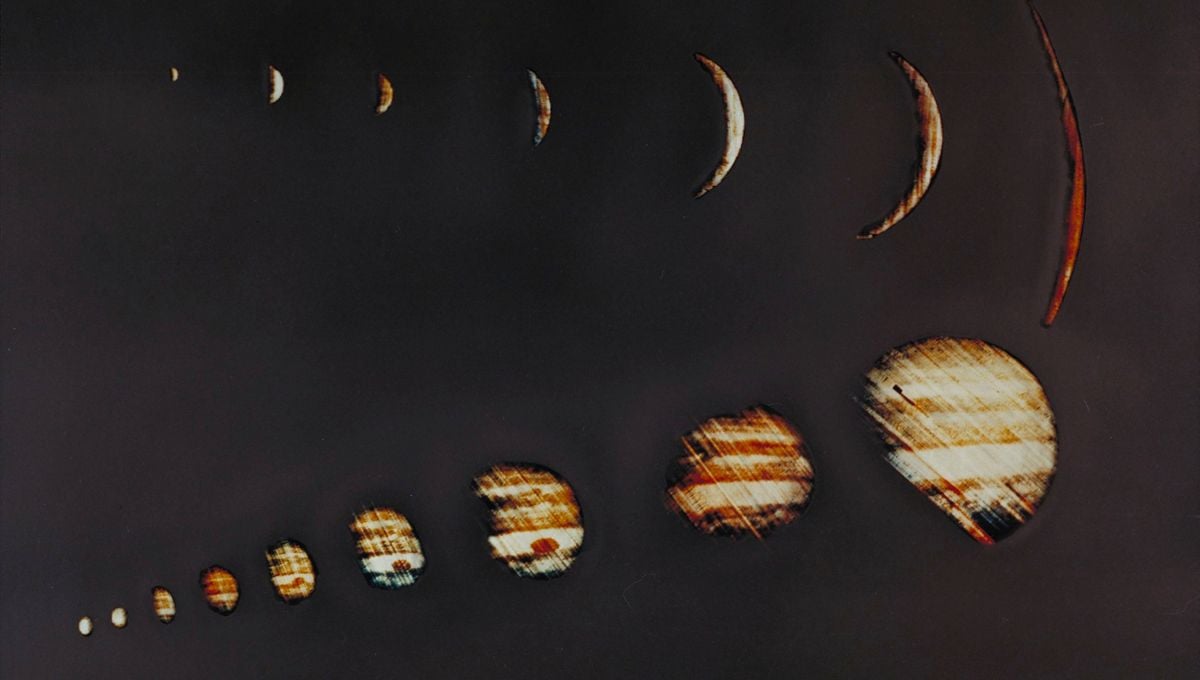
NASA's Pioneer 10 and 11 probes experienced unexplained acceleration toward the Sun at around 20 astronomical units, challenging Newton's gravitational inverse-square law. Some physicists proposed new physics to explain the anomaly, but later analysis revealed that the acceleration was due to the recoil force from anisotropic thermal radiation emission off the spacecraft. This discovery provided a more likely explanation, highlighting the importance of thorough data analysis in space exploration.

space-exploration1 year ago

"2024: Venus Mission and Space-Time Fabric Exploration Set to Transform Cosmic Understanding"

The European Space Agency has officially approved the EnVision mission to Venus, which will study the planet's geological activity, climate, and history from its inner core to outer atmosphere. The mission, scheduled to launch in 2031, aims to unravel the mysteries of Venus, including its volcanic activity, surface shaping, and internal structure, despite the planet's harsh conditions and inhospitable environment. This collaborative ESA-led mission with NASA seeks to provide crucial insights into Venus' past habitability and the reasons behind its extreme conditions.

space-exploration2 years ago

"NASA's Bold Plan: Swarming Proxima Centauri with Tiny Probes"

NASA has selected the Swarming Proxima Centauri project for Phase I development, aiming to utilize gram-scale spacecraft propelled by a 100-gigawatt laser beamer to reach Proxima Centauri and its Earth-like exoplanet by the third quarter of this century. The project, led by Space Initiatives Inc. and the Initiative for Interstellar Studies, could have applications in space exploration, Earth observation, medicine, additive manufacturing, environmental studies, and more through the development of a coherent swarm of robotic probes.

space-exploration2 years ago

Final Glimpses: Last Images Captured by Ill-Fated Space Probes

This article showcases the last images captured by various space probes before their dramatic endings. From the DART asteroid-smashing probe's collision with a moonlet to the Luna-25 lander's crash on the Moon, and from Cassini's plunge into Saturn to Opportunity's final glimpse of the Sun through a dust storm on Mars, these images provide a poignant reminder of the sacrifices made for scientific exploration. The article also highlights the last image taken by MESSENGER before crashing into Mercury, the short-lived Huygens probe's images of Titan's surface, and the first color images from Venera 13 on Venus. The Voyager probes, still on their one-way journey out of the solar system, captured a famous image of Earth as a "pale blue dot" before shutting down their cameras.

space-exploration2 years ago

"Stunning Space Imagery: Highlights from June's Spaceflight and Astronomy"

The past month showcased a series of rocket launches, rocket tests, and space probes beaming back stunning images, highlighting humanity's expanding reach into space. United Launch Alliance successfully launched its Delta 4-Heavy rocket, while the European Space Agency's Mars Express provided live images of the Red Planet. NASA's MAVEN captured ultraviolet views of Mars, and Rocket Lab's Electron delivered its first suborbital testbed launch vehicle. BepiColombo flew past Mercury, and engineers installed the heat shield for the Artemis 2 Orion spacecraft. NASA's Juno probe captured a lightning flash on Jupiter, and Virgin Galactic's space tourism venture sent a crew to the edge of space. NASA also concluded an initial certification test series for new RS-25 engines for the upcoming Artemis missions.

space2 years ago

NASA's Voyager 2 spacecraft to continue full science operations until 2026 with new power strategy.

NASA's Voyager 1 and 2 space probes have been operating for over 45 years, thanks to the radioisotope thermoelectric generators (RTGs) that provided 470 W at launch. Recently, NASA announced that Voyager 2 has a reserve power source that will postpone the shutdown of more science instruments for a few more years. The Voyager's Multi-Hundred Watt (MHW) RTGs are the predecessor to the RTGs that are still powering the New Horizons probe after 17 years and the Mars Science Laboratory (Curiosity) for over 10 years, showing the value of RTGs in long-term exploration missions.