A Chinese satellite in geostationary orbit successfully fired a 2-watt laser to ground, achieving 1 Gbps data transfer and outperforming Starlink's speeds, demonstrating a more efficient and potentially scalable approach to space-based internet using optical communication.
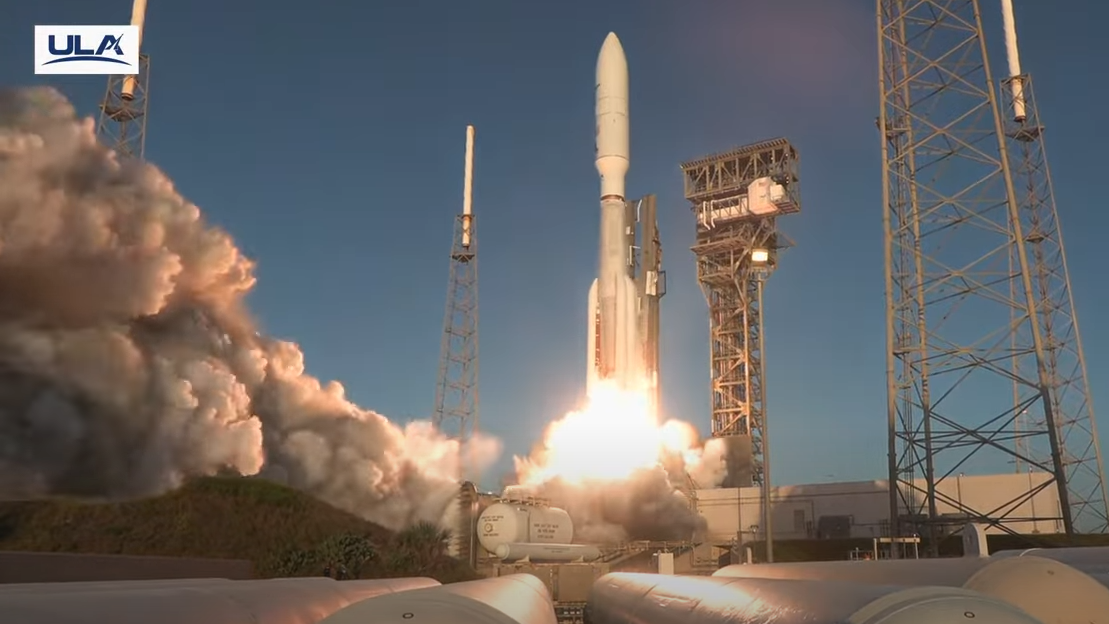
Amazon's second batch of 27 satellites for its Project Kuiper megaconstellation was launched by a ULA Atlas V rocket from Cape Canaveral, part of a plan to deploy over 3,200 satellites to provide global internet coverage, competing with SpaceX's Starlink and other global satellite projects.
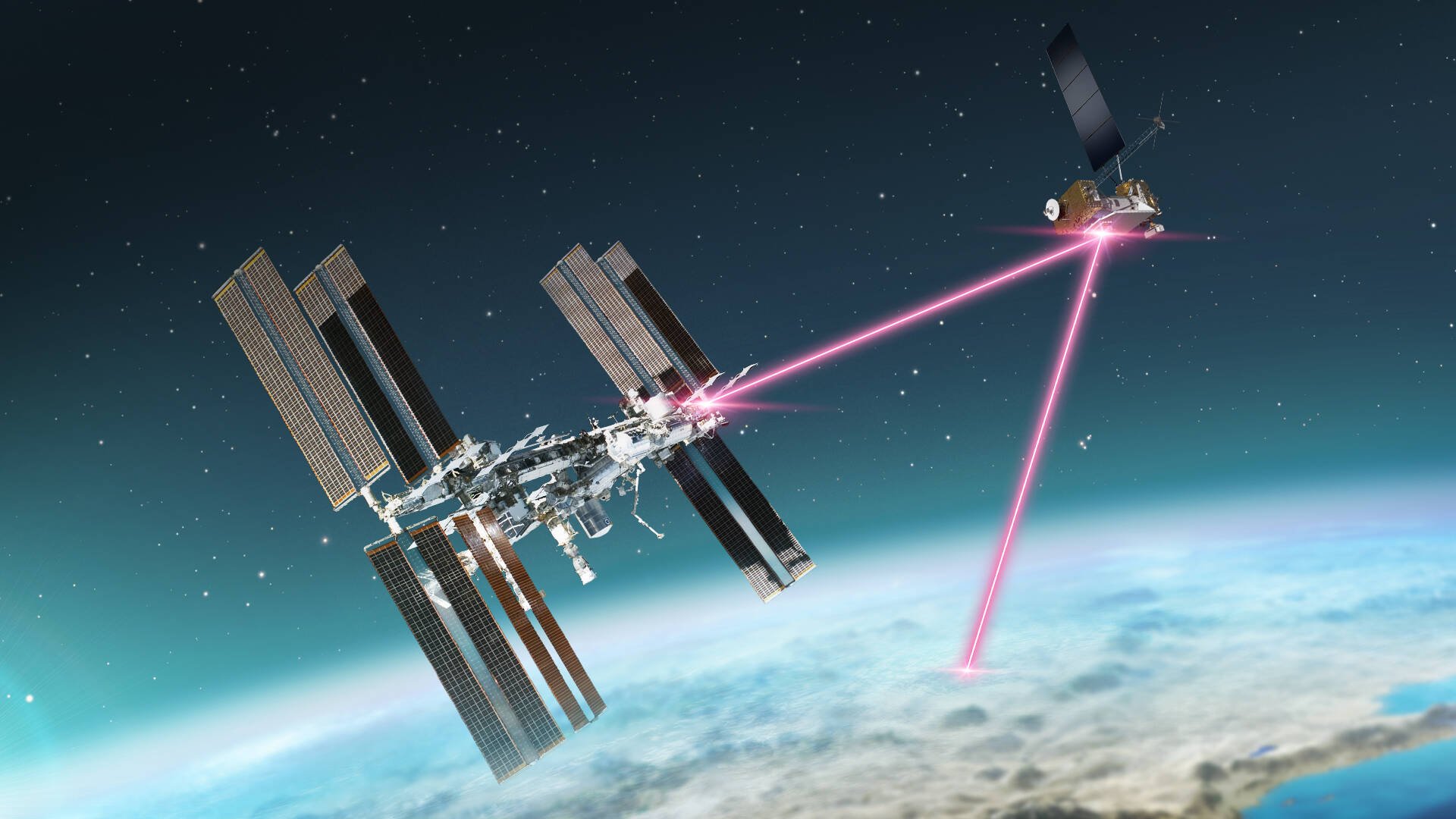
NASA is set to deploy its laser-based, gigabit-speed space internet on the International Space Station (ISS) with the arrival of the Integrated LCRD Low Earth Orbit User Modem and Amplifier Terminal (ILLUMA-T). ILLUMA-T will use NASA's Laser Communications Relay Demonstration (LCRD) satellite to relay data to ground stations in Hawaii and California. While transmission speeds from the ISS to LCRD are rated at 1.2Gbps, uploads back to the ISS will be 52Mbps. NASA sees laser communications as a supplement to radio systems, offering faster speeds, smaller equipment, and more space for scientific equipment. ILLUMA-T is expected to be delivered to the ISS in November and will undergo a six-month experimental phase before becoming an operational asset.
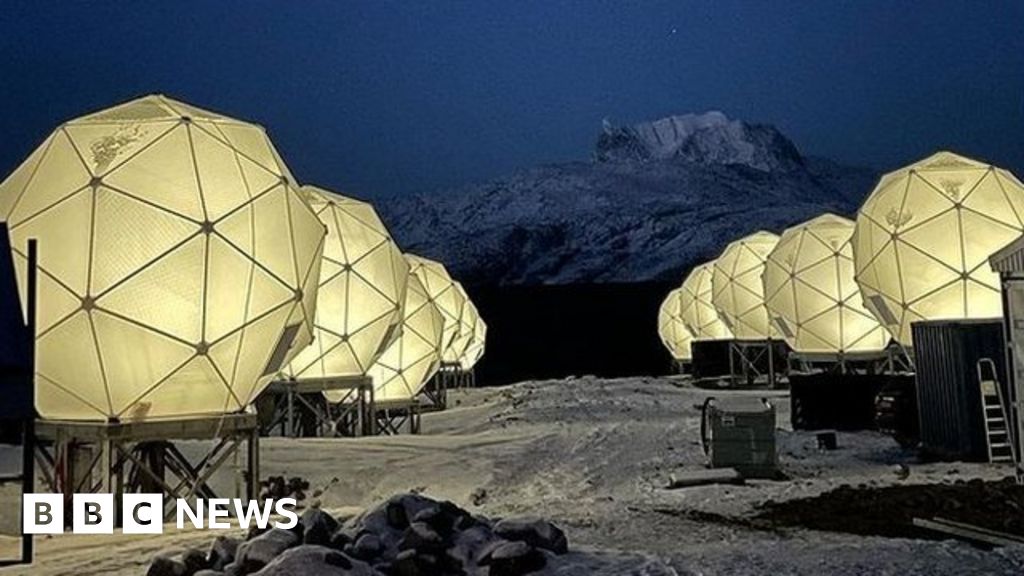
UK-based company OneWeb is set to launch the final 36 satellites in its space internet network this weekend, taking the in-orbit constellation to over 600. The system will be capable of delivering broadband internet to every corner of the Earth. OneWeb's clients are primarily telecoms companies that provide internet service, and the system will require ground infrastructure to command and control all the satellites and link them to the internet. The company was restored to operations thanks to a joint purchase from the UK government and the Indian conglomerate Bharti Global, who put in half a billion dollars each.
SpaceX launched 56 more older-generation Starlink satellites on Friday, as the company troubleshoots problems with a batch of upgraded Starlinks launched last month. The Falcon 9 rocket successfully deployed the 56 satellites into an orbit about 200 miles above Earth. SpaceX has swapped out the second-generation Starlink V2 Mini satellites for groupings of older Starlink V1.5 spacecraft on the next two Falcon 9 missions. SpaceX has launched 4,161 Starlink satellites to date, and 3,858 of the spacecraft are currently in orbit.