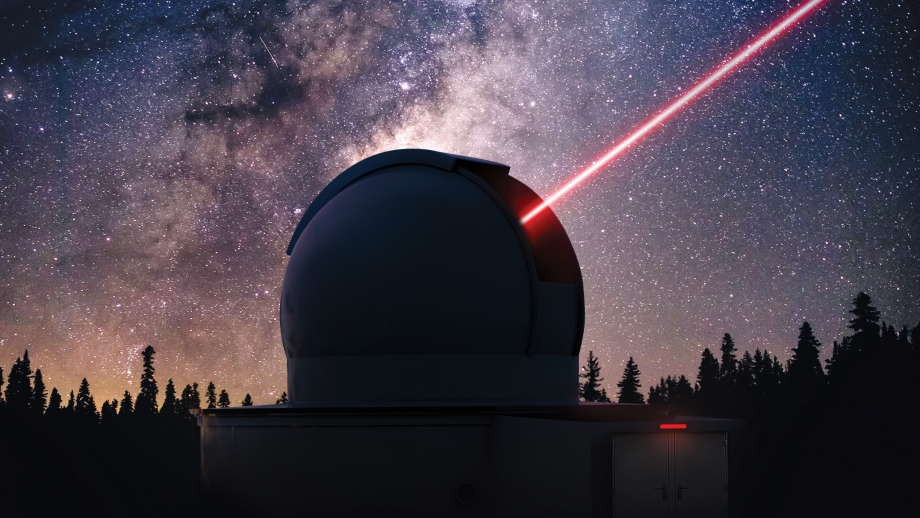
Rocket Lab's proposed acquisition of German laser communications firm Mynaric is under review by German authorities amid Europe's focus on developing domestic space and defense capabilities, raising questions about the deal's impact on European programs like IRIS² and national sovereignty in space technology.
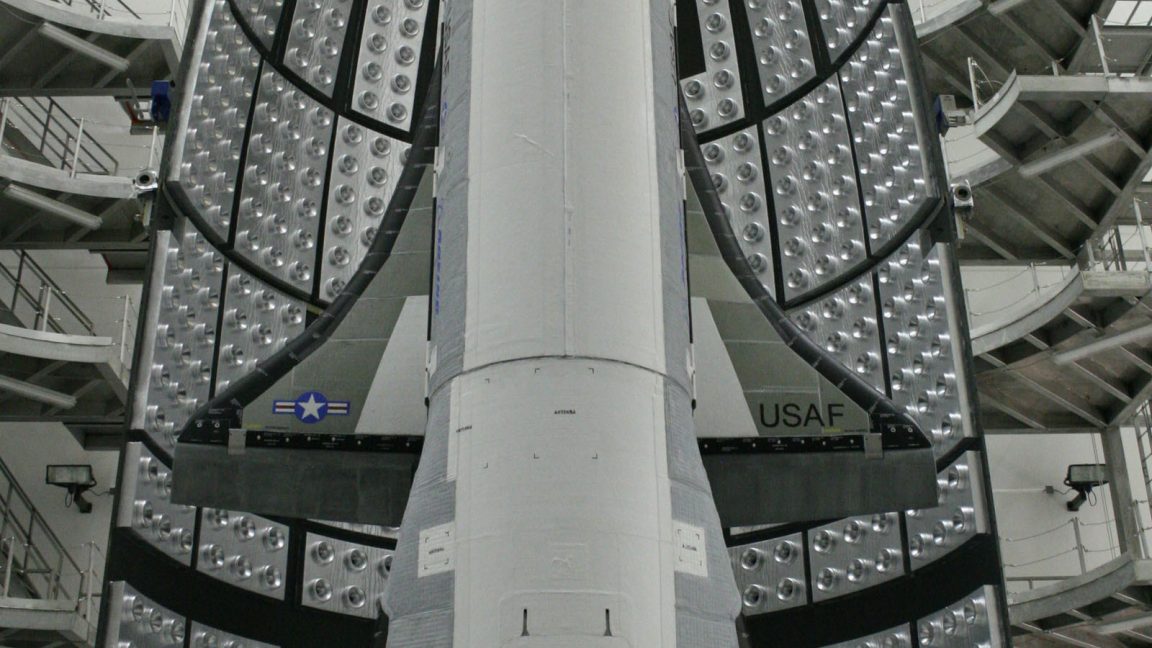
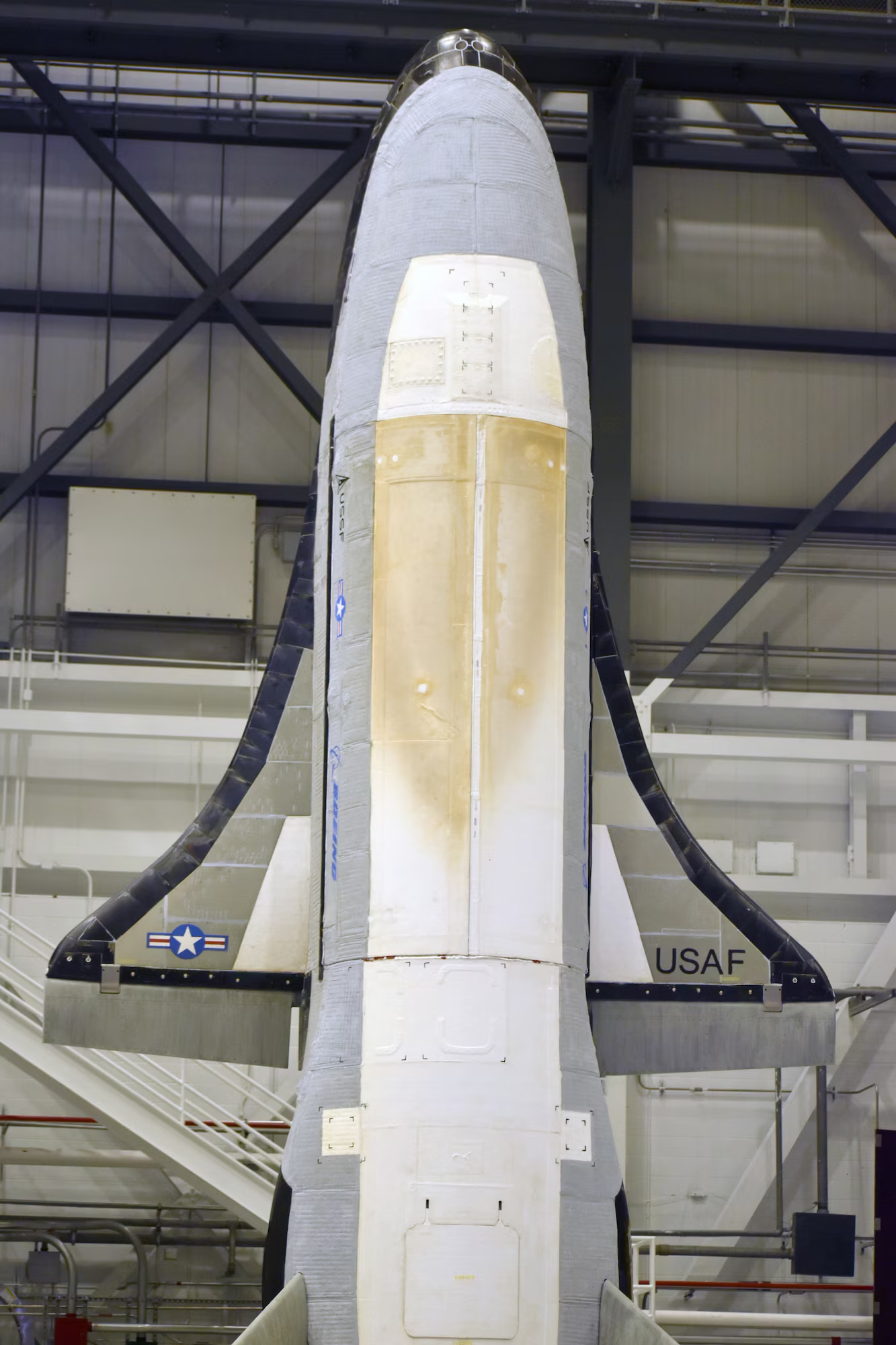
A secretive space plane is set to launch to test advanced quantum navigation technology and high-bandwidth laser communications, aiming to improve satellite communication resilience and enable precise navigation in GPS-degraded environments, with potential applications near the Moon and beyond.
The US Space Force is set to launch its eighth X-37B mission, featuring advanced experiments in laser communications and quantum inertial sensors to enhance space communication resilience and navigation capabilities, supporting future space exploration and security.
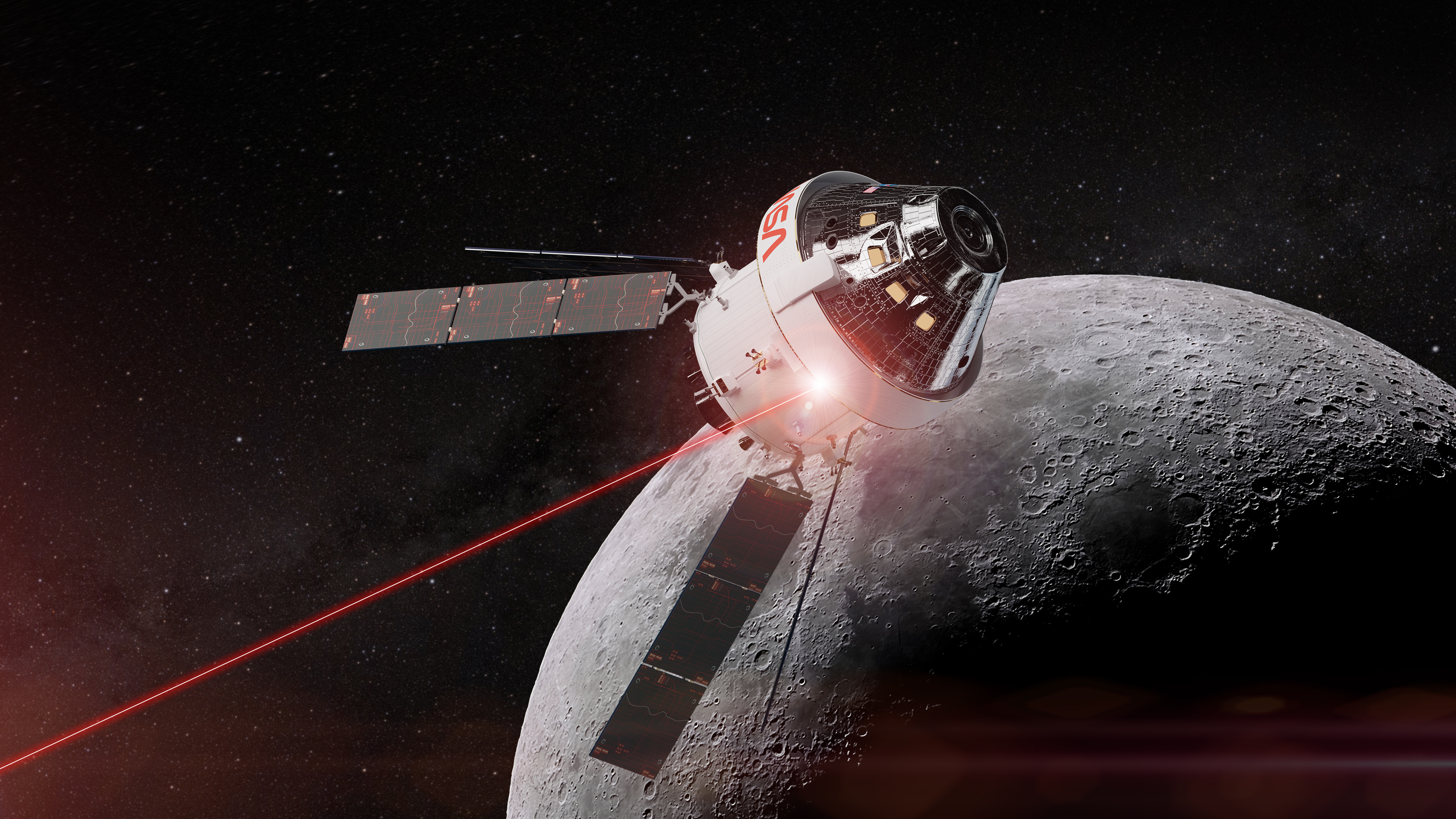
NASA and Australian researchers are collaborating to test laser communication technology for Artemis II, aiming to transmit high-definition data from the Moon using cost-effective, commercial-off-the-shelf parts, marking a significant step toward faster, scalable deep space communication systems.
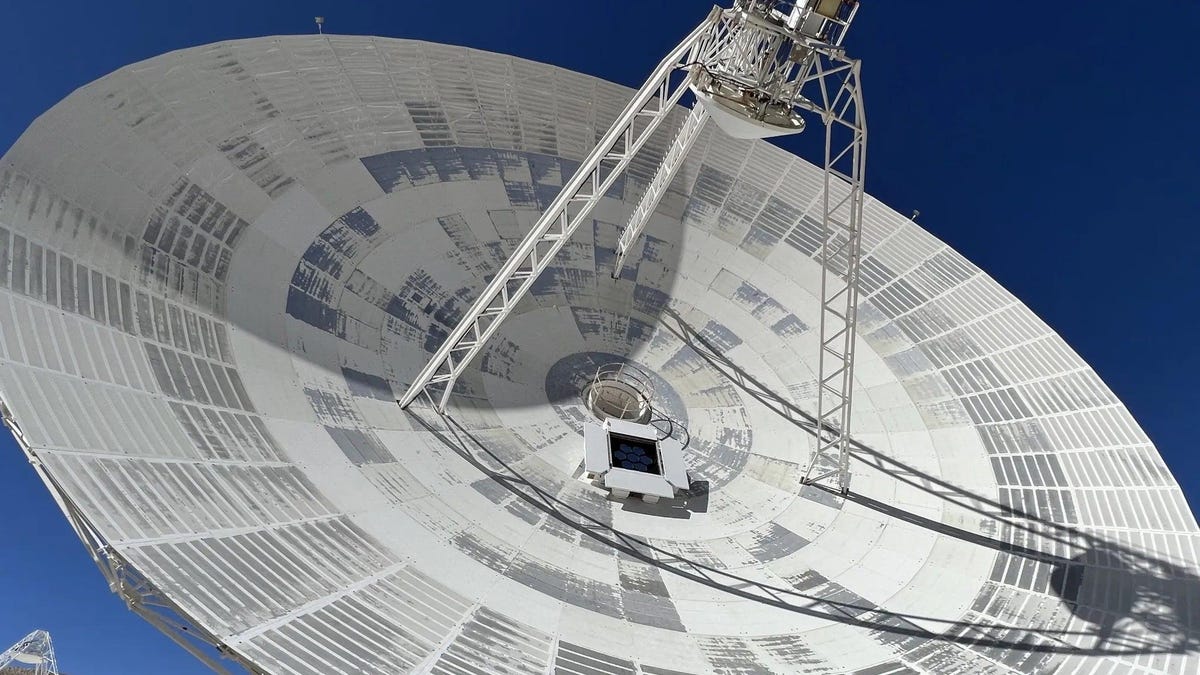
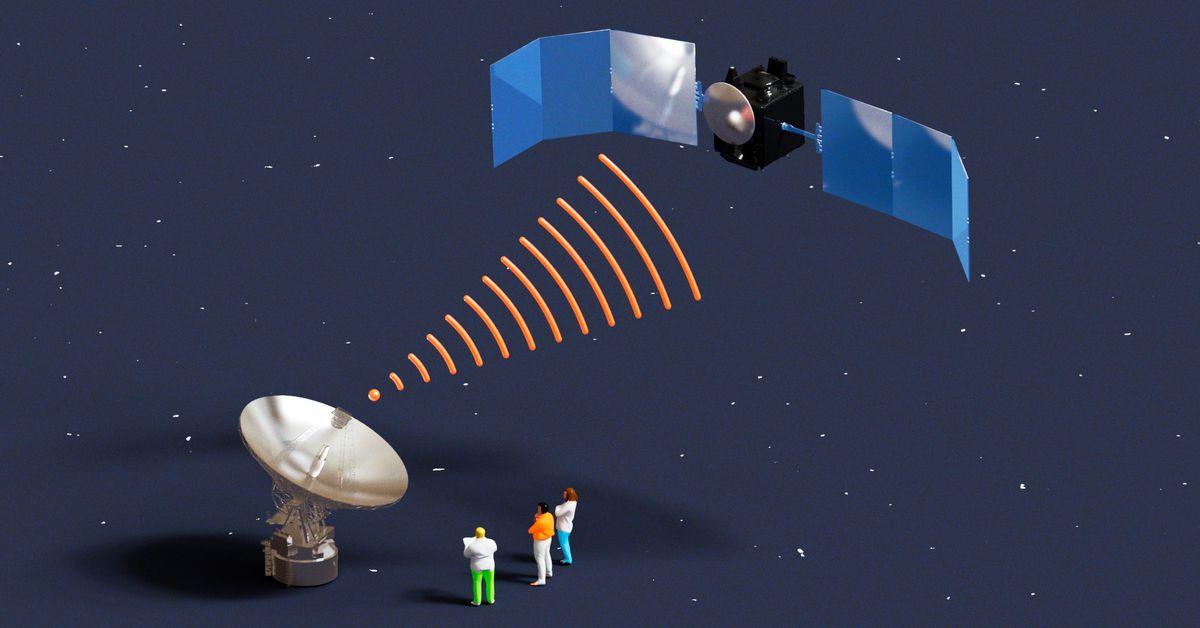
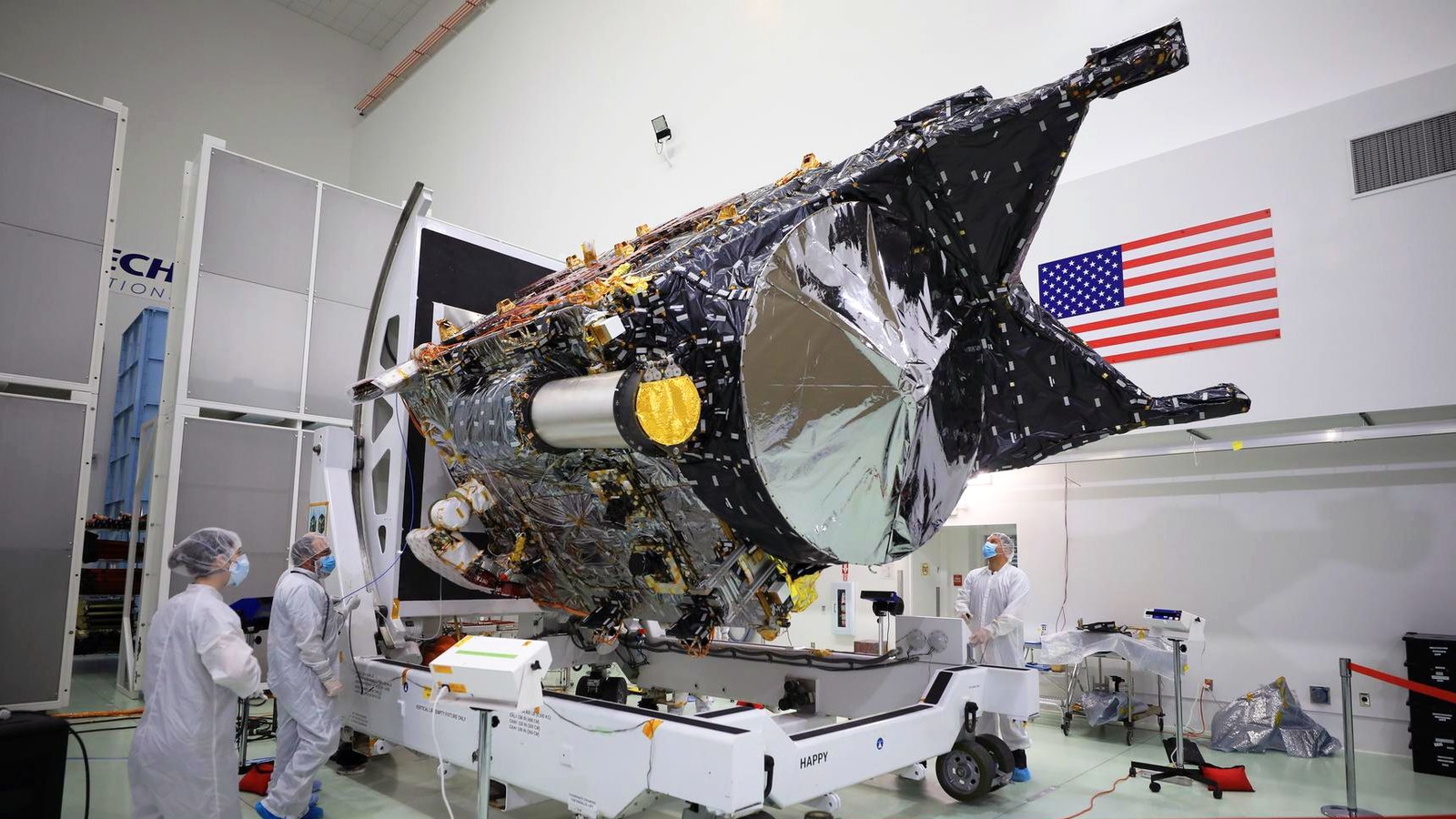
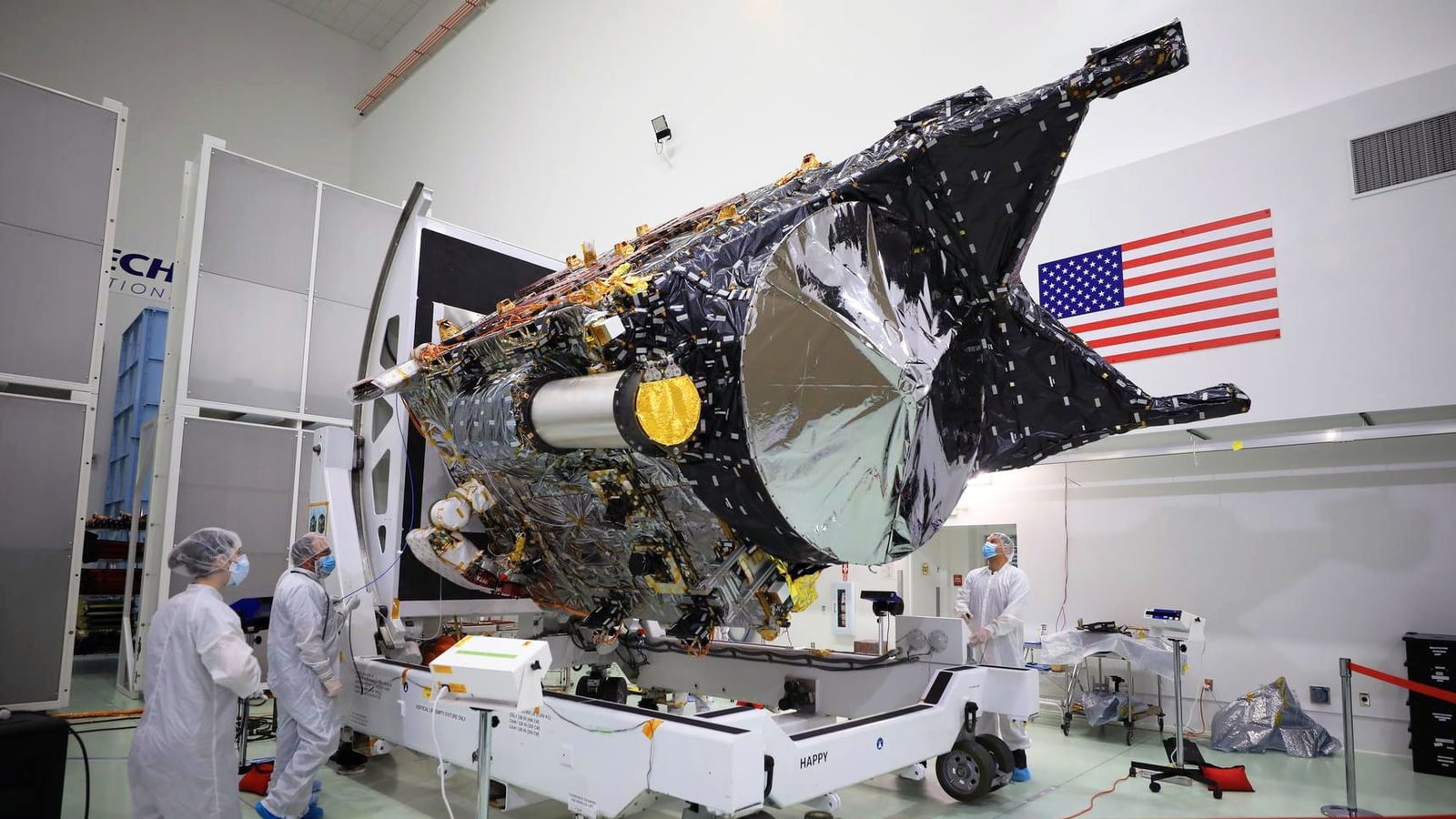
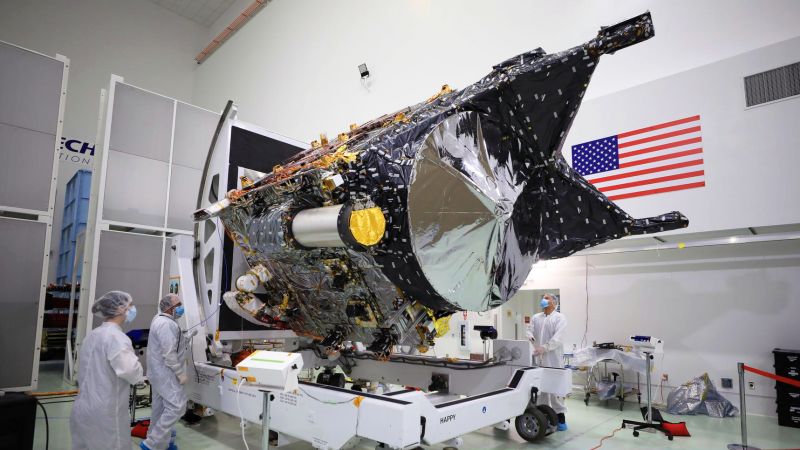
NASA has upgraded its Deep Space Network with a hybrid antenna capable of receiving both radio frequency and laser signals, marking a significant advancement in deep space communication. The experimental antenna, located at the California facility, successfully tracked and decoded a signal from a gold-capped laser transceiver attached to NASA’s asteroid probe Psyche, demonstrating synchronous radio and optical frequency deep space communications for the first time. This upgrade aims to meet the increasing demand for data transmission from deep space missions, with the hybrid antenna achieving data transfer speeds 40 times faster than traditional radio frequency communications at a distance of 20 million miles. The new technology paves the way for more efficient communication with future space explorations and enables the rapid transfer of high-resolution images and extensive scientific data from distant space missions.
NASA has funded the development of new laser communications technology through small business Fibertek Inc. to enable greater exploration and discovery beyond Earth. The Basestation Optical Laser Terminal, developed by Fibertek Inc., will be used during the Artemis II flight test to transmit high-resolution images and video of the lunar region to ground stations. This technology, which provides increased data rates, is essential for NASA's future communications capacity and navigation needs as it prepares to send humans back to the Moon and eventually to Mars.
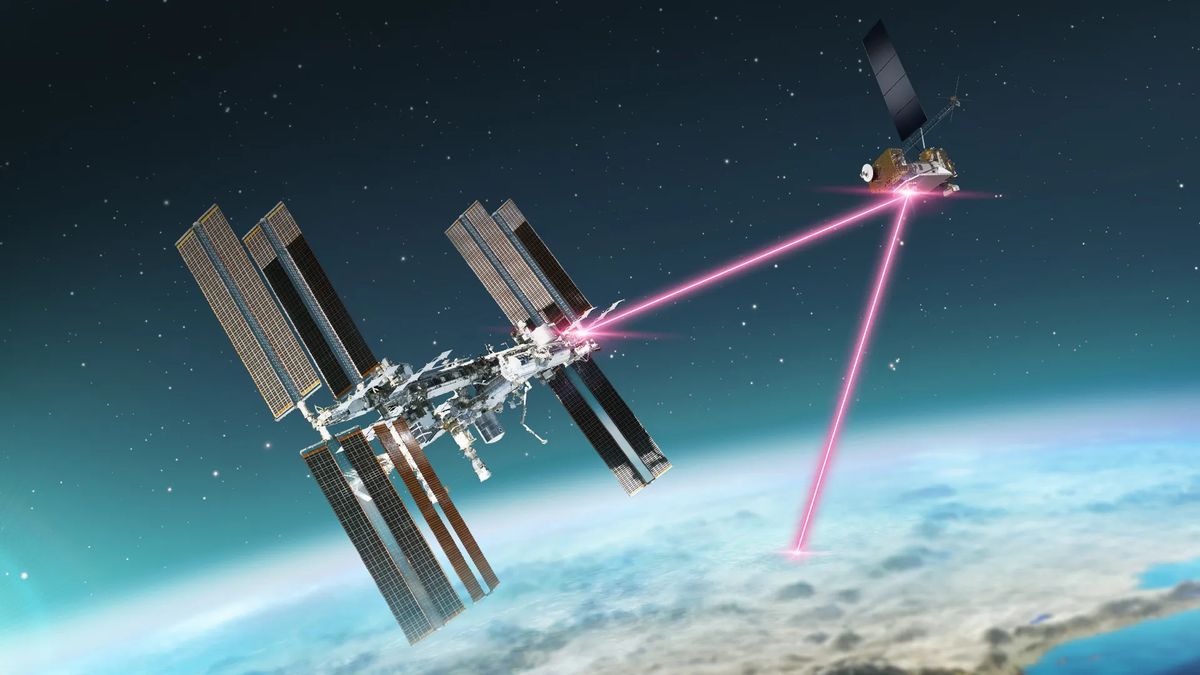
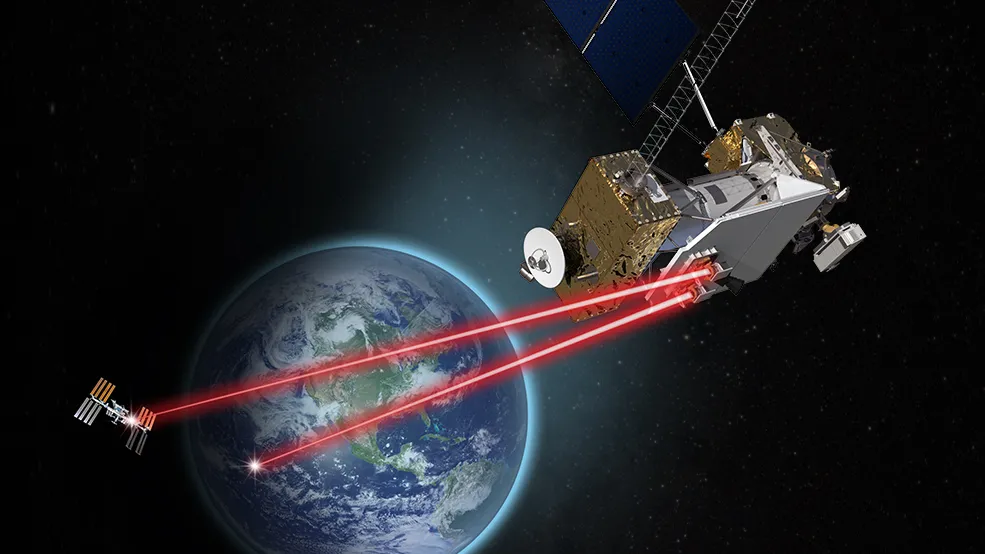
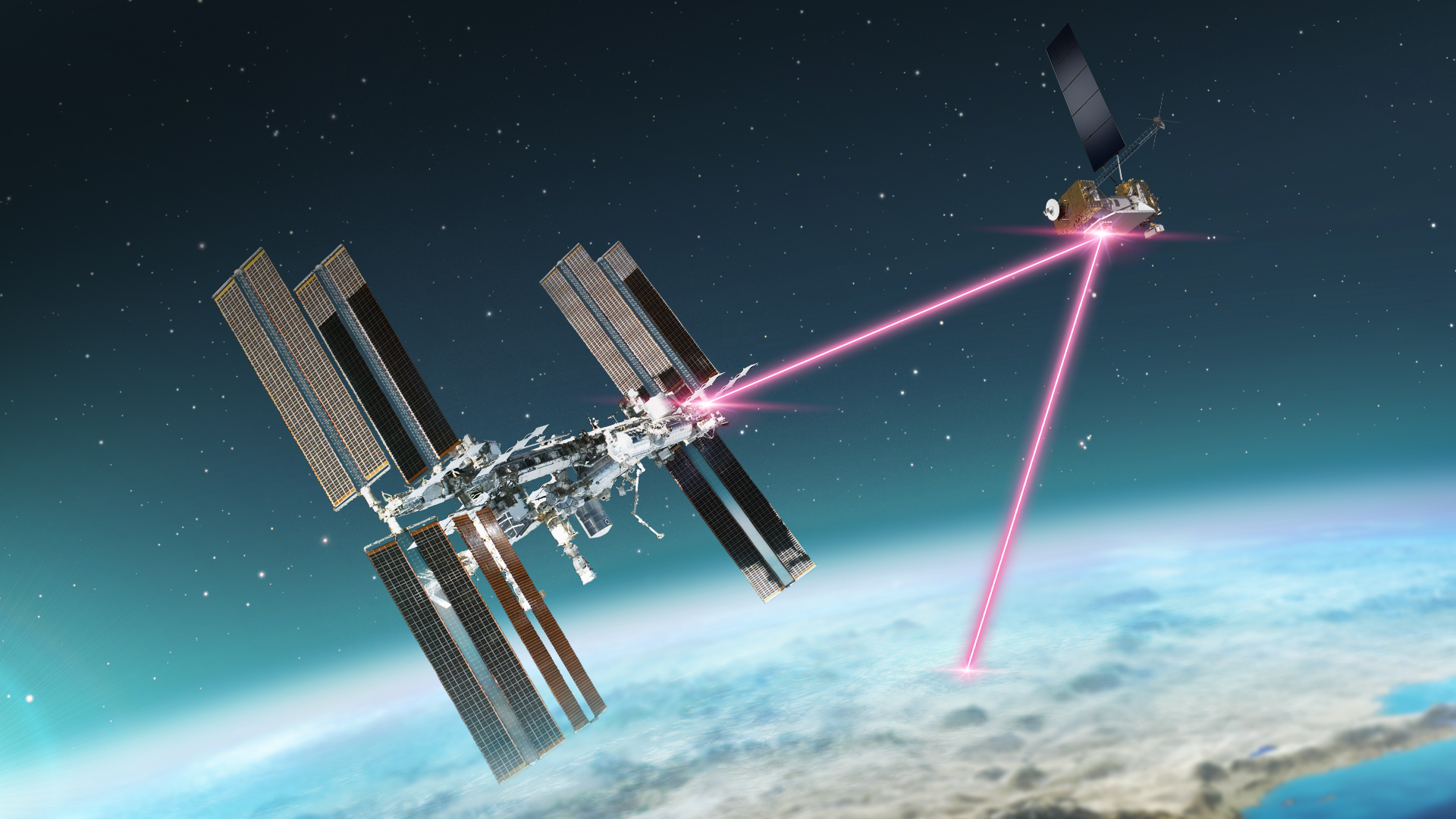
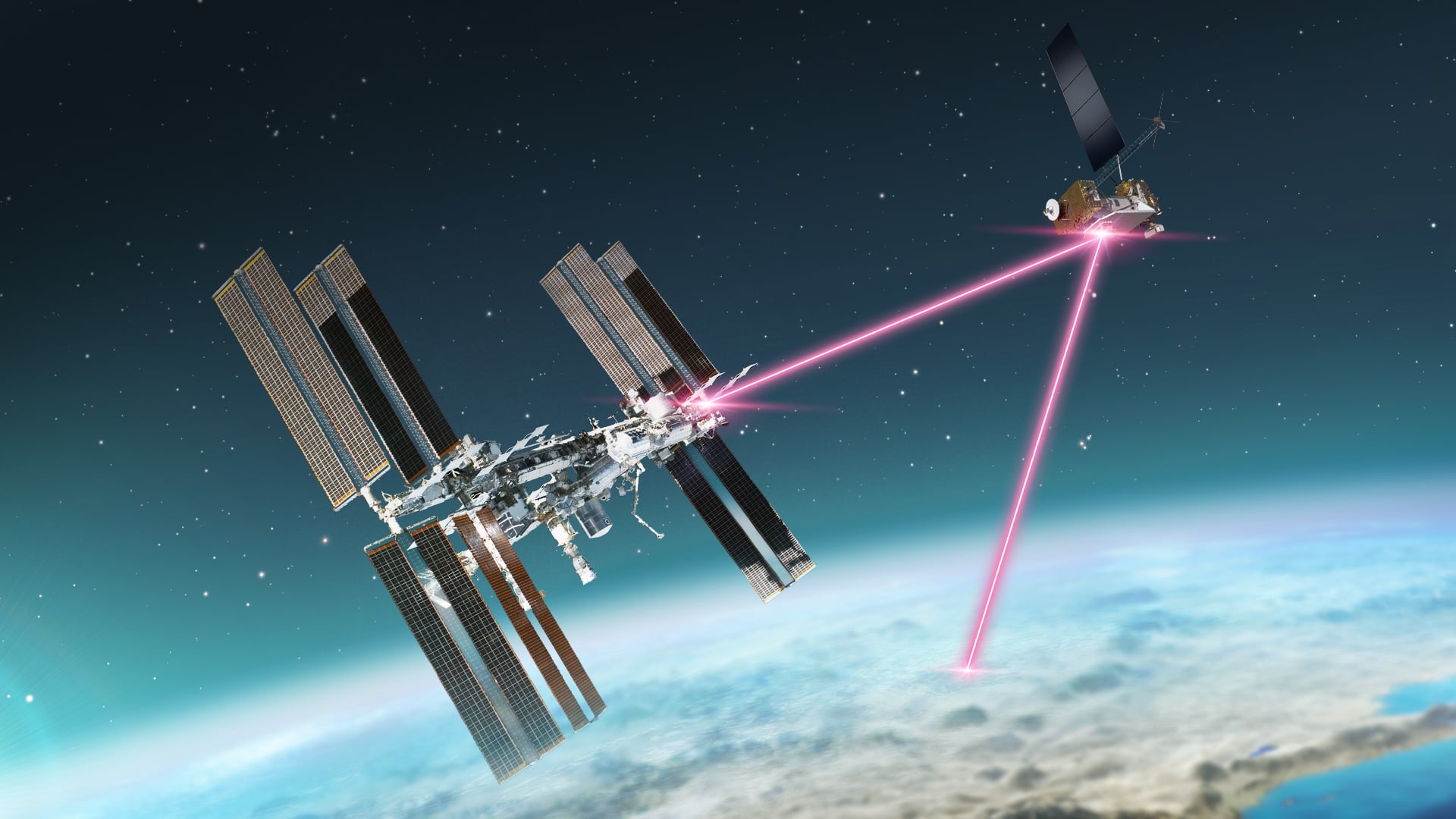
NASA has successfully completed its first two-way laser communication experiment using an in-orbit laser relay system, marking a significant advancement in space communication technology. The experiment, which involved laser terminals in different orbits, could pave the way for faster communications between Earth and the moon, and even beyond. The successful demonstration took years to set up and involved the use of the Integrated LCRD Low Earth Orbit User Modem and Amplifier Terminal (ILLUMA-T) payload, which was delivered to the International Space Station (ISS) and used to communicate with NASA's Laser Communications Relay Demonstration (LCRD) satellite. Laser communications offer greater efficiency and data transfer capabilities compared to traditional radio waves, making them crucial for future space exploration missions.
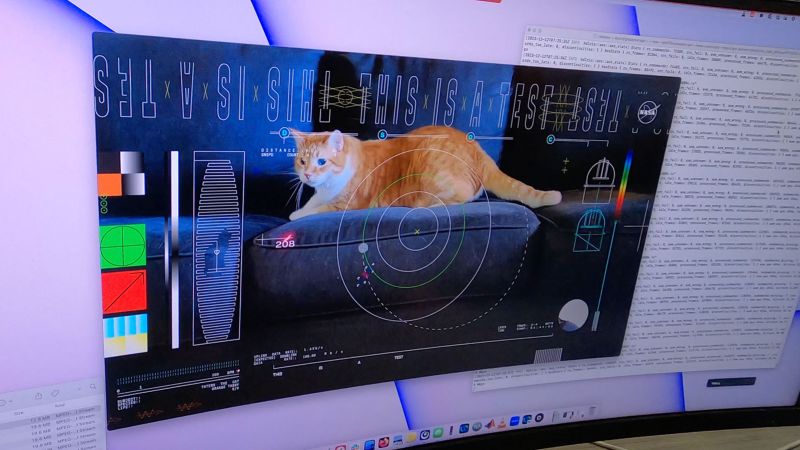
NASA's Deep Space Optical Communications experiment, part of the Psyche mission, has successfully beamed back a video from deep space using a laser. The video, featuring a cat named Taters chasing a laser pointer, was transmitted from the Psyche spacecraft to Earth using an invisible near-infrared laser. This technology could potentially be used to quickly transmit data, imagery, and videos during future interplanetary missions. The laser can send data at 10 to 100 times the speed of traditional radio wave systems, marking a significant advancement in optical communications for space exploration.
Laser communications are becoming increasingly important for space exploration, with recent advancements in the field. Two test missions, ILLUMA-T and Psyche, have successfully demonstrated data exchange using laser communication systems. The upcoming Artemis II mission plans to carry the Optical Communications System (O2O), which will enable live footage transmission from cis-lunar space. Laser communication systems offer higher data transmission rates and capacity compared to traditional radio wave communication, allowing for increased data volume and improved scientific measurements. However, integrating laser communication into existing systems like the International Space Station presents additional challenges.
NASA's Laser Communications Relay Demonstration (LCRD) and the Integrated LCRD Low Earth Orbit User Modem and Amplifier Terminal (ILLUMA-T) have successfully completed their first two-way laser link, marking NASA's first end-to-end laser relay system. This technology, using infrared light instead of radio waves, allows for more efficient data transfer and has the potential to accelerate scientific discoveries. The experiments are part of NASA's Space Communications and Navigation program and demonstrate how laser communications can benefit future space missions, including keeping astronauts connected during exploration of the Moon, Mars, and beyond.
NASA's Laser Communications Relay Demonstration (LCRD) and the Integrated LCRD Low Earth Orbit User Modem and Amplifier Terminal (ILLUMA-T) have successfully completed their first two-way laser link, marking NASA's first end-to-end laser relay system. This technology, which uses infrared light instead of radio waves, allows for more efficient data transfer and has the potential to significantly benefit science and exploration missions. The ILLUMA-T payload was installed on the International Space Station and is now communicating with LCRD, exchanging data at 1.2 gigabits-per-second. NASA is actively seeking experiments to work with LCRD to further optimize laser communications technologies.
NASA's Deep Space Network (DSN), the communication infrastructure that connects spacecraft with engineers and scientists on Earth, is struggling to handle the increasing data load from a growing number of missions. Thousands of hours of science observations are being lost, and the network is oversubscribed by up to 40%. To meet the demands of future space exploration, experts suggest turning to laser communications, which can provide higher bandwidth and alleviate the strain on the DSN. NASA is already testing optical communications systems, and while there are challenges to overcome, such as cloud cover and spacecraft tumbling, optical communications could be a game changer for transmitting large quantities of data in the future.
NASA's Psyche mission has achieved a major milestone by successfully demonstrating laser communications from a distance of 10 million miles away, marking the most distant use of high-bandwidth laser communications. The Deep Space Optical Communications technology demonstration (DSOC) on board the Psyche spacecraft sent and received its first data using an invisible near-infrared laser, which can transmit data at 10 to 100 times the speed of traditional radio wave systems. If successful, this experiment could pave the way for future communication technology for human exploration of Mars.
NASA's Psyche mission has achieved a major milestone by successfully demonstrating laser communications from a distance of 10 million miles away, marking the most distant use of high-bandwidth laser communications. The Deep Space Optical Communications technology demonstration (DSOC) on board the Psyche spacecraft sent and received its first data using an invisible near-infrared laser, which can transmit data at 10 to 100 times the speed of traditional radio wave systems. If successful, this experiment could pave the way for future communication technology for human exploration of Mars.
NASA's Psyche mission, en route to a metal asteroid between Mars and Jupiter, has successfully demonstrated the most distant use of laser communications. The Deep Space Optical Communications technology demonstration (DSOC) achieved "first light" by sending and receiving data encoded in a laser beam from nearly 10 million miles away. This experiment could pave the way for high-bandwidth laser communications that enable faster data transmission for future space missions, including human exploration of Mars. The DSOC team will continue refining the system's pointing accuracy as the spacecraft travels farther from Earth.