Amazon's second batch of 27 satellites for its Project Kuiper megaconstellation was launched by a ULA Atlas V rocket from Cape Canaveral, part of a plan to deploy over 3,200 satellites to provide global internet coverage, competing with SpaceX's Starlink and other global satellite projects.
United Launch Alliance's Atlas V rocket successfully returned to service after a 10-month gap in launches, deploying multiple satellites into geosynchronous orbit for the National Reconnaissance Office and the US Space Force. This mission marked the beginning of the wind-down of the Atlas V program, with 18 more flights scheduled, primarily for Amazon's Kuiper broadband network and Boeing's Starliner crew capsule. Despite delays caused by customer issues, ULA plans to continue launching Atlas V rockets until the new Vulcan rocket is fully operational. The recent launch demonstrated the rocket's ability to deliver payloads to geosynchronous orbits, a task currently accomplished by only a few US launch vehicles.
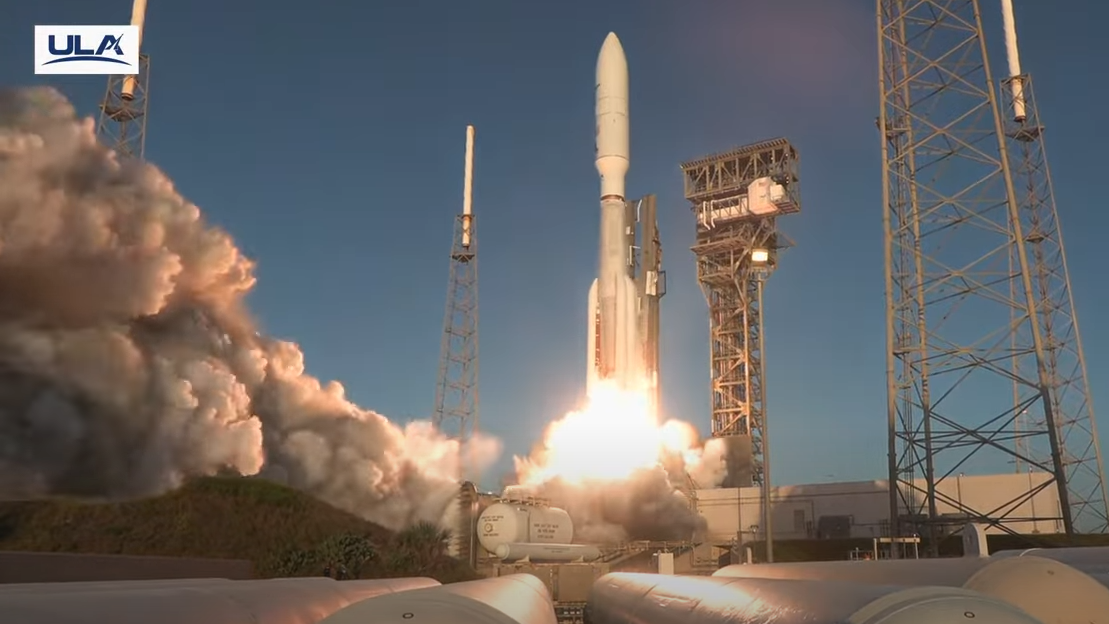
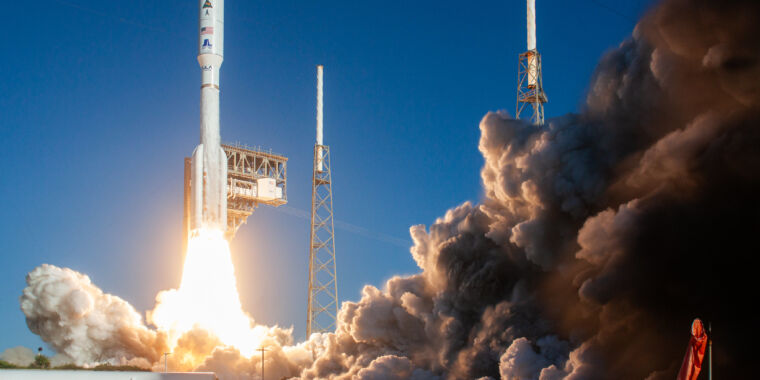
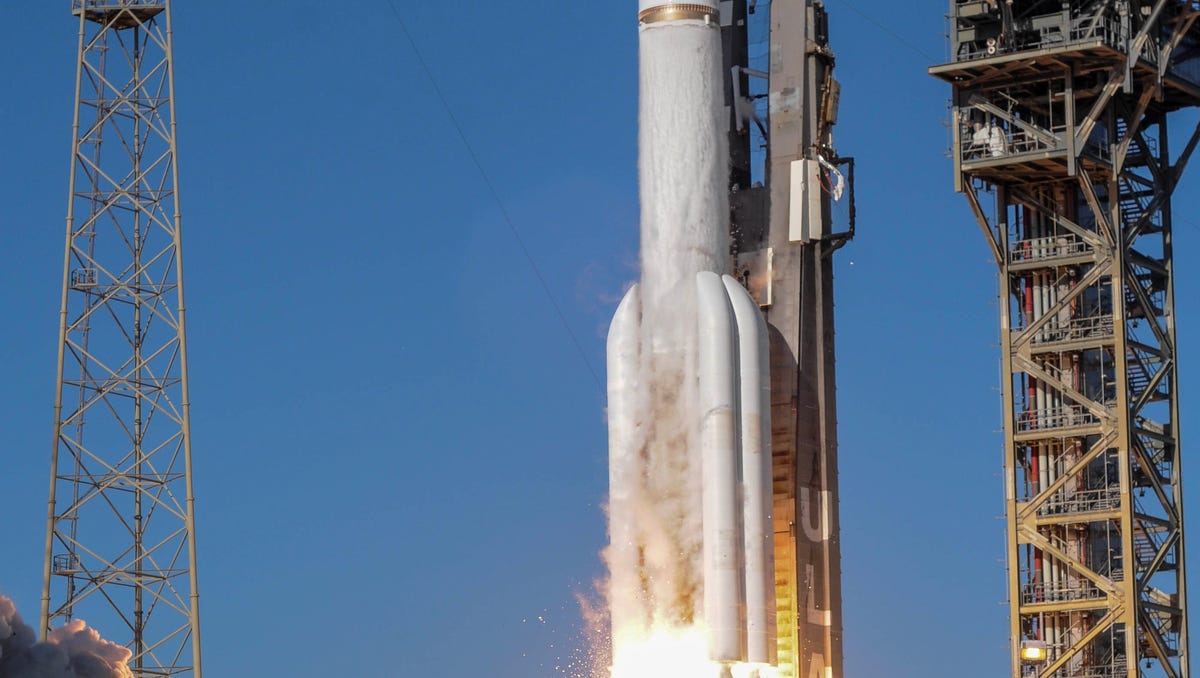
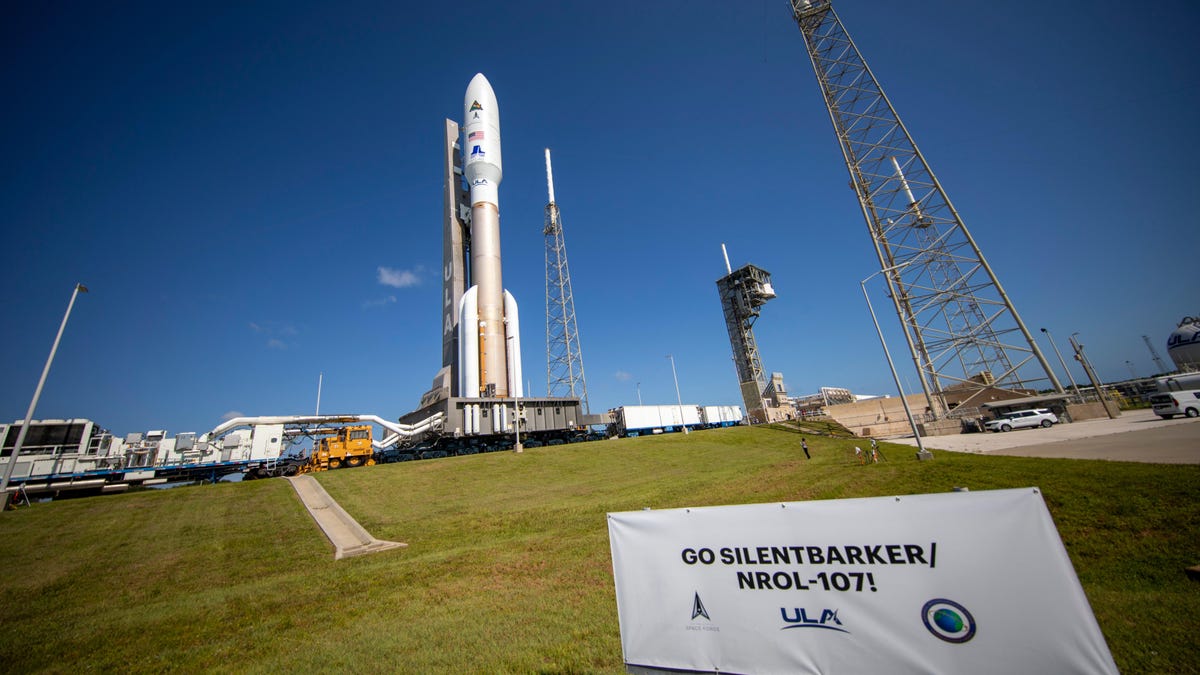
United Launch Alliance's most powerful version of the Atlas V rocket successfully launched a national security mission for the U.S. Space Force and National Reconnaissance Office from Cape Canaveral, Florida. The mission, named SILENTBARKER/NROL-107, included multiple payloads aimed at providing space situational awareness and tracking. The rocket's destination was geosynchronous orbit, requiring ULA's most powerful variation of the Atlas V rocket. This marked ULA's 18th and final NRO mission aboard an Atlas V rocket, as future national security missions will be launched using ULA's next-generation Vulcan Centaur rocket. The next rocket launch from Florida is expected to be a Falcon 9 Starlink mission by SpaceX.
The launch of the Silent Barker multi-payload satellite, designated as NROL-107, has been delayed due to an approaching tropical storm. The mission, conducted by the United Launch Alliance (ULA) on behalf of the Space Force and the National Reconnaissance Office (NRO), aims to place highly secretive payloads into geosynchronous orbit. Silent Barker will act as a "watchdog" in geosynchronous orbit, monitoring satellites that reposition themselves and potentially pose a threat to U.S. spacecraft. The exact capabilities and details of the mission remain classified.
The U.S. Space Force and the National Reconnaissance Office are preparing to launch the SILENTBARKER/NROL-107 mission to track threats in orbit. Riding on a United Launch Alliance Atlas V rocket, the mission aims to detect and track objects in space, enhancing space domain awareness. The launch is scheduled for August 29, but may be affected by Tropical Storm Idalia. The mission is a collaboration between the Space Force and the NRO to meet space protection goals. Increased space domain awareness is crucial for managing threats and space debris, which can incapacitate satellites and missions.
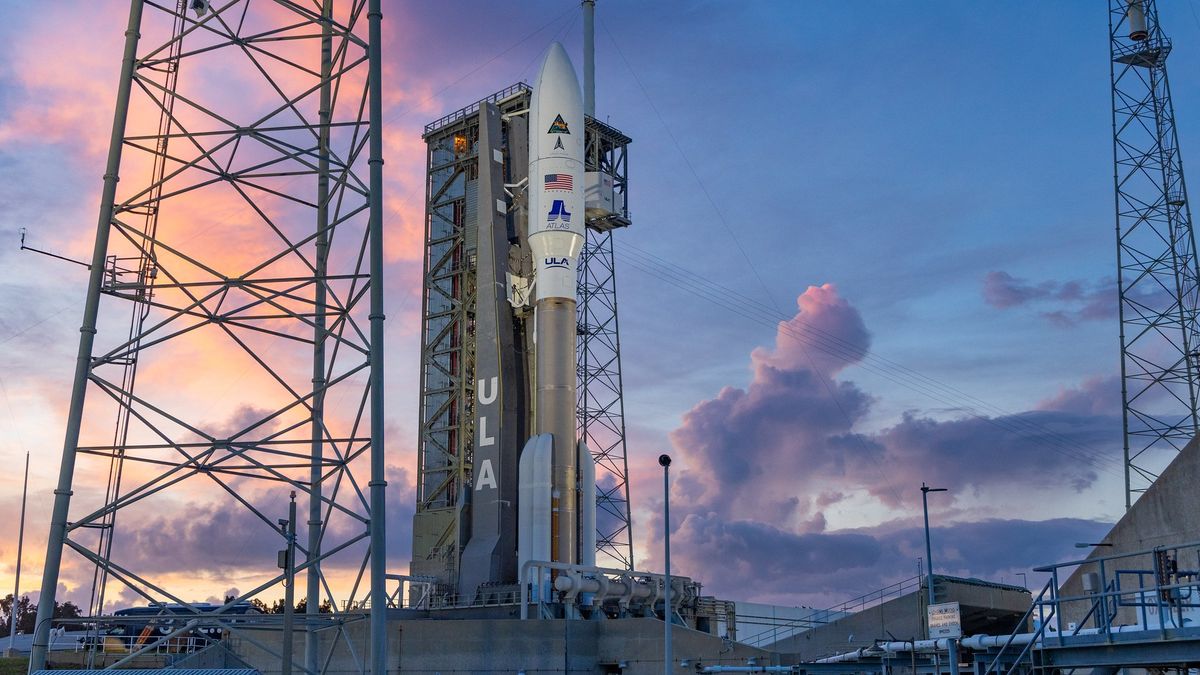
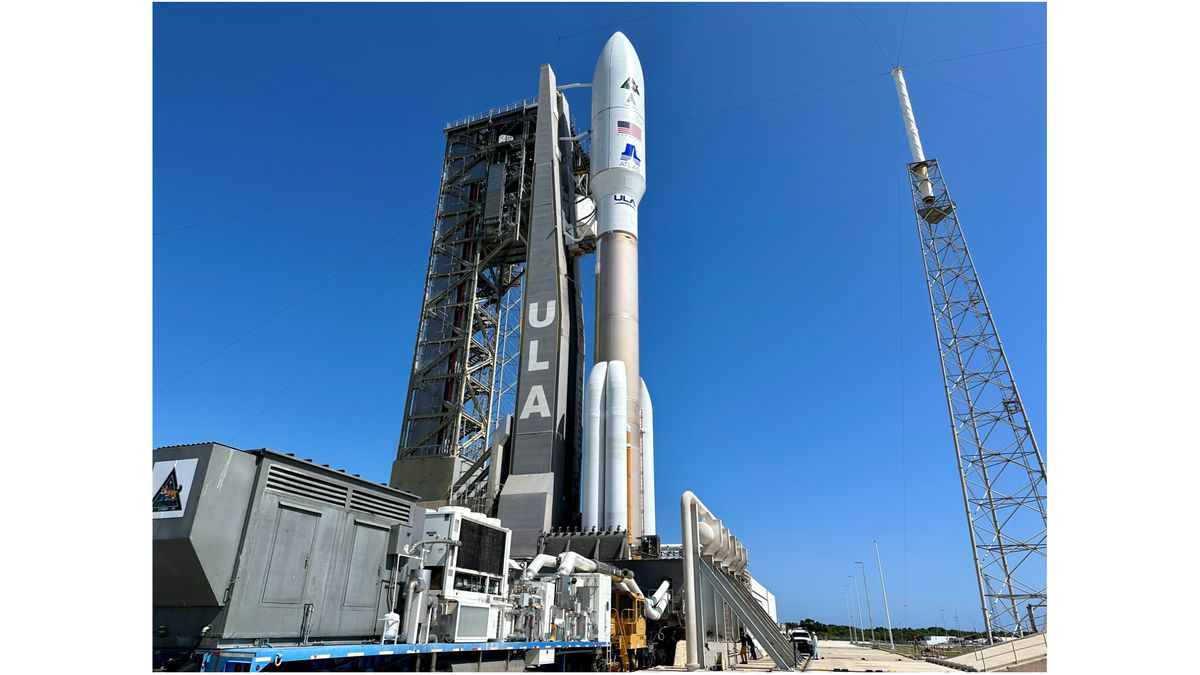
United Launch Alliance (ULA) has rolled its Atlas V rocket to the launch pad at Cape Canaveral Space Force Station in preparation for the launch of the "Silent Barker" mission, a joint effort between the U.S. Space Force and the National Reconnaissance Office (NRO). The mission aims to enhance the NRO's intelligence capabilities by providing timely information for national decision makers and supporting humanitarian efforts. The Atlas V has a successful track record with 97 launches to date, and ULA plans to replace it with the Vulcan Centaur rocket in the future.