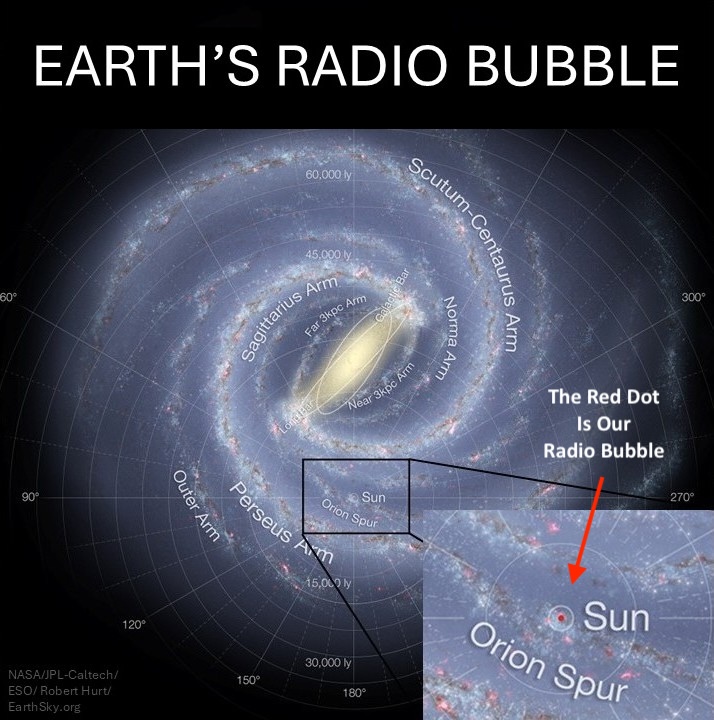
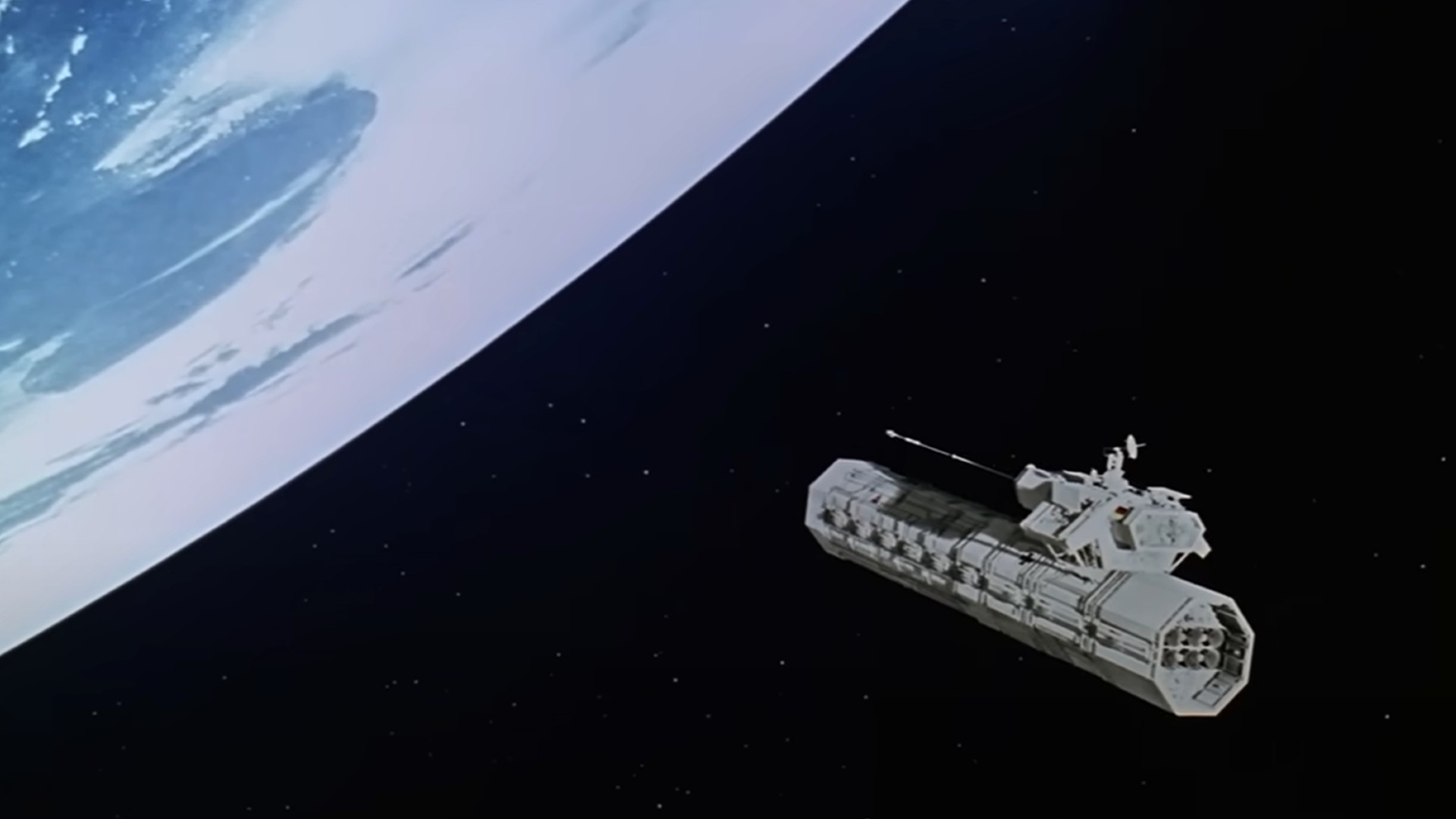
Earth's radio bubble, originating from the first broadcast in 1906, has expanded to a radius of 119 light-years, reaching some nearby stars but only a tiny fraction of the Milky Way, and is gradually diminishing as technology advances.
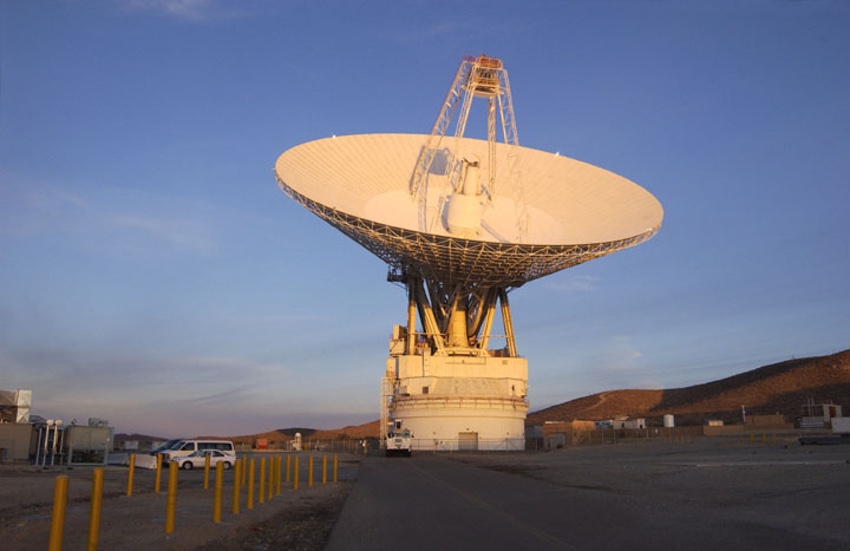
A key 70-meter antenna (DSS-14) at NASA's Deep Space Network in Goldstone, California, was damaged in September and remains offline, potentially impacting communication with deep space missions. The incident has added to existing concerns about the overstretched network, which is crucial for missions like Artemis, James Webb, and Voyager 2, amid budget constraints and increasing mission demands.
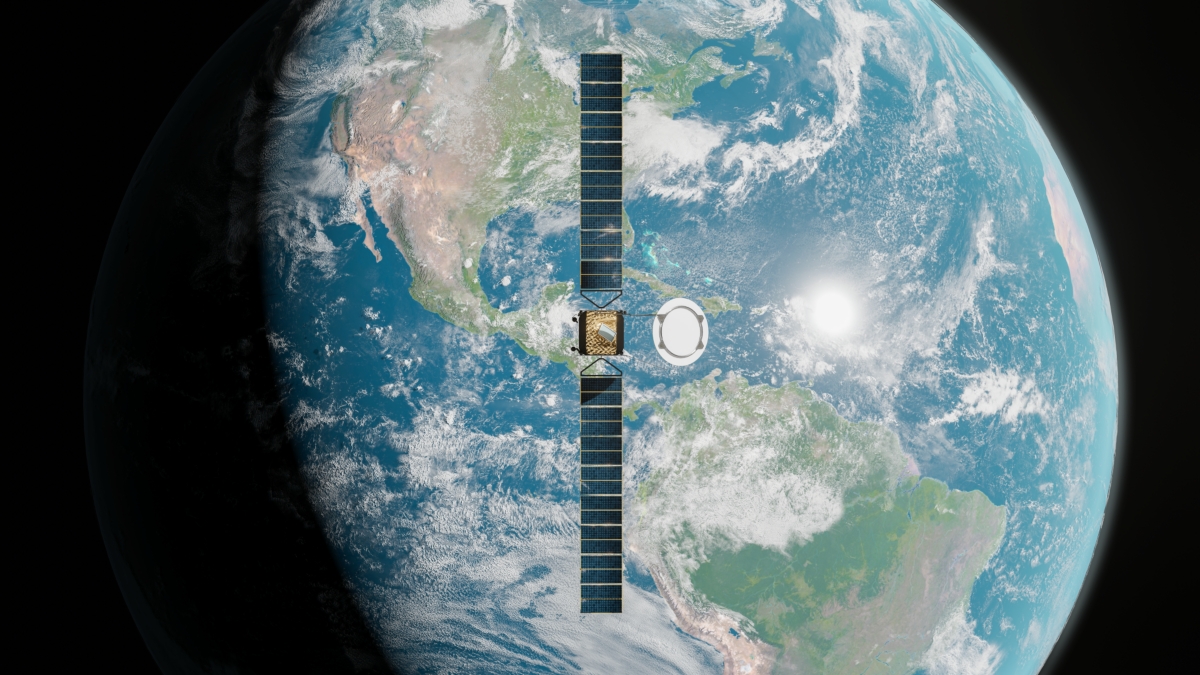
Viasat is expanding into the U.S. military satellite market by designing customized, maneuverable, dual-band geostationary satellites for secure communications, leveraging its commercial satellite technology and aiming to compete in programs like PTS-G and MGEO, while also exploring opportunities in missile defense and space-based relay systems.
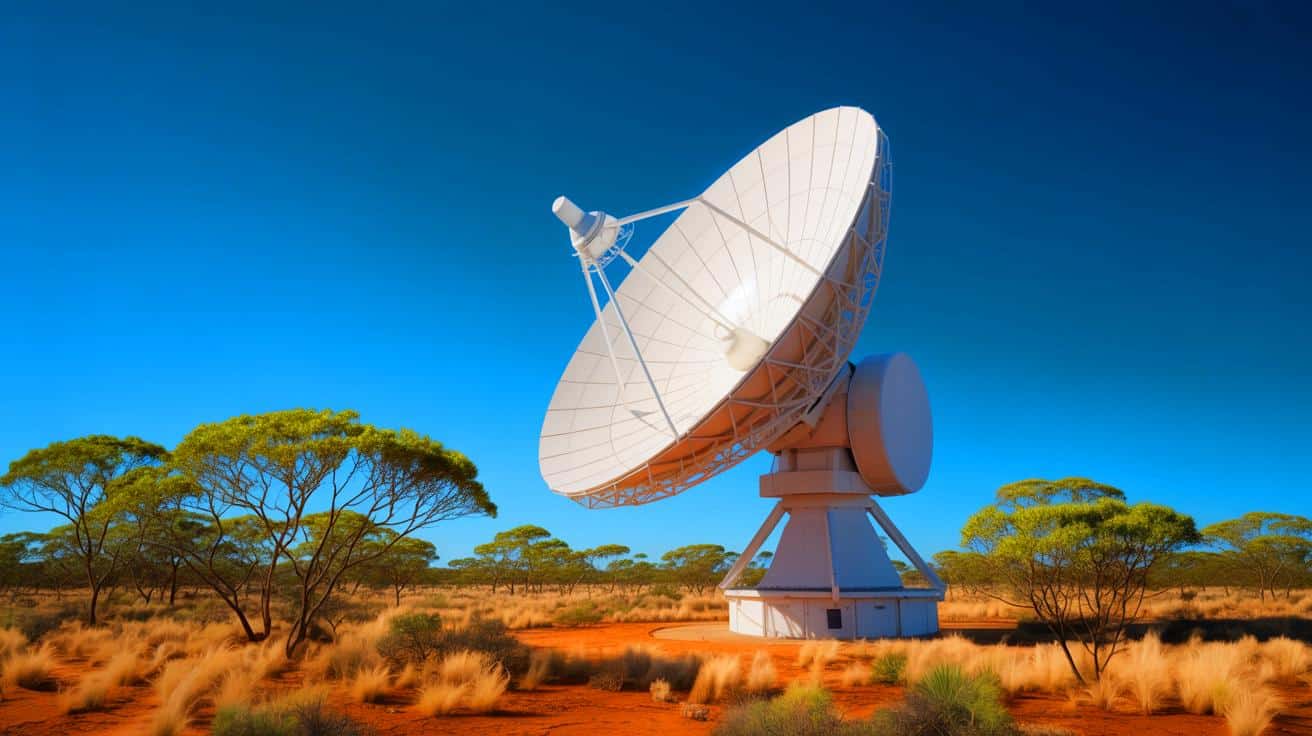
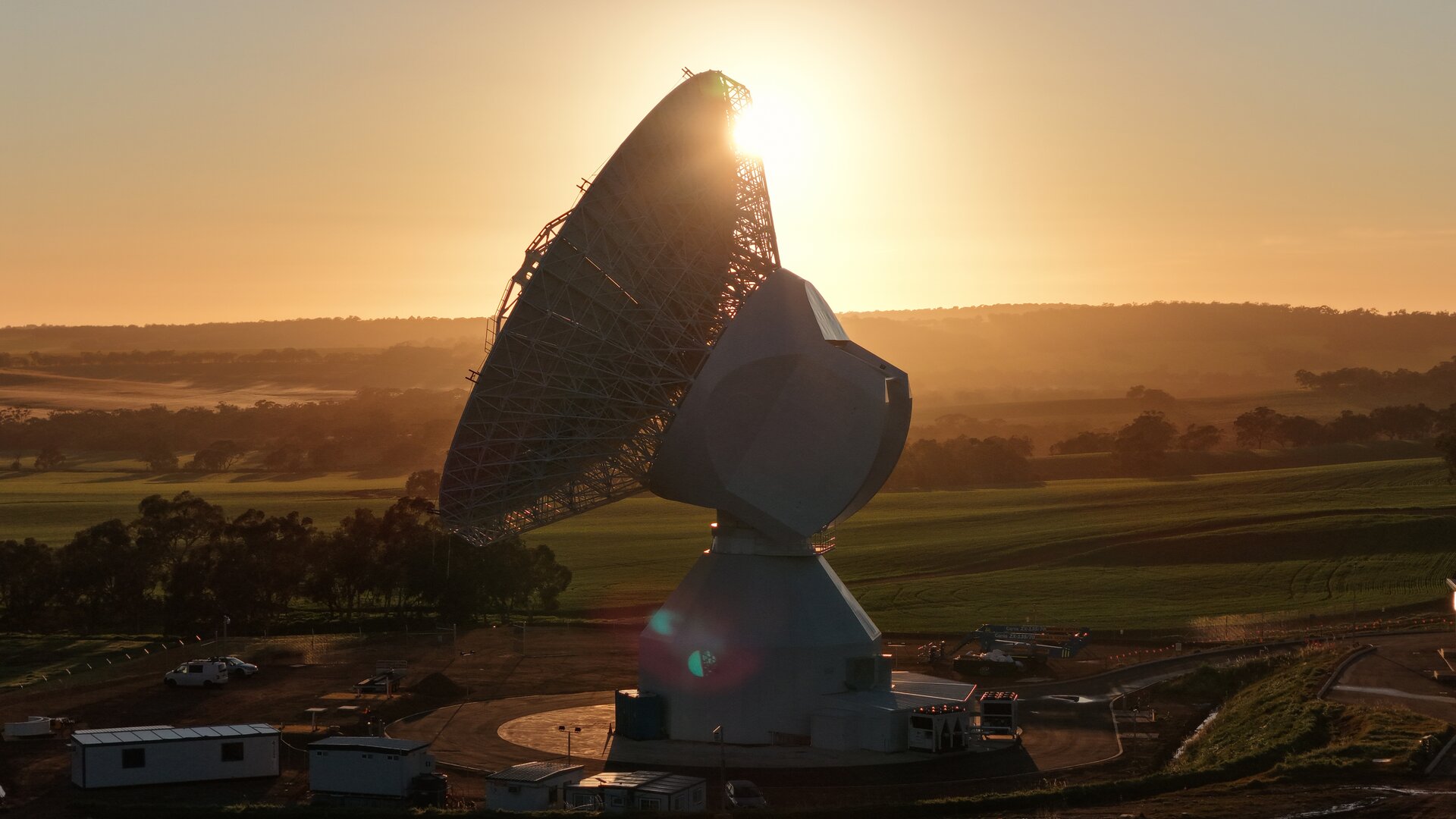
The European Space Agency has unveiled a new 115-foot deep space antenna in New Norcia, Australia, to enhance global space communication, support missions like Juice and Mars Express, and foster international cooperation, with significant scientific and economic benefits expected over its 50-year lifespan.
The European Space Agency (ESA) has inaugurated a new 35-meter deep space antenna in New Norcia, Australia, enhancing its ability to communicate with distant spacecraft and supporting current and future missions, while strengthening international collaboration and regional partnerships.
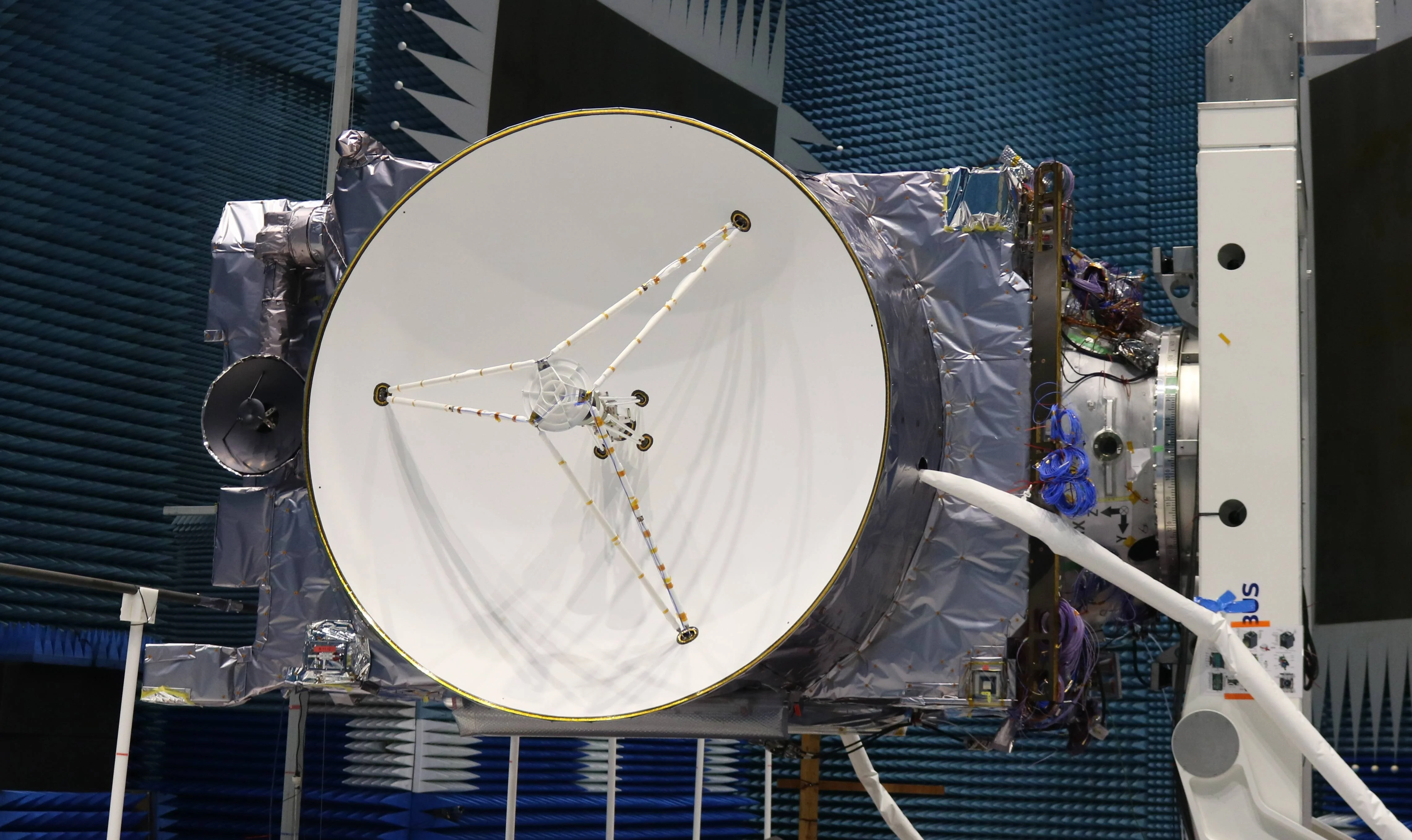
ESA's Juice spacecraft experienced a communication loss due to a software bug involving a timer that controls the signal amplifier, which was fixed after ground commands successfully reactivated the amplifier. The issue was caused by a timer wraparound problem that occurs every six months, but it was resolved without major impact, and the spacecraft is now en route to Venus for a gravity-assist flyby.
NASA is shifting from building its own relay spacecraft to purchasing connectivity as a service for Mars missions, sparking a competitive race among companies like Blue Origin, Rocket Lab, SpaceX, and Lockheed Martin to develop a new, reliable data pipeline that can handle the challenges of deep space communication and support future human exploration.
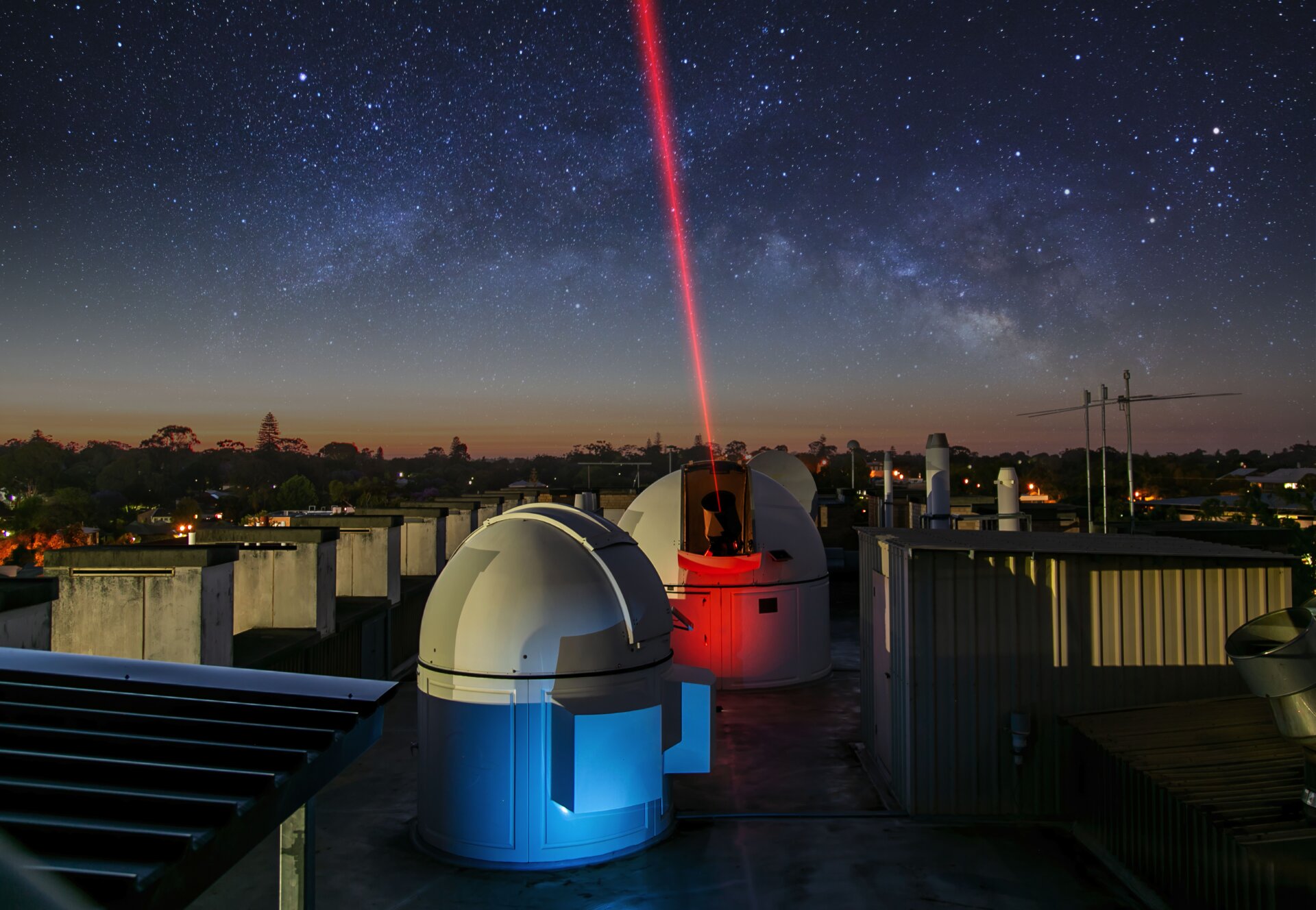
Scientists at ESA successfully used a laser to communicate with a spacecraft 165 million miles away, marking a significant step toward developing a Solar System Internet with faster data transmission capabilities for future space missions.
The European Space Agency is broadcasting Johann Strauss II's 'Blue Danube' waltz towards NASA's Voyager 1 probe to celebrate its 50th anniversary and Strauss's bicentennial, with the event streamed live for space and music enthusiasts.
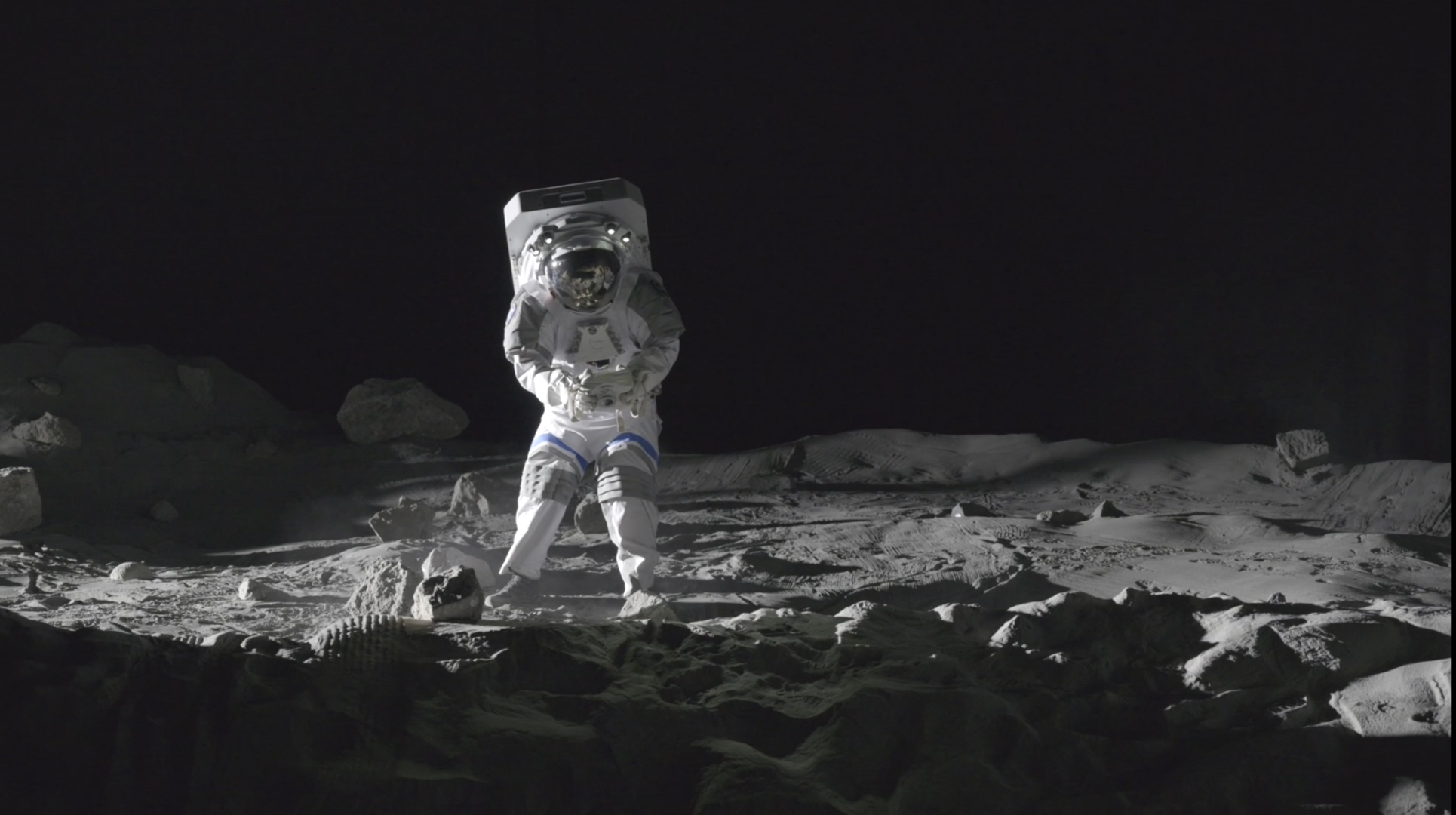
Space experts are working on improving Moon landing videos from grainy footage to high-definition, colour, and high frame rate, overcoming challenges like bandwidth, dust, and signal delay, with advancements including lunar satellite constellations and laser communications for future missions.
A German satellite successfully transmitted a laser signal to a ground station mounted on a Jeep, marking a significant advancement in space-to-Earth communication. This breakthrough, led by researchers from the University of Western Australia, aims to alleviate data congestion and increase communication bandwidth by using optical communication instead of traditional radio waves. The test is a critical step towards establishing a next-generation space communications network.
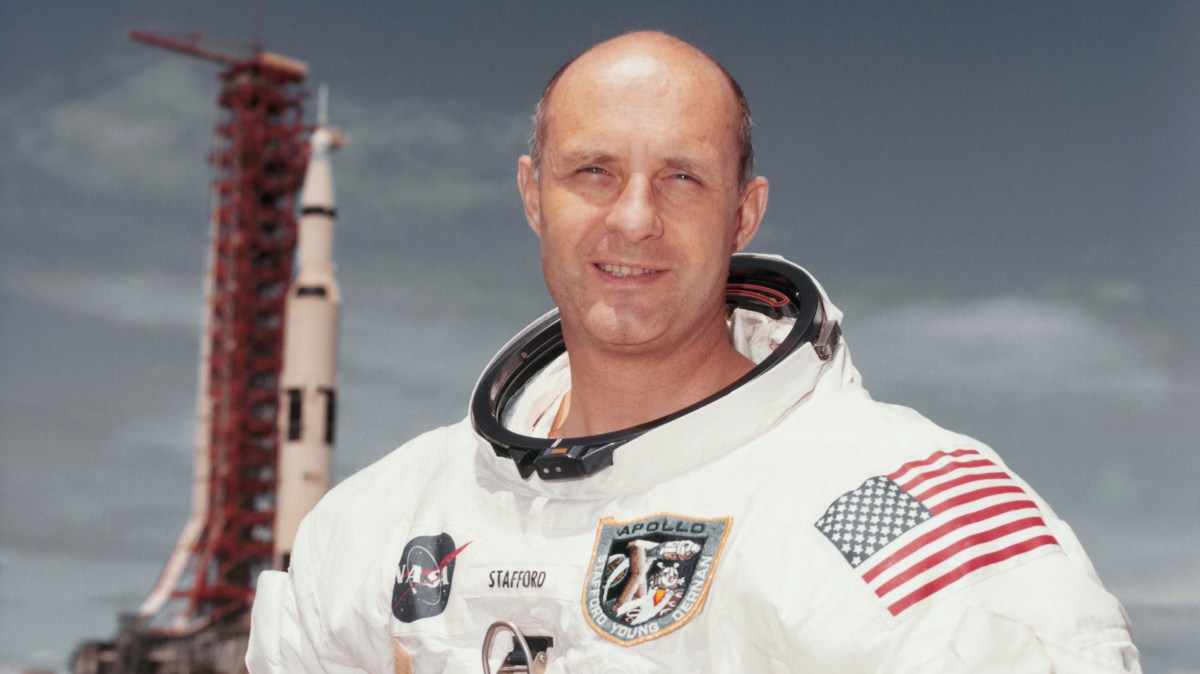
Thomas Stafford, an experienced NASA astronaut, faced unique communication challenges as the American commander during the first joint crewed mission between the US and the Soviet Union. Training for the Apollo-Soyuz Test Project, Stafford's distinct Oklahoma drawl posed a language barrier with his Russian counterpart, Alexei Leonov, who humorously referred to the mission as involving three languages: English, Russian, and "Oklahomski." Despite finding the technical aspects of the mission relatively simple, Stafford considered learning the Russian language to be the most difficult aspect of all the missions he flew.
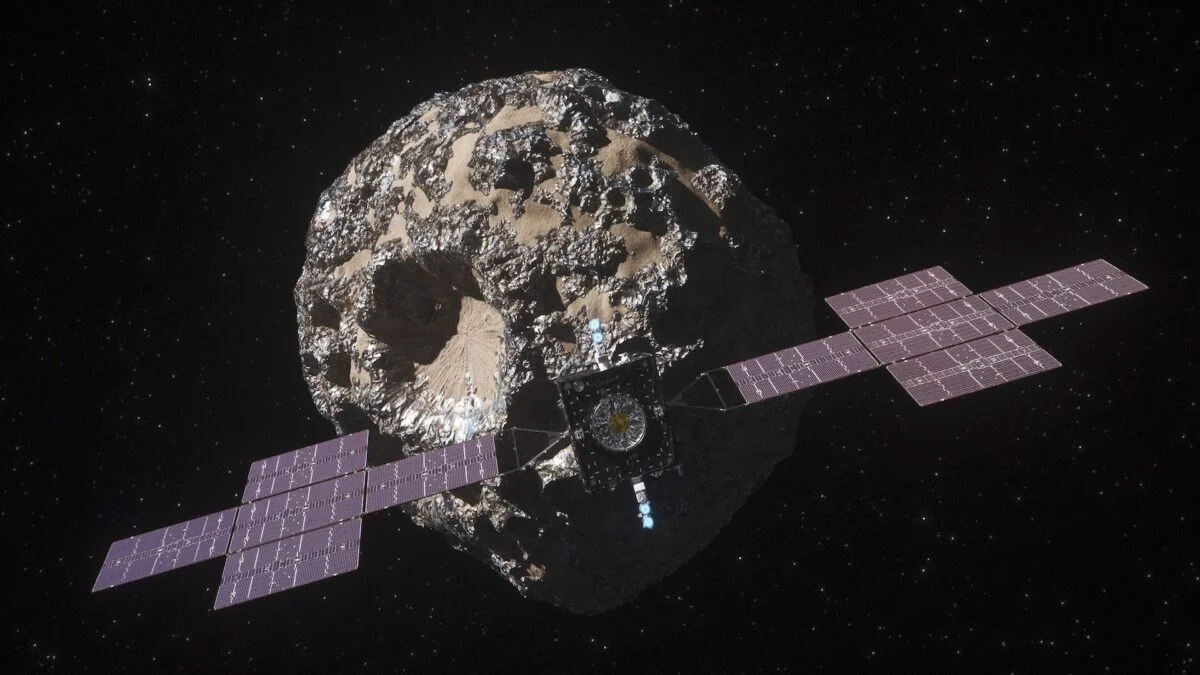
NASA's Psyche spacecraft has successfully tested a new communication system by sending laser messages back to Earth from even deeper space, while a North Carolina aquarium ponders the possibility of a shark impregnating a lone stingray. In medical news, a 13-year-old boy has been cured of a terminal brain tumor, offering hope for more effective treatments, and a 280-million-year-old fossil's "soft tissue" is revealed to be black paint. Additionally, Earth has received power beamed from a satellite in space for the first time, marking a significant step in renewable energy technology.
The Lexington Convention and Visitors Bureau in Kentucky has used an infrared laser to beam a message into space, inviting extraterrestrial travelers to visit and promoting tourism by describing the city's attractions such as the bluegrass countryside, horse farms, and bourbon. The message was sent with FAA approval and includes a coded bitmap image, with the effort led by a local expert in computer engineering and astrobiology. The agency acknowledges that it could take up to 40 years to receive any response from its intended target, but in the meantime, invites earthly travelers to visit.
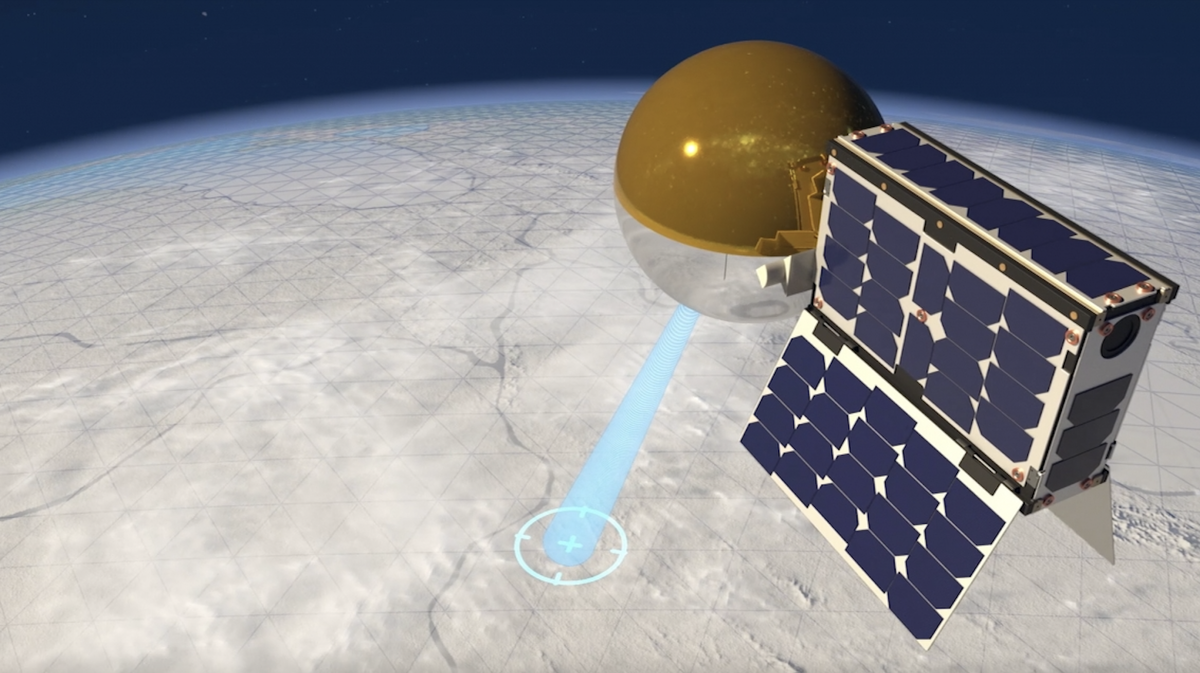
Students at the University of Arizona have developed a cubesat called CatSat with an inflatable antenna that will increase downlink speeds for high-speed, low-cost space communication and data transmission for small satellites. The beach ball antenna will inflate using a combination of helium and argon once in Earth orbit. CatSat will also study Earth's ionosphere and send down high-resolution images of our planet at speeds previously unobtainable by comparably sized cubesats. The technology demonstrated by CatSat opens the door to the possibility of future lunar, planetary, and deep-space missions using cubesats.