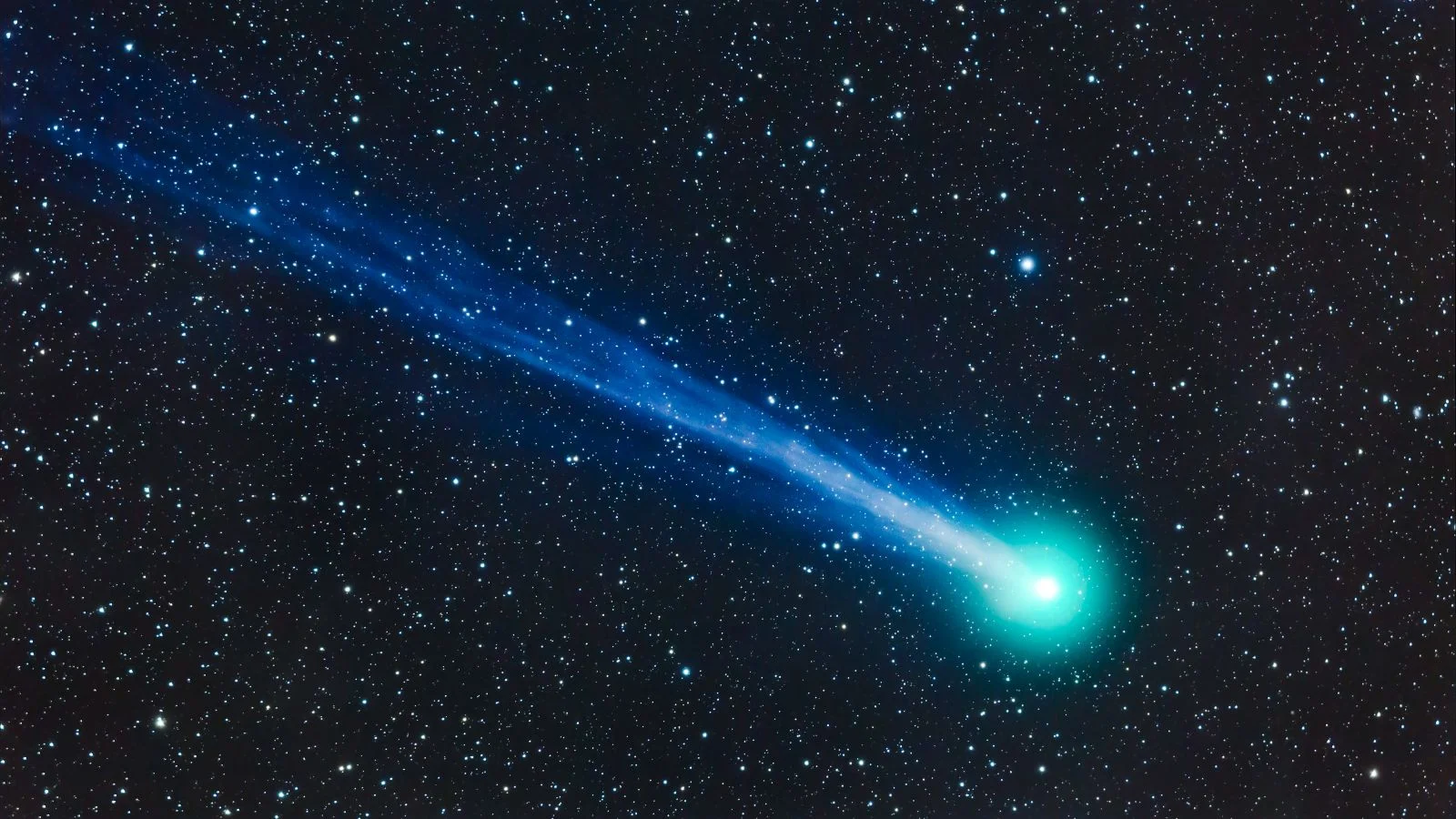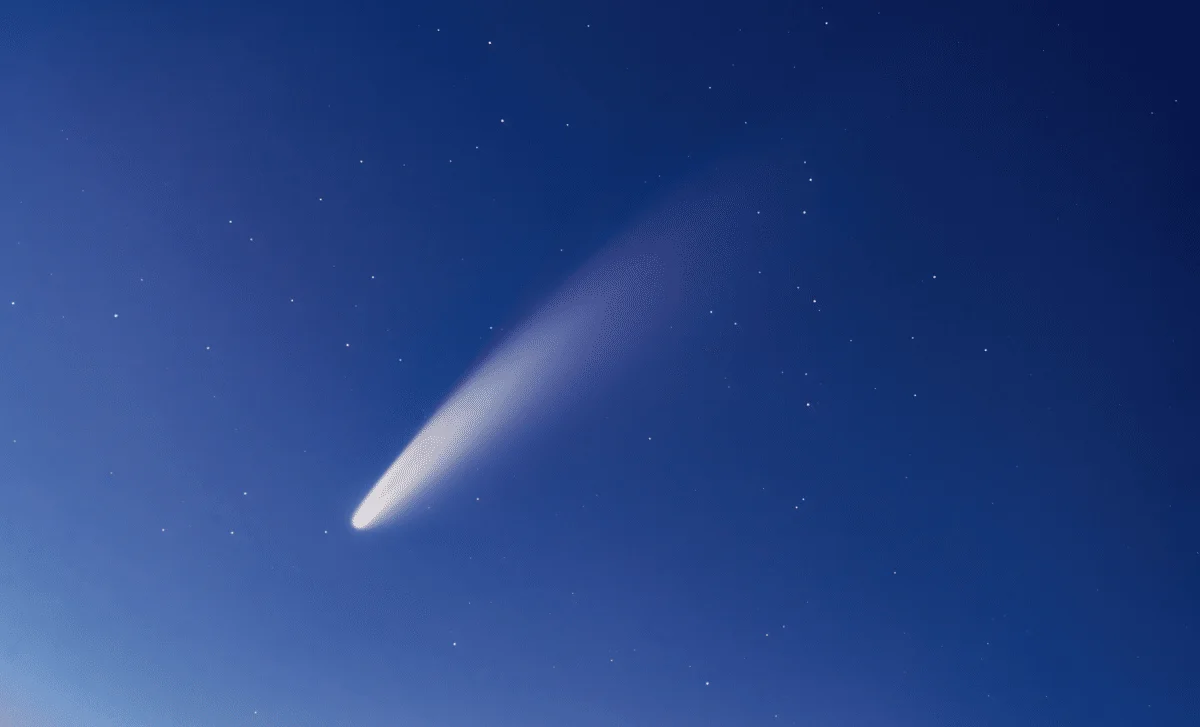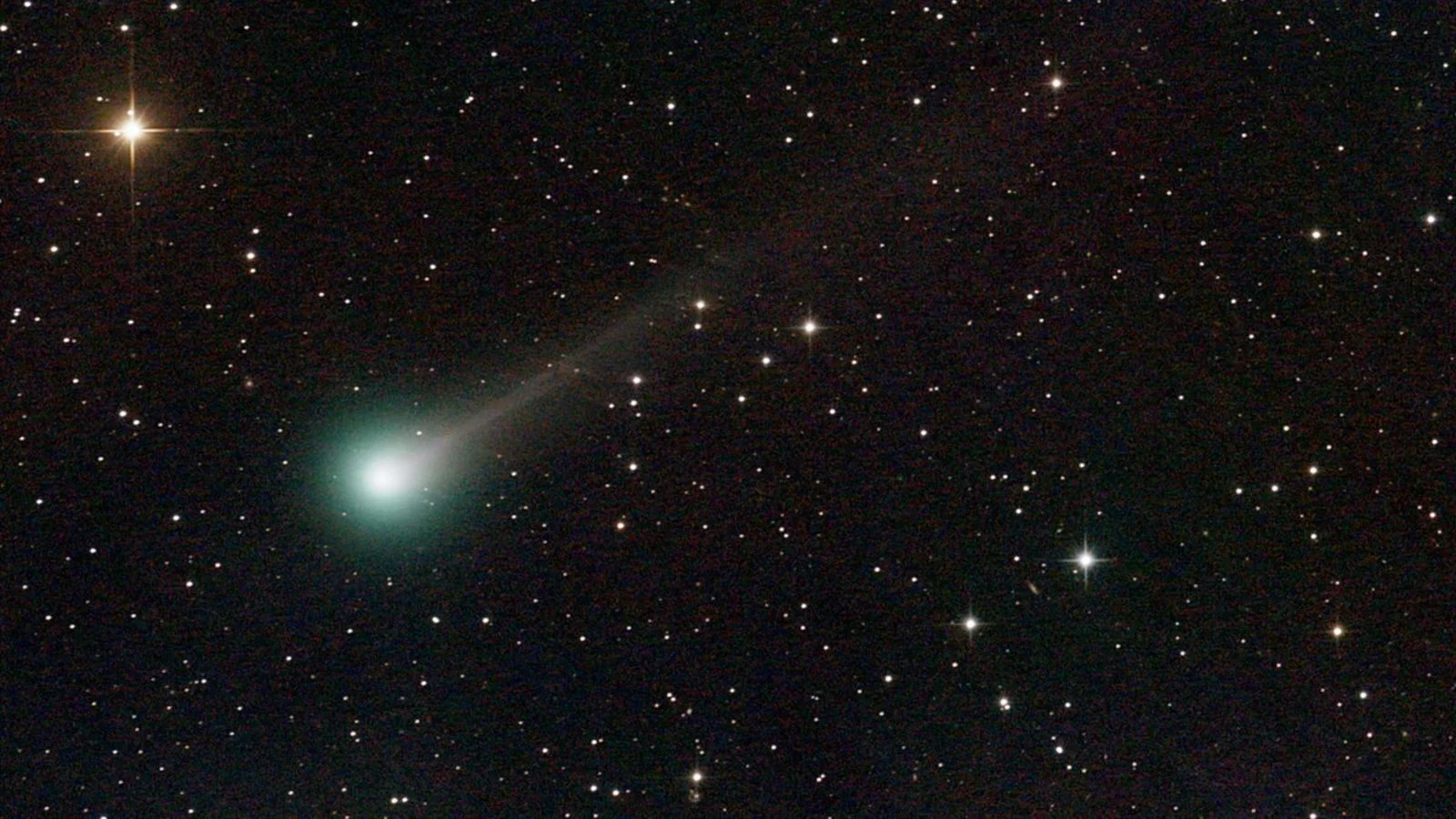
Comet 24P/Schaumasse will reach its closest approach to the sun on January 8, but its current brightness level makes it invisible to the naked eye, requiring a telescope for observation, especially under dark sky conditions.
The sun appears largest in the sky on January 3, 2026, during Earth's closest approach to the star, known as perihelion, but the difference is minimal and has no significant effect on Earth's climate or seasons.
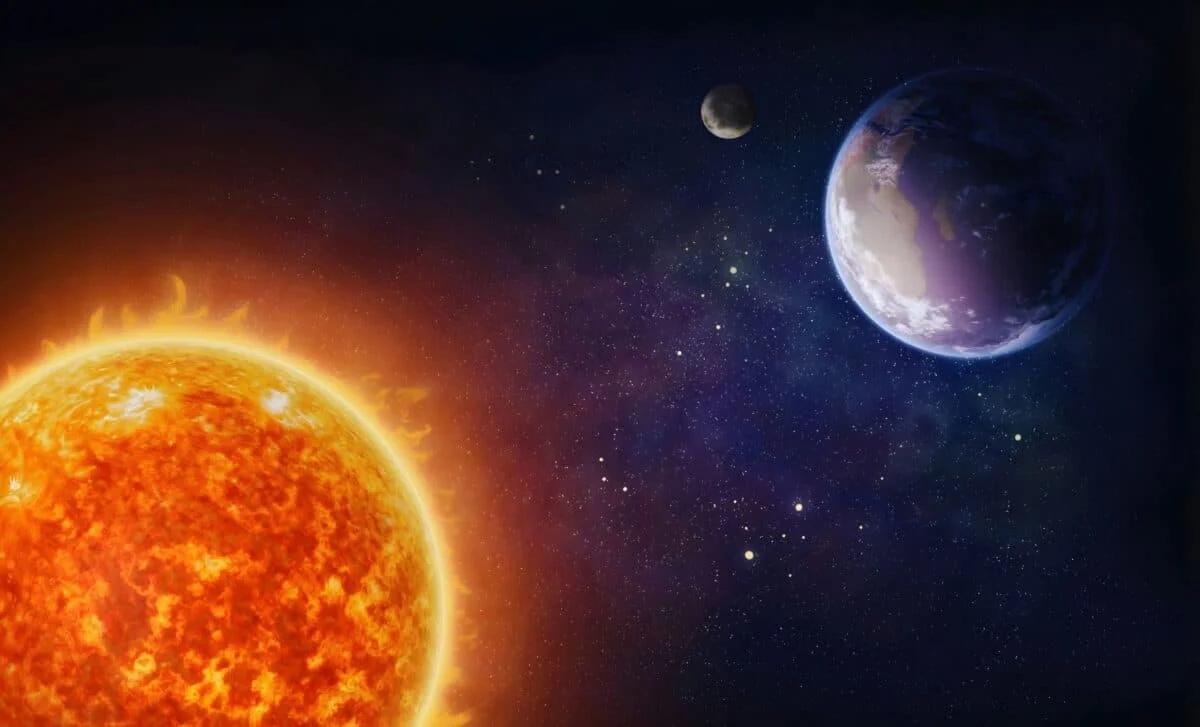
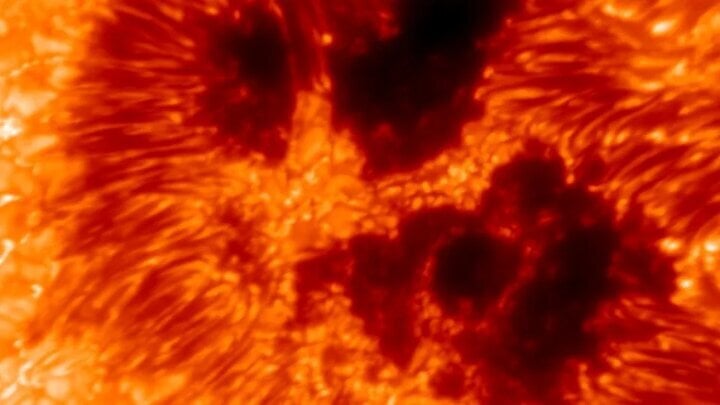
On January 3, 2026, Earth will reach its closest point to the Sun, called perihelion, making the Sun appear slightly larger in the sky and in photographs, with the smallest distance of about 147.1 million km. Astronomers warn about the risks of observing the Sun without proper filters, despite January not being ideal for solar viewing.
Earth reaches perihelion, its closest point to the sun, on January 3, 2026, but this event has minimal impact on seasons, which are primarily driven by Earth's axial tilt. Perihelion slightly increases solar energy and affects Earth's orbital speed, influencing season length and climate trends over long timescales, but does not cause significant weather changes.
Earth is closest to the Sun at perihelion in January, but it’s winter in the Northern Hemisphere because the planet’s axial tilt causes seasonal changes, not its distance from the Sun. The tilt results in varying sunlight exposure, creating summer and winter, while the elliptical orbit’s slight distance variation has minimal impact on temperatures.
Earth's closest approach to the Sun, called perihelion, occurs during winter in the Northern Hemisphere due to the Earth's axial tilt and elliptical orbit, which causes seasonal variations in sunlight exposure. This timing is a coincidence and varies over thousands of years due to gravitational influences and orbital changes.
NASA's Europa Clipper spacecraft observed the interstellar object 3I/ATLAS near perihelion on November 6, 2025, capturing data on its gas plume and tail structure using ultraviolet spectroscopy, providing unique insights from a vantage point blocked to Earth-based observations.
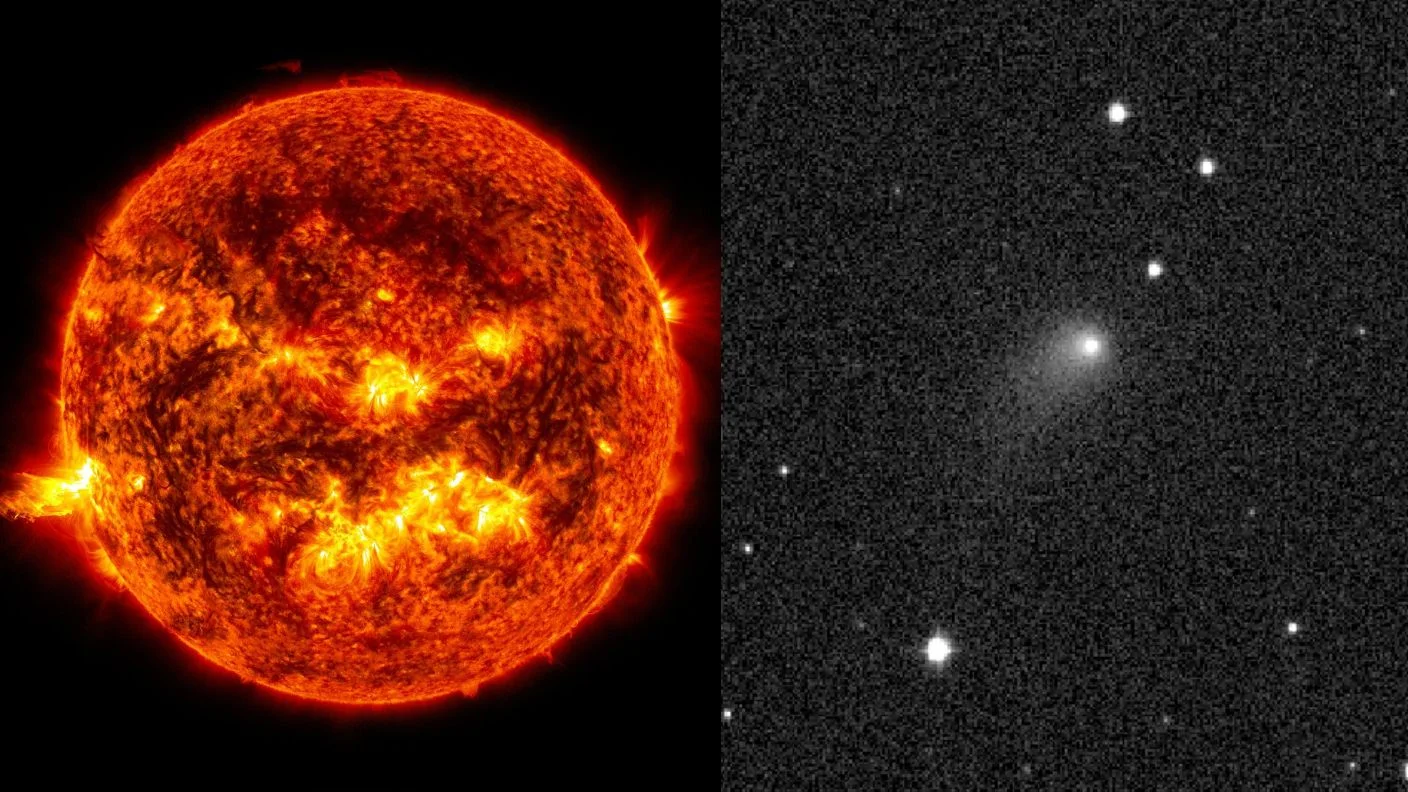
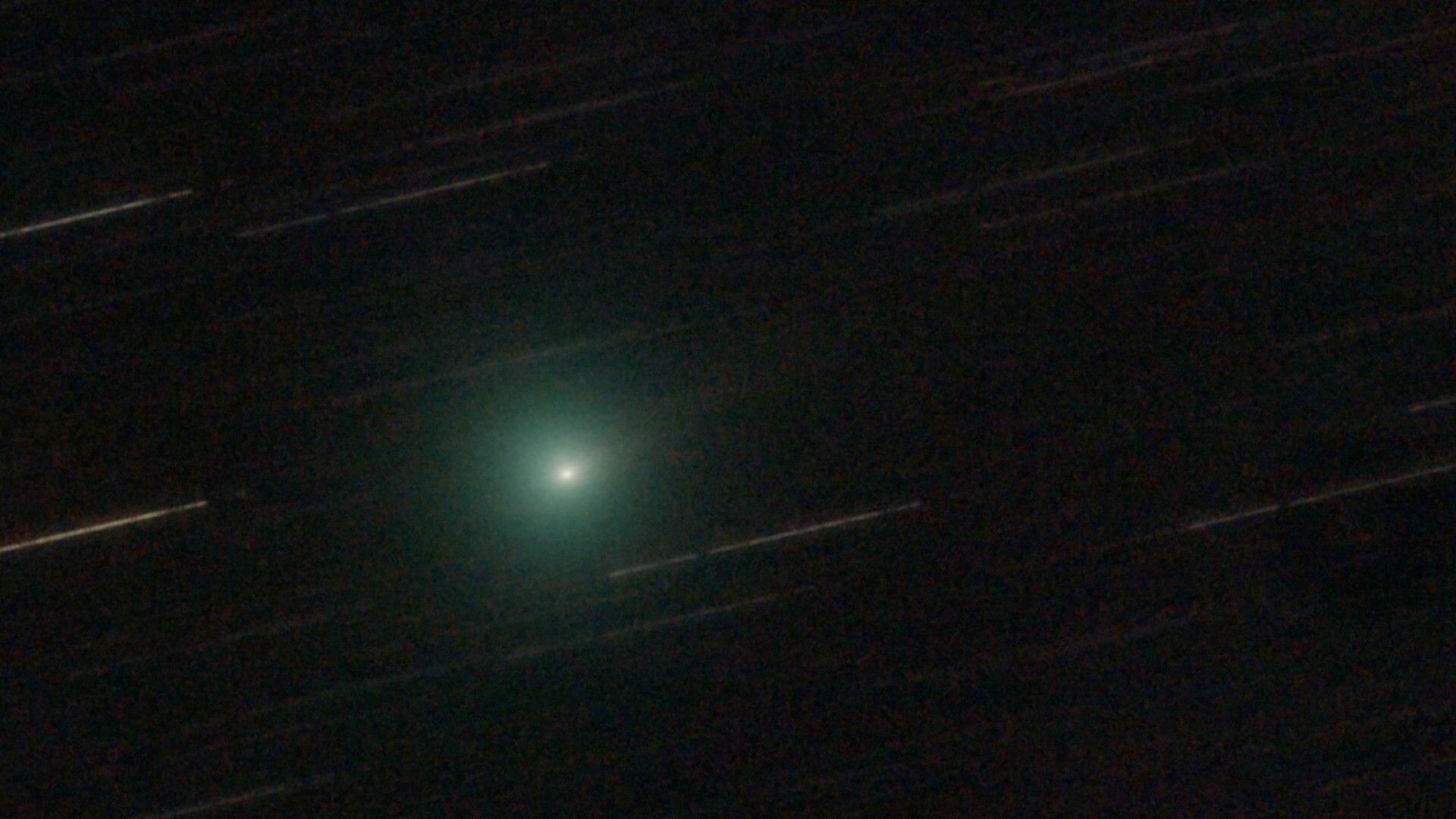
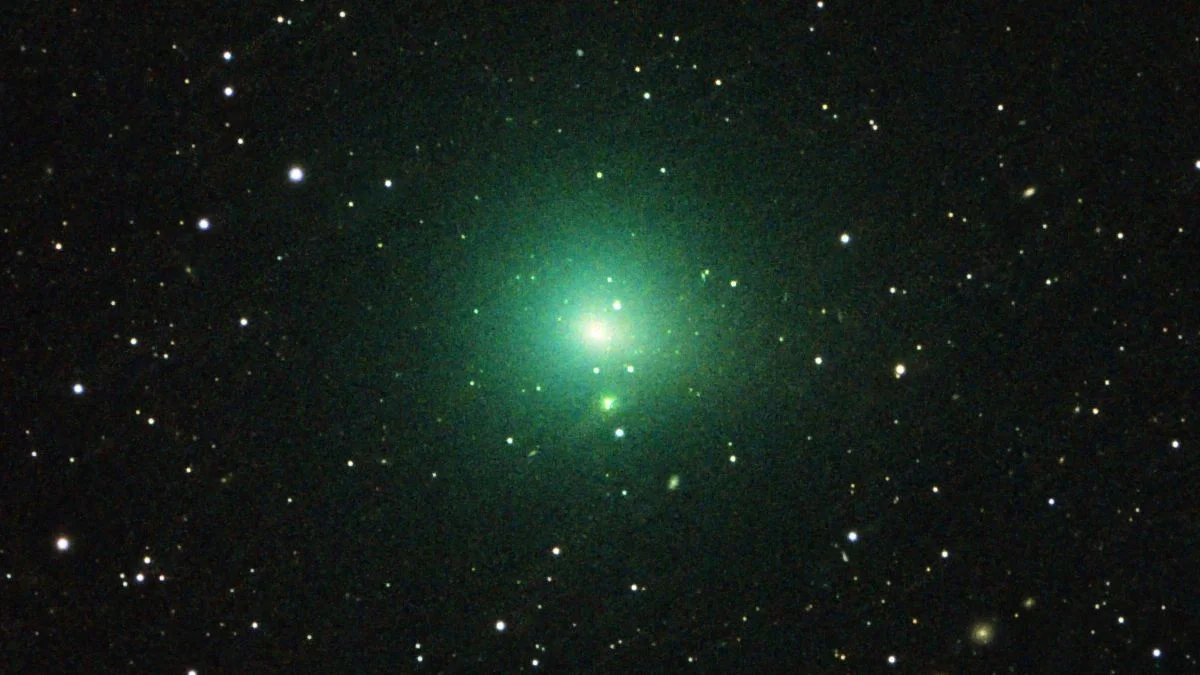
Astronomers captured detailed post-perihelion images of interstellar comet 3I/ATLAS, revealing complex jet structures and its trajectory as it moves away from the Sun into interstellar space, providing valuable insights into its composition and behavior.
Observations of interstellar comet 3I/ATLAS suggest it has lost over 13% of its mass during its close approach to the Sun, experienced course changes, and exhibited unusual behaviors, providing valuable insights into interstellar objects and cometary physics.
New data on interstellar object 3I/ATLAS after its perihelion suggests it experienced significant mass loss and non-gravitational acceleration, with implications for its natural or artificial nature, and highlights ongoing scientific debates and anomalies surrounding its behavior.
Comet 3I/ATLAS, the third known interstellar object to enter our Solar System, reached perihelion on October 30, 2025. Observations revealed its active sublimation of CO₂ with minimal water vapor, unusual metal ratios, and non-gravitational forces affecting its trajectory. The data from this brief visit enhances understanding of interstellar bodies and prepares for future interstellar missions.
Manhattan-sized comet 3I/ATLAS exhibited unusual behavior near the Sun, including non-gravitational acceleration and color changes, fueling speculation it might be an extraterrestrial probe rather than a typical comet, with some scientists suggesting it could be a technological artifact.
Interstellar comet 3I/ATLAS reached perihelion, brightening significantly and revealing unique properties such as a high carbon dioxide to water ratio, providing rare insights into other solar systems. Observations suggest it brightened rapidly due to unusual nucleus characteristics, and it will be visible again in late 2023 as it moves away from the Sun, with potential further study from spacecraft.
The interstellar object 3I/ATLAS showed evidence of non-gravitational acceleration at perihelion, possibly due to mass loss from sublimation or an internal engine, with upcoming observations expected to clarify its nature and properties.
New observations of interstellar object 3I/ATLAS near perihelion reveal rapid brightening and a surprising blue color, with ongoing monitoring expected to provide further insights into its nature and behavior.