New research reveals that slow-wave sleep enhances synaptic connections in the neocortex, optimizing it for long-term memory formation by transferring information from the hippocampus. This process occurs at specific moments during slow-wave oscillations, potentially improving memory retention techniques like electrical stimulation for cognitive impairments. The study used human brain tissue to demonstrate how these oscillations strengthen synapses, offering insights into targeted memory enhancement strategies.
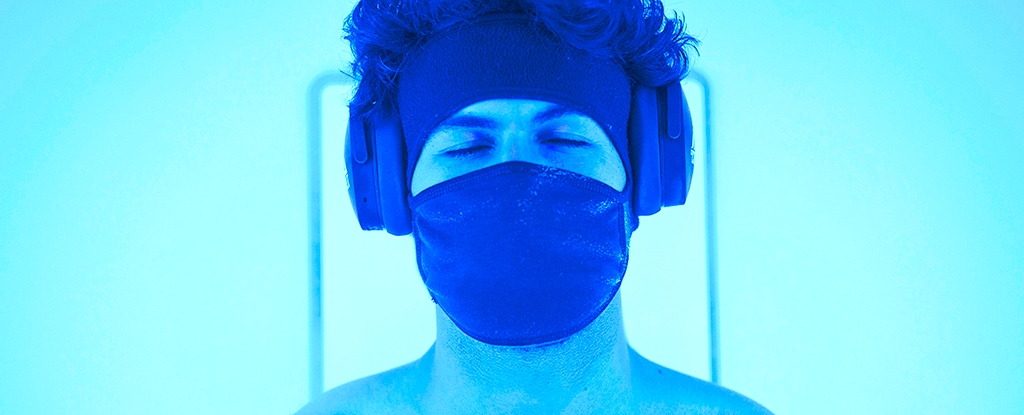
A study by the University of Poitiers suggests that daily 5-minute sessions in a cryostimulation chamber at -90°C can enhance sleep quality and mood, with noticeable benefits after a few days. The research, involving 20 participants, showed an increase in slow-wave sleep, crucial for memory, and reduced anxiety, particularly in women. While the study's small sample size limits its conclusions, it indicates potential therapeutic uses for cryostimulation in improving sleep and mood, alongside existing benefits like reduced inflammation.
A study published in JAMA Neurology suggests that a decrease in slow-wave sleep, the most restful stage of sleep, is linked to an increased risk of dementia in older adults. Researchers found that individuals over 60 who lost 1% of slow-wave sleep annually had a 27% higher risk of developing dementia, with the risk rising to 32% for Alzheimer's disease. The study highlights slow-wave sleep as a potentially modifiable risk factor for dementia, though further research is needed to understand the causal relationship.
A new study suggests that the risk of developing dementia increases with age if individuals do not get enough slow-wave sleep. Researchers found that individuals over the age of 60 who lose just 1 percent of deep sleep each year are 27 percent more likely to develop dementia. Slow-wave sleep, the most restful stage of the sleep cycle, strengthens the body and prepares the brain to absorb information. The study also revealed a link between low levels of slow-wave sleep and a higher risk of cardiovascular disease and Alzheimer's disease. However, more research is needed to determine if slow-wave sleep loss directly causes dementia.
A new study published in JAMA Neurology suggests that a decline in slow-wave sleep, the deepest stage of sleep, as people age may increase the risk of developing dementia. The study found that chronic reductions in slow-wave sleep over time were associated with a higher risk of dementia and Alzheimer's disease. The research also revealed that the rate of slow-wave sleep loss accelerated from age 60, peaked between ages 75 to 80, and slowed afterward. While the study does not prove causation, it highlights the importance of prioritizing good quality sleep and monitoring sleep patterns to protect brain health.
A new study published in JAMA Neurology suggests that a decline in slow-wave sleep as you age may increase the risk of developing dementia. Slow-wave sleep, the deepest stage of sleep, is crucial for brain health as it helps remove potentially harmful materials from the brain, including beta-amyloid protein associated with Alzheimer's disease. The study found that chronic reductions in slow-wave sleep over time were linked to a higher risk of dementia and Alzheimer's disease. The rate of slow-wave sleep loss accelerated from age 60, peaked between ages 75 to 80, and slowed afterward. Prioritizing good quality sleep and adopting healthy habits, such as regular exercise and limiting alcohol and caffeine before bed, may help protect brain health.
Just 30 minutes of moderate aerobic exercise can help improve sleep quality, according to Charlene Gamaldo, medical director of the Johns Hopkins Center for Sleep. Moderate aerobic exercise increases the amount of slow wave sleep a person can get, which refers to deep sleep. Exercise can also help to stabilize mood and decompress the mind, "a cognitive process that is important for naturally transitioning to sleep," she noted. However, the timing of exercise may affect sleep quality, and people should listen to their bodies to determine the best time to exercise.