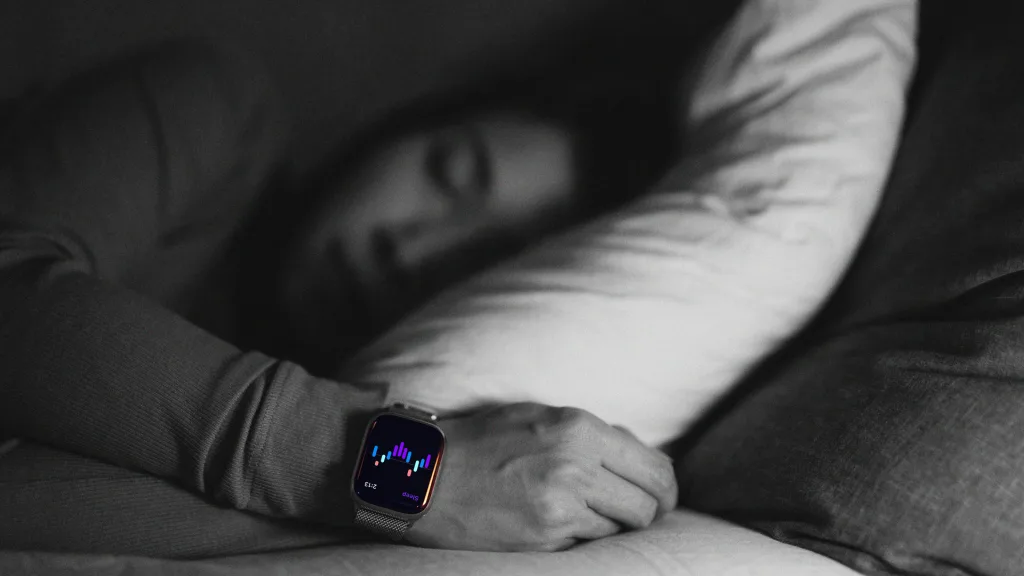
Dreamie is a standalone bedside sleep device and sunrise alarm clock designed to help users disconnect from their phones before bed, featuring customizable lighting, soundscapes, and environmental sensors, with no subscription required, and aims to improve sleep quality.

New research indicates that poor sleep quality accelerates brain aging, with inflammation playing a key role, and factors like night-owl lifestyles and snoring being strongly associated with this process.
Implementing small daily habits such as maintaining consistent sleep schedules, reducing blue light exposure before bed, keeping the room cool, limiting bed use to sleep, eating dinner earlier, avoiding caffeine in the evening, and practicing quiet time can significantly improve sleep quality and morning energy. These habits support natural biological processes like circadian rhythm and melatonin production, leading to better rest and overall health.
A gastroenterologist shares seven daily habits to improve sleep quality and address waking up tired, including maintaining consistent sleep timings, reducing light exposure before bed, keeping the room cool, using the bed only for sleep, eating early dinners, avoiding caffeine after 3 pm, and sitting in silence before sleep.
Good sleep is crucial for heart health, with expert advice recommending consistent sleep schedules, a comfortable environment, avoiding caffeine after 2 PM, and reducing screen time before bed to improve sleep quality and support cardiovascular recovery.
Lack of sleep negatively impacts nearly every aspect of health, increasing risks of heart disease, obesity, diabetes, and mental health issues. Prioritizing 7-9 hours of quality sleep through consistent routines and healthy habits is essential for long-term well-being.
An AIIMS-trained gastroenterologist highlights how habits like poor sleep, late-night meals, and toxin exposure can impair liver function, despite its ability to regenerate. Key tips include drinking coffee in moderation, maintaining good sleep, staying hydrated, and avoiding toxins and unsafe supplements to protect liver health.
Longevity enthusiast Bryan Johnson highlights six habits that sabotage sleep, including late eating, lack of pre-sleep routines, stimulant consumption, exposure to bright light at night, improper room temperature, and noise disruptions. Making small lifestyle changes like eating earlier, establishing calming routines, reducing screen time, controlling room temperature, and minimizing noise can significantly improve sleep quality.
A sleep therapist reveals that common sleep tips like spending more time in bed, avoiding screens completely, cutting caffeine entirely, obsessing over sleep data, and expecting perfect sleep every night can actually worsen insomnia and sleep quality. Instead, she recommends more balanced approaches such as limiting time in bed, using gentle distractions in the dark, understanding personal caffeine sensitivity, avoiding obsession with sleep metrics, and accepting variability in sleep patterns.
A sleep researcher suggests that common habits like going to bed earlier, using screens before bed, and obsessing over sleep quality can worsen insomnia. Instead, maintaining a consistent wake time, using screens strategically, and reducing caffeine intake based on individual response are recommended to improve sleep. The article emphasizes that healthy sleep is flexible and that worrying less about sleep can help, as insomnia is common but treatable.
The article highlights seven common bedtime habits that sabotage sleep quality, such as doomscrolling, late-night snacking, alcohol consumption, unprocessed stress, lack of routine, using the bed for activities other than sleep, and skipping gentle movement. It offers practical tips to replace these habits with healthier alternatives to wake up feeling refreshed and energized.
A large study links irregular sleep patterns and unstable bedtimes to a wide range of diseases and increased mortality risk, emphasizing the importance of maintaining a consistent sleep schedule for better health outcomes.
A large UK study found that irregular sleep patterns and disrupted circadian rhythms significantly increase the risk of over 170 diseases, emphasizing the importance of consistent sleep routines over just sleep duration for long-term health.
A recent study challenges the common belief that screens before bed significantly disrupt sleep, suggesting that blue light from screens has minimal impact on sleep quality. Instead, factors like stress, racing thoughts, and irregular sleep schedules are more influential. While screens can sometimes help with relaxation if used appropriately, it's best to avoid highly stimulating content and to establish a consistent bedtime routine for better sleep.
A large study of nearly 20,000 adults found that going to bed earlier, around 9 p.m., is associated with increased physical activity the next day, suggesting that earlier sleep schedules may promote healthier lifestyles and better health outcomes.