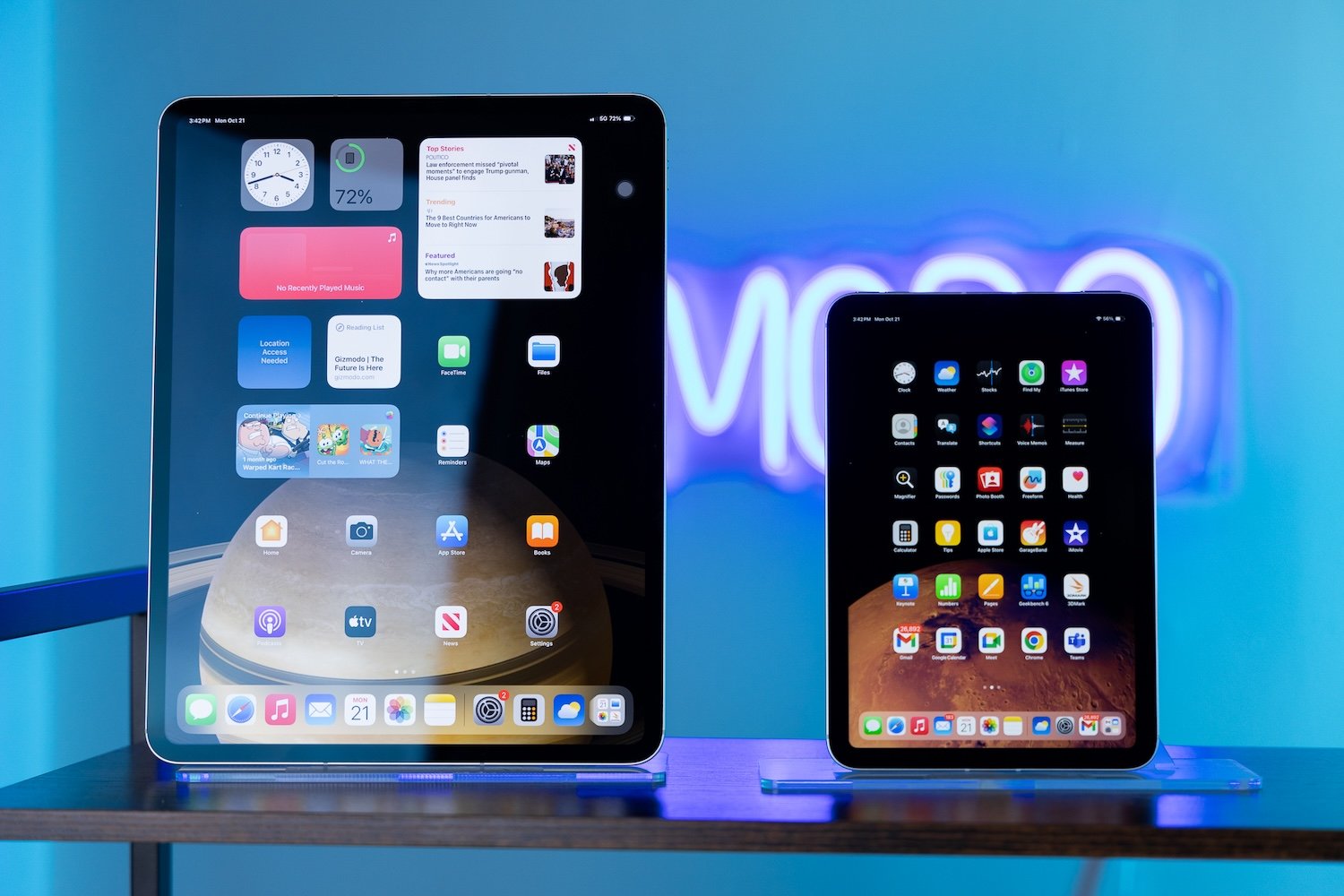
Apple plans to upgrade nearly all its products with OLED screens, starting with the iPad mini and potentially including the MacBook Air and iPad Air, which will likely lead to higher prices due to the costlier display technology.
A recent study debunks the effectiveness of a dopamine detox from screens, emphasizing that dopamine is necessary and not inherently harmful, but that frequent quick hits from screens overwhelm the system. Instead, engaging in activities like exercise, creative projects, face-to-face interactions, and learning new skills can promote healthier dopamine regulation and have lasting benefits for mental health.
The article discusses the rise in autism diagnoses, suggesting that expanding diagnostic criteria and increased screen time may contribute to this trend, while also highlighting cultural and environmental influences on autism perception and diagnosis.
A recent study challenges the common belief that screens before bed significantly disrupt sleep, suggesting that blue light from screens has minimal impact on sleep quality. Instead, factors like stress, racing thoughts, and irregular sleep schedules are more influential. While screens can sometimes help with relaxation if used appropriately, it's best to avoid highly stimulating content and to establish a consistent bedtime routine for better sleep.
Apple is reportedly partnering with Samsung Display to produce crease-free foldable screens for its first foldable iPhone, expected to launch in 2026, marking its entry into the foldable phone market with innovative display technology.
Excessive screen time, especially in early childhood, can negatively impact brain development, attention span, emotional intelligence, and physical health. Experts recommend limiting screen exposure, especially for young children, and promoting real-life interactions and physical activity to mitigate these effects. Brain plasticity offers hope for reversing some damage through healthier digital habits.
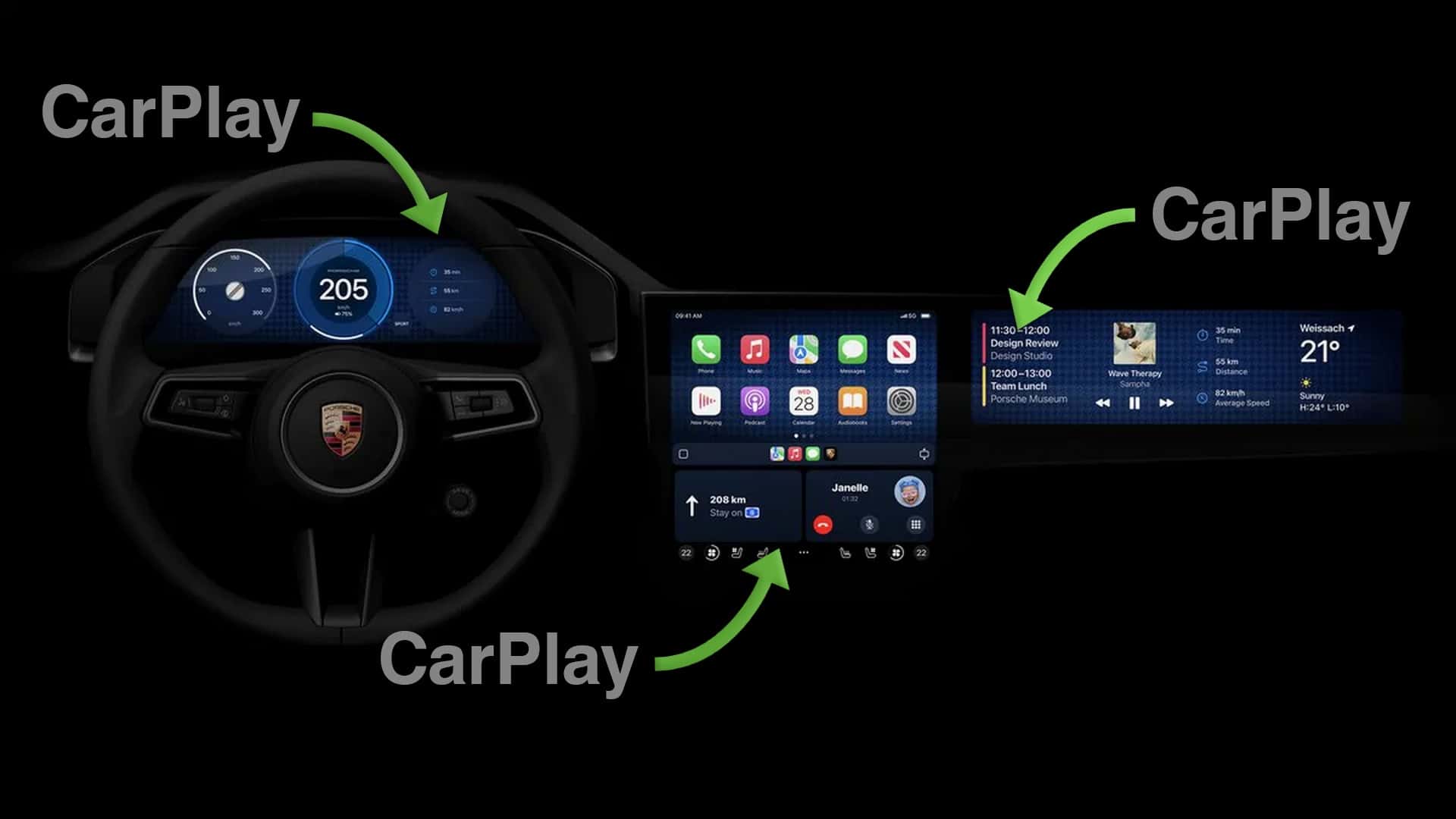
Apple CarPlay is set to undergo significant improvements with the help of car manufacturers like Porsche and Aston Martin. The next-generation CarPlay will have the ability to take over all screens inside the car, including the instrument cluster, by tapping into the car's sensors for information such as outside temperature and tire pressure. The new CarPlay will also offer enhanced personalization options, allowing users to store different color themes and layouts on their phones. Porsche and Aston Martin have released mock-ups showcasing the upcoming changes, with Aston Martin confirming compatibility with its new DB12 model.
Sleep deprivation is a common health issue, with one in three American adults not getting enough sleep. Lack of sleep can have serious physical and mental consequences, including poor concentration, fatigue, irritability, metabolic issues, high blood pressure, and stroke. Common reasons for sleeplessness include stress, excessive screen time, lack of a consistent bedtime routine, alcohol consumption, poor sleeping environment, caffeine intake, and sleep apnea. To combat sleeplessness, experts recommend de-stressing before bed, avoiding screens, establishing a consistent bedtime routine, limiting alcohol and caffeine intake, optimizing the sleeping environment, and seeking treatment for sleep apnea.