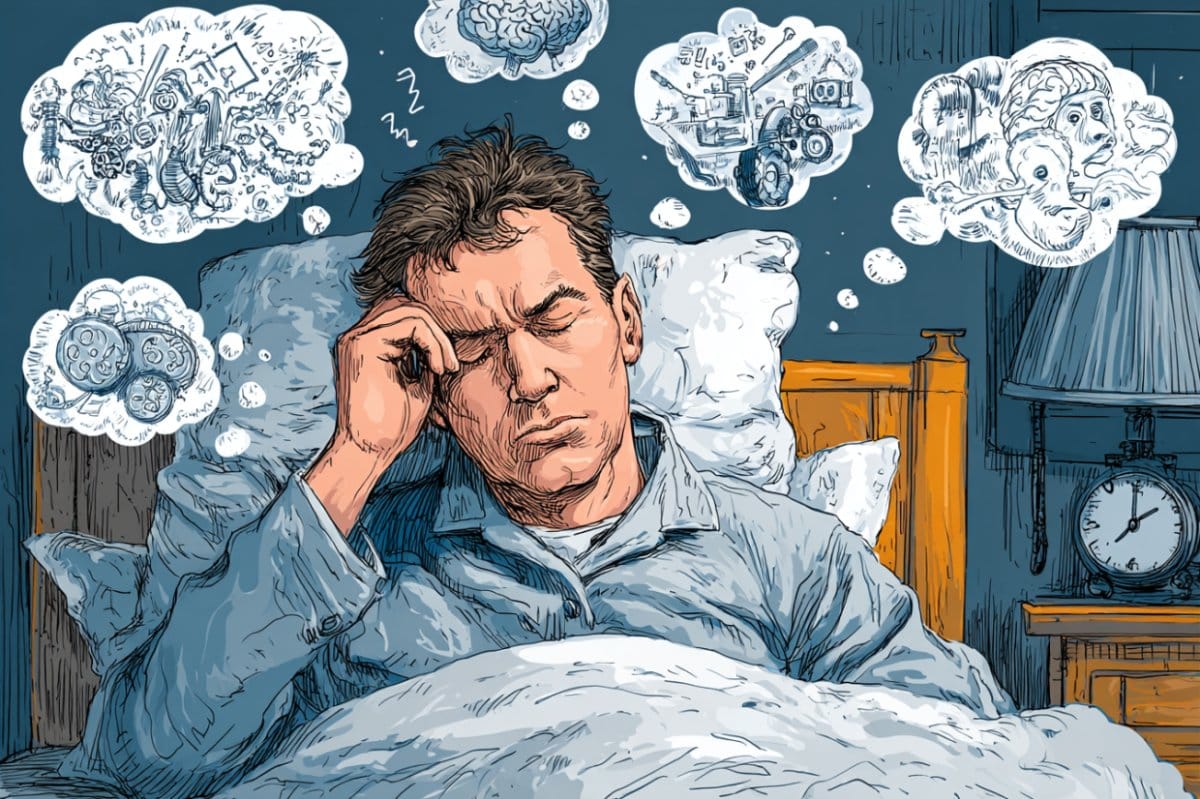
A large brain imaging study reveals that ADHD medications like Adderall and Ritalin primarily affect brain regions related to arousal and wakefulness, not attention networks as previously believed. These drugs mimic the brain patterns of good sleep, effectively rescuing sleep-deprived children temporarily, but do not enhance cognitive abilities in well-rested children. The findings suggest that sleep issues may underlie some ADHD symptoms and highlight the importance of addressing sleep health.
A new study reveals that ADHD medications like methylphenidate primarily act on brain networks related to wakefulness and reward, rather than attention control, by enhancing arousal and motivation, and can mask sleep deprivation effects, challenging traditional views of how these drugs work.
A study reveals that ADHD medications like Ritalin and Adderall primarily boost alertness and motivation by affecting brain reward and wakefulness systems, rather than directly improving attention, and may mimic sleep effects, raising concerns about sleep deprivation in diagnosis and treatment.
A study by UC Berkeley and Columbia University found that children 12 and under who receive smartphones are at higher risk of depression, obesity, and sleep issues, with earlier exposure increasing these risks, highlighting concerns about early smartphone use and its impact on child health.
New research reveals that zoning out, often linked to microsleep, involves brain and body changes such as increased cerebrospinal fluid and pupil narrowing, serving as a reset mechanism especially when tired or sleep-deprived, and may be a normal, healthful process or a sign of underlying issues.
A study from MIT reveals that zoning out may be the brain's way of performing maintenance by increasing cerebrospinal fluid flow, especially when sleep-deprived, which temporarily impairs attention but helps clear waste products from the brain.
Even one night of less than four hours of sleep can impair immune function, reducing the activity of virus-fighting cells and increasing vulnerability to illness, but the immune system can recover with proper sleep routines. Chronic sleep deprivation is linked to serious health issues like obesity, diabetes, and heart disease, emphasizing the importance of prioritizing quality sleep for overall health and immunity.
Originally Published 2 months ago — by Hacker News
Sleep deprivation impairs the brain's waste clearance via the glymphatic system, leading to attention lapses and potential long-term effects; power napping and sleep quality are crucial for maintaining brain health, and research is ongoing into ways to enhance these natural processes.
New research from MIT reveals that after poor sleep, the brain releases cerebrospinal fluid in waves during attention lapses, mimicking sleep's cleansing process but impairing alertness, suggesting a link between sleep, brain cleaning, and attention regulation.
Scientists have discovered that brief lapses in attention caused by sleep deprivation are linked to waves of cerebrospinal fluid leaving and returning to the brain, suggesting the brain attempts to perform maintenance during these moments, which may serve as a protective mechanism.
Lack of sleep negatively impacts nearly every aspect of health, increasing risks of heart disease, obesity, diabetes, and mental health issues. Prioritizing 7-9 hours of quality sleep through consistent routines and healthy habits is essential for long-term well-being.
Scientists warn that being awake past midnight can negatively affect the human mind, increasing the focus on negative stimuli, risky behaviors, and mental health issues, due to changes in brain function linked to the circadian rhythm, with potential serious consequences like increased suicide risk and substance abuse.
Insufficient sleep disrupts hunger hormones, impairs decision-making, and slows metabolism, leading to increased cravings, overeating, and belly fat. Prioritizing quality sleep can help reverse these effects and support long-term health.
Creatine, commonly used for muscle strength, also offers cognitive benefits, especially when the brain is stressed or sleep-deprived. Research shows it can improve processing speed, working memory, and potentially mitigate effects of depression and brain injuries. Effective doses for mental benefits are higher than those for muscle, typically between 10-25 grams daily for short periods, with safety generally well-established. However, high doses should be used cautiously and under medical supervision, especially for individuals with preexisting health conditions.
A study by Mayo Clinic reveals that chronic insomnia increases the risk of developing dementia or mild cognitive impairment by 40%, highlighting the importance of good sleep for brain health and aging.