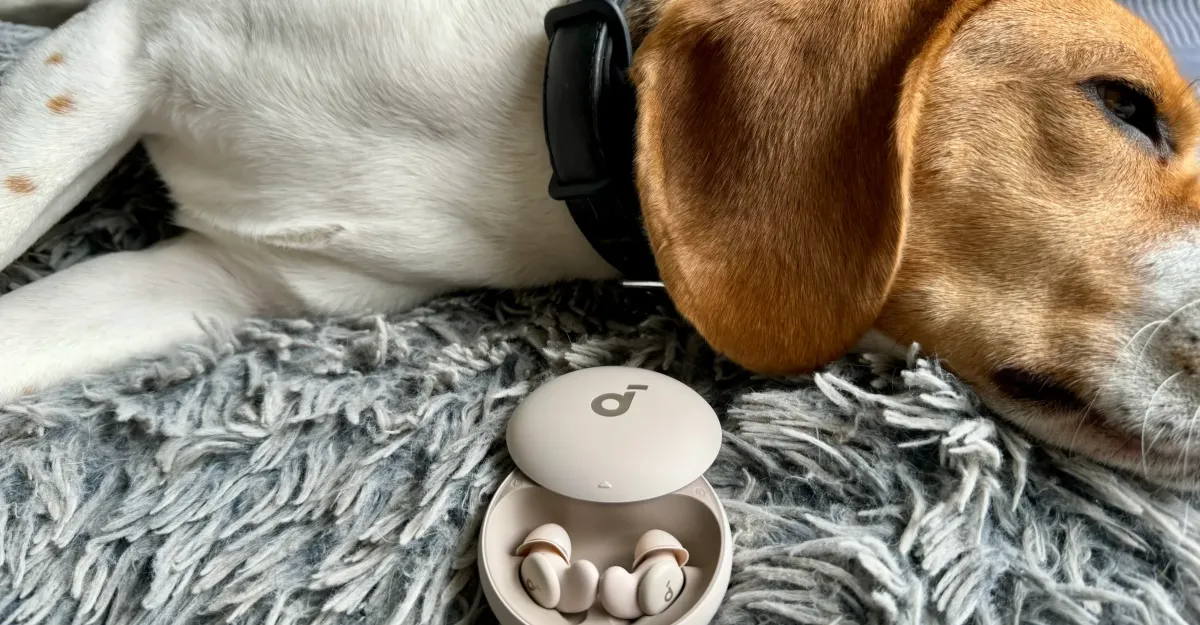
Anker’s Soundcore Sleep A20 sleepbuds, ideal for side-sleepers and noise reduction, are on sale for $108 during Cyber Monday, their lowest price since launch, offering features like sound masking, Bluetooth audio, and sleep tracking with up to 14 hours of battery life.
A recent study suggests that long-term use of melatonin supplements may significantly increase the risk of heart failure, with users experiencing up to a 90% higher risk over five years. The findings raise safety concerns about the widespread use of melatonin for sleep, emphasizing the need for further research to establish causality and explore underlying mechanisms. Medical experts recommend consulting healthcare providers for sleep issues and considering other treatments like sleep apnea testing before using supplements.
A recent study published in Sleep journal reveals that long-term use of common prescription sleep aids, especially benzodiazepines, worsens sleep quality in older adults by reducing deep, restorative sleep and potentially impairing memory and brain health, suggesting that alternative treatments like cognitive behavioral therapy may be more effective.
The article compares melatonin and magnesium as sleep aids, highlighting their benefits, potential downsides, and when each might be most effective. Melatonin is a hormone that helps regulate sleep cycles, especially useful for jet lag and shift work, but may cause side effects and interact with medications. Magnesium supports relaxation and may improve sleep quality, particularly in cases of insomnia, with generally fewer risks. Experts suggest considering sleep hygiene, CBT-I, and medical testing alongside supplements for better sleep.
Warming your feet before sleep can be as effective as traditional sleep aids in helping you fall asleep faster, offering a simple method to improve sleep quality.
The article discusses common sleep issues like insomnia and emphasizes consulting a doctor for persistent problems, especially if underlying conditions are suspected. It also reviews the scientific evidence regarding sleep supplements such as melatonin and magnesium.
Magnesium glycinate's effectiveness for insomnia is weak and not well-supported by data, whereas melatonin has modest evidence of benefit. Both are generally safe, but good sleep hygiene and behavioral techniques are preferred for managing insomnia over supplements or medications. Consulting a healthcare provider is recommended for persistent sleep issues.
Doctors warn that doxylamine succinate, found in some sleep aids and allergy medications, may pose long-term risks to brain health, including increased dementia risk, especially with prolonged or high-dose use. Safer alternatives for allergies include second-generation antihistamines and nasal sprays, while for sleep, behavioral therapies are recommended over medication. It's important to consult healthcare providers for personalized advice.
The article highlights practical products disguised as fun impulse buys, featuring aromatherapy eye masks that promote relaxation, improve sleep, and soothe tension, with positive reviews emphasizing their comfort and stress-relieving benefits.
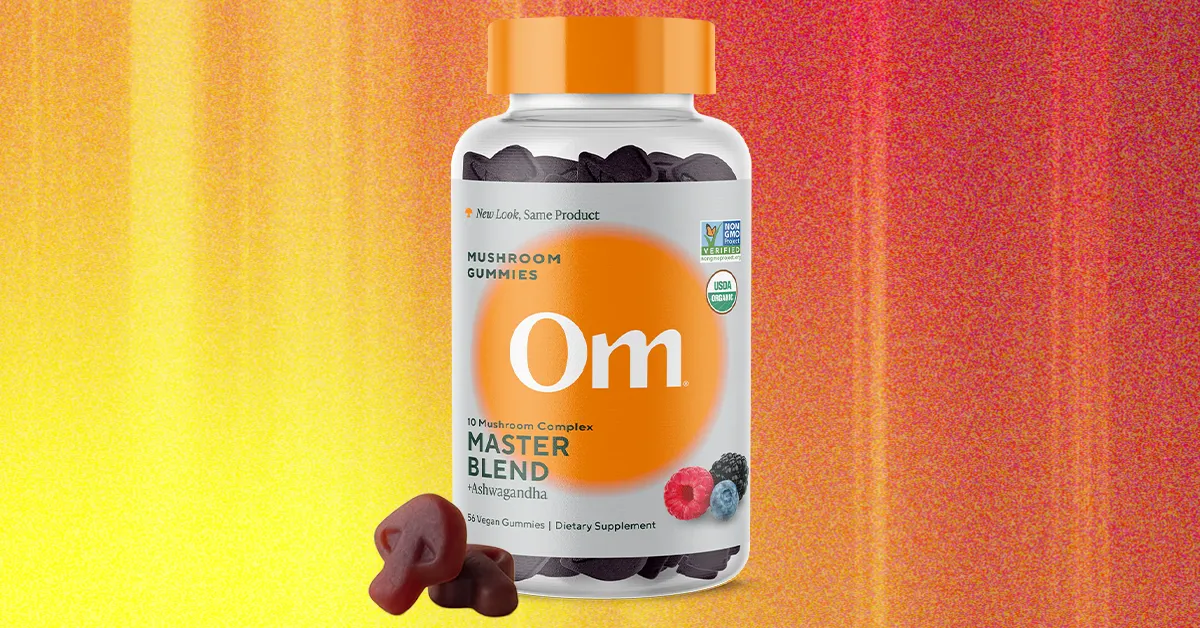
The article reviews the top mushroom gummies of 2025, highlighting their ingredients, benefits, and taste. It features Om Master Blend for its full-spectrum mushroom content, Plant People's WonderDay for its flavor and regenerative sourcing, Slumber's sleep gummies with reishi and melatonin, Sunday Scaries for focus with nootropics, and Alice Mushrooms' mushroom chocolates for sleep and relaxation. The review emphasizes quality sourcing, transparency, and taste, helping consumers choose effective and enjoyable functional mushroom products.
Despite the popularity of natural sleep aids like chamomile, melatonin, tart cherry juice, magnesium, valerian root, and CBD, experts caution that there is little scientific evidence to support their effectiveness in treating insomnia. The placebo effect and the lack of high-quality studies make it difficult to determine their true impact on sleep quality. While some studies show modest improvements, experts emphasize that cognitive behavioral therapy is the most effective treatment for insomnia. Additionally, caution is advised, especially for certain groups like pregnant women and children, as the long-term effects of these supplements are not well understood.
A survey conducted by researchers at Washington State University found that cannabis consumers with sleep issues preferred using marijuana over other sleep aids, reporting better outcomes the next morning and fewer side effects. The study compared cannabis to prescription sleep aids and over-the-counter sleep aids and found that cannabis made users feel more refreshed, focused, and better able to function in the morning, with fewer headaches and less nausea. The most popular methods of consumption were smoking joints or vaping products containing THC, CBD, and the terpene myrcene. However, some side effects were reported, including sleepiness, anxiety, and irritability upon waking up. The study suggests that cannabis may be a more advantageous option for sleep-related issues compared to conventional sleep aids.
Several students at a San Leandro middle school were sent home after consuming gummy sleep aids that were distributed by a student. No medical attention was required, and the students were sent home with their parents to be observed. The school clarified that no drugs were involved in the incident.
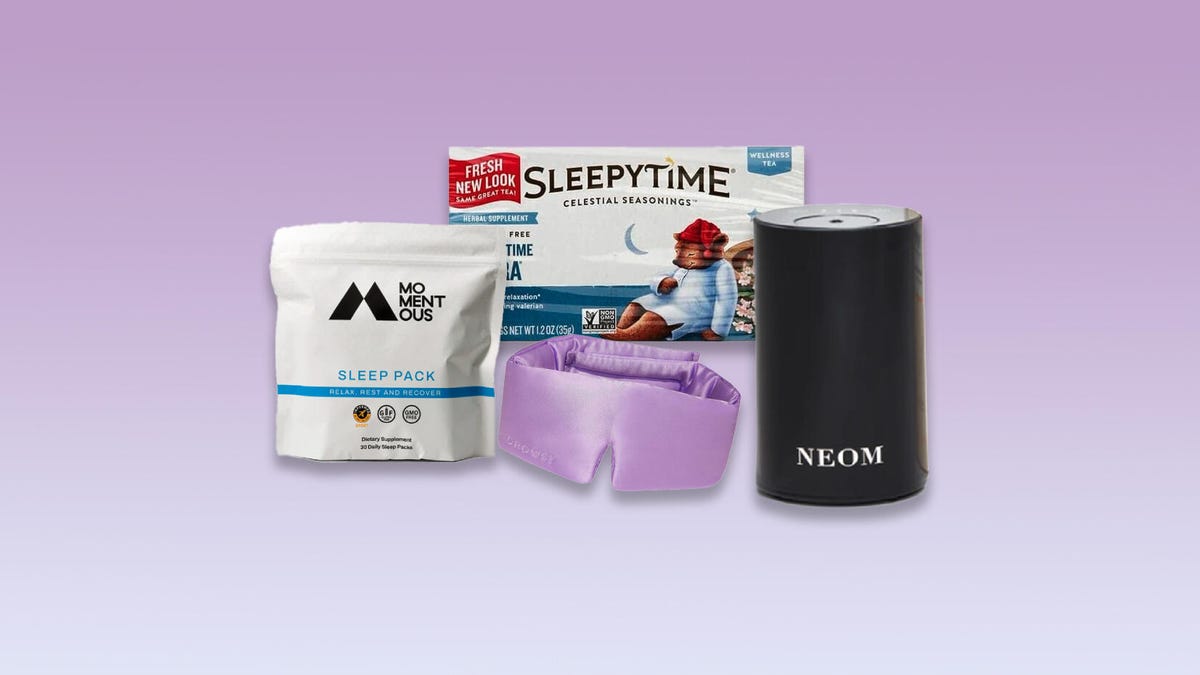
CNET's wellness editors share their favorite sleep-promoting products, including a sleep mask from Drowsy, a cooling pillow from Casper, a sunrise alarm clock from Hatch, an adjustable pregnancy pillow from Frida Mom, a customizable comforter from Sleep Number, a mini diffuser from Neom Organics, and Sleepytime tea from Celestial Seasonings. They also recommend the Momentous Sleep Pack, a supplement with scientifically-backed ingredients to promote better sleep.
Clinical psychologist and sleep specialist Shelby Harris warns that feeling consistently sleepy or fatigued during the day, relying on caffeine in the afternoon to stay awake, and using sleep aids regularly are signs that you may not be getting enough quality sleep. Sleep debt is real, and relying on weekends to catch up on sleep may not be enough to make up for lost hours during the week. It's important to understand your own norms for energy and alertness throughout the day and to address any sleep issues to avoid a vicious cycle of fatigue and reliance on stimulants.