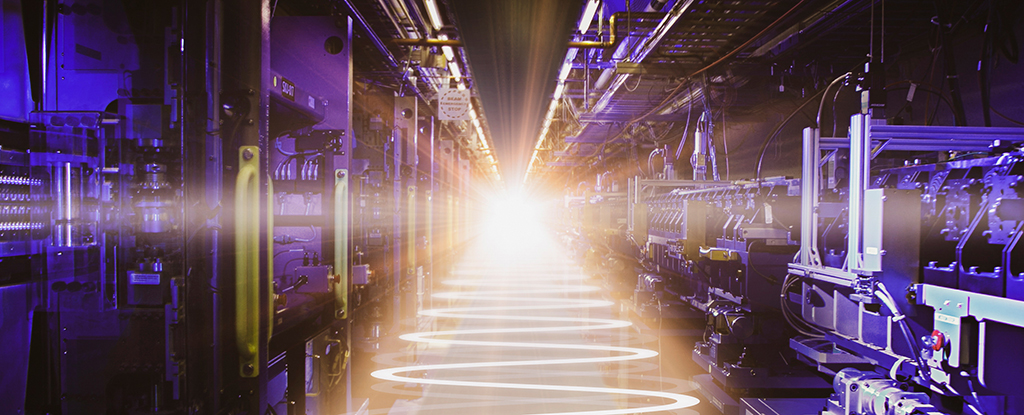
Scientists at SLAC have developed an unprecedented high-current electron beam using laser shaping techniques, marking a major breakthrough in accelerator physics with wide-ranging implications for astrophysics, quantum chemistry, and future particle accelerators.
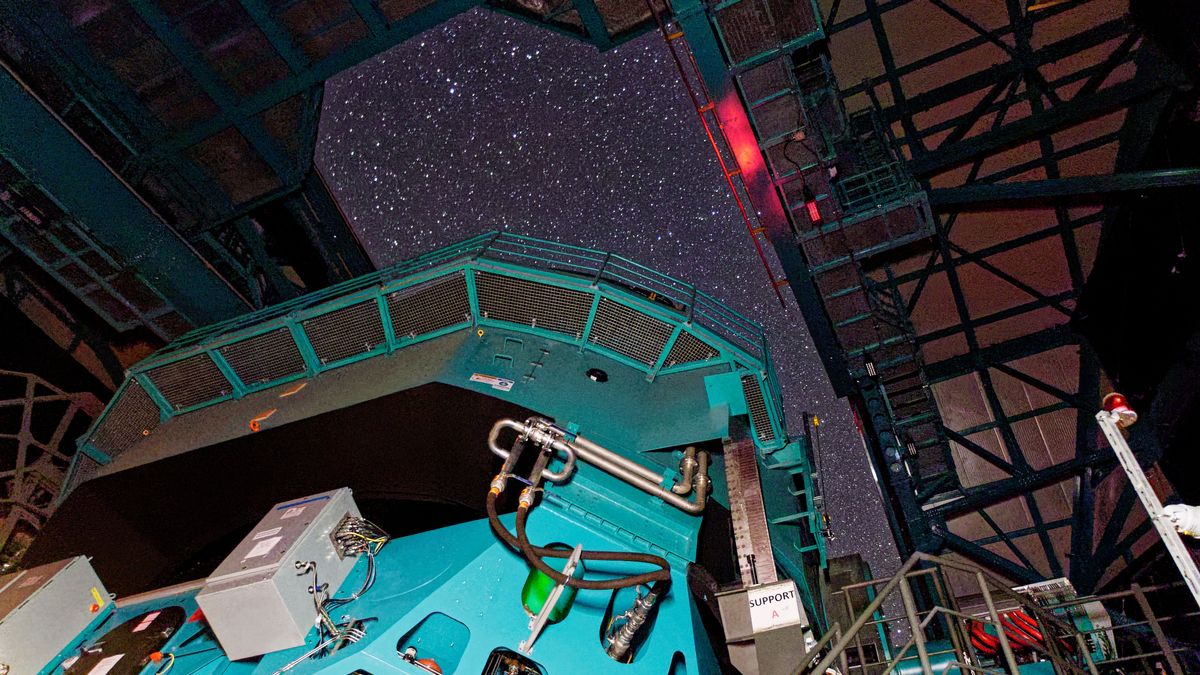
The Vera C. Rubin Observatory has successfully captured its first on-sky data using a low-resolution Commissioning Camera, marking a significant milestone in its development. This data was successfully transferred from the observatory in Chile to the US Data Facility at SLAC National Accelerator Laboratory in California, demonstrating the observatory's operational capabilities.
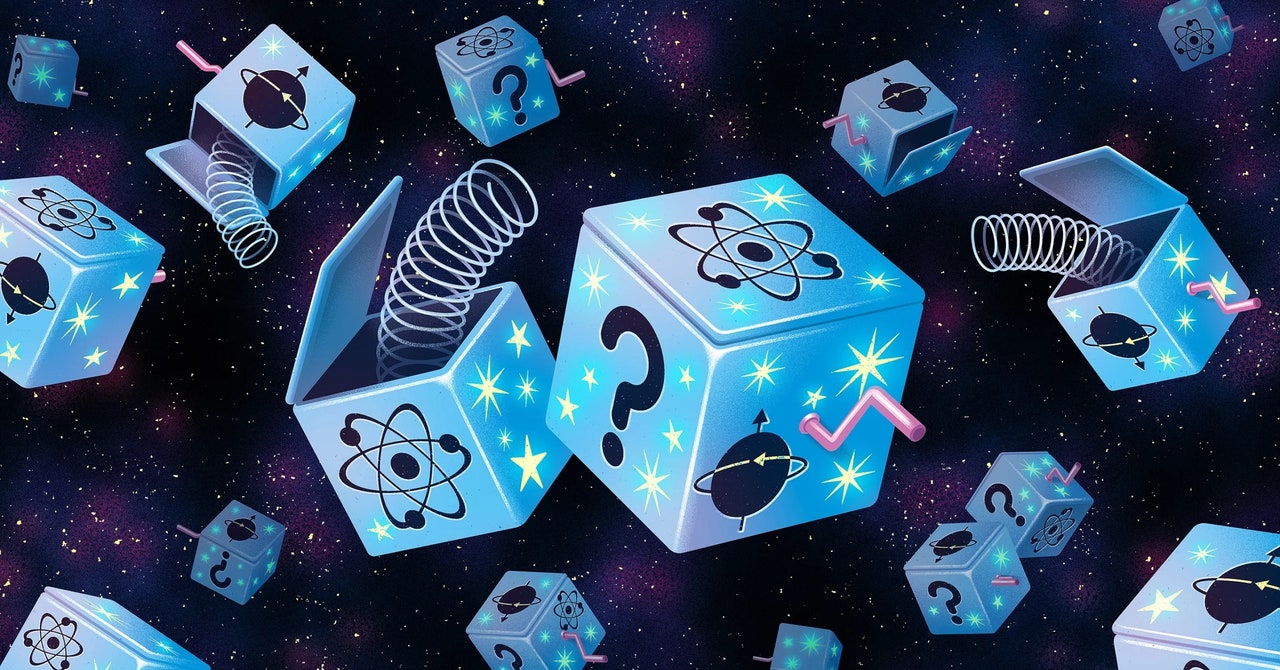
Physicists at SLAC National Accelerator Laboratory are preparing to launch new experiments to search for ultralight dark matter, moving beyond traditional candidates like WIMPs and axions. These efforts are part of a broader shift towards smaller, faster experiments to explore a wider range of dark matter possibilities, including light dark matter and ultralight dark matter, which may consist of a family of particles rather than a single type. The Department of Energy's Dark Matter New Initiatives program is funding these innovative approaches, aiming for quicker results in the quest to understand the universe's hidden mass.
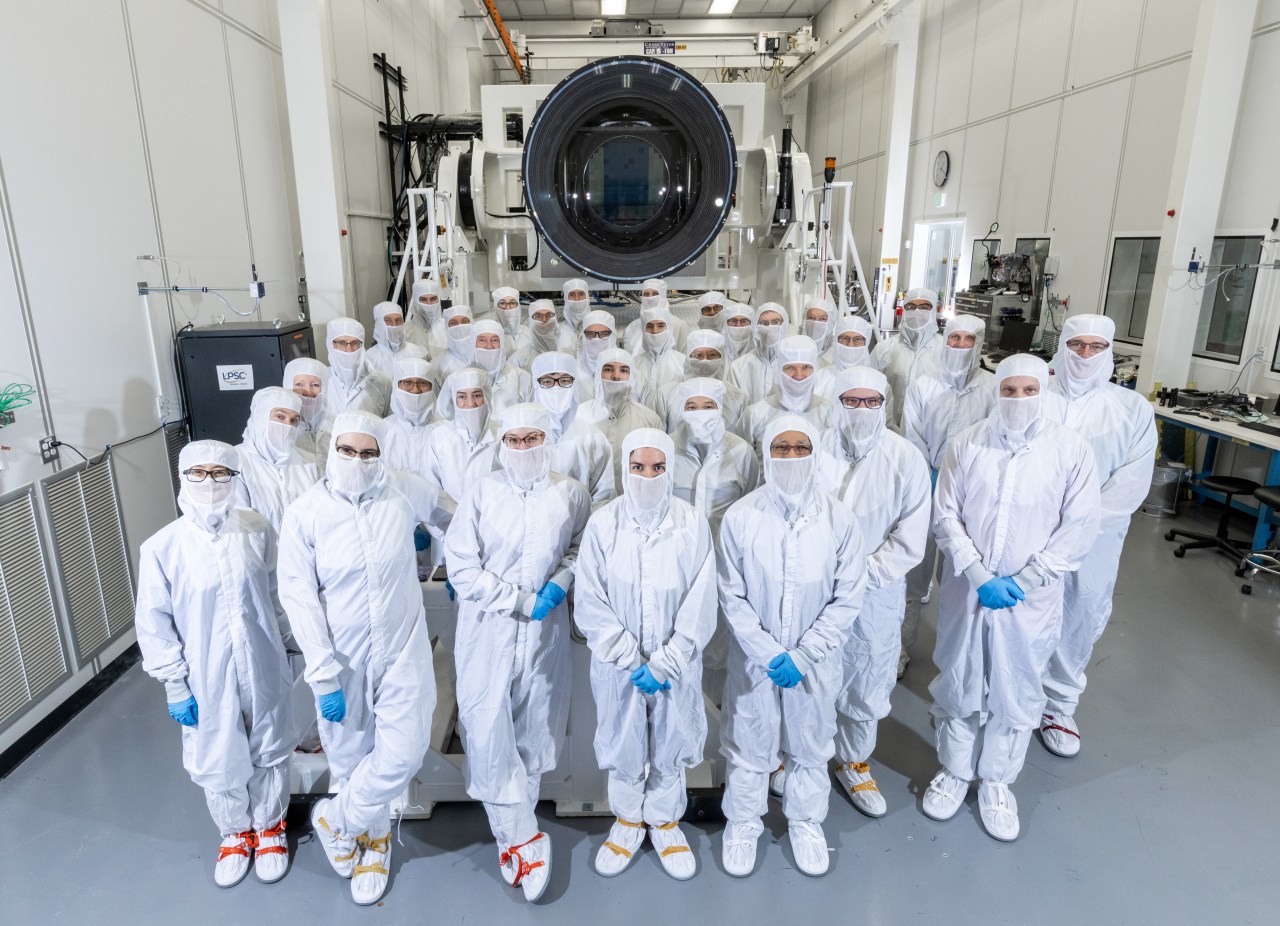
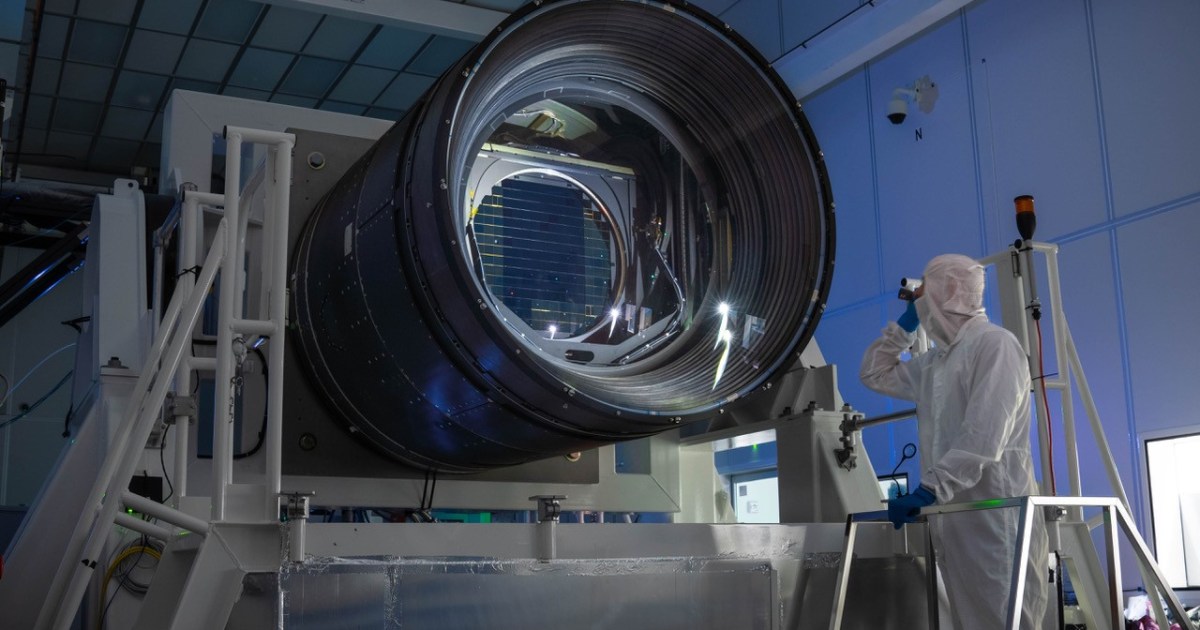
Scientists and engineers at SLAC National Accelerator Laboratory have completed the world's largest digital camera, the Legacy Survey of Space and Time (LSST) Camera, after two decades of work. Roughly the size of a small car and weighing three tons, the camera features a five-foot wide front lens and a 3,200-megapixel sensor. Once installed atop the Vera C. Rubin Observatory’s Simonyi Survey Telescope in Chile, it will survey the southern night sky for a decade, generating a trove of data to better understand dark energy, dark matter, the Milky Way, and small objects in our solar system.
The world's largest digital camera for astronomy, with 3,200 megapixels, has been completed at the SLAC National Accelerator Laboratory for the upcoming Vera Rubin Observatory in Chile. Weighing 3 metric tons and featuring a 5-foot front lens, the camera will be used for the Legacy Survey of Space and Time (LSST) to capture detailed images of the southern sky and transient objects like supernovae. It is set to begin its survey in 2025 and will help uncover information about dark matter and other key topics in astronomy.
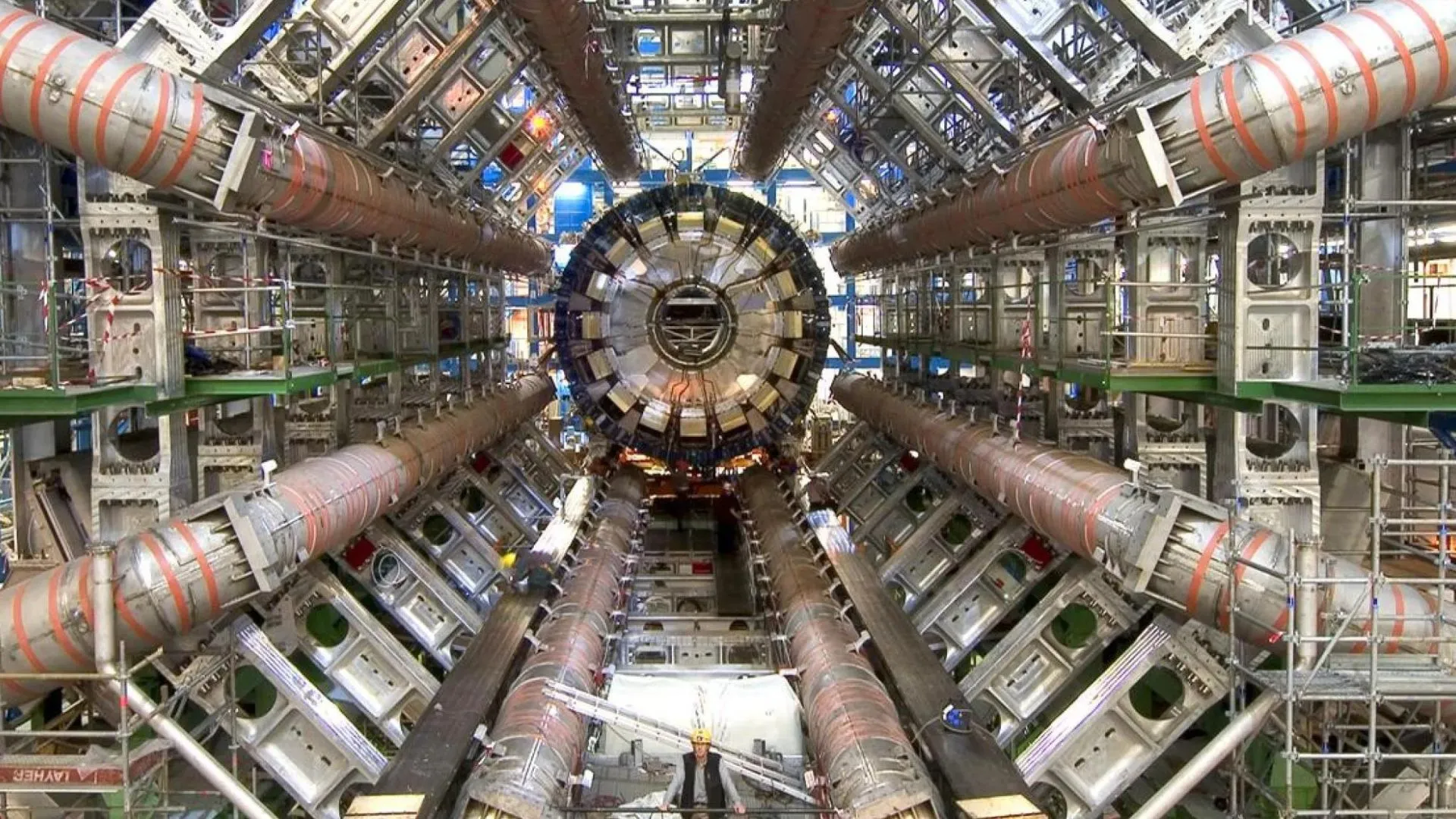
CERN's Large Hadron Collider, known for discovering the Higgs boson in 2012, is set to receive a major upgrade to conduct more advanced tests. The upgrade, to be facilitated by the US Department of Energy's SLAC National Accelerator Laboratory, aims to supercharge the world's most powerful atom smasher in order to hunt for new physics and unlock further mysteries surrounding fundamental particles.
Physicists at the SLAC National Accelerator Laboratory propose a new method to search for dark matter using quantum devices that could be naturally tuned to detect thermalized dark matter, which may be present in and around Earth. This small-scale solution could be key to solving the large-scale mystery of dark matter, as it could potentially detect low-energy galactic dark matter as well as thermalized dark matter particles. The researchers are exploring the possibility of redesigning superconducting quantum devices as thermalized dark matter detectors and considering different materials and interactions to improve the detection process.
California's SLAC National Accelerator Laboratory has announced the "first light" of the Linac Coherent Light Source (LCLS) II, the world's most powerful X-ray laser. Capable of producing a million X-ray flashes per second, the LCLS II offers unprecedented detail at the atomic scale, potentially enabling new discoveries in fields such as quantum events, chemical processes, and drug development. The laser's advanced technology includes a superconducting accelerator, cryogenic modules, and undulators. The LCLS II is expected to attract researchers from around the world and facilitate groundbreaking experiments in various scientific disciplines.
Engineers at the SLAC National Accelerator Laboratory in California have achieved "first light" with the Linac Coherent Light Source-II (LCLS-II), the world's most powerful X-ray laser. The upgraded linear accelerator will generate one million X-ray pulses per second, 10,000 times brighter than its predecessor, allowing scientists to study the smallest and fastest phenomena in the universe. The LCLS-II will provide valuable insights into various disciplines, from human health to quantum materials science, and keep the United States at the forefront of X-ray science. The first users of the upgraded accelerator are expected to arrive in November, marking a significant milestone in advancing scientific research.